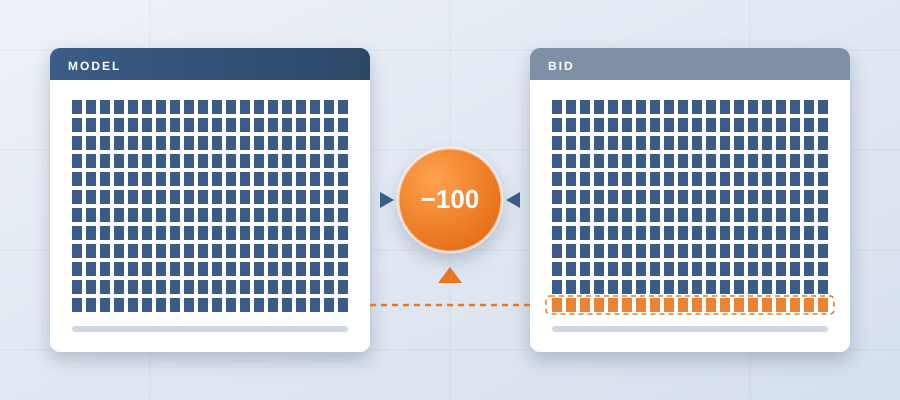
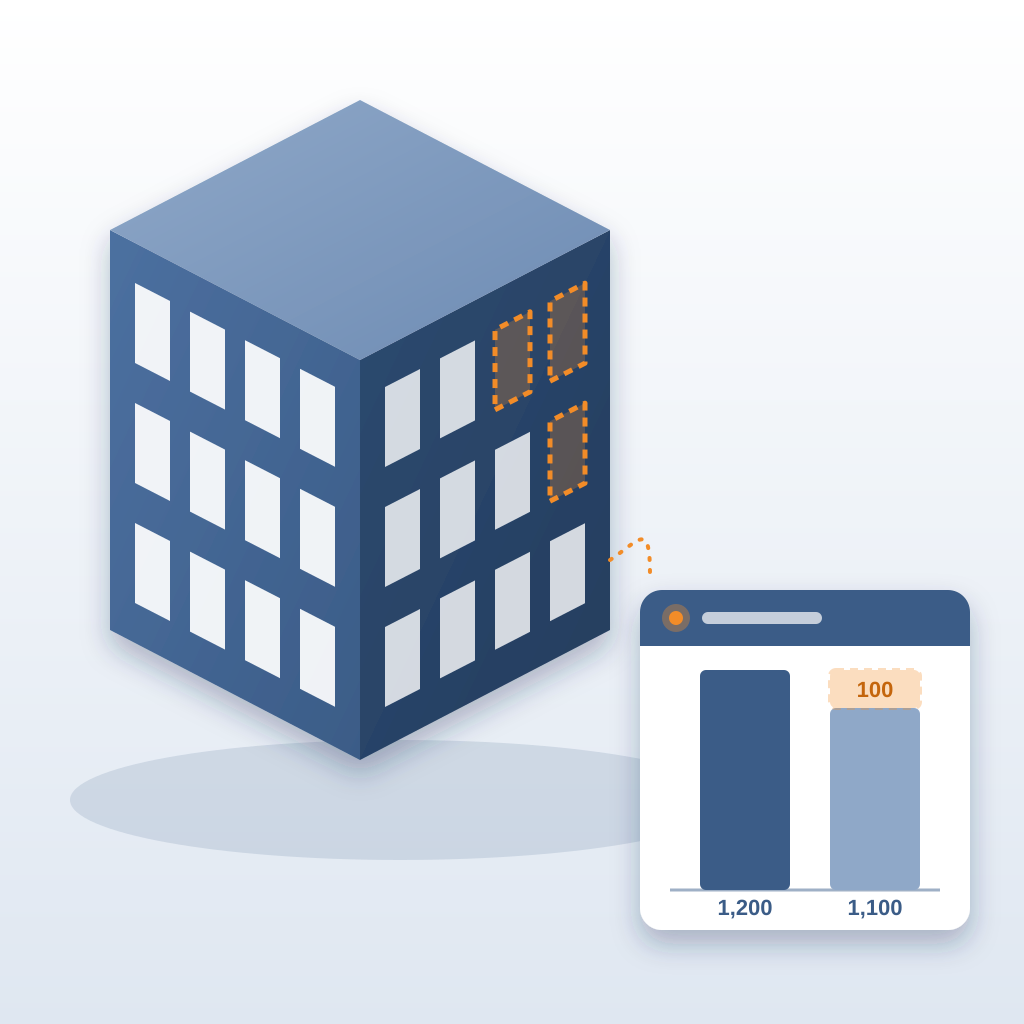
Your Model Has 1,200 Doors. Your Bid Has 1,100. The Missing 100 Cost You $380,000.
Where the 100 Doors Went
On the Revit side, the door schedule reads 1,200. That is the count the architect published, and the model carries every one of them with a type, a fire rating, a frame, a closer, and a hardware set attached. On the estimate side, the bid sheet reads 1,100. Both files are open on the same afternoon. Both look finished. That is why nobody catches it.
The gap usually starts with a stale export. Somebody ran the door schedule for pricing at 60% design, then design went to 90% and added a wing, a stair enclosure, and a cluster of service doors. The estimator kept working from the earlier spreadsheet because that was the file they had already cleaned up, sorted by type, and priced. The model moved. The bid did not.
Other times it is a filter. The QTO export drops doors on a workset nobody selected. Doors hosted in a linked model slip through. A curtain wall with integral doors sits in the wall category instead of the door schedule, so the count comes out light without anyone editing a single cell.
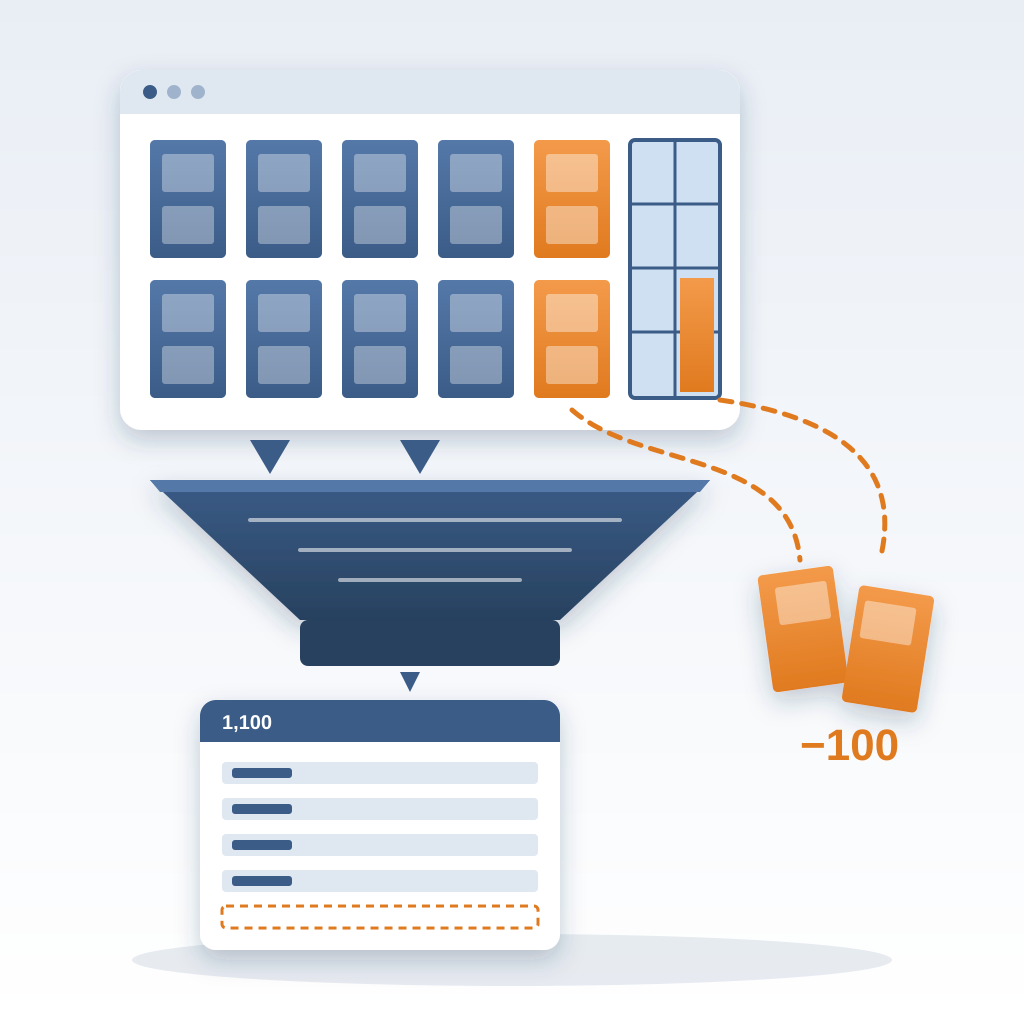
Here is the part that stings. A missing door is never just a door. It is the frame, the hardware set, the closer, the fire-rated assembly, the sealant, the labor to hang it, the labor to adjust it, and the inspection that signs it off. Miss 100 of those and you have missed a small subcontract package, not a line item.
Run the math on a commercial door at $2,500 installed, including frame, hardware, and labor. That is $250,000. Add the pressure of buying 100 extra doors mid-job on a rush, plus the supervision and schedule slip, and $380,000 is a conservative number for a bid that came in light on a single schedule.
Why the Door Count Drifts and the Budget Does Not
A model is a living thing. A bid is a snapshot. Every time a designer moves a corridor, splits a room, or adds a rated assembly, the door count changes. The model absorbs that change in seconds because it is parametric. Your estimate absorbs it only when a human notices, and humans notice late when the work is buried in a 40-tab spreadsheet.
This is the core problem machine learning construction cost prediction solves, and it is not really about the algorithms. It is about keeping the quantity source and the price source on the same clock. When your quantities are pulled from the live model instead of a hand-maintained schedule, the count cannot drift from the design because there is only one count.
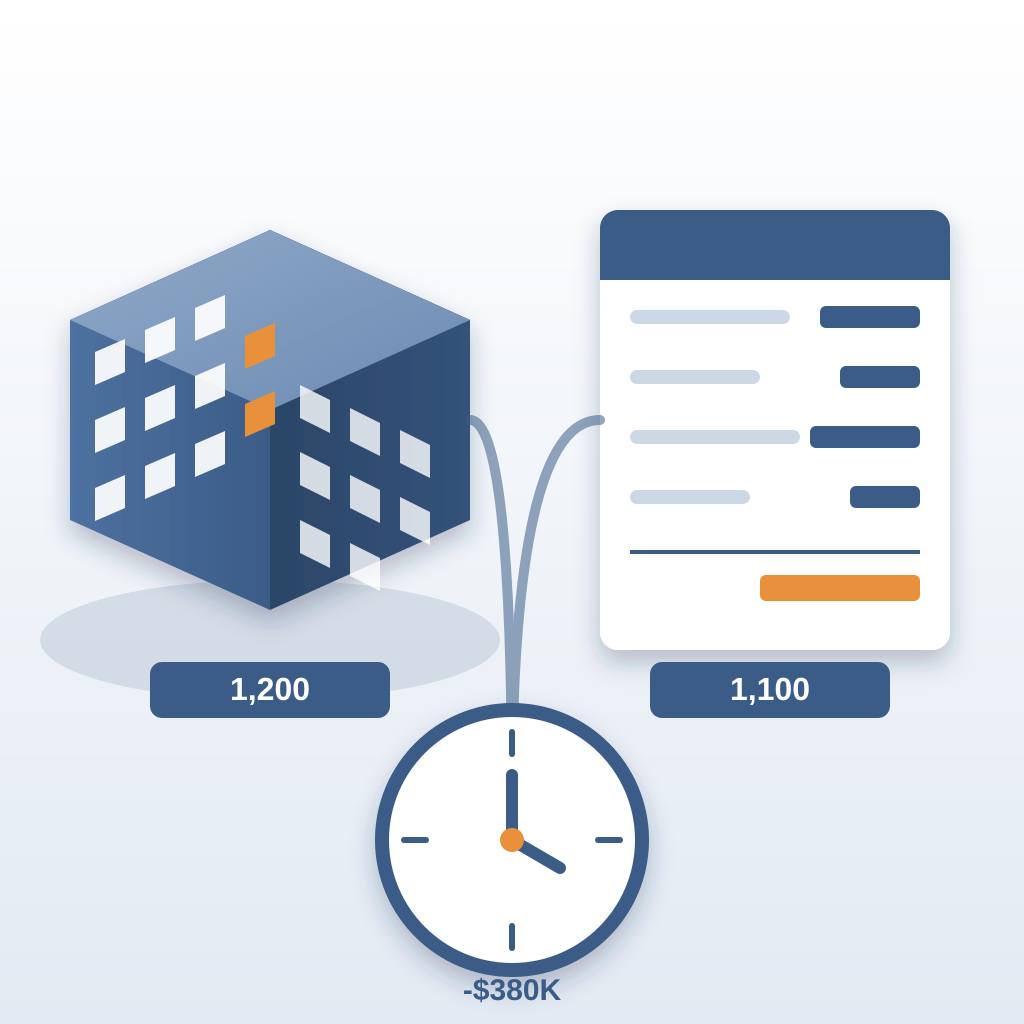
Think about how your team handles change today. The architect sends a revised model on Tuesday. Your estimator is mid-bid on two other jobs. The revised model sits in a folder until Thursday. By the time the new door schedule gets exported, the bid has already been built on the old count and submitted. That is not negligence, that is capacity.
AI cost estimation for construction works differently because the model reads geometry and metadata directly. It classifies line items from what the object is, not from what somebody typed into a column three weeks ago. It pulls current pricing from a database of roughly $30,000 of cost data plus Craftsman, 1Build, and RSMeans, so the rate attached to each door reflects today instead of last quarter.
The 86% accuracy figure matters here too. Two AI models reading geometry and metadata classify BOQ line items at 86% accuracy, and the remaining 14% goes to a human who is checking exceptions instead of counting doors. That flips the job from data entry to judgment, which is what you actually pay an estimator for.
What This Costs on a Real Bid
Picture the bid day. Your number is tight, the schedule is tight, and you win the job by 2%. Six weeks later the field starts hanging doors and the superintendent calls because the door schedule from the model does not match the door schedule in the submittal package. Now you have a problem with three costs attached.
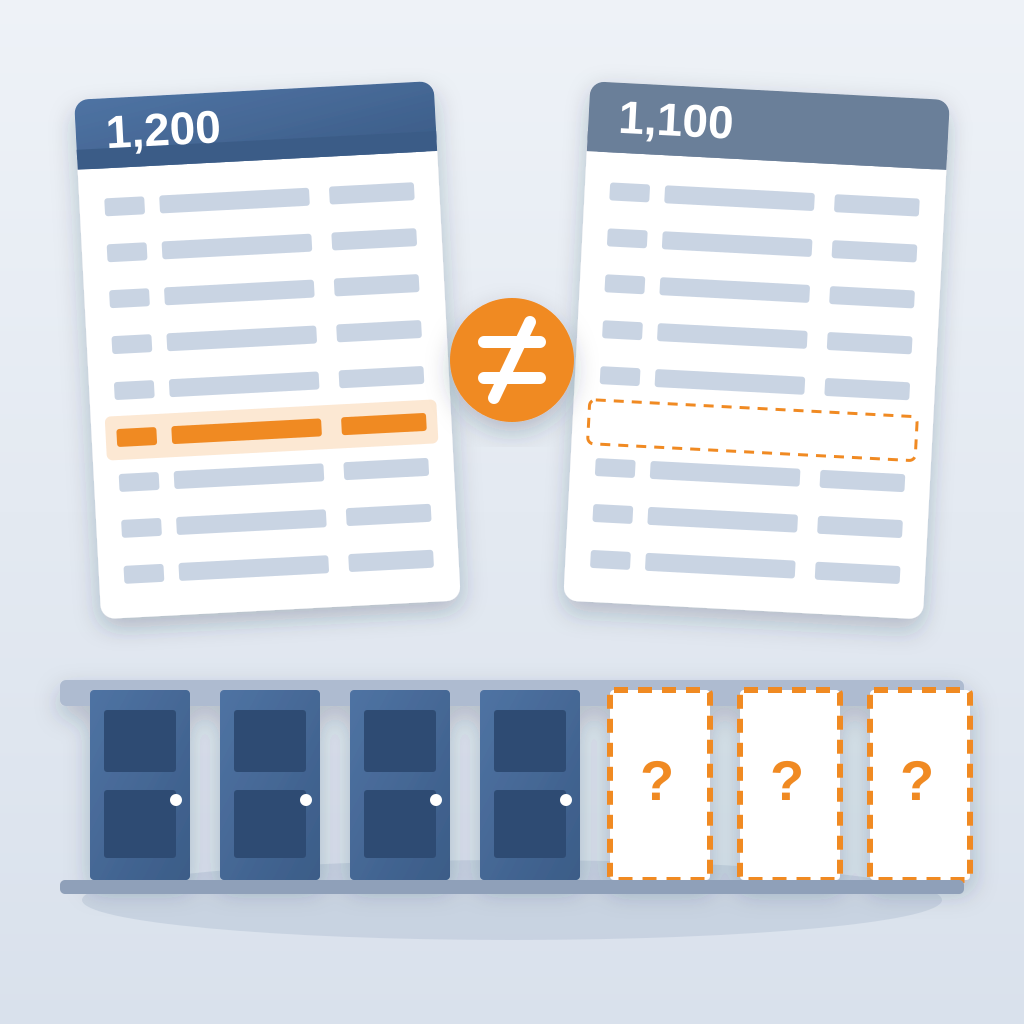
The first cost is the doors themselves. You buy 100 doors you did not price, at a unit rate that includes rush freight because you are already past the buyout window. The second cost is labor. Your door installer priced 1,100 units, and the extra 100 units come out of a crew that is already committed to another part of the job. The third cost is time, and time is the one that spreads.
Once a door package runs late, the painter, the flooring crew, the hardware commissioning, and the final inspection all shift. Idle labor on a commercial job runs into the tens of thousands per week when a trade is standing around waiting for a room to close up. That 100-door gap becomes a scheduling problem, and scheduling problems land on the GC.
This is exactly where a 5D BIM cost estimation workflow earns its keep. When the model carries cost, you see the door count, the rate, and the total in one record. When the count changes, the cost changes with it, and you see that on the same afternoon instead of six weeks later when the field tells you.
BidLight keeps one live record of the project inside Revit and Navisworks. You export your model and get labor, equipment, material, and time costs in minutes. The number updates in real time when the design changes. So the missing 100 doors get caught on the day the design added them, not on the day the field installs them.
How to Stop Missing Quantities Before You Submit
The first habit is simple. Never price from a static door schedule. Price from the model, and treat any spreadsheet as a report, not as the source. If your estimator is maintaining a count by hand, that count is already behind the design.
The second habit is a reconciliation check on bid day. In fifteen minutes instead of 90, run a quantity comparison between the model export and the bid line items. Anything that comes back off by more than a rounding error gets a second look. A door count that reads 1,100 against a model that reads 1,200 is a five-second catch when the two numbers sit side by side.
The third habit is pricing currency. A door priced at last year's rate is a small miss, but 100 doors priced at last year's rate on top of a missing count is how a job ends up underwater. Pulling current pricing from a maintained database keeps the rate honest, and it removes the argument about where the number came from.
The fourth habit is treating the estimate as a service, not just a document. When your firm can produce a defensible number in minutes, clients will pay for early design answers. That is billable work, and it is the same engine that protects your bids.

Plans run from Basics at $260 per licence per year to Max at $590, with custom Enterprise pricing. If your team would rather not run the software itself, BidLight does done-for-you BIM work covering execution plans, 4D and 5D, and fabrication detailing. Either way, the point is the same. The count you bid is the count you build.
The Number You Can Defend
The reason this door story matters is not that someone made a mistake. It is that the mistake was invisible. Two documents, each internally consistent, each pointing at a different reality. That is how margins die on commercial work, quietly and in the gap between two systems that never spoke to each other.
When you bid off a live model record, you stop defending a spreadsheet and start defending the design. If a client asks why the door count is 1,200, you show them the model. If they ask why the rate moved, you show them the pricing source. That is a different conversation than the one where you explain how the count got stale.
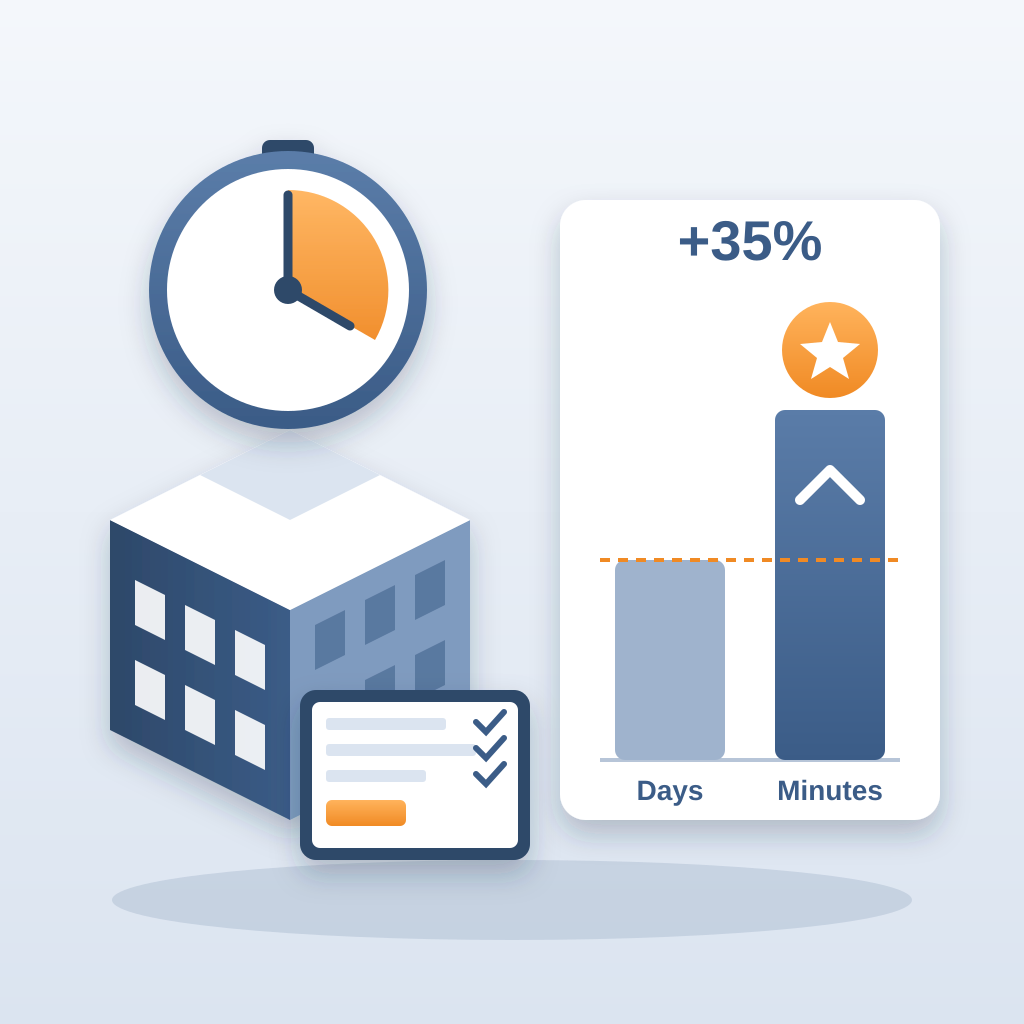
There is a competitive piece to this too. Firms that estimate in minutes and update on every design change win more work because they can answer faster and with better numbers. The 35% higher win rate is not magic, it is the result of showing up with a number you can stand behind while your competition is still hunting for the latest schedule.
And there is a retention piece. Estimators leave when the job is copy-paste and firefighting. They stay when the job is judgment. If the software handles the quantity grind and the pricing lookup, your best people spend their time on scope, risk, and strategy, which is the work they actually wanted to do.
The takeaway is plain. Your model has 1,200 doors. Your bid should have 1,200 doors. One live record of the project inside Revit, with cost riding on the same model, is how the two numbers stay equal. Stop chasing scattered updates, and stop paying for the 100 doors you never priced.