
Your Estimate Is Only as Good as the Team Behind It
The Day Your Senior Estimator Quits, the Pricing Knowledge Walks Out Too
Monday after your senior estimator gives notice. A 40,000 square foot tenant improvement is due Friday. The person who knew the door hardware allowances, the drywall waste factors and which subs actually pick up the phone is gone. That is not a staffing problem. It is a data problem.
Most of what firms lose when key people leave never shows up on a P&L line. It shows up as a bid that comes in high because nobody remembered the sheet metal vendor's volume discount. It shows up as a takeoff that drags because the shortcuts walked out with their owner. It shows up as rework on a submittal the departing project engineer would have caught at a glance. The cost is real and it adds up. Almost nobody traces it back to the departure.
An estimator's value lives in three places: their shortcuts in the software, their historical unit prices, and their relationships with vendors and subs. None of it lives in the model. Shortcuts live in a personal toolbar. Unit prices live in a personal spreadsheet nobody else can open without a decoder ring. Relationships live in a phone contact list. When the person leaves, all of it goes at once, and you pay market rate to rebuild it from zero.
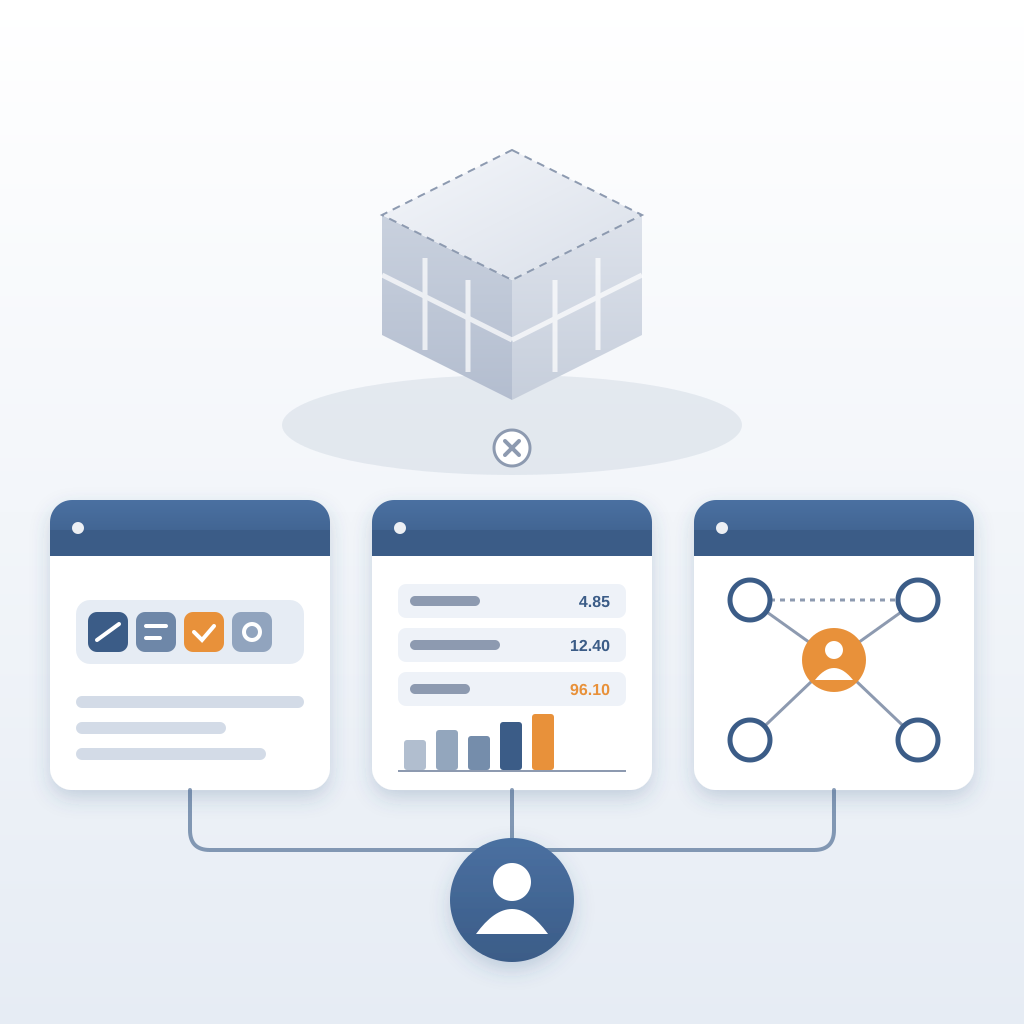
The fix is not a better handoff document. Those get written in the last week, when the person is already checked out and half the knowledge is gone. The fix is moving the estimating knowledge into the asset that stays, which is the model. When quantity comes from geometry and cost is tied to line items inside the Revit file, the estimate stops being a person. It becomes a property of the project.
BidLight keeps one live record of the project inside Revit and Navisworks. Labour, equipment, material and time costs update when the design changes. The incoming estimator opens the model and sees the same numbers the last one saw. Not a summary written by someone with one foot out the door. The actual cost record, in the actual model, in minutes.
What Walks Out the Door
Most firms underestimate what leaves with a departing estimator, because so much of it is invisible. The shortcut keys are the obvious part. The harder loss is the judgment baked into dozens of small decisions. Why does this firm price doors at a unit rate and not a lump sum? Why did you stop calling that glazing sub? What waste factor does the concrete crew need on a tilt-up versus a slab on grade? None of that is written down. It is memory, and it is gone.
The vendor relationships come next. Your senior estimator knows which mechanical contractor holds a number for three weeks and which one reprices the day after the bid. They know which supplier short-ships conduit. A replacement learns those lessons the slow way, one late delivery and one blown allowance at a time. That learning period is expensive, and it can last months.
The third loss costs the most and gets talked about the least: knowledge of your own process. What goes in base scope and what goes in alternates. How you handle escalation clauses. What markup you can defend when a client pushes back. When that estimator leaves, the next bid gets priced by someone guessing at your firm's own standards.
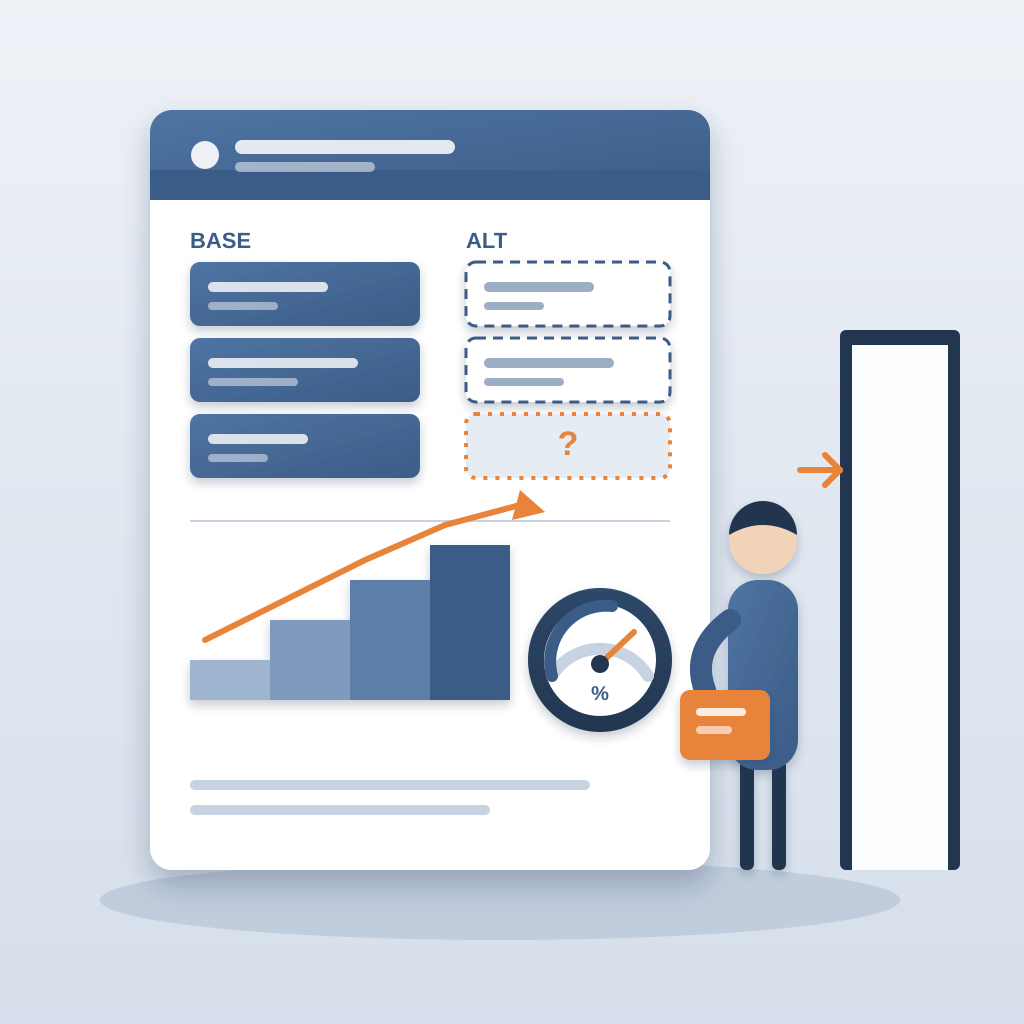
Run the math on a mid-size general contractor. 30 bids a year at an average of $2M each is $60M in work competing for an award. Say a lost estimator drops your win rate by 5 points during the gap. That adds up fast. BidLight customers report a 35% higher win rate. That is what a pricing process looks like when it does not reset every time a chair empties.
You already know the version of this that hurts most. You do not lose the work because your number was wrong. You lose it because your number took four extra days and the client already awarded the job.
Why Spreadsheets and Tribal Knowledge Keep Failing You
The usual recovery plan after a departure is a panic download. Someone sits with the departing estimator for two days and scribbles notes into a shared drive. Six weeks later nobody can find the file, and the numbers in it have gone stale against current pricing. Firms call that a fragile estimating process. It is not fragile because the people are bad. It is fragile because there is no single source of truth.
Historical cost data goes stale on a schedule nobody controls. A spreadsheet with 2022 material pricing looks authoritative and is quietly wrong. The next estimator inherits it, trusts it because it exists, and bids with numbers the market no longer matches. You can trace that loss straight back to the day the person who cared about the data stopped maintaining it.
The other trap is treating the model as a drawing and the estimate as a separate document. Two files, two owners, two update cycles. The model moves when the architect moves. The estimate moves when someone remembers to move it. Rework lives in that gap, and every firm we talk to describes it in the same frustrated tone.
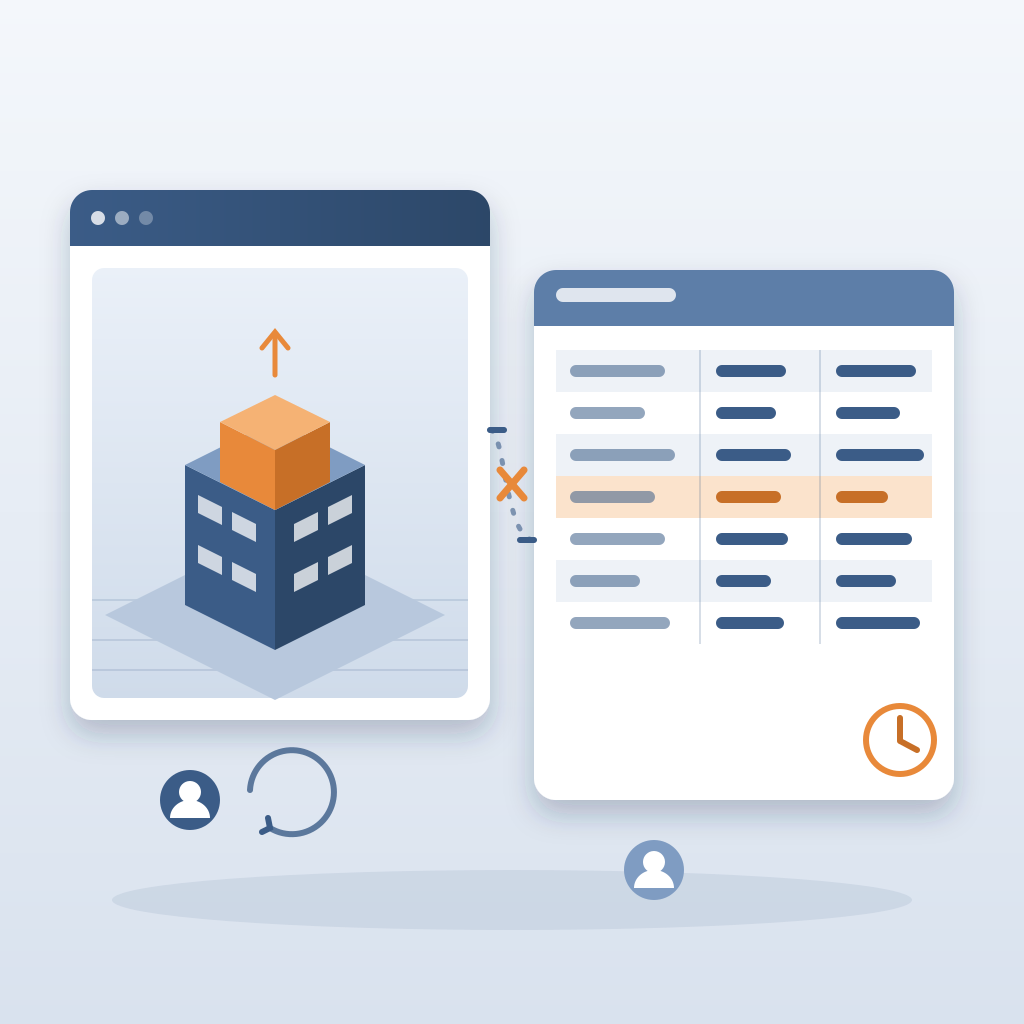
The fix is plain. Put the cost data where the geometry already lives. When the model changes, the quantities change, and the estimate changes with them. The person who owns the process becomes less critical, because the process no longer depends on them being in the building.
Firms ask us which sectors this helps most, from healthcare construction to data centers to industrial fabrication. The answer is any firm where knowledge sits in too many heads and too few systems. In AEC, that is nearly all of them.
Keep the Numbers in the Model, Not in the Person
The principle is easy to state and takes real work to put in place. The model is the record. Cost is a property of the line items in that record, not a separate document someone maintains by hand. When the design moves, the cost moves, and it moves without a meeting.
In practice, your quantities come from the model. Count the doors, the linear feet of duct, the tons of rebar. Do not retype them into a spreadsheet and hope the two stay in sync. Then attach cost to those line items with current pricing, not last year's catalog. BidLight pulls from a roughly $30,000 database plus Craftsman, 1Build and RSMeans. Two AI models read geometry and metadata to classify BOQ line items at 86% accuracy. You get the estimate in minutes, not hours.
For retention, the payoff is that the knowledge stops being personal. The next estimator opens the same Revit model and sees the same defensible line items: unit rates, waste factors, scopes. They can ask why a number is what it is, and the answer sits in the model instead of in someone's memory of a conversation from 2023.
This matters most during the hiring gap, which is when firms get reckless. With the cost record in the model, a less experienced estimator has something solid to price from on day one, not a blank page. You stop losing bids because the only person who could price the job is gone.

The same logic holds for outside teams. When a subcontractor or consultant joins mid-project, you do not have to walk them through your pricing culture. You hand them the model. The numbers are there, the reasoning is visible, and the estimate does not fork into two competing versions.
None of this replaces estimators. It makes the firm's pricing capability something the estimator adds to and the firm keeps, whatever happens to the org chart.
A Practical Playbook for the Next Departure
Audit what lives outside the model today. Pull the last five bids your firm submitted and trace every number back to where it came from. How many came from a personal spreadsheet, a shortcut or a verbal rule of thumb? That count is your exposure, and it is almost always higher than leadership expects.
Next, move the pricing backbone into the model. Set up the BOQ line items in Revit so quantities come from geometry, and connect them to current pricing instead of static numbers. Every later step depends on this one. Without it, you are still maintaining two records and hoping they agree.
Then run a test. Pick a project and hand it to someone who is not your senior estimator. Have them price it from the model and its embedded cost record only. Time them. The first attempt will be slower than you want, and it will show you the gaps. Fill those gaps in the model, not in a handoff doc, and run it again. That is how a firm gets to estimates in minutes that anyone on the team can open and trust.

Last, close the loop after the bid. Track which line items held, which drifted and why. Feed that back into the model, so your pricing gets sharper with every project instead of resetting when someone moves on. That is the gap between a firm with an estimating process and a firm with a few people who are good at estimating.
If you want to get there faster, we also do the work for you. Execution plans, 4D and 5D, fabrication detailing and spooling, delivered by a team that does it every week. It is not a shortcut around the work. It is the work.
What You Keep When People Leave
Every firm loses people. Retirement, relocation, a competitor with a better offer. You cannot stop that. You can decide whether their pricing judgment leaves with them or stays in the model where your team can reach it.
When your numbers live in the model, a departure becomes a scheduling problem. You still have to hire and onboard. But you are not rebuilding your estimating capability from scratch while trying to win work with it. That rebuild is what eats a firm's margin for a quarter after a key person walks.
When the cost record sits in Revit, your newest estimator and your most seasoned one look at the same defensible numbers. 86% classification accuracy. 18,000 hours saved. A 35% higher win rate. Those results come from knowledge that belongs to the project, not to one person.
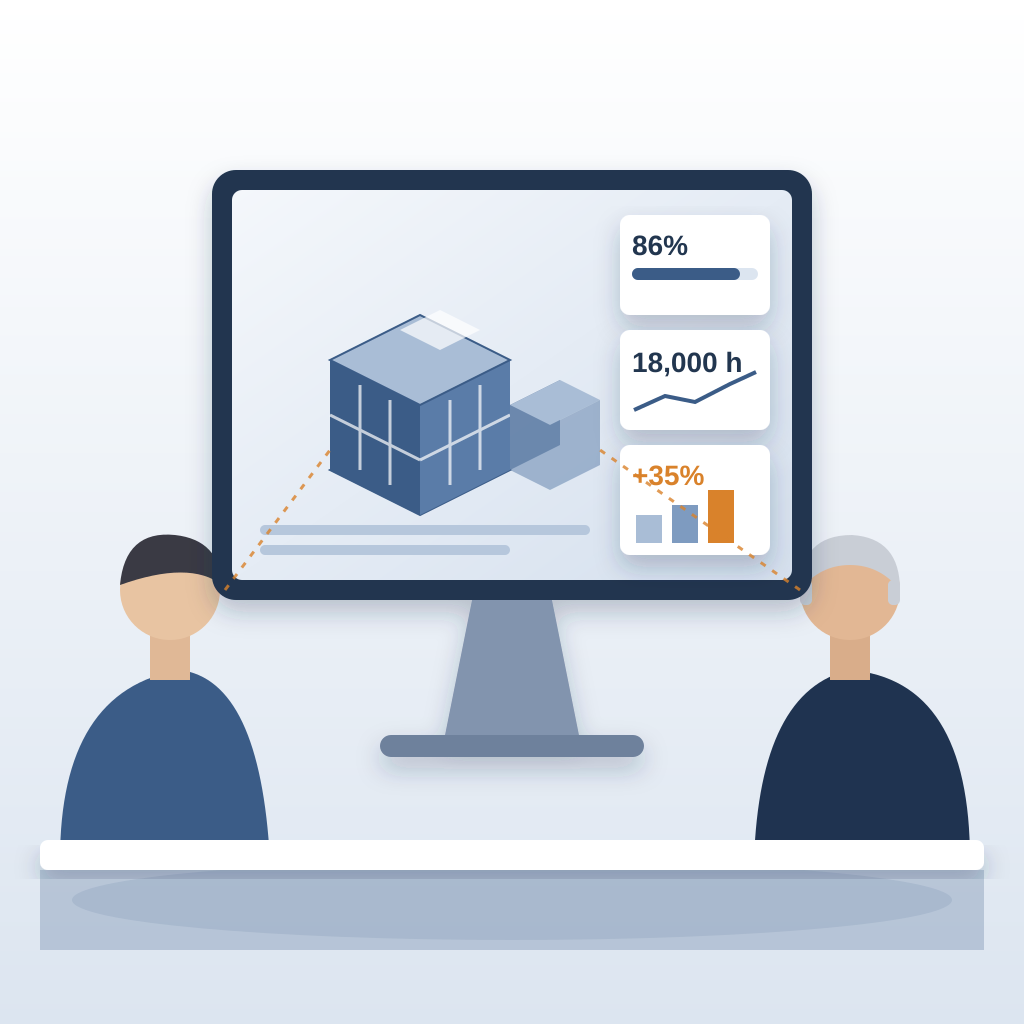
Here is the short version. Your estimate is only as good as the team behind it, and your team is only as stable as the systems underneath it. Put the cost record inside the model. Let it update when the design does. Make one person's departure an HR event, not a bidding event.
You should not have to restart from zero every time someone leaves. Keep your bid knowledge where the geometry lives, so the numbers stay put even when people do not.