
Your Best Estimator Left. Your Bids Can Stay Competitive.
What Leaves When the Estimator Leaves
The resignation email lands on a Tuesday. By Friday the desk is empty. What walks out is not just a person, it is a living map of how your firm prices work: which subs pad their numbers, where the model tends to undercount, what that architect really means when they say minor revision. None of that was written anywhere. It lived in one head. On Monday, that knowledge is gone and so is your bidding capacity.

The practical damage shows up fast. New bids take two to three times longer because nobody knows where to begin. People price from old PDFs and spreadsheets whose quantities are stale. Assumptions that used to get checked in five minutes now take an afternoon of group guessing. Field crews begin winning work priced on shaky quantities, and installers pay the price. By week three, you are not short a person, you are short a process.
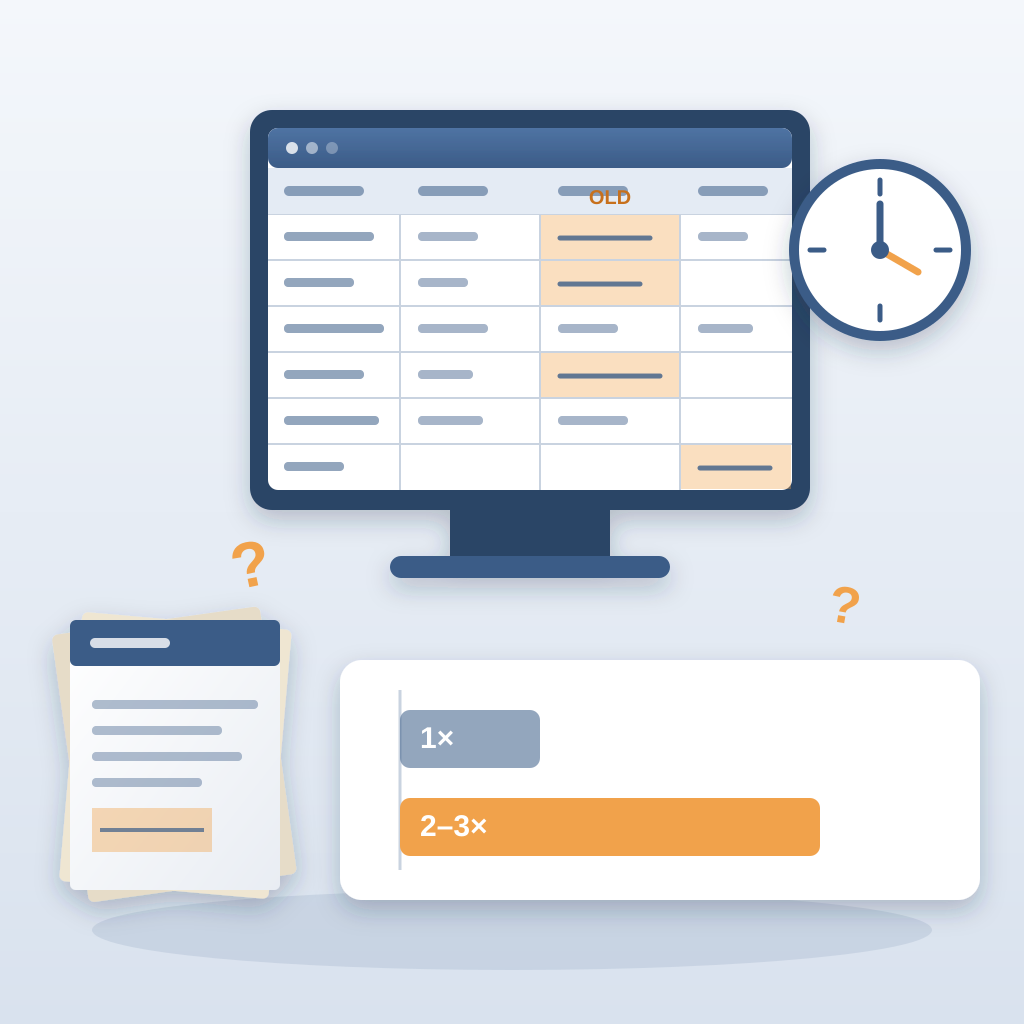
You can also watch the numbers move in the other direction. Subcontractors notice when a bid invitation arrives later than usual. Architects notice when answers take longer. Owners notice when the change order conversation gets fuzzy. Part of what the estimator carried was trust, and trust is the easiest thing for a firm to lose quietly. It shows up months later as a lower hit rate and nobody can point to where the drop began.
Firms that recover from a key resignation fastest are the ones that kept a live record of each project rather than a pile of static files. The model knows its own quantities. The pricing database knows current rates. The gap between a design change and an updated number is minutes, not days. That is why turnover hurts some firms far more than others: the ones with a single live record simply have less to transfer.
Why Your Bid Was Always More Fragile Than You Wanted to Admit
Most firms do not lose money from one resignation; they lose it from a takeoff that was never updated after the last design change. Estimators rebuild quantity takeoffs from scratch on nearly every bid. That is why that skill set feels so valuable: it is really a recovery skill. When the lead estimator leaves, the replacement is not inheriting a number, they are inheriting the job of finding a number.
Ask anyone doing QTO work today how much time goes into moving quantities from a Revit model into a spreadsheet or estimating tool. It is hours of copying, checking, re-checking, and manual QA that produces no client value. Worse, every copy step is a chance to introduce an error. A missed door, a shifted ceiling grid, a rebar schedule that does not match the model. The best estimators are essentially error detectors; when one leaves you lose the detector before you lose the process.
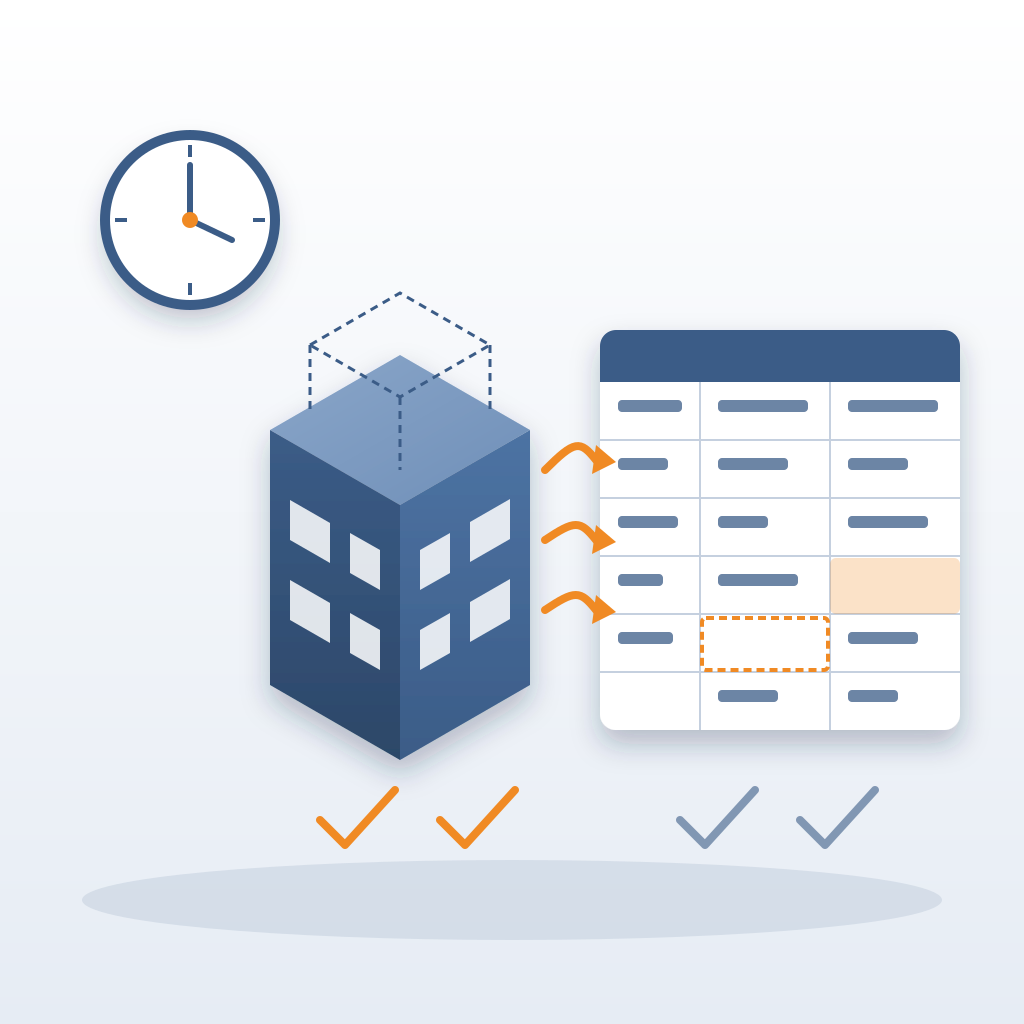
Turnover also exposes the difference between reading a model and pricing from it. If your estimate lives in a separate spreadsheet and your model lives in Revit and Navisworks, those two records drift apart from the minute the design changes. The estimator is the glue holding the two records together. When they leave, the model still updates, but the price does not, and nobody notices until a change order is already under water.
The answer is not to hire faster than the other firm. It is to make the estimate systemic. When the model is the price of record, new staff do not need to memorize your pricing logic. They need to read a live record and defend it. That is a much faster ramp for whoever sits in the chair next.
What a Live Model Record Does That a Spreadsheet Cannot
Picture the project as one record inside Revit and Navisworks: quantities and metadata that already describe the design, and cost attached directly to those elements. When the architect moves a wall or adds a zone, the number moves with it. No re-export, no reconciliation, no second file to keep in sync. For an estimating team carrying a vacancy, this is the difference between bidding from memory and bidding from data. The estimator decides what the model means, but the model remembers what the estimator saw.
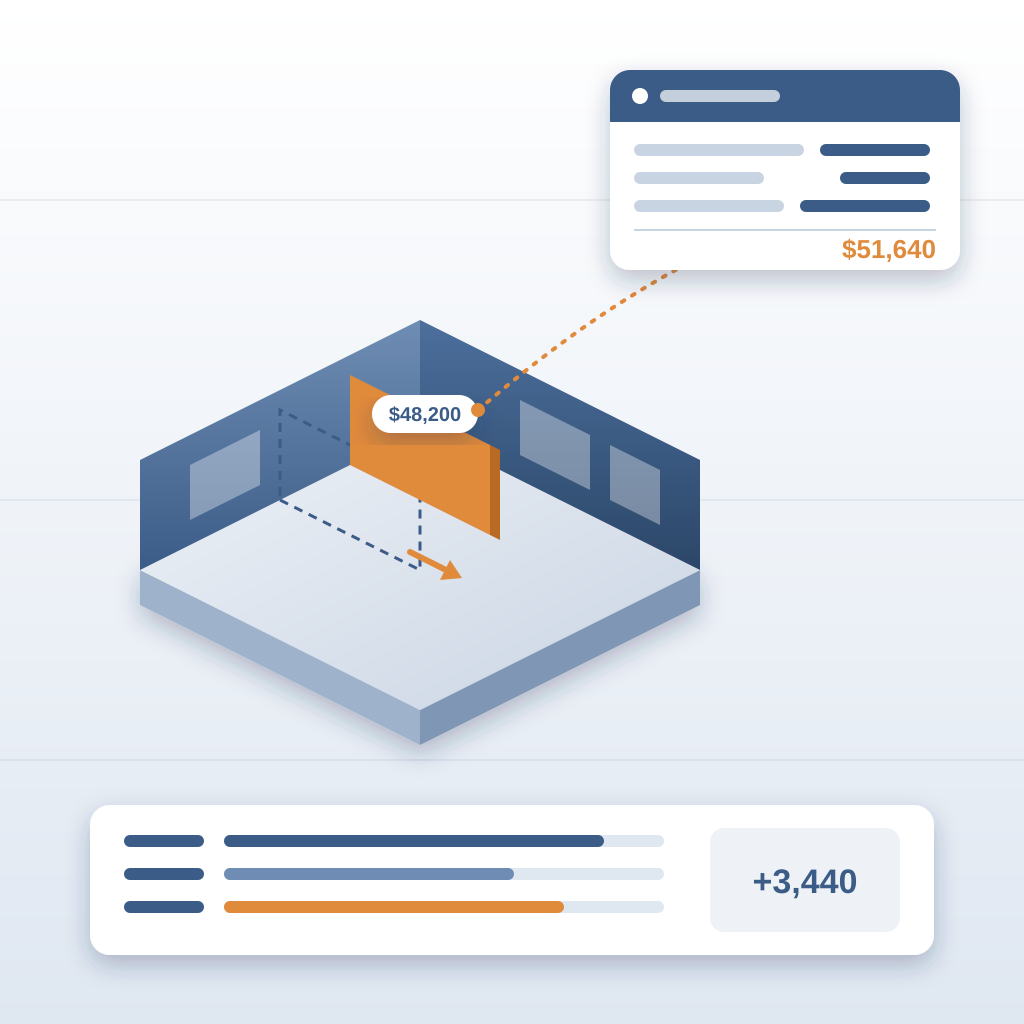
That continuity matters most in the first 90 days after a resignation. A next estimator can open the record, see how labour, equipment, material and time were derived, and interrogate any line item they do not trust. They will defend that number in a client meeting because they can trace how it was made. That traceability turns a hire into a functioning estimator fast, and it turns a gut-based bid into evidence a project owner can accept.
Geometry and metadata get classified by AI trained to read model content and produce BOQ line items, currently at 86% accuracy. That number is not there to replace the estimator; it is there so a junior hire begins from an organized draft instead of an empty sheet. Pricing data is current, drawn from a database of $30,000 of costs and Craftsman, 1Build, and RSMeans. So the replacement is not guessing what a unit rate costs this quarter, and the firm is not exposed to the question of whether the old estimator's rates were right.
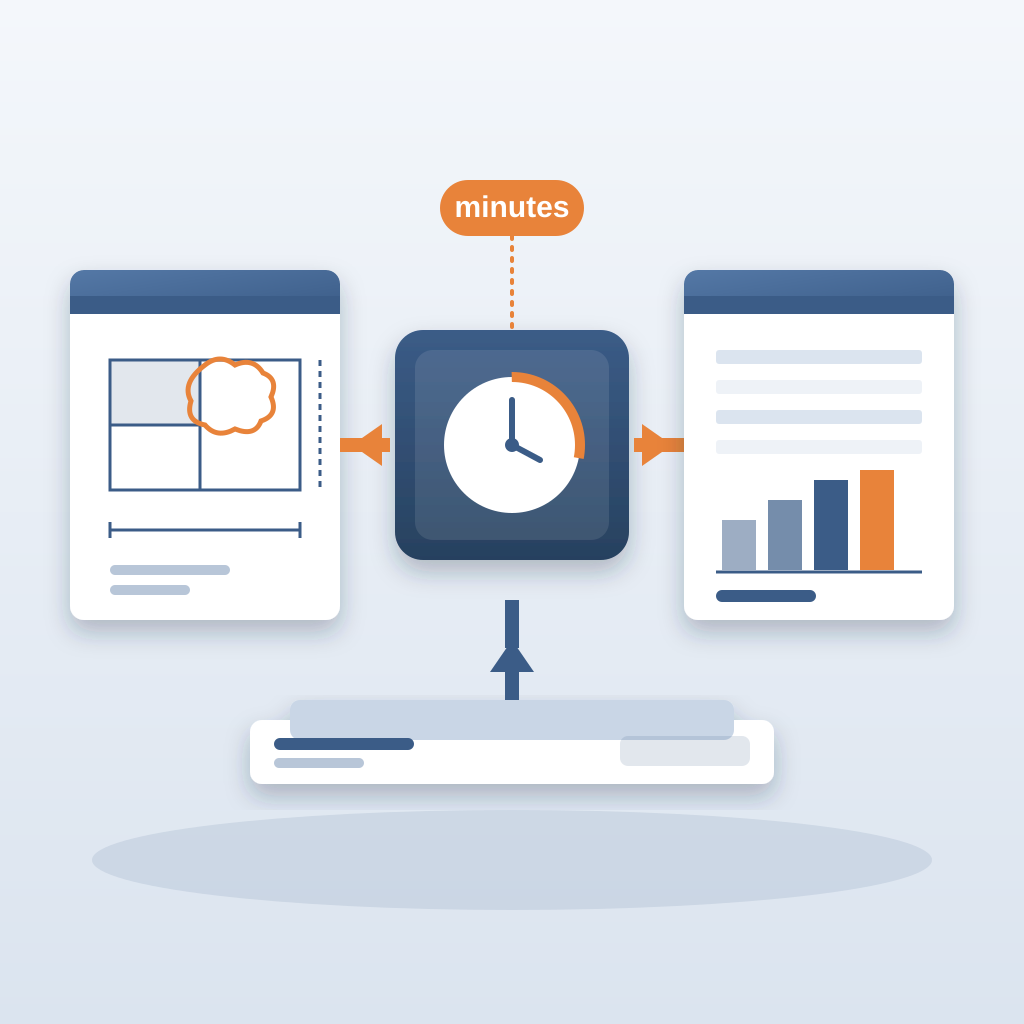
The record also gives you something no departing employee can take: a repeatable process. Design change in, updated cost out, in minutes. That is the mechanism an estimator uses to produce a bid in an afternoon, and it is the reason a firm can survive a resignation without missing a single bid cycle.
Hiring Is Easier When the Job Is Defensible, Not Heroic
Look at the way most estimator job posts are written. They ask for someone who can juggle multiple projects, work under pressure, and own the takeoff. That is a description of a person doing five jobs at once, and it is why good estimators are scarce and expensive. You will not outbid the market for that profile very often. You can, however, change what the job is. If the model produces the takeoff and the pricing data, the estimator's role becomes review, judgment, and client conversation. That is a job a strong construction professional can step into, not just a veteran spreadsheet athlete.
New hires also ramp faster when the tool shows its work. Instead of asking where a number came from, they open the line item and see the model element, the pricing source, and the assumption behind it. Onboarding stops being a series of oral tradition sessions. That is how a firm converts a resignation crisis into a chance to rewrite the role around the parts of the job that people enjoy.
There is a commercial angle too. When your estimating process is fast and traceable, early estimates stop being a free favor you do for owners and begin being a service you can bill. One number, updated live as the design develops, has real value to an owner deciding between schemes. Firms doing this are winning work because they can answer questions in the room, not because they are the cheapest bid on the list. That is a better business than replacing a hero every eighteen months.
All of this changes who you can hire and how quickly they contribute. When the model, the data, and the classification work together, the estimator is not a bottleneck or a single point of failure. They become a decision-maker, backed by a record that does not quit.
What to Monitor So This Never Catches You Off Guard
Turnover resilience gets easier when you treat it like a measurement problem. Track how long a bid takes from first model view to submittal, and watch whether that time creeps up when someone is out. Track the percentage of line items that change when a design revision lands, because that tells you whether your price is tracking the model. Track the number of reworks caused by quantity mismatch, and put a dollar value on it. These are the indicators that tell you whether the process or the person is carrying the load.
Watch the pricing side over time too. Tracking trends over time is not just a marketing exercise; it applies to unit rates and bid patterns. If your numbers are always high or low against the pack, your database is stale or your assumptions have drifted. When your cost record updates from live sources, that drift gets caught early instead of after a losing streak. That single habit keeps a replacement estimator from inheriting bad assumptions they did not create.
Be honest with yourself about what is driving your software decisions. Anyone asking what is the best construction cost estimating software, what is the best AI construction estimating software, what AI is best for construction estimating, or what is the best AI platform for construction estimating is really asking one question: will this still be defensible when the person who built the estimate is gone? If the answer is yes, the tool is doing its job. If the answer is a shrug, the tool is a faster spreadsheet.

A firm with a live record can lose a key estimator and keep bidding in the same week. A firm without one loses weeks, misses bids, and pays for it in a soft market. That is the whole argument for putting cost on the same model the design lives in. The person may leave. The record stays. And the bids built from it stay competitive.