Stop Losing Weeks to Guesswork on Model Changes
The Difference Between a Record and a Guess
In our world, your reputation rests on what you can show, especially on public projects where reviewers, auditors and other trades pick apart every decision. When you answer "what changed?" from a PDF markup and a spreadsheet last updated three months ago, that's not a record. That's a guess. And everyone in the room can smell the difference.
A guess feels like a fact dressed up with a screenshot. It relies on whoever remembers the last export, ignores the revision that arrived overnight, and depends on markups typed by hand that may or may not match the model. Even with your best effort, it introduces doubt. And doubt kills trust. Owners need to know your coordination reflects the real model, not your best recollection of it.
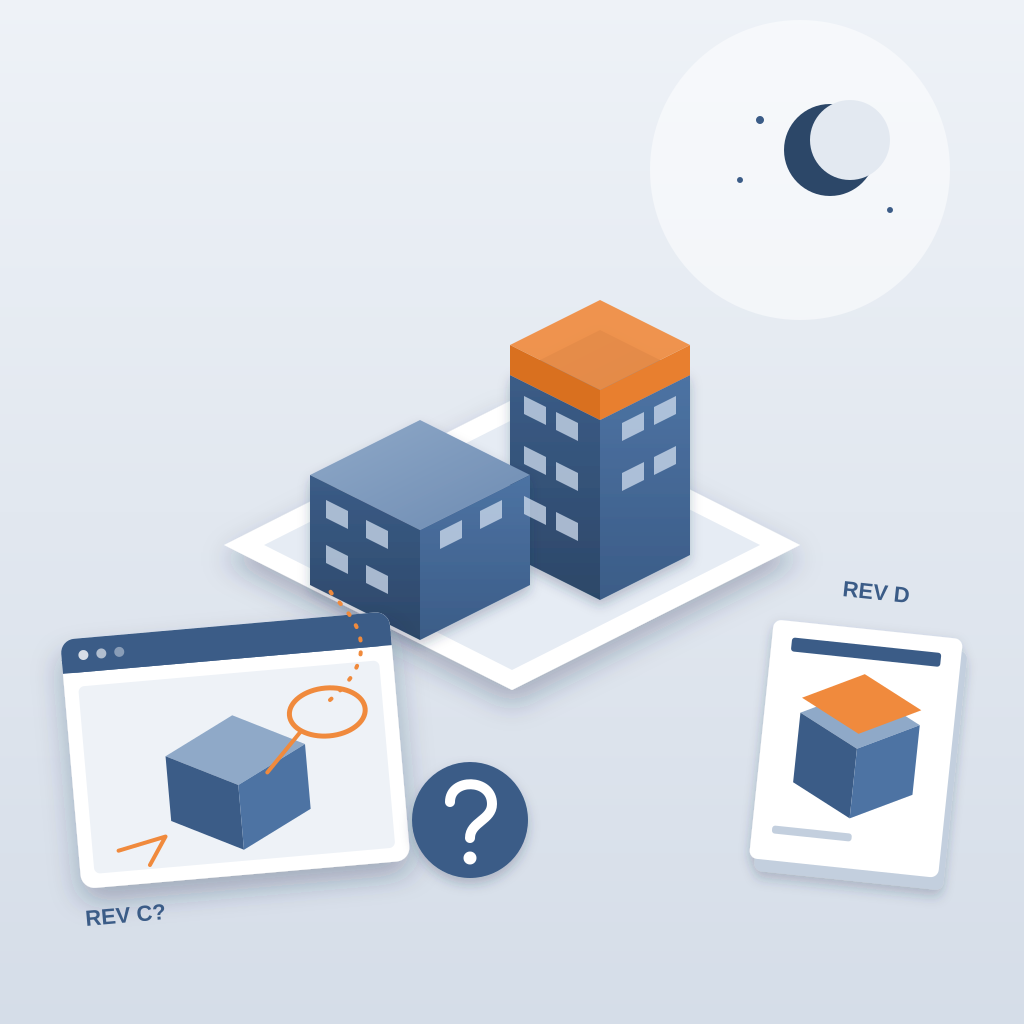
The fix isn't more manual work. It's changing where your answers come from. When your record flows straight from the live Revit model into versioned snapshots, you close the gap between design intent and what the field builds. Your answers become trackable, repeatable and audit-ready. That is the difference between catching a clash in the model for about $50 and finding it on site for $5,000 to $50,000.
You stop being the person with the vague answer. Instead, you show the team exactly where each fact came from: the model geometry, the revision, the author and the milestone. That transparency builds confidence. And confidence keeps meetings short.
Why Scattered Updates and Stale Markups Cost You Money
If you're like most coordinators, your workflow goes something like this: export from Revit, drop the file into a shared folder, mark it up in a PDF, then email the markup around. Maybe you update the issue log if you remember. Then the design changes, and it always does, and you start over. That cycle isn't just slow; it's brittle. Every step introduces error, and errors compound. Somewhere out there is the 47th version of the same markup.
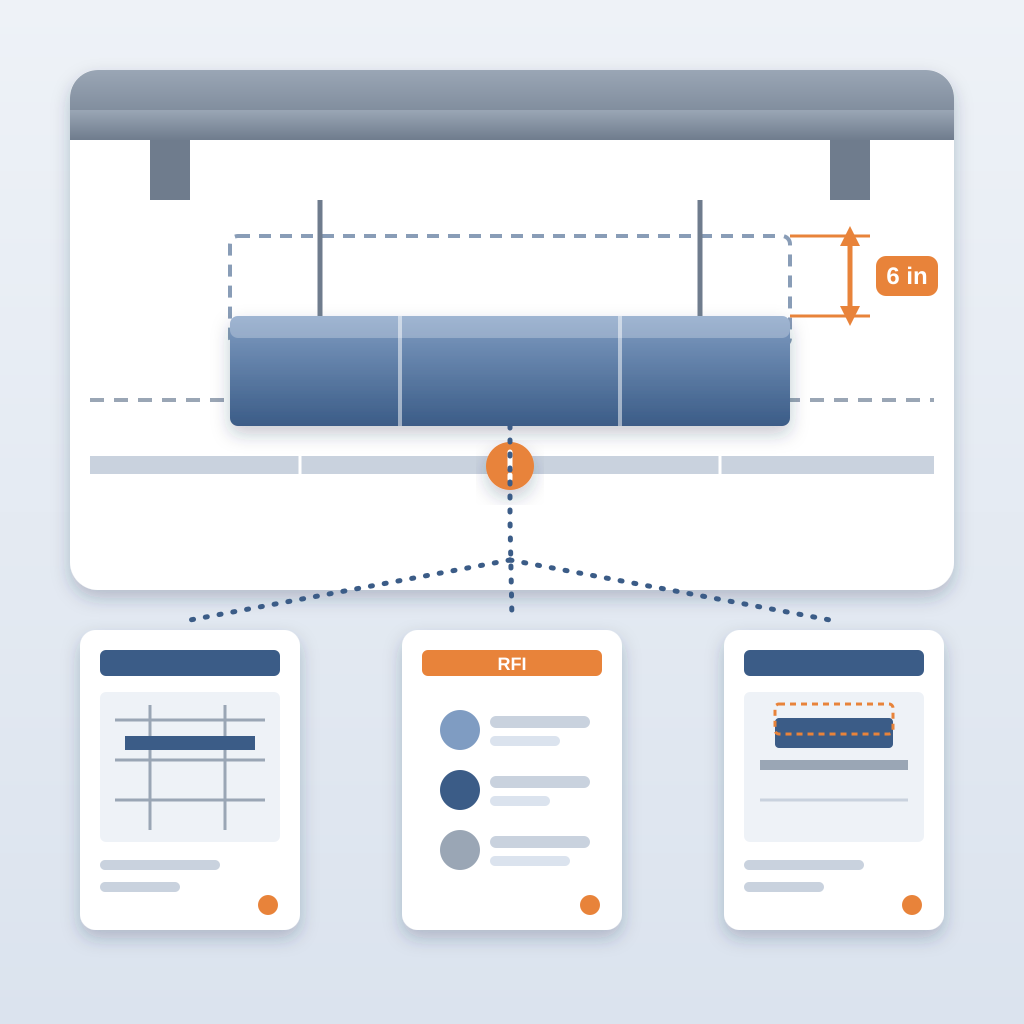
Take a typical scenario: a mechanical duct shifts six inches because the architect adjusted a ceiling height. In a manual workflow, that change triggers a cascade. You re-check which elements are affected, who owns them and which sheets show them. Most coordinators don't have time. They skip the check, hoping small changes don't matter. But they add up. A six-inch duct move can mean rerouting, new supports and a crew standing idle, and an unresolved clash can burn $15K to $50K a week in idle field labour. Miss that, and the schedule slips.
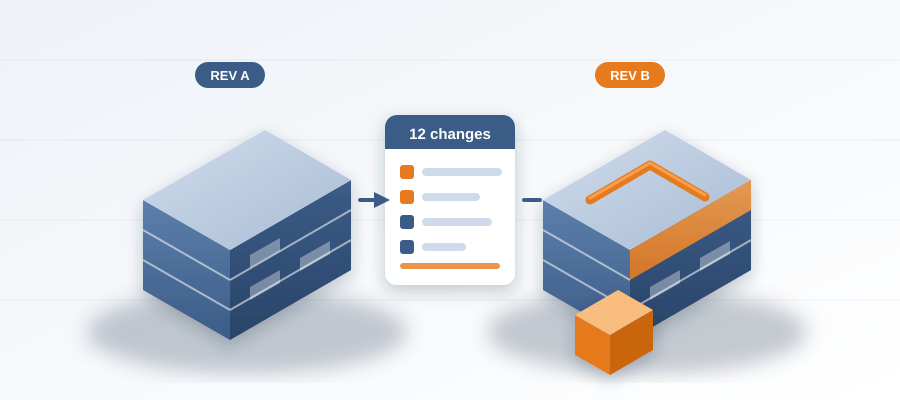
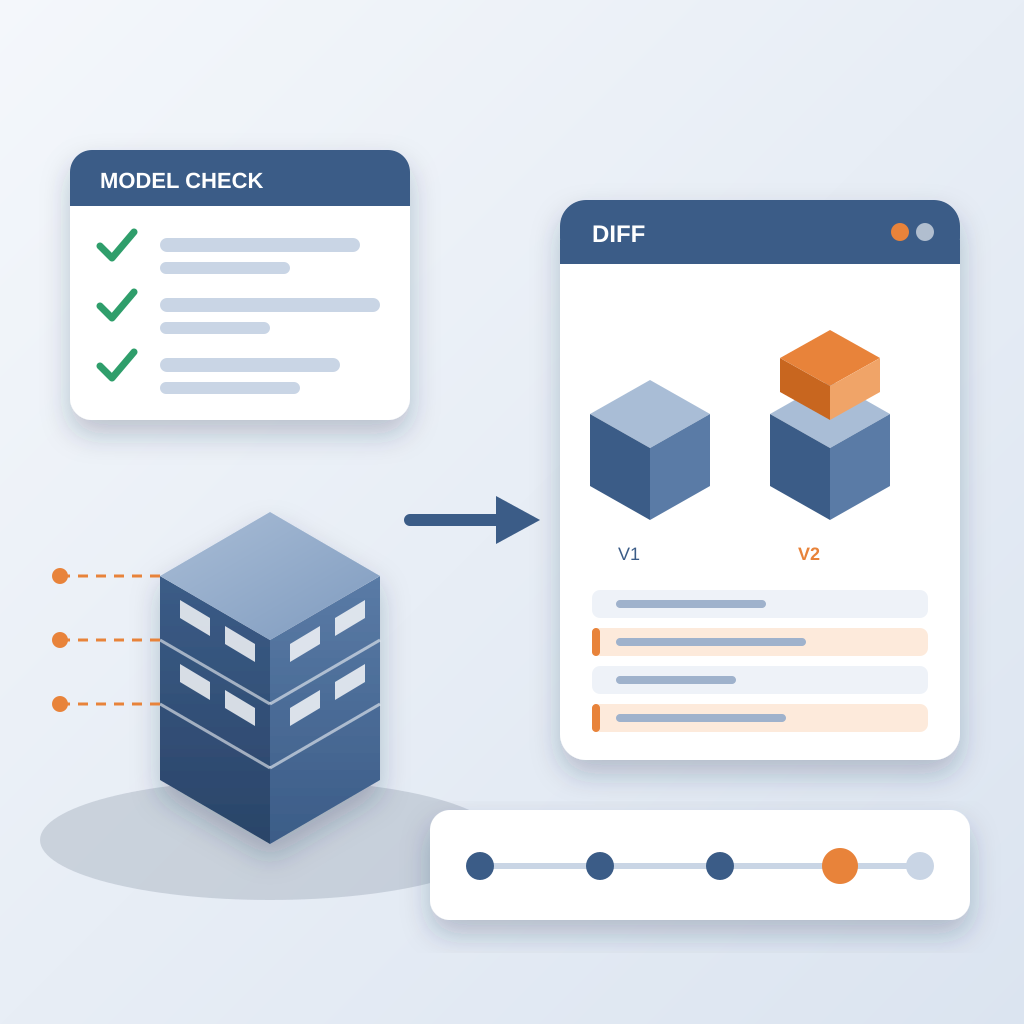
The solution is a live record. BidLight runs inside Revit and Navisworks and publishes straight from the model. No exporting by hand, no re-entering data. Each publish becomes a versioned snapshot, and any two revisions compare element by element. Your record is never stale because it is tied to the model, not a PDF you saved last week.
This shift doesn't just save time. It changes your relationship with the change order. Instead of dreading scope creep, you can show the owner exactly how a design decision touches the model, in about 15 minutes instead of a 90-minute meeting. That quick feedback loop makes you a partner in the design process, not a note-taker. And partners get called early.
How to Make Your Coordination Defensible
A defensible record rests on three pillars: traceable changes, clear ownership and proof of resolution. If any pillar is weak, the record collapses under scrutiny. Most manual workflows fail on all three. You can't trace a change from an exported PDF back to the model without detective work. Ownership lives in someone's head. And closure is a reply saying "done" in an email thread.
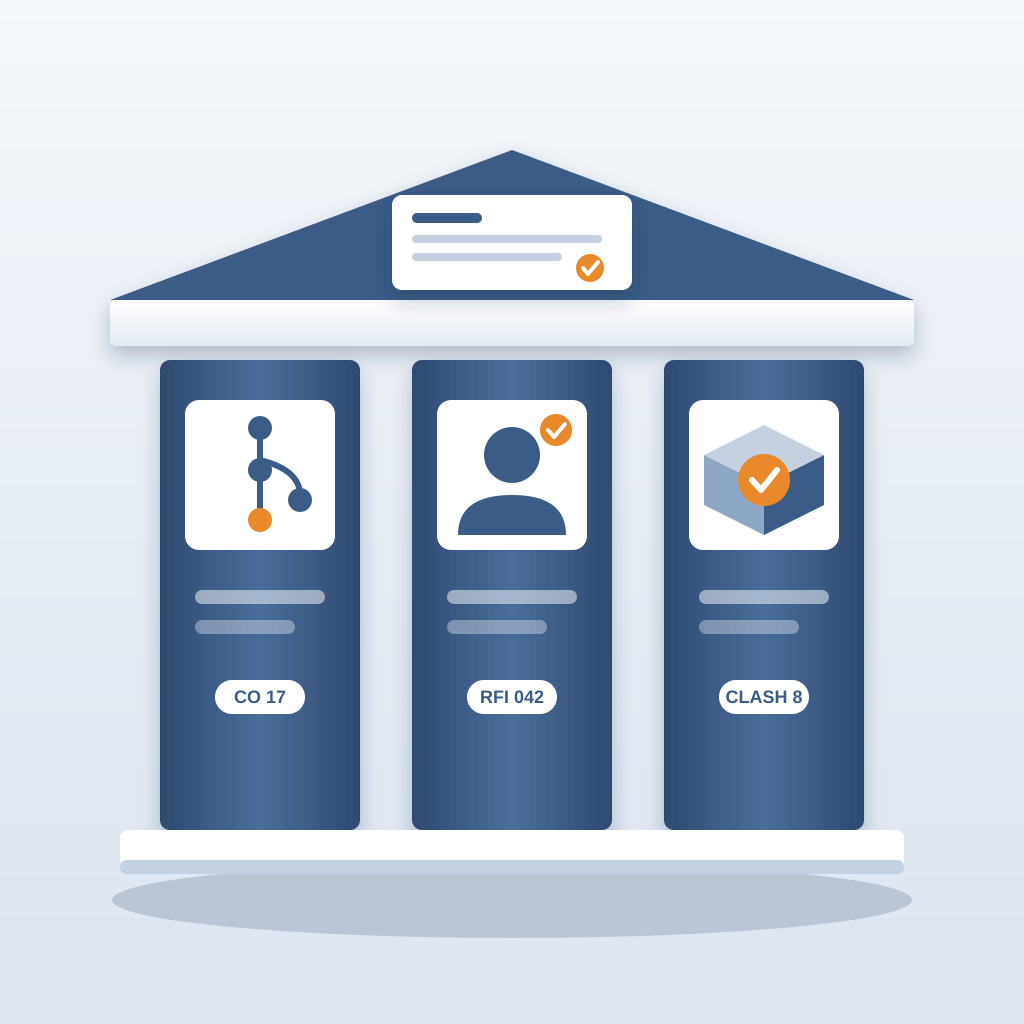
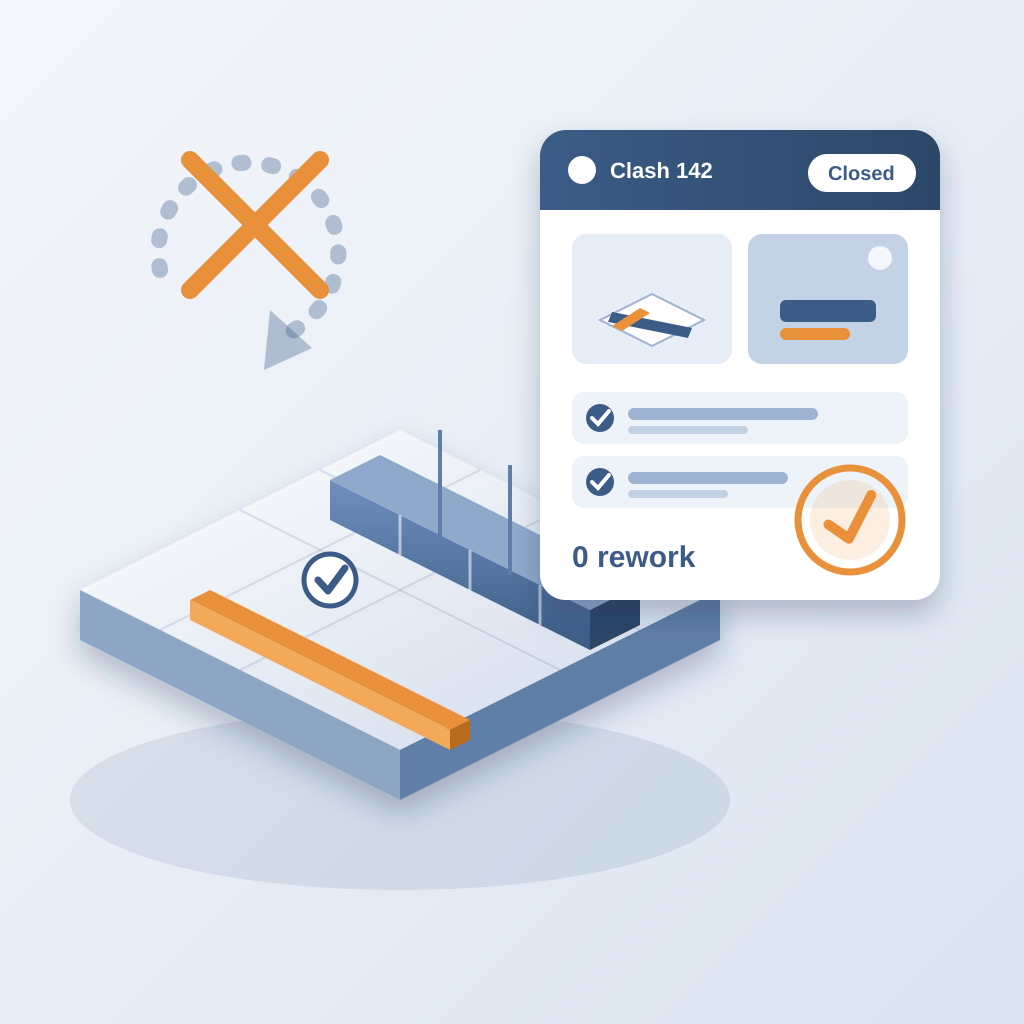
BidLight addresses each pillar. Changes come straight from the Revit model, so every line ties to a specific element you can highlight. Issues pin to that element and carry the sheet and revision that raised them. A closed issue needs a screenshot, a tagged user and the model commit that fixed it. And every publish is a versioned snapshot, so you can show which revision any fact came from. Audit-ready.
But a defensible record isn't just for public projects. It also protects you from disputes later. When someone questions a decision, you show them the model geometry, the issue and the commit. Not "that's what we agreed in a meeting," but "here is the element, here is who fixed it, here is the proof."
To build that record, start with the model. Make sure your Revit model is clean: no duplicate elements, sheets and levels set up properly. Then publish it to BidLight. Review the diff, but trust the record more than memory. If something looks off, drill into the elements. Over time, you build a history that shows how every conflict was found and closed.
The Competitive Advantage of Coordinating in the Model
In construction, information is leverage. The team that sees a change first and routes it to the right owner wins schedule and protects margin. But most firms treat coordination as overhead, a necessary evil, rather than the place where money is saved. That's a mistake. When you coordinate in the model, you free your best people to focus on the field.
Consider the alternative. Another team is still reconciling versions by hand, losing about 11 hours a week working out which model is current. They update their issue log at the last minute while you are already talking to the general contractor about what a design tweak touches. They're hoping their record is close enough; you know yours is right. That advantage compounds. Over a year, you hold shorter meetings, close more issues and carry less rework.
BidLight's per-person resolution rates, the Problem Solver Index, make ownership visible without chasing. The 6am digest tells every owner what is theirs. The project view shows who is behind while there is still schedule left to move work. And the integration with Revit means your record never gets disconnected from the design.
But the real win is the chance to stop paying for the same problem twice. Many teams close an issue, then see it come back on site because nothing proved the fix. With BidLight, an issue closes only with proof, so the same problem does not come back. You're not just tracking; you're controlling cost on the job.
From Guesswork to a Gold Standard: A Blueprint for Change
How do you start making the shift? First, acknowledge that your current process is costing you. If you rely on emailed markups, disconnected spreadsheets or a shared folder of exports, you're leaving money on the table. Second, choose a tool that closes the gap between the model and the record. BidLight is built for teams that want a defensible record without slowing down.
Start with a pilot project. Publish a mid-size Revit model you know well. Compare two revisions and check the diff against what you know changed. You'll likely see things you missed, elements moved between categories, a change that never made it into a meeting. That's fine. Clean up the model, assign owners and publish again. You learn where the model needs attention.
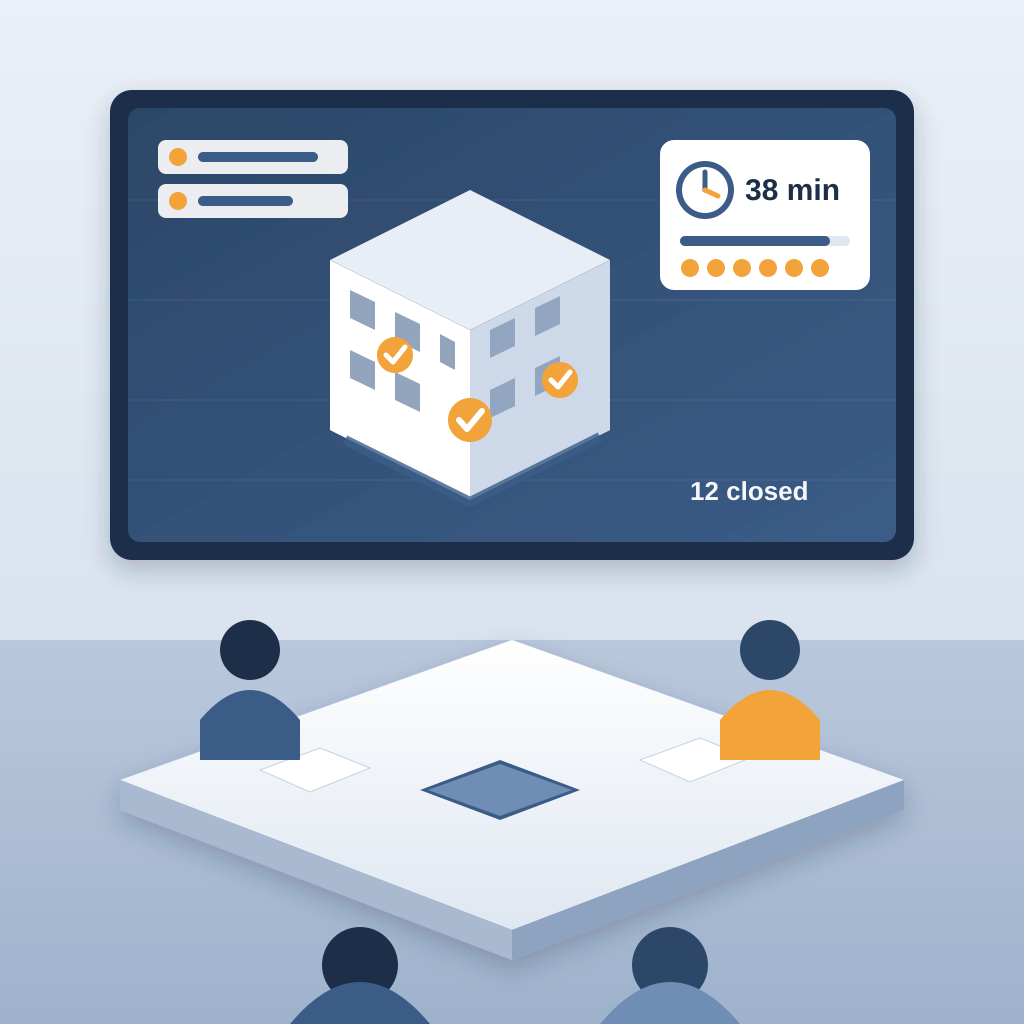
Once you trust the record, run your next coordination meeting from it. Track how long the meeting takes and how many issues close with proof. But the measurement isn't just about speed. It's about confidence. You'll no longer lie awake worrying that someone is building from the wrong version. You'll walk into the meeting knowing what changed and who owns it.
Public projects demand defensible records. Private clients expect them too. The era of the guess is ending. Teams that work from a live, model-based record will set the pace for the next decade. Those that cling to emailed markups will wonder why the field keeps finding their clashes first. The answer is simple: they stopped guessing and started tracking.