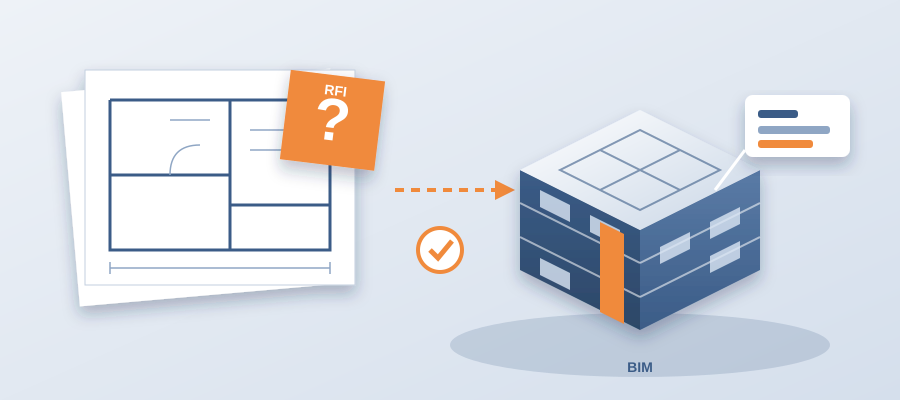
The RFI Your Model Could Have Answered
Your Superintendent Spent Tuesday Morning Measuring Something the Model Already Answered
The question went out Monday at 4:40 PM. A ceiling height at grid line C4 didn't match the reflected plan. By Tuesday at 7:15 AM your superintendent was on a lift with a tape measure, an architect was checking a detail sheet, and an estimator was rebuilding one line item for the third time. The answer was sitting in the Revit model the whole time, waiting for somebody to query it.
That is the shape of most RFIs. They are not hard questions. They are questions where the model, the sheet, and the spec disagree, and nobody can say which one wins fast enough to keep working. So the field waits, the office digs, and the clock runs on labor you already committed to.
Run the math on one RFI. Two hours of superintendent time at $95. An hour of PM coordination. Forty minutes of architect review. An estimator touching the estimate so the number holds. You are at $400 to $500 before anyone swings a hammer, and that is the cheap version. If the answer comes back Thursday and two crews sat Wednesday, you are into four figures.
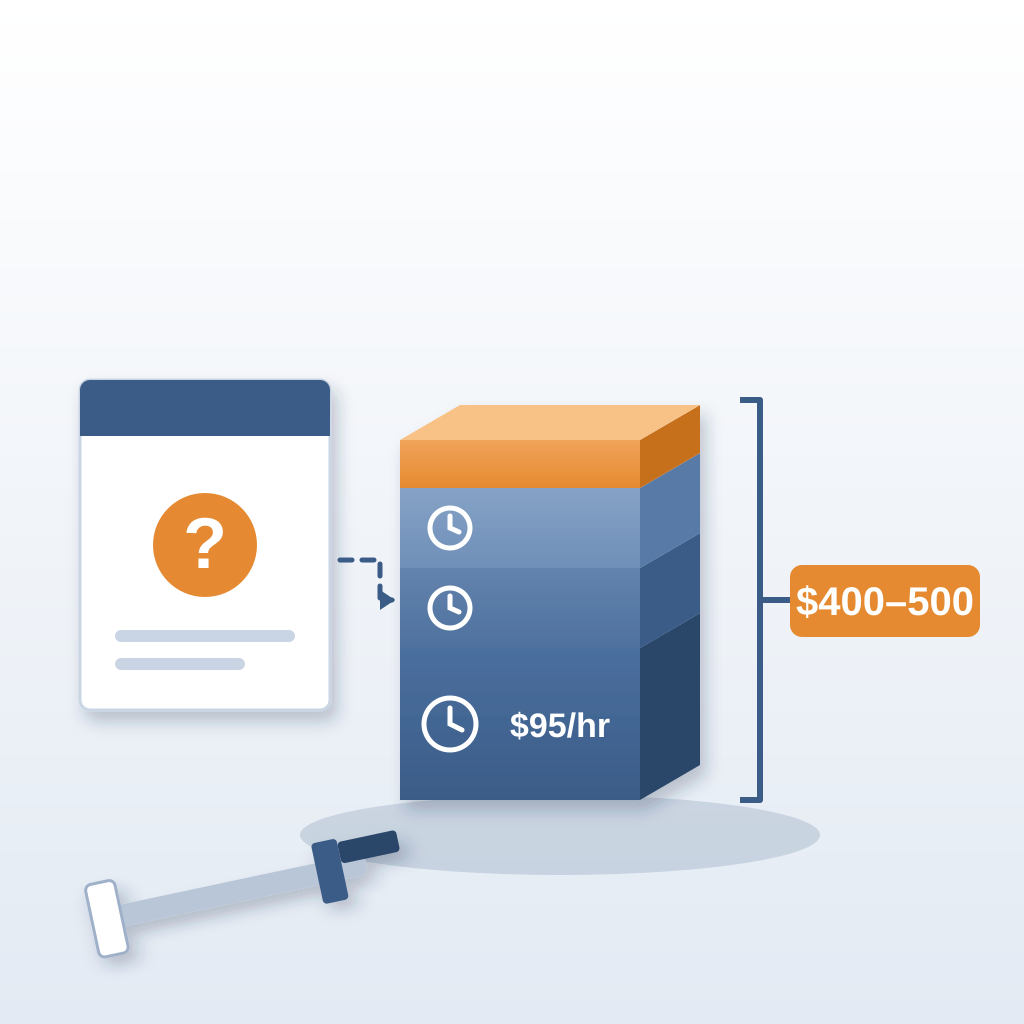
Now count RFIs on a mid-size commercial job. Fifty is a light project. A hundred and fifty happens. If half of them are questions the model already answers, you are burning $10,000 to $30,000 on measuring things you already drew, plus the idle time that never makes it into the RFI log.
The fix is not fewer RFIs. The fix is not answering faster. The fix is never sending the RFI, because the answer was one query away in a model that stays live while the design changes.
Why Most RFIs Are Model Questions Wearing a Paper Costume
Traditional cost estimating in AEC runs on documents. A PDF set gets issued, an estimator marks it up, quantities get typed into a spreadsheet, and pricing gets attached. The model exists, but it lives in a separate lane owned by the BIM team. Nobody estimating off it, nobody fielding off it, and nobody checking whether the sheet the superintendent is holding matches the geometry in the file.
That split is where RFIs come from. The architect's detail shows a 9-foot ceiling. The model says 9 feet 6 inches because the duct main demanded the extra 6. Neither is wrong. They disagree, and the disagreement costs money until somebody reconciles them. With a paper workflow, the reconciliation is an RFI. With a live model, it is a clashing dimension you catch before the question ever gets typed.
BIM versus traditional cost estimating in AEC is not really about software. It is about where the truth lives. In traditional estimating, truth lives in the issued set, and the set goes stale the moment the architect touches anything. In a model-driven workflow, truth lives in one record that updates. The estimate rides the same geometry the field will build from, so a disagreement between sheet and model is a five-minute check, not a three-day exchange.
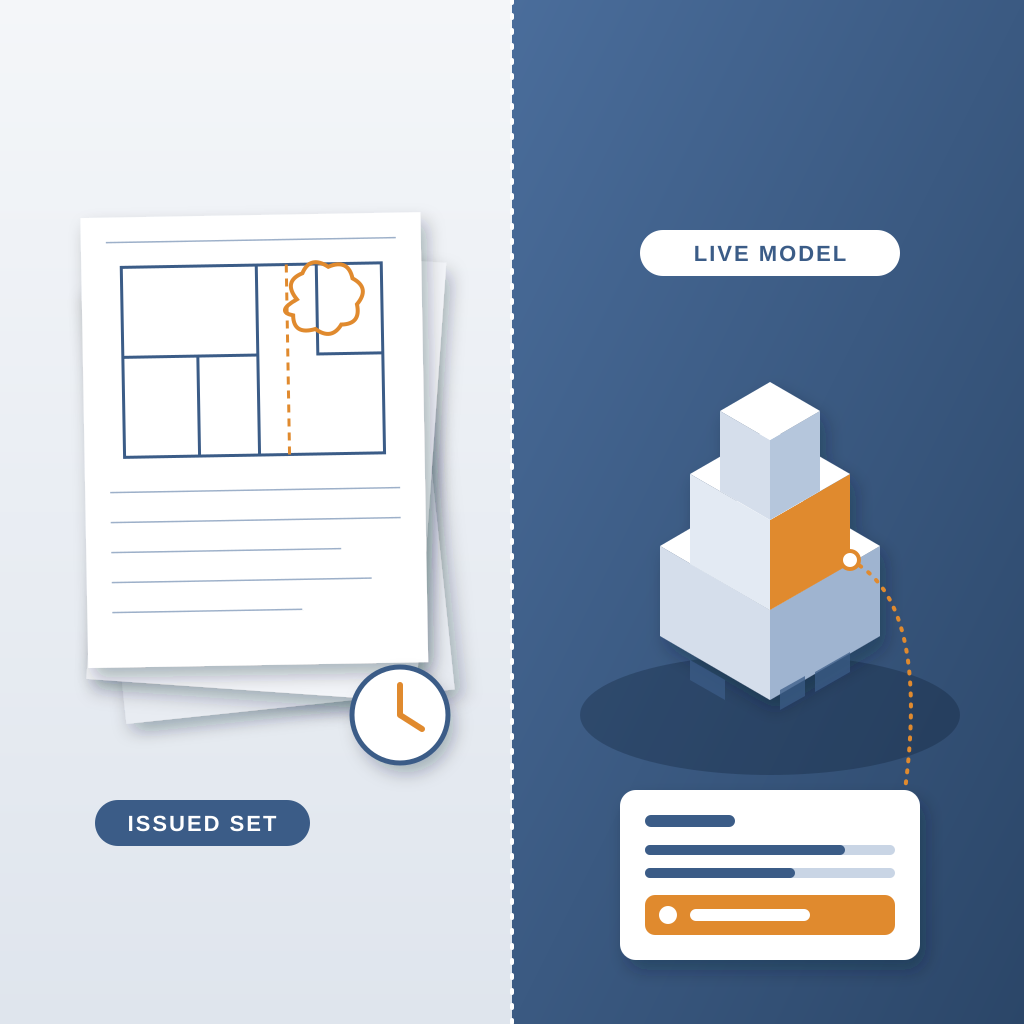
Here is the practical version. When you run a Revit quantity-takeoff-to-estimate workflow, every wall, door, and duct in the estimate is traceable to a real element with an ID. When someone asks why the estimate says 1,187 doors, you click the element and answer. When the count changes to 1,204, the estimate moves with it. The question never becomes an RFI because the answer is already a click deep in the model.
That traceability is the whole point. It changes what an RFI is. Most of them stop existing.
What One RFI Costs You, Priced Honestly
Let me price a real one. A mechanical RFI on a 180,000-square-foot office job. The question: does the VAV box at level 3 north serve one zone or two. The estimator built the estimate off a schematic that showed one. The mechanical drawings show two. The model shows one because it was modeled from the schematic.
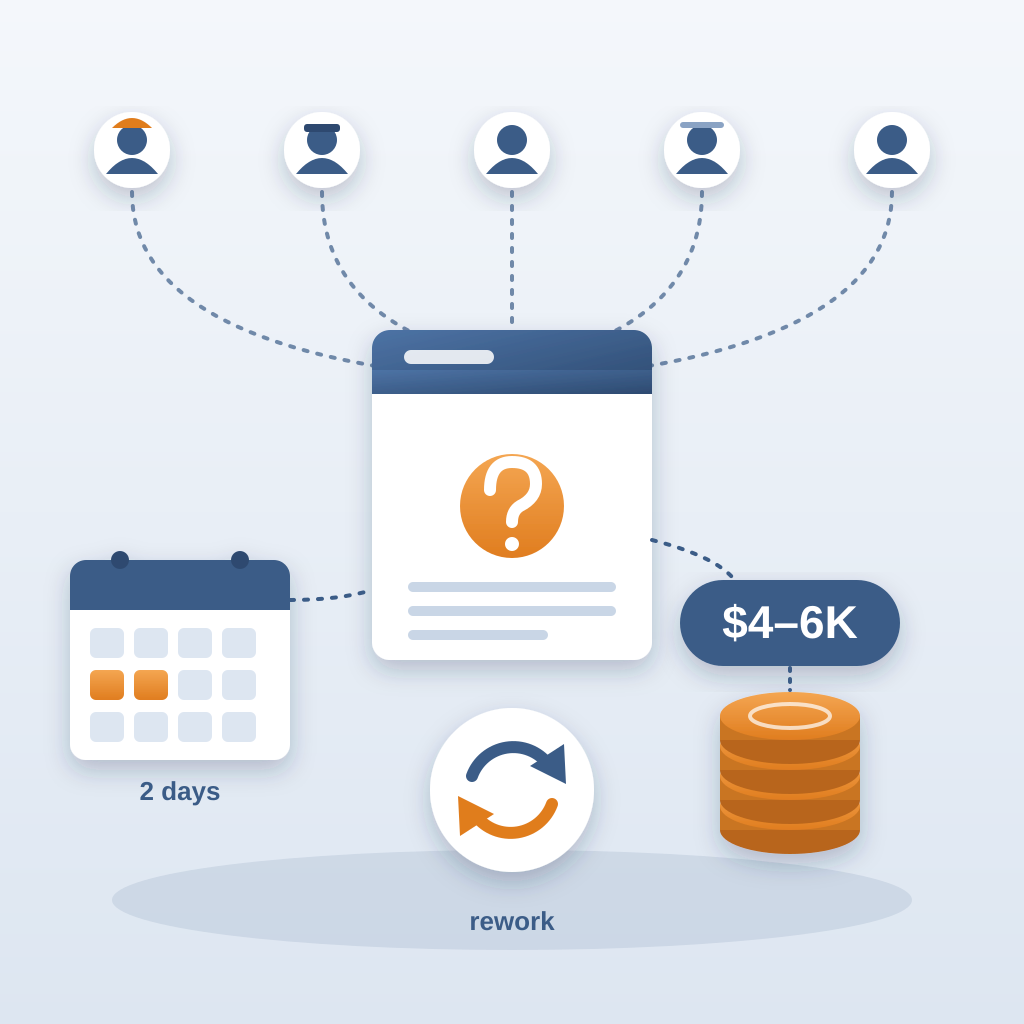
The write-up takes 45 minutes. Two phone calls and one email chain take another hour. The architect confirms two, changes the schematic, and issues a response in two days. The estimator reworks the mechanical line item, which shifts the total by $14,700 and touches three other cost codes. The PM adjusts the buyout list. The field, meanwhile, has been told to hold on that section and shifted three guys to a different floor for a day and a half.
Add it up. Superintendent time, PM time, estimator time, architect time, two days of design delay on one system, and the rework. You are at $4,000 to $6,000 for one question. That does not include the schedule pressure, the buyout that got rebid, or the fact that your estimate total changed after you had a number in front of the client.
Now the alternative. The duct main in the model conflicts with the ceiling height. In a live record, that conflict surfaces as a diff before it becomes an RFI. You answer it in ten minutes with a screenshot and a cost delta of $14,700 attached. No write-up, no lift time, no rework of the estimate, no delay on the system. The number moves in the model, not in a spreadsheet three days later.
What a Live Model Actually Changes About the Question
BidLight keeps one live record of the project inside Revit and Navisworks. That sounds like a small claim. It is the whole game. When the model is the record, the answer to 'what does the drawing show' and 'what does the estimate say' is the same answer. You export the model and get labor, equipment, material, and time costs in minutes. Change a wall in the model, and the number moves with it.
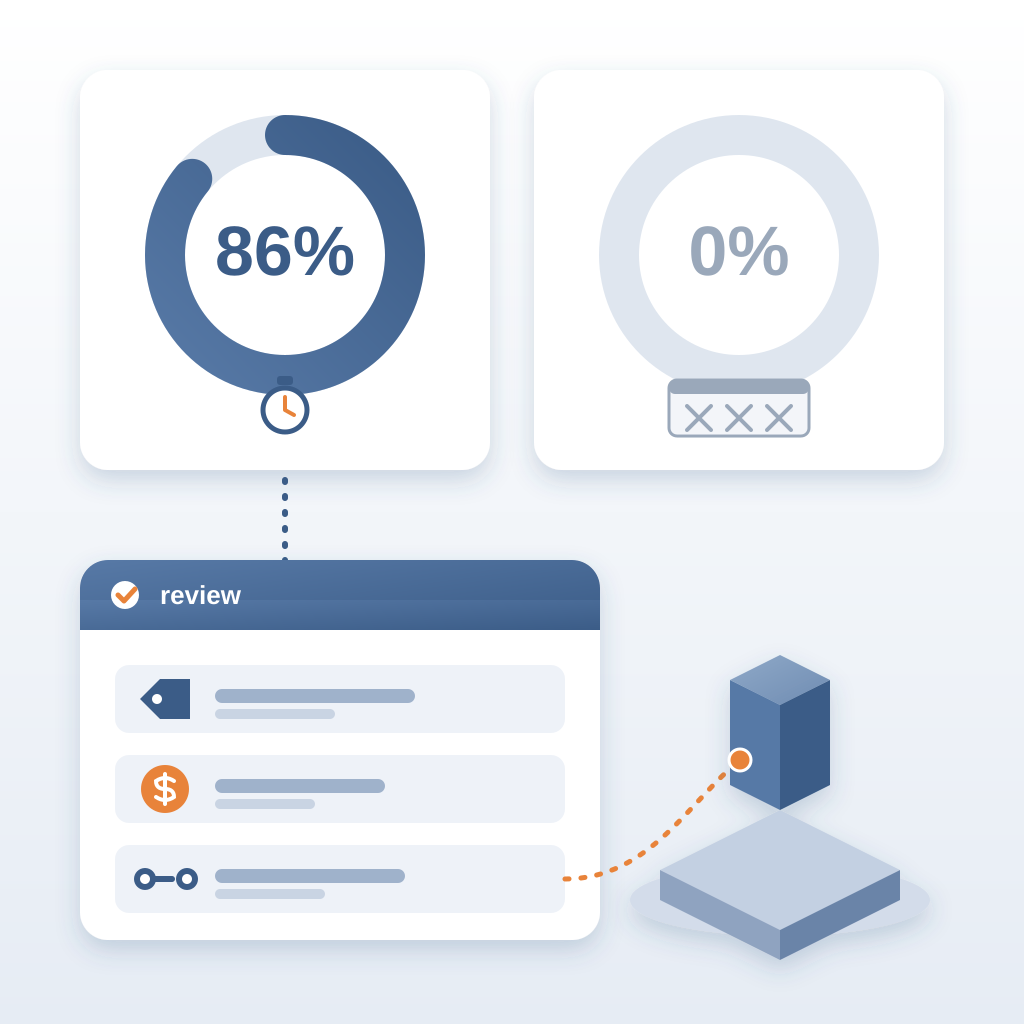
Two AI models read geometry and metadata and classify BOQ line items at 86% accuracy. That matters for RFIs because most RFI questions are about quantity, location, or classification. Two VAV boxes, not one. Sixteen feet of duct, not eleven. A door type that lives in a different cost code than the estimator assumed. Machine learning construction cost prediction here is not a black box telling you a lump sum. It is a classifier reading the same elements the field will install, then attaching current pricing from a roughly $30,000 database plus Craftsman, 1Build, and RSMeans.
The accuracy number is worth saying plainly. 86% is not 100%, and you still review. But 86% answered in seconds beats 0% answered in three days. And the item you do review is already classified, priced, and traceable to a model element, so reviewing it takes a minute instead of a morning.
Accuracy aside, the real change is speed. Estimates come back in minutes. Fifteen instead of 90 for a routine takeoff. When an RFI question comes in, the estimator does not have to rebuild the affected line item from scratch to see whether it matters. They open the model, find the element, and watch the cost delta appear. That is the difference between a two-day RFI cycle and a ten-minute answer.
The second-order effect is that you stop hiding behind RFIs. When the model can answer, the conversation shifts to decisions and money instead of document archaeology.
The Money You Stop Losing on Questions You Already Answered
Start counting what goes away. Field labor stops waiting on answers that were already in the model. Superintendents stop measuring ceilings that are modeled to the inch. PMs stop chasing three parties for a two-paragraph answer. Estimators stop rebuilding line items to reflect changes that happened three days ago in a model nobody was pricing off.
One BidLight customer measured about 18,000 hours saved across a year. That is the aggregate version of Tuesday morning, repeated across a firm that stopped sending questions it could answer by opening a file. It is not a productivity slogan. It is superintendent time, estimator time, and PM time that came back to the business when the record went live.
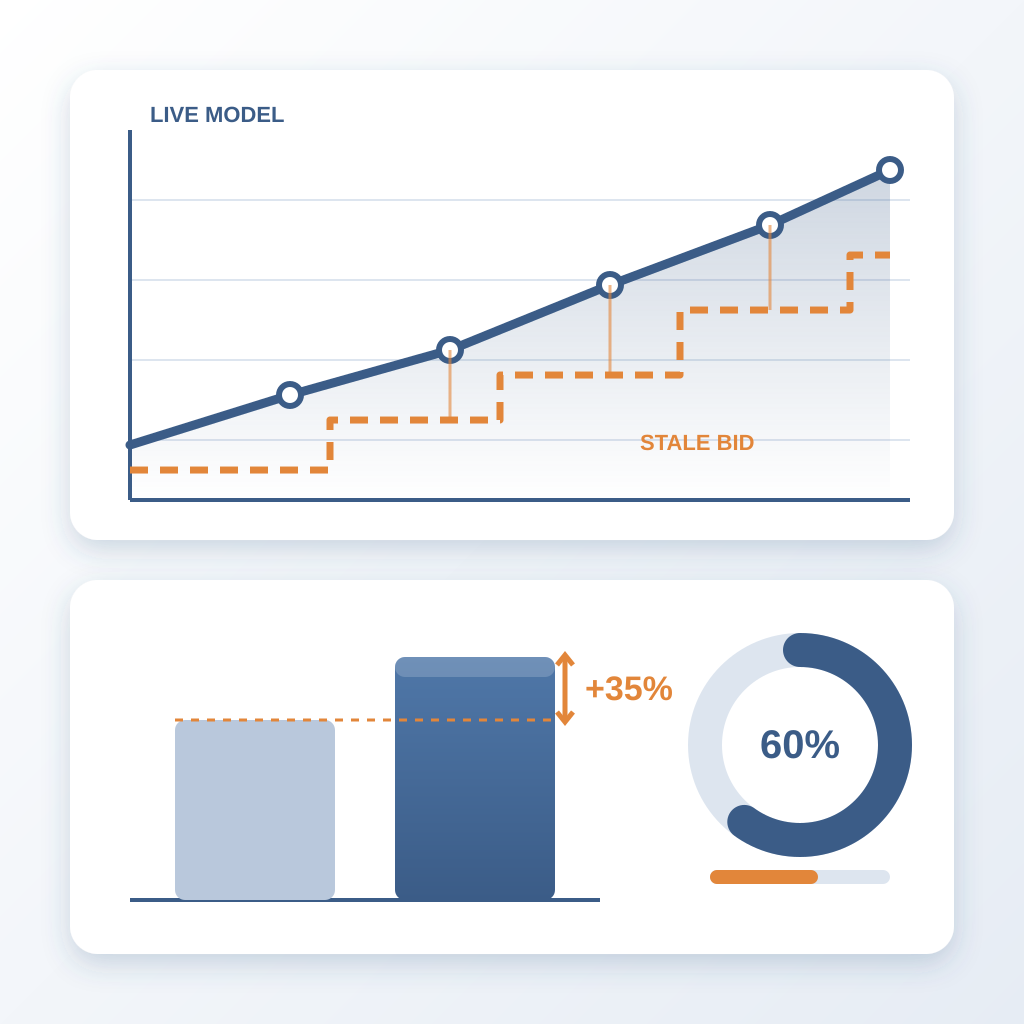
The win rate number matters too. Teams pricing off the live model see roughly 35% higher win rates, because their number moves with the design instead of chasing it. In a hard-bid market, the difference between a bid that holds at 60% design and a bid that holds because you re-priced it Tuesday morning is often the bid.
That is also the pitch for construction cost estimating software in general, and it is why the free download search never ends. Spreadsheets cannot reconcile a model. Estimating tools that live in their own world create their own RFIs, because the number and the geometry never meet. The only thing that kills the question is having the answer in the same file the question is about.
BidLight runs from Basics at $260 per licence per year to Max at $590, with Enterprise priced custom. That is cheap against one avoided RFI. It is trivial against fifty a year.
Turn the Answer Into a Billable Service
Here is the part most firms miss. Once the model can answer RFIs in minutes, the model itself becomes a service you can bill. Preconstruction clients pay for estimates they can defend. Owners pay for coordination that does not wait on paperwork. Architects pay for feedback that arrives while the design is still soft, not three weeks after issue.
BidLight does done-for-you BIM work alongside the software. Execution plans, 4D and 5D, fabrication detailing. Firms that have the tool but not the bench use that to deliver, and firms that already have the bench use the tool to deliver faster. Either way, the deliverable is a priced model that answers questions, not a set of drawings that generates them.
Price the service. A preconstruction estimate with a live model attached is worth more than a spreadsheet, because the client can see the traceability. A 4D schedule priced off the same model is worth more than a Gantt chart, because the quantities and the sequence agree. You are billing for the answer, not for the hours spent hunting it.
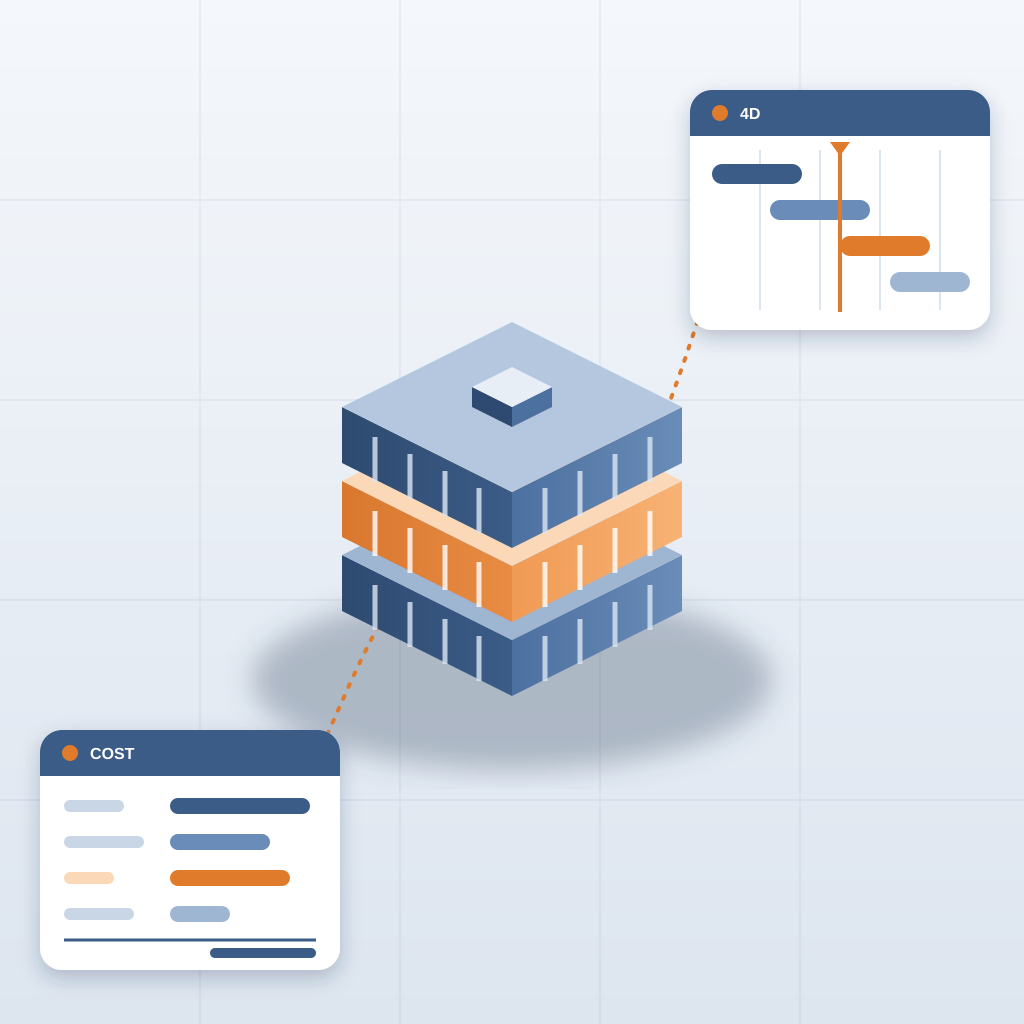
That is the pitch in one line. Stop chasing scattered updates and slow takeoffs. Win more work with numbers you can defend. Turn early estimates into a service you can bill. The mechanism is simple. Cost rides the same model the field builds from, and the question never becomes an RFI because it was answered before anyone typed it.
One live record of the project inside Revit, with cost on the same geometry. That is the answer to the RFI your superintendent spent Tuesday morning measuring.