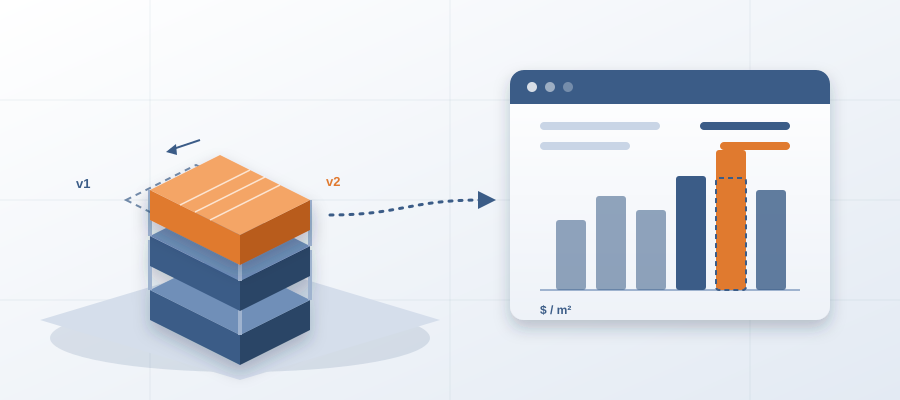
The Model You Priced Last Week Is Already Wrong
The Cost of Stale Data: Why Your Estimate Is Already Wrong
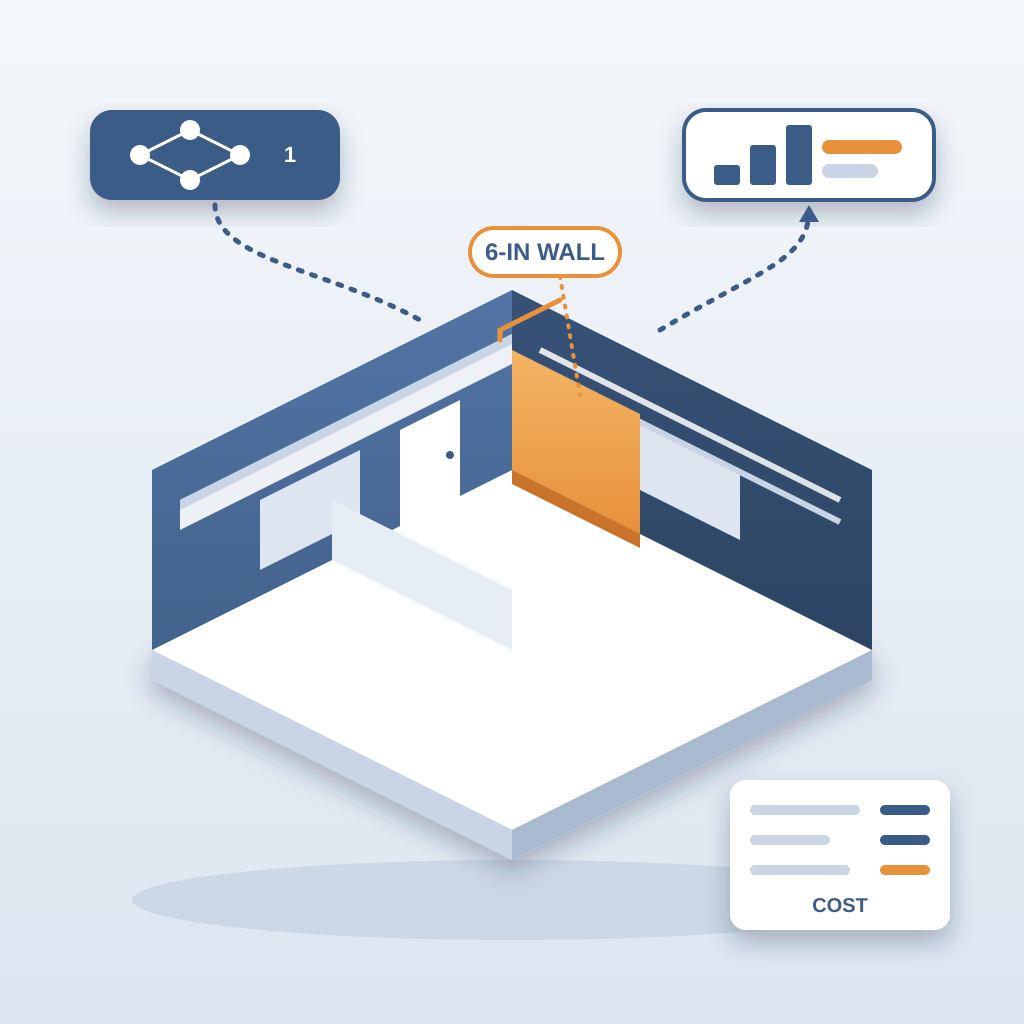
Your Revit model changed this morning. The corridor wall moved six inches. The ceiling type swapped from acoustic tile to drywall with a 1-hour fire rating. Nothing dramatic, just a normal Tuesday. But your estimate is still sitting on last week's export. That gap between the model you're designing and the estimate you're using is where budgets bleed. Every day you wait, the disconnect grows. By the time you catch up, change orders and overruns are already baked in.
Traditional estimating forces you to take a snapshot. Export the model. Run quantities. Send to the estimator. Then the design changes. Re-export. Re-run. Re-send. It's a never-ending cycle of chasing scattered updates. The AEC industry loses billions each year to rework, much of it traced back to stale cost data. When you price a model that's already outdated, you're not estimating. You're guessing. In a competitive bid, guessing costs you bids or profit.
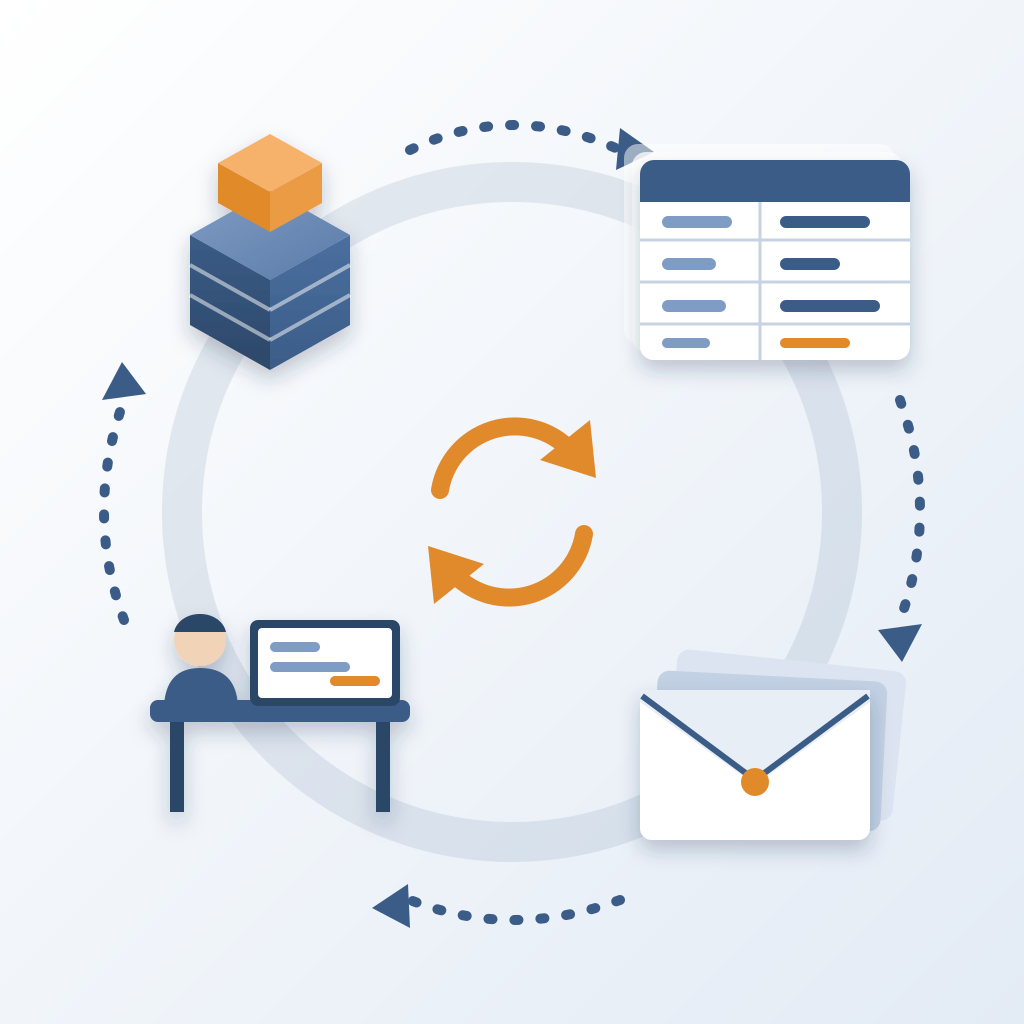
The fix is simple: estimate off the live model. BidLight sits inside Revit and reads geometry and metadata directly. When the wall shifts, your labor and material costs shift with it. No re-export. No spreadsheet. The estimate updates in minutes, not days. You close the gap between design and cost and stop bleeding budget on data that's already stale.
How AI Estimates Construction Costs from Revit Models in Minutes
How does AI estimate construction costs from Revit models? It starts with two machine learning models that read every element in your model, walls, doors, ducts, conduits, everything. The first model classifies geometry: that wall is a 6-inch metal stud with 5/8-inch gypsum each side. The second reads metadata. Fire rating, height, finish, custom parameters. Together they classify each line item with 86% accuracy. Not perfect, but fast enough to catch the big swings before they hit the field.
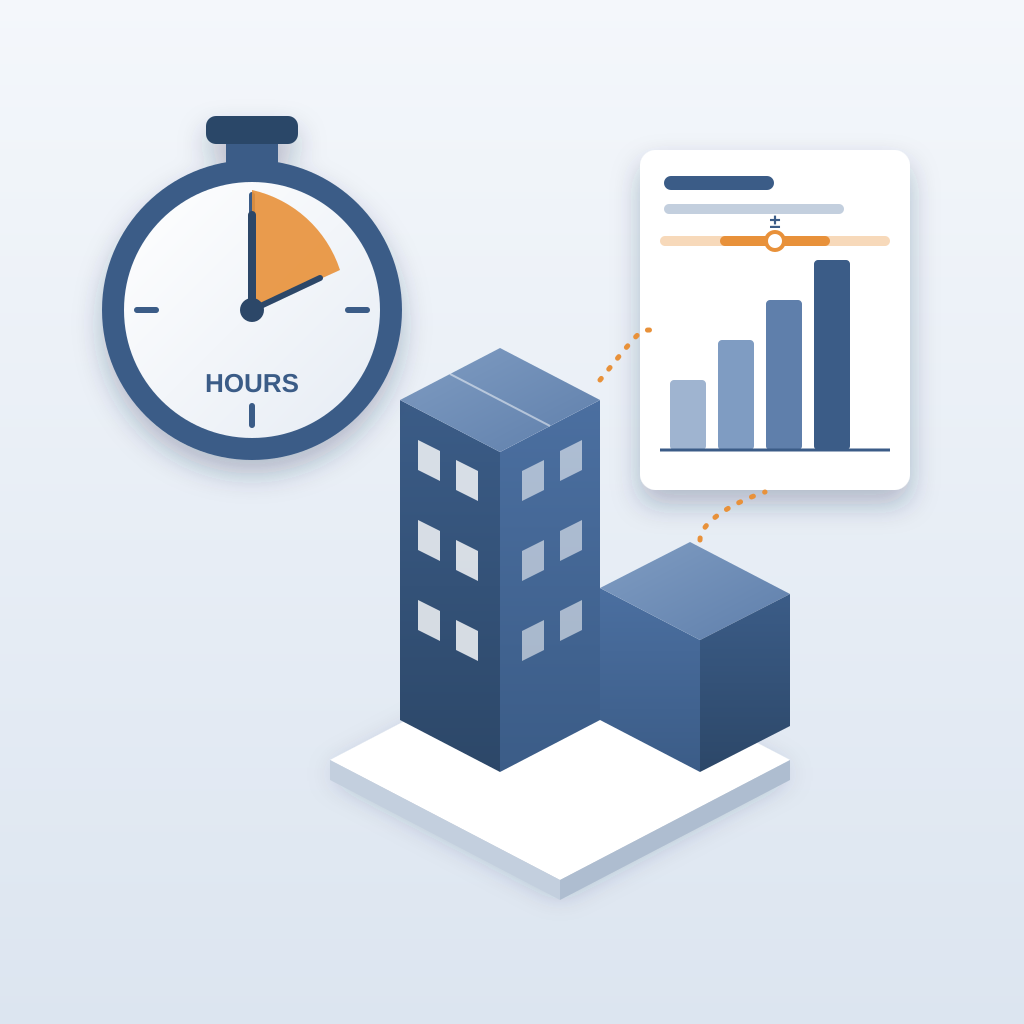
Once classified, BidLight pulls current pricing from a database that costs roughly $30,000 a year to maintain, plus RSMeans, Craftsman, and 1Build. You get labor rates by trade, material costs by region, equipment rental, and productivity factors. The AI generates a BOQ (bill of quantities) with unit costs, quantities, and totals in minutes, where a manual takeoff takes days. BidLight customers have reported 680 hours saved.
The accuracy comes from reading geometry and metadata together. A wall tagged GWB-5 in one firm's model and Partition Type A in another still reads as the same assembly. They reconcile naming conventions, handle custom families, and flag anything that doesn't match. Instead of spending days cleaning up model exports, you spend minutes reviewing AI-generated estimates. You still have the final say. The AI drafts; you approve. You keep control and gain speed.
From BIM to Budget: A Direct Revit Quantity Takeoff to Estimate Workflow
The BIM vs traditional cost estimating debate usually comes down to one thing: time. Traditional estimating means manual takeoffs. Counting lights. Measuring ductwork. Typing into Excel. It's slow, error-prone, and depends on the estimator's skill with a scale and highlighter. BIM-based estimating promises automation, but most tools still require you to export, map parameters, and generate a CSV. You're still doing half the work manually. The Revit quantity takeoff to estimate workflow should be direct. Model changes should flow straight to cost without intermediate steps.
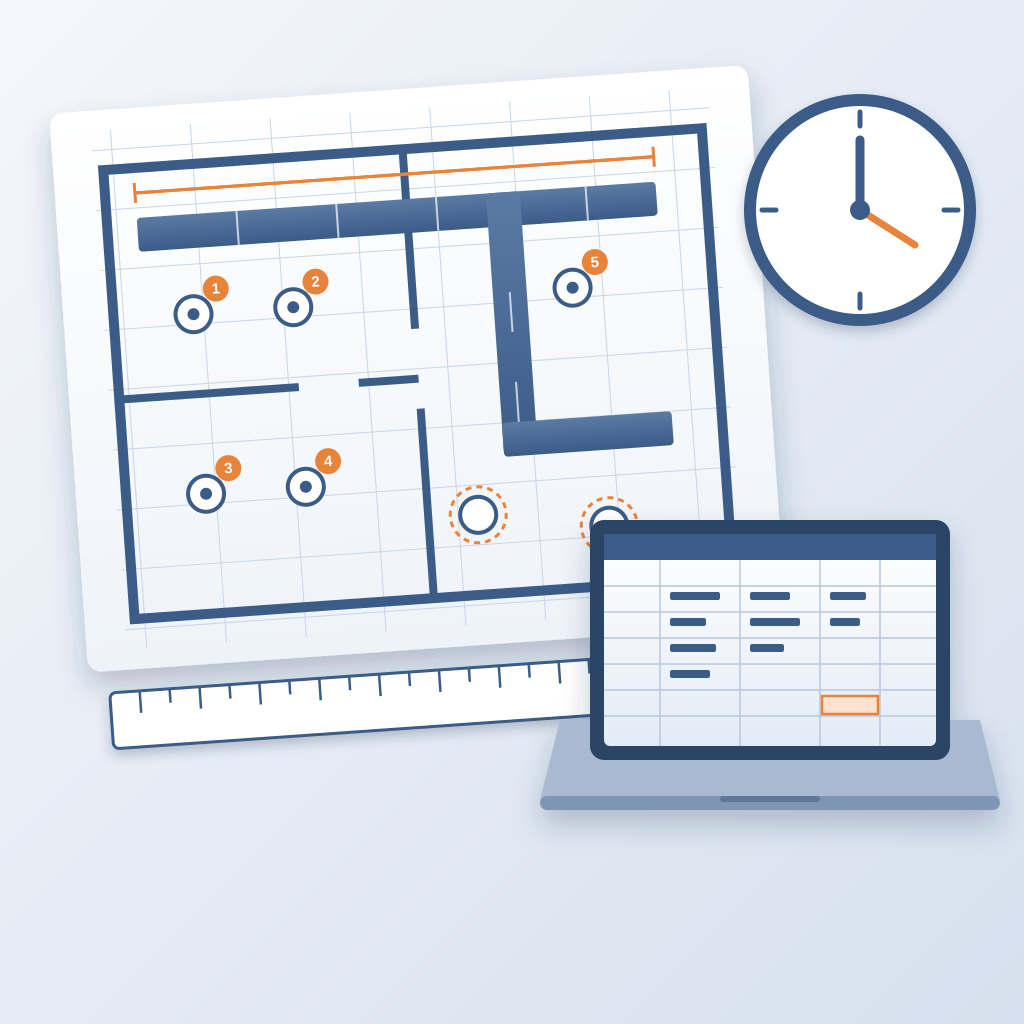
BidLight delivers that. You publish straight from your Revit model to BidLight. The AI does the rest. It generates a line-by-line bill of quantities with unit costs for labor, material, equipment, and time. You review the estimate in the BidLight web workspace. Change the model, and the estimate updates automatically. The workflow is export → AI estimate → review → bid. No exporting to Excel. No maintaining cost databases manually. No training new estimators on your specific takeoff habits.
For the design-build firm that wants to offer early estimates as a billable service, this speed is gold. When a client asks for a budget number during schematic design, you can deliver a rough order-of-magnitude estimate in hours instead of weeks. You refine it as the design develops, always keeping the estimate in sync with the model. The gap between BIM and budget closes completely. You stop producing estimates signed and sealed with a date that's already expired.
Machine Learning Construction Cost Prediction: Beyond Simple Unit Costs
Machine learning construction cost prediction goes beyond multiplying quantity by unit cost. Good estimators know that real cost depends on productivity, local conditions, project complexity, and even season. A steel frame in downtown Chicago costs more per ton than the same frame in rural Indiana, not just because of wage rates, but because of logistics, laydown space, and crane access. Traditional estimating applies a single multiplier and hopes for the best. Machine learning can learn the patterns that drive those variations.
BidLight's models do the classification work: they read every element's geometry and metadata and match it to the right line item. Regional pricing comes from Craftsman, RSMeans, and 1Build alongside BidLight's own database, so unit costs reflect where you are building. You still apply the local judgment no database carries, like crane access or a tight laydown yard. The AI handles the counting; you handle the context.
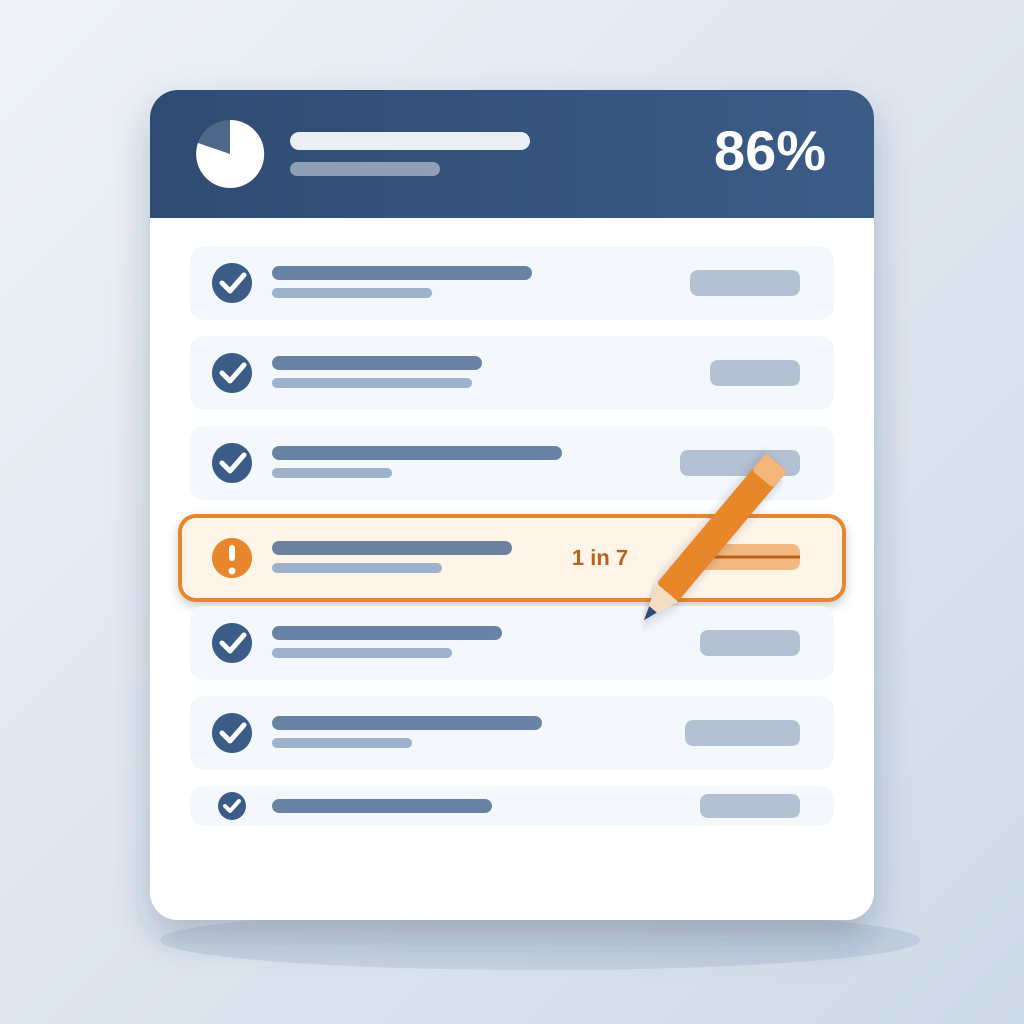
Is it perfect? No. 86% accuracy means about one in seven line items may need manual correction. But that still saves a lot of time. You correct the exceptions instead of building every line by hand, and the estimate stays tied to the current model, not last week's export.
Turn Estimates Into a Billable Service with Real-Time Cost Intelligence
Here's the real opportunity: when you can produce accurate, defensible estimates in minutes, you can sell that as a service. Early-stage clients love getting a budget number before they've chosen a contractor. They need it for owner approval, financing, or value engineering. If you can deliver that estimate in 24 hours instead of two weeks, you can charge a premium. BidLight helps you turn the quantity takeoff from your Revit model into a revenue stream. You offer preconstruction consulting, cost modeling, and even 4D/5D BIM services, all powered by real-time cost intelligence.
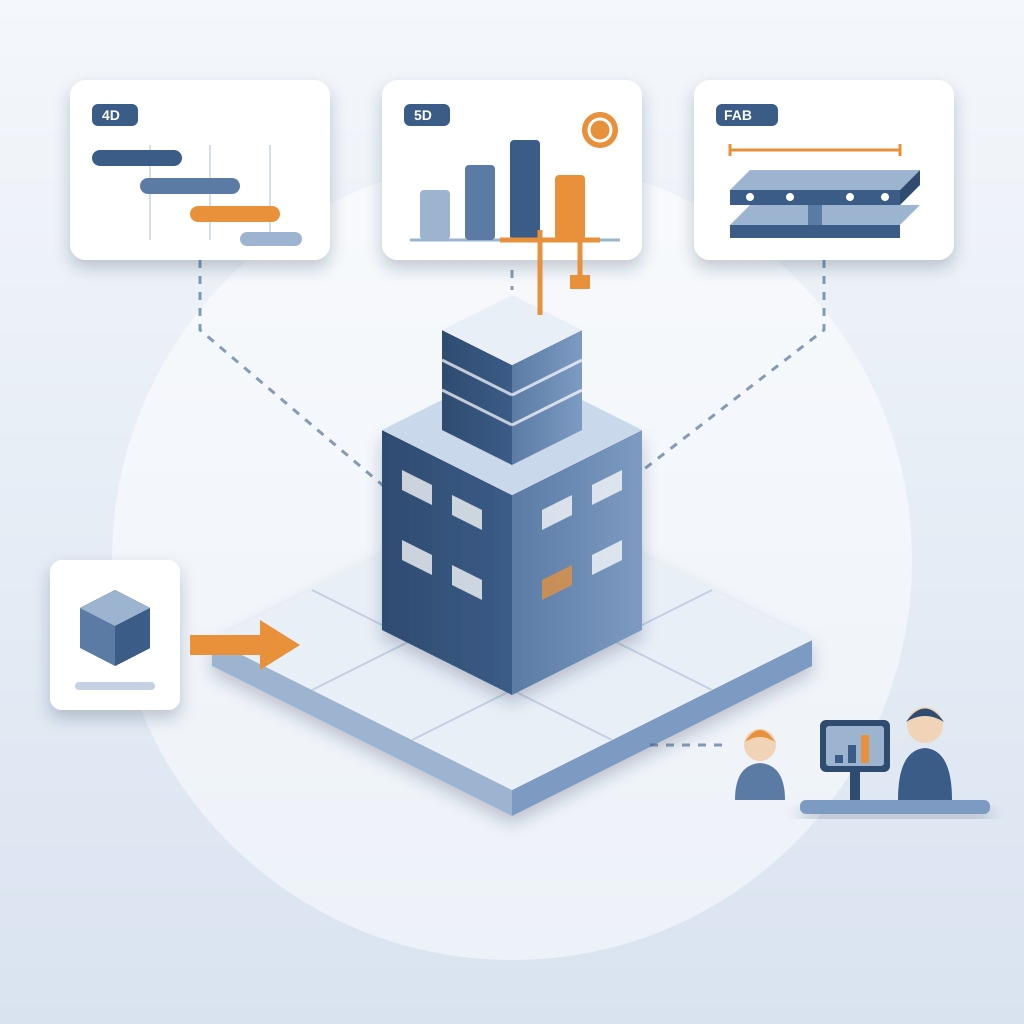
BidLight's done-for-you BIM services take this further. If your firm doesn't have in-house estimators, BidLight does execution plans, 4D/5D simulations, and fabrication detailing. You send the model, and a team of BIM specialists handles the heavy lifting. You win more work because you can demonstrate that your numbers are current, accurate, and tied to the model you're building. BidLight customers see a 35% higher win rate from being able to respond faster and more confidently to bid requests.
Stop chasing scattered updates. Stop redoing takeoffs because a wall moved six inches. The model you priced last week is already wrong, but it doesn't have to stay that way. With BidLight, your estimate matches the model you're actually building. Real-time. Accurate. Defensible. That's the edge you need to win more work and protect your margins.