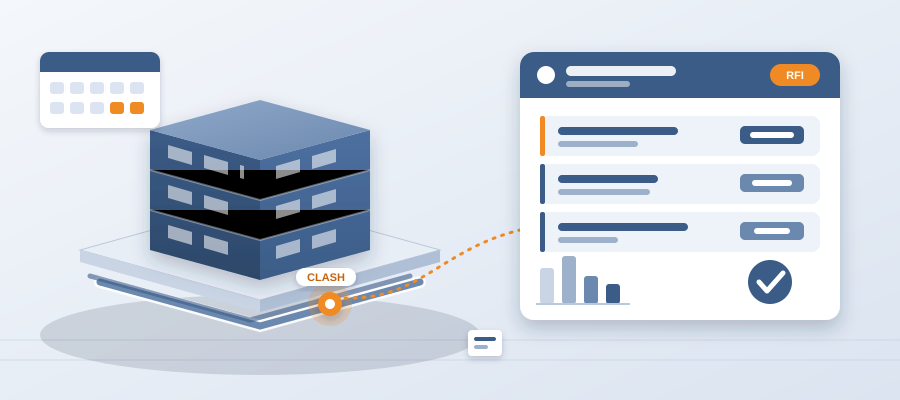
The Lone Coordinator's Toolkit: One Record Instead of a Lost Weekend
The Saturday You Get Back
Picture a small architecture practice. One person designs, coordinates and manages the project. For years, every model revision means a lost weekend. You open the new export, compare it with the last one by eye, hunt through email for the markups that no longer match, and try to work out which version the engineer is looking at. Three full days away from design, from your family, from anything else.
You hate it, but you think it is the only way. Then the work moves into a live record. You publish from the model, the revision compares with the last one element by element, and you can see what changed in about 15 minutes instead of a 90-minute meeting. You spend that Saturday sketching. That is when you realize coordination doesn't have to swallow your life.
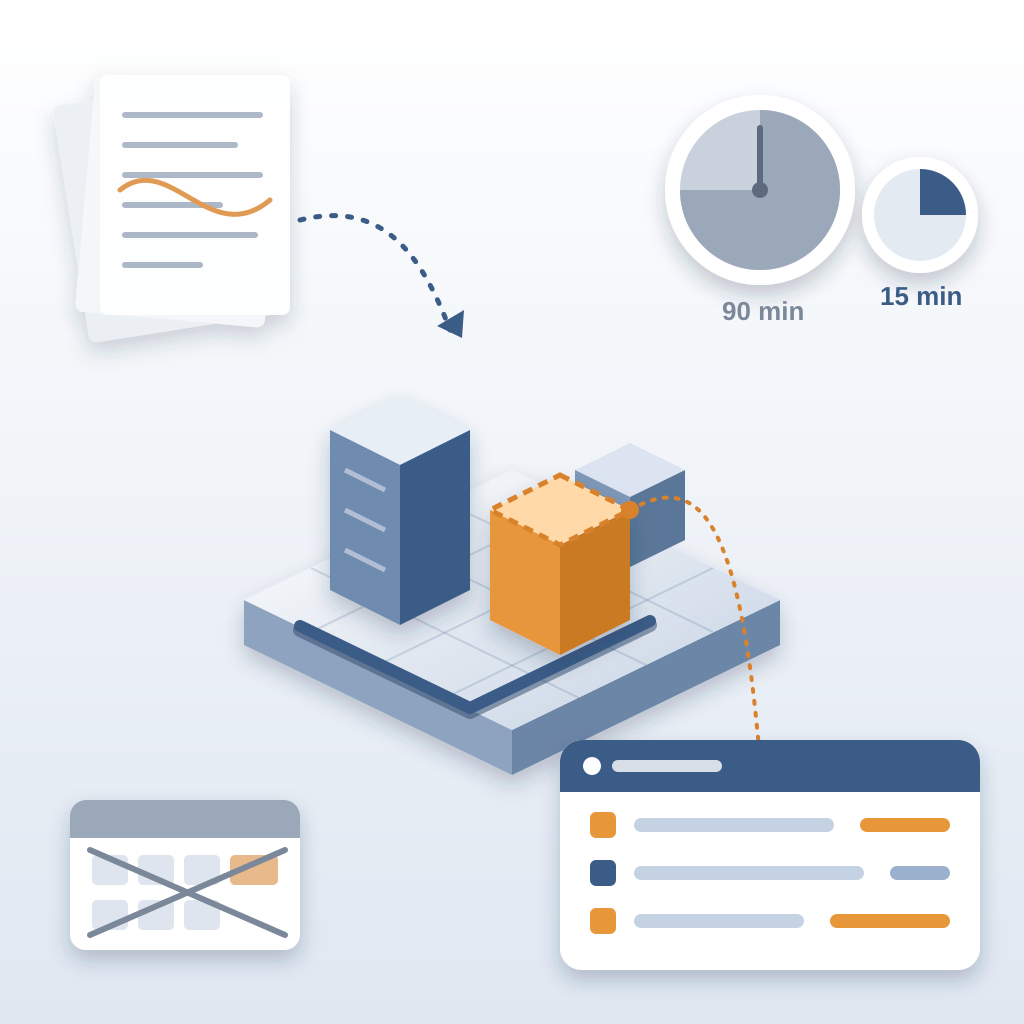
Now you catch problems earlier. You send clear issues instead of long emails. You still have time to design. The hours you save aren't just a number. They're afternoons you get back.
This isn't a fantasy. It lives inside Revit. You publish your model, every export becomes a versioned snapshot, and the changes appear grouped by category. When the design changes, the next publish shows what moved. No more hunting through old exports. No more chasing scattered updates.
Why the Lone Coordinator Struggles with Manual Tracking
If you're the only coordinator in your firm, you know the pain. Every revision starts with a Revit model. You run through each element: walls, floors, roofs, MEP systems. You compare, mark up and type into a spreadsheet. Then you chase the right person for each item. Then you do it again because the architect moved a window.
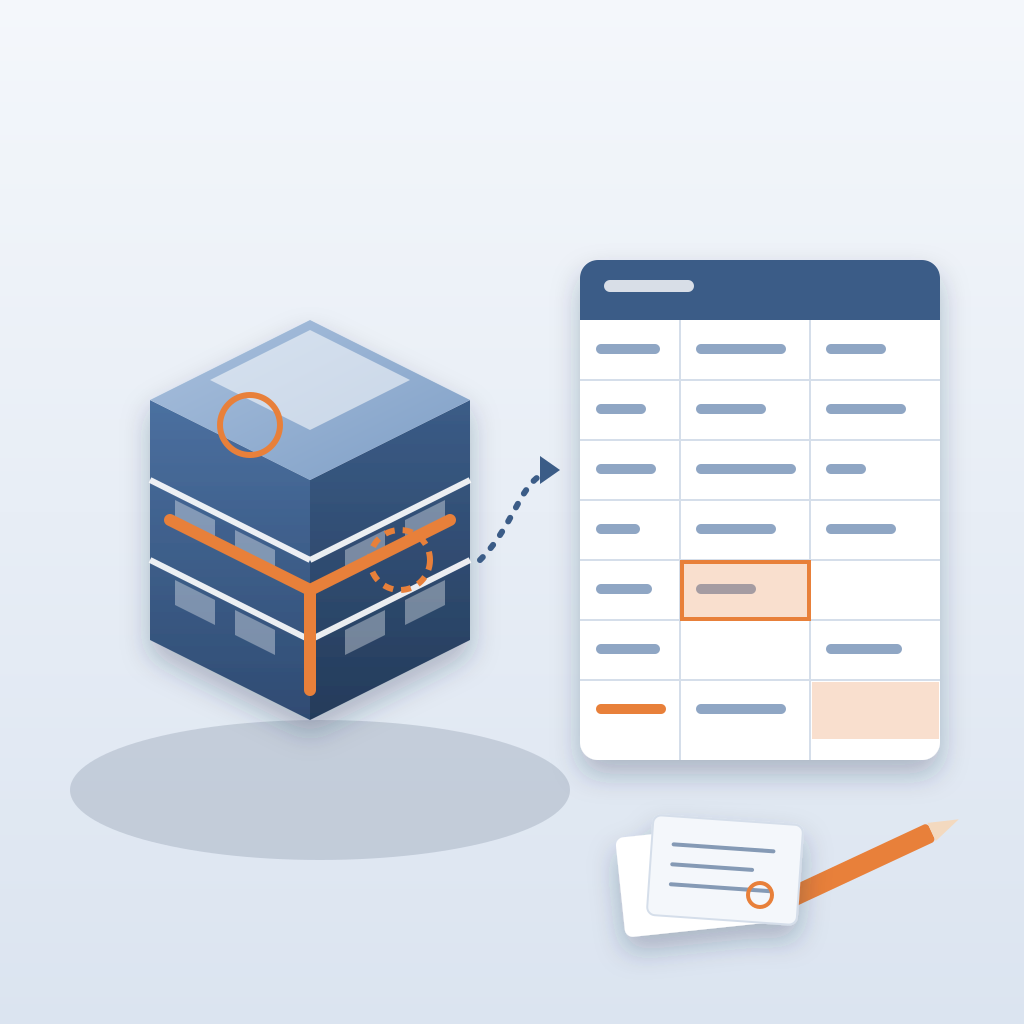
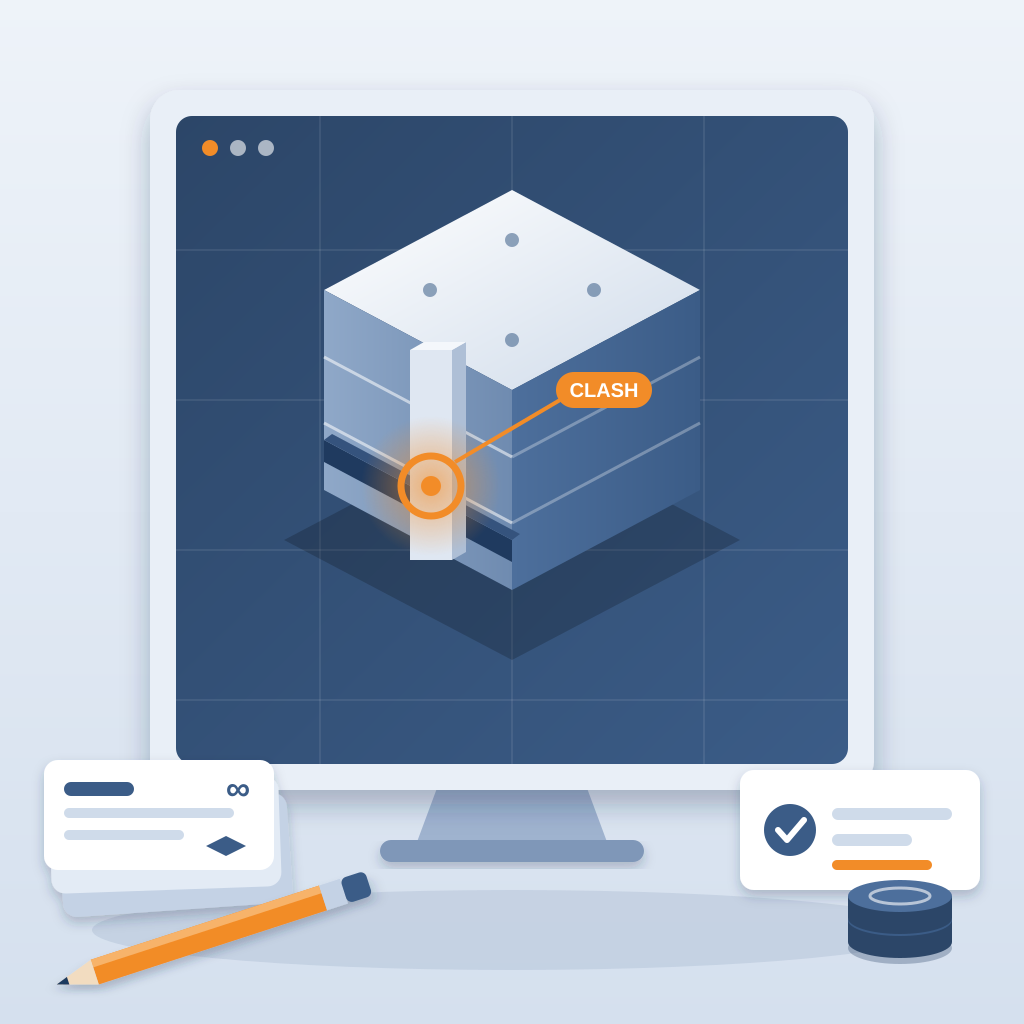
Manual tracking is built for teams. You have a model reviewer, an issue tracker and a person who follows up. But when you're alone, you're all of them. The model changes, and your issue list goes stale. You can't afford to redo a whole review every time someone breathes on the design. So you guess. And guessing sends clashes to the field, where one costs $5,000 to $50,000 instead of about $50 in the model.
BidLight changes that. It compares the model you already have, element by element, with the previous revision. It groups the changes into structural, MEP, envelope and interior. You don't need a team of reviewers. You don't need to trust a vague recollection of what the last version looked like.
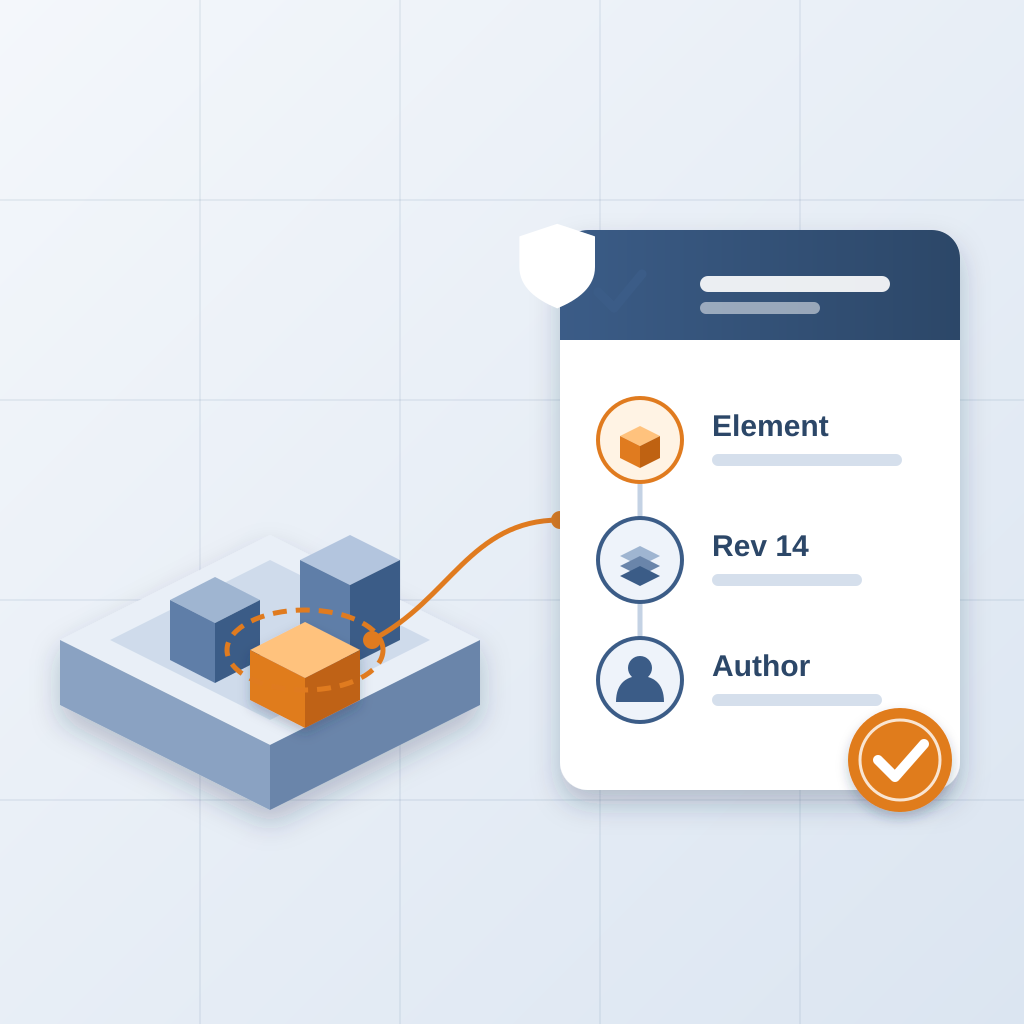
The result is a record you can defend. When someone questions a decision, you show exactly where it came from: the element, the revision and the author. Your coordination becomes a tool for trust, not a source of anxiety.
How a Solo Coordinator Works with BidLight
A solo coordinator now has a simple workflow. Finish a design iteration on Thursday. Publish the model. Compare it with the last revision. Review the changed elements. Pin an issue to each one that touches somebody else's work. The whole process takes minutes.
Send nothing by email. The 6am digest tells each owner the issues that are theirs, and the project view shows who is behind while there is still schedule to recover. While others are still arguing about which version is current, your record already answers it. The secret isn't working faster. It's eliminating the work that shouldn't exist. Hand-built version logs are a relic.
The record updates as the work happens. When the design changes, the diff changes with it. You no longer need to ask whether your picture is current. You know it is. And issues close only with proof: a screenshot, a tagged user and the linked model commit. A closed issue means something, so the same problem does not come back on site.
You handle more projects because each one costs less time. Every plan includes unlimited projects. And you have time to do what you love: design. A single clash caught in the model pays for the licence many times over.
Beyond the Software: Done-for-You BIM Services
BidLight doesn't stop at the software. The team also offers done-for-you BIM work. If you need a BIM execution plan, they build it. If you need 4D sequencing, they handle it. If you need fabrication-level detailing and spooling, they produce it.
This is for firms that want to focus on design but need the technical backbone. You hand over your model, and they return a coordinated BIM package. Plans are transparent: per licence, from Basics at $260 a year ($30/month) to Max at $590 a year ($69/month), with unlimited projects and custom Enterprise options. AIA members get discounts of up to 29%.
For a small firm, the BIM services mean not having to learn complex coordination routines on your own. You publish the model, and the team takes care of the rest. Clashes get resolved in the model, and the time goes back into design.
You can use BidLight for the software alone, or you can lean on the full BIM support. Either way, you stop being a lone coordinator fighting version logs. You become a firm that delivers a coordinated model and a record to match.
Your Next Revision Will Be Different
You don't have to keep spending weekends on version checks. You can start tomorrow. Publish your Revit model to BidLight. Compare it with the last revision. Review the elements that changed and pin the issues that need an owner. Read the 6am digest. All in under an hour.
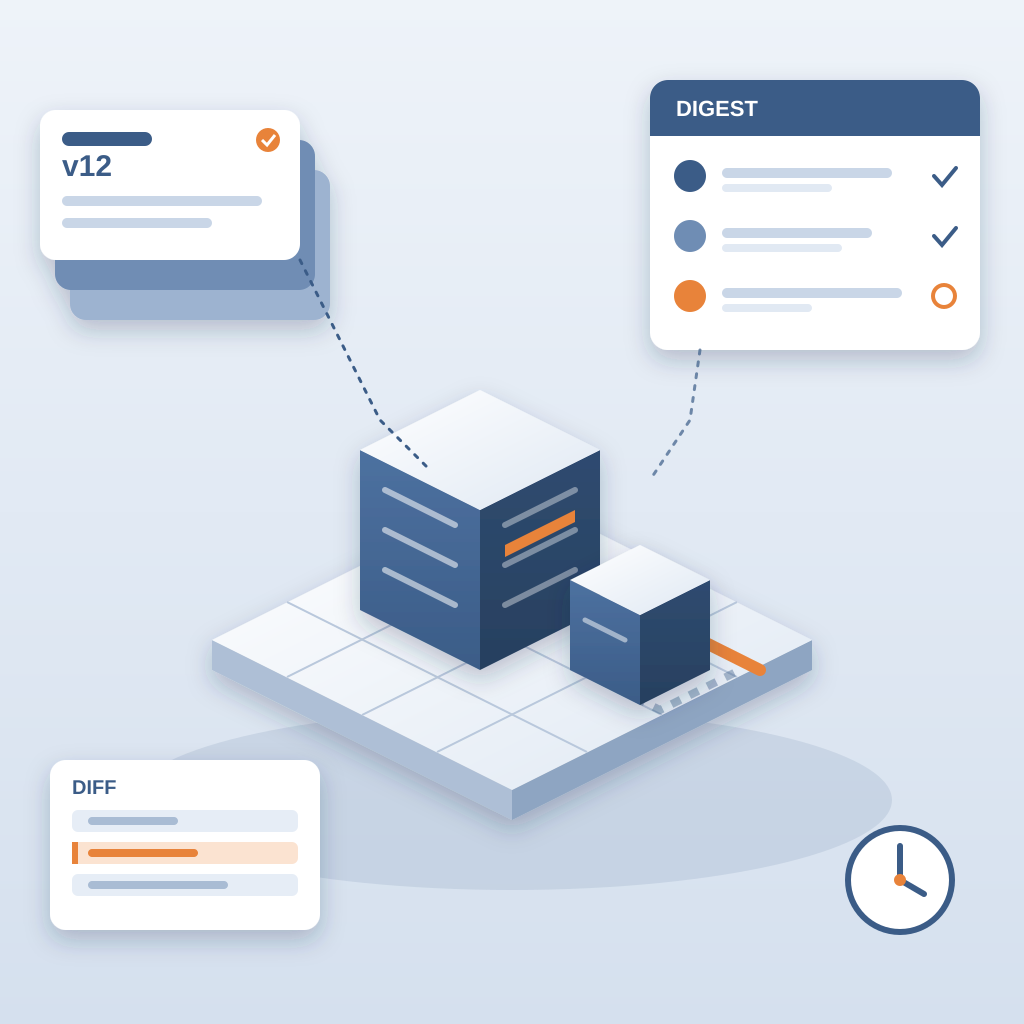
You can do it. Coordinate more projects. Close more issues with proof. Design. Get your evenings back. The toolkit is simple: a versioned record of your model, a diff that shows what moved, and a digest that tells everyone what they own. No more version control nightmares. No more redoing work.
The lone coordinator doesn't have to be lonely. With BidLight, you have a record that handles the heavy lifting. You keep the creative work and the margin. Try it on your next revision. See how it feels to finish before the weekend starts.