The Friday Afternoon Bid You Actually Submitted
The Number Was Fine. The Number Was Just Old.
Think about the last bid you sent out on a Friday. You probably felt okay about it. The scope was covered, the subcontractor quotes were in, the labour rates were current. So you hit send and went home.
Now think about when the takeoff behind that number actually happened. For a lot of firms, it happened on a Tuesday two weeks earlier, in a room with a coffee and a set of drawings that got revised six times since. Nobody lied to anyone. The number was honest. It was just old.
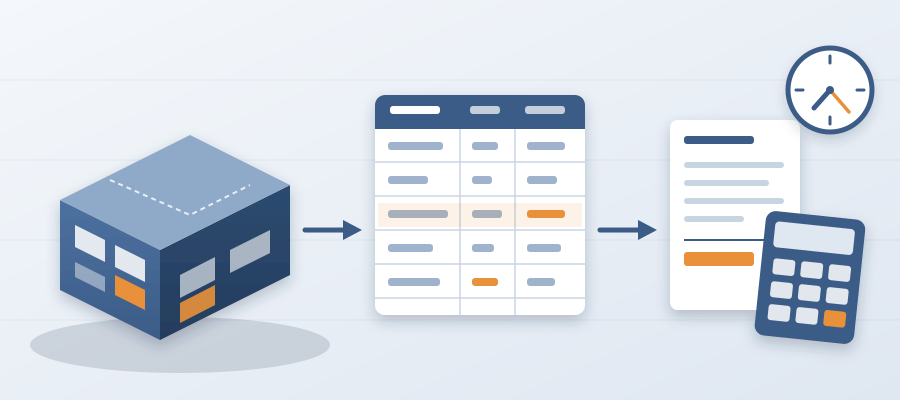
That is the quiet failure mode of the revit quantity takeoff to estimate workflow most firms run today. The model lives in one place and gets updated. The estimate lives in another place and does not. Every revision that lands between the takeoff and the submission creates a gap. The gap is small at first. Then it is not.
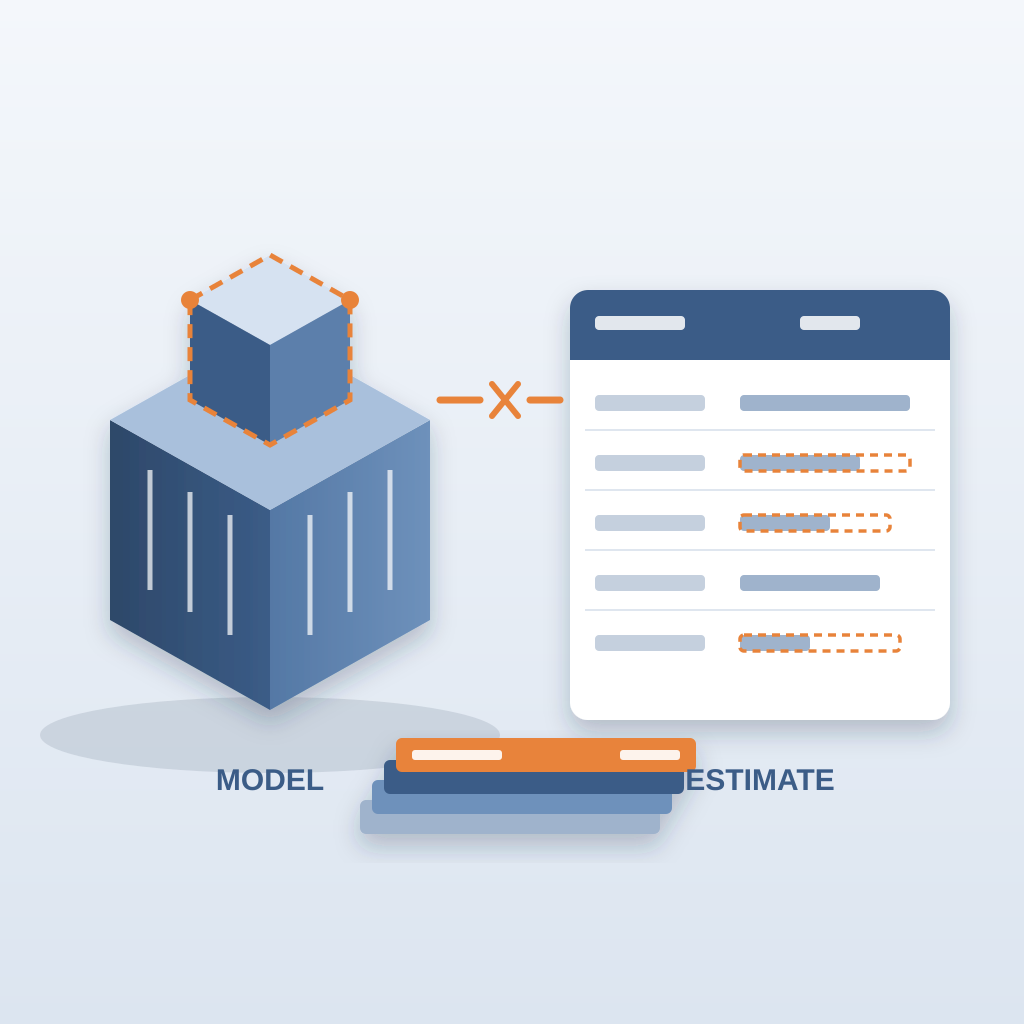
An architect issues a revision set on Thursday. A door swings the other way, a corridor shifts a few inches, a mechanical room gets rearranged. Your field team has not started yet, so nobody flags it. Your estimator is buried in two other bids and does not see it. Friday comes. Your bid goes out with a scope that matches a drawing that no longer exists.
You lose on price and you never find out why. The number looked competitive. It was just built on a design that had already moved.
Why Two-Week-Old Takeoffs Are Normal and Still Deadly
Nobody sets out to bid from stale data. The workflow just makes it almost impossible to avoid. The takeoff gets done when the estimator has time. The estimate gets built from the takeoff. The pricing gets refreshed from a database that updates on its own schedule. Each of those steps is a snapshot, and snapshots age.
If your model and your estimate live in separate streams, you will always be reconciling them at the worst possible moment, which is the day you have to submit.
This is where bim quantity takeoff from revit model gets interesting. When the quantity comes straight from the model, and the model is the same file the design team is editing, then the takeoff is never more than one sync away from current. You are not chasing a spreadsheet. You are reading the same object graph the architect just changed.
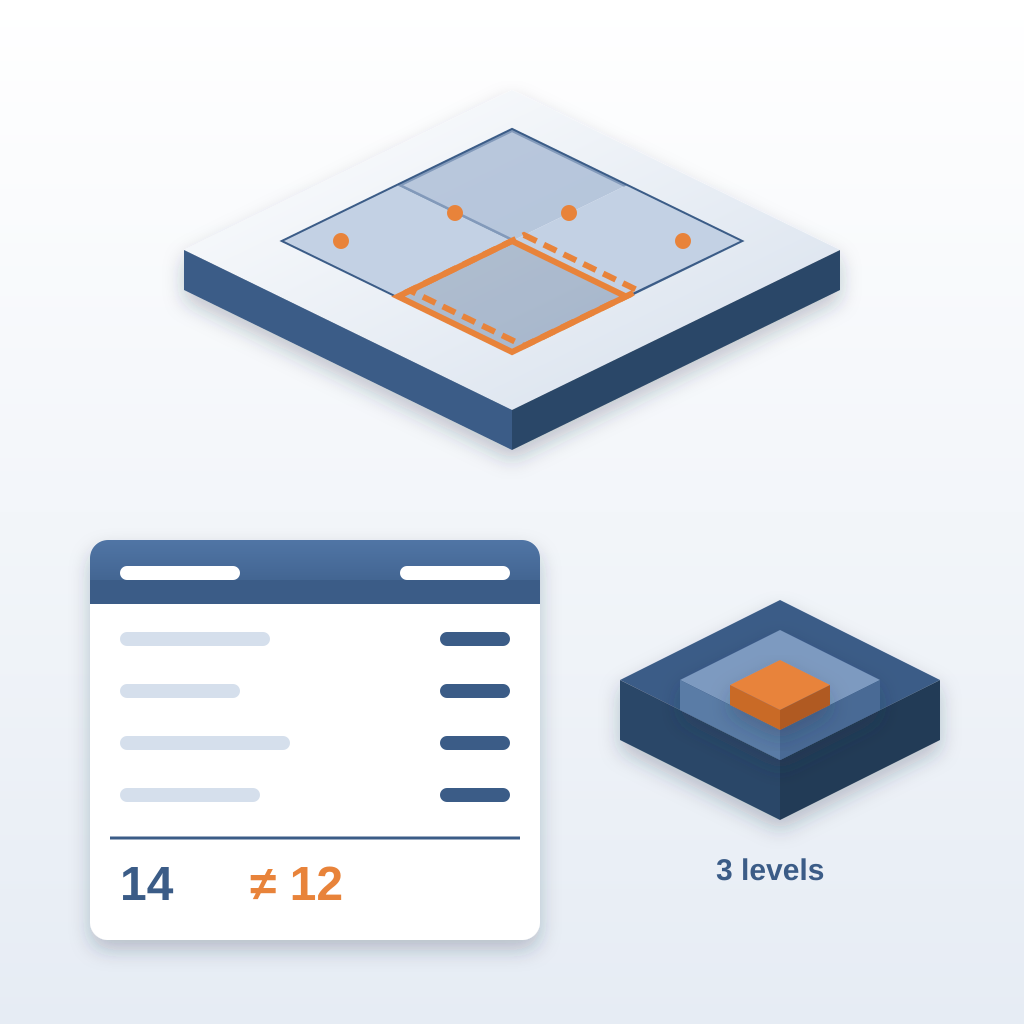
That sounds simple until you try it with the tools most firms have. Then you find out the hard way that a Revit file can contain the same room twice, that a family can be nested three levels deep, and that the door count in your schedule depends on which view you exported. The takeoff problem is not arithmetic. It is geometry and metadata, and getting it right is the whole game.
Once the quantity is live, the estimate can be live too. Cost rides on the model. Change a wall thickness and the material line moves. Add a fixture and the plumbing count moves. The estimator stops being the person who copies numbers between files and starts being the person who reads a defensible number and decides whether to sharpen margin.
What Live Looks Like on a Thursday Night
Here is the concrete version. It is Thursday at 6 PM. The architect drops a revised model into the shared folder. The design moved a chase wall six inches, added four doors on the second floor, and swapped a rooftop unit for a slightly larger one.
Because the estimate reads from that same model, the labour, equipment, material, and time costs for those changes show up in minutes. Not Tuesday. Thursday, right after the revision lands. The estimator opens it Friday morning and sees exactly what changed and what it cost.
Now the Friday decision is a real decision. You can sharpen the number, or hold margin, or decide the scope moved enough to send a clarifying note with the bid. All three of those are good outcomes. None of them happen if the number you sent was priced against a design that got replaced two weeks ago.
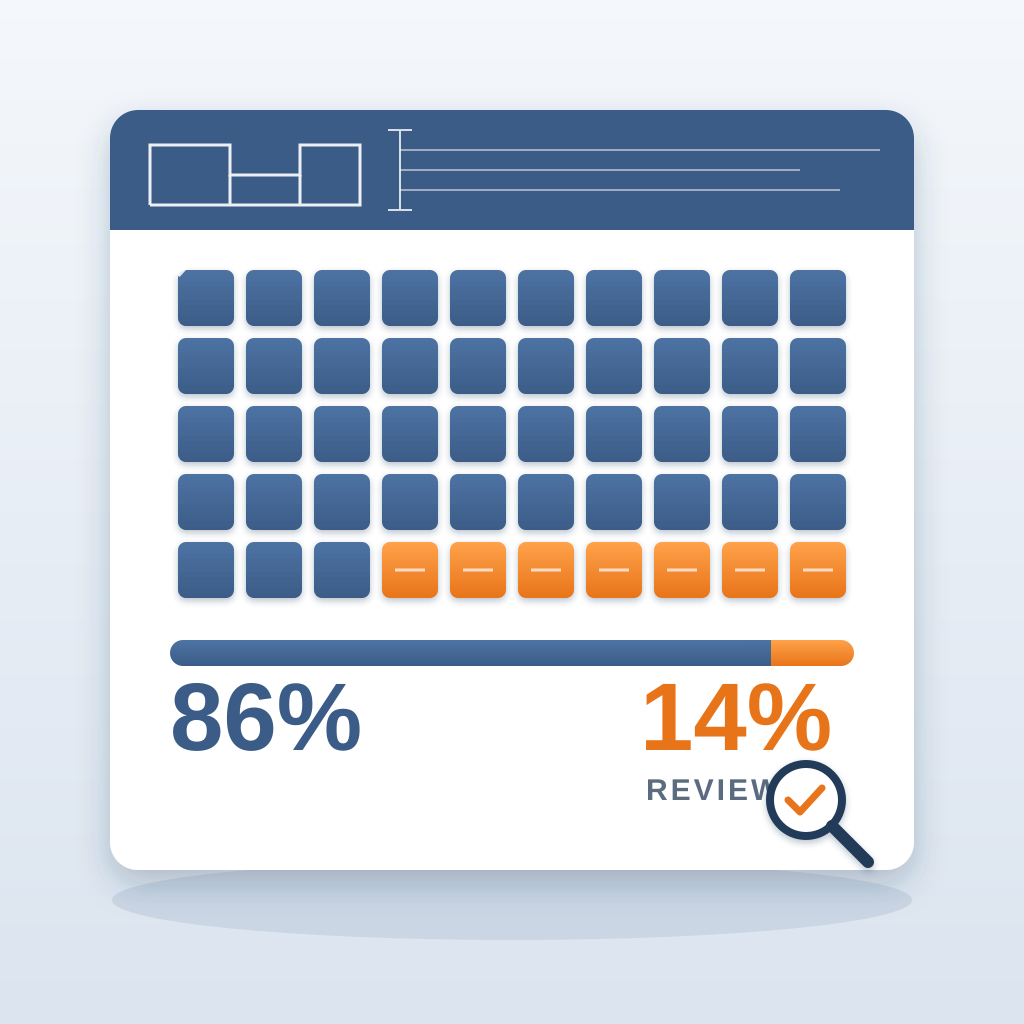
The reason this works is that two AI models read the geometry and the metadata together to classify the BOQ line items. One reads shape. One reads attributes. Together they land at 86% accuracy, which is high enough to trust as a first pass and low enough that a human still looks, which is exactly where you want the line. Pricing pulls from a roughly $30,000 database plus Craftsman, 1Build, and RSMeans, so the rates are not somebody's memory of last year.
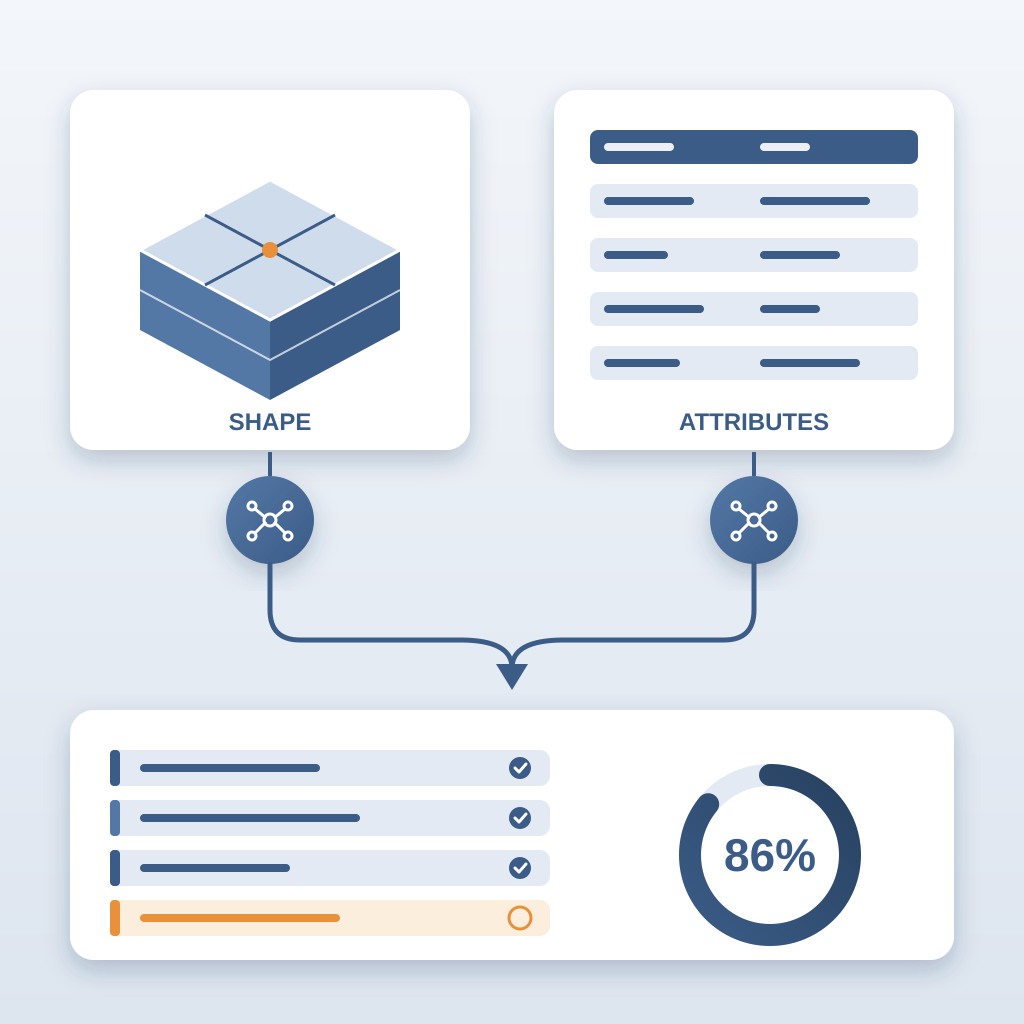
This is what ai cost estimation for construction means in practice. It is not a black box that hands you a number. It is a live record that hands you a running estimate you can interrogate line by line, with the model as the source of truth for quantity and the pricing database as the source of truth for rate.
The Win Is Not Speed. The Win Is Not Re-Doing the Takeoff.
Speed gets all the attention. Estimates in minutes, 15 minutes instead of 90. That is real and it is nice. But the bigger win is that you stop re-doing the takeoff every time the design moves, because the takeoff is never a separate artifact to begin with.
Ask any estimator what they hate about the job and it is rarely the pricing. It is the re-pricing. The second pass. The third pass. The version where somebody emails a new set and you have to figure out what actually changed versus what just renumbered. That is the grind that burns people out and makes good estimators leave.
When the estimate rides on the model, the diff is the change. You do not have to hunt for it. A wall moved, the system knows a wall moved, and the cost line for that wall updates. Your job shifts from archaeology to judgment, which is the part you are actually paid for.
The pattern shows up in the numbers too. Firms running a live model-to-estimate workflow report win rates roughly 35% higher, and the reason is not that they suddenly became sharper on price. It is that they bid from current information, and current information wins more often than stale information does.
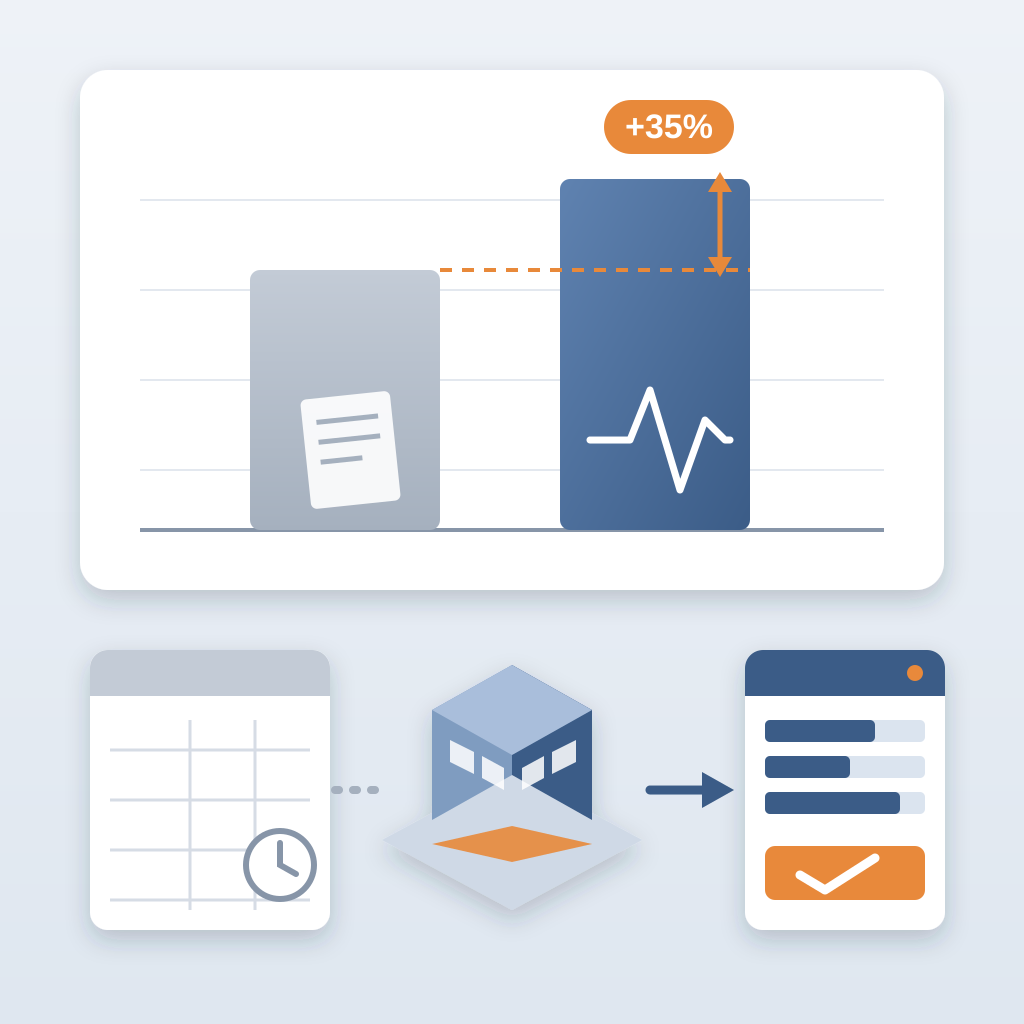
There is a second win underneath that one. When estimates stop being a two-week event and start being a running record, early design estimates become something you can bill for. Clients pay for answers. If your firm can tell a client what a move costs in the meeting, on the spot, that is a service, not a favour.
And the record stays auditable, which matters downstream. Insurance, bonding, change orders, claims. All of it gets easier when there is one live record of the project inside Revit and Navisworks, and the cost rides on the same model.
What Bids You Defend Look Like
You know the meeting. A client or a GC pushes back on a number and asks you to explain it. If your answer is a spreadsheet somebody built two weeks ago, you are defending a guess. If your answer is the model, with the quantities and the rates attached, you are defending a number.
That distinction is the whole pitch. You win more work with numbers you can defend. Not because you argue better, but because the number traces back to something the other side can see. A wall in the model. A rate in a database. A labour hour with a source.
The same live record answers questions you would otherwise answer from memory. How did you get that door count. Why forty-eight fire dampers and not fifty. Which revision set did you price. If the answer is already sitting in the model and the estimate, you stop guessing and start pointing.
This is also where machine learning construction cost prediction becomes less abstract. The models classify line items at 86% accuracy against the geometry and metadata, and the remaining line items get a human review. That is a system that admits uncertainty and routes it to a person, which is the only kind of estimate anybody should sign.
Plans run from Basics at $260 per licence per year to Max at $590, with custom Enterprise pricing when a firm needs more. Beyond the software, the team does done-for-you BIM work: execution plans, 4D/5D, fabrication detailing. So if you would rather someone else set the workflow up the first time, that is an option.
The point is not that the software is clever. The point is that the Friday bid you send is priced from a model that is current, and you can stand behind every line of it when somebody asks.
What to Change Before Next Friday
You probably cannot rebuild your estimating workflow in a week. You can change one thing. Stop letting the takeoff be a separate step that happens once. Whatever tool you run, find a way to keep the quantity tied to the model so it updates when the model updates.
Then start asking a simple question before every bid goes out. What revision is this priced against, and is it the current one. If the answer is anything other than yes, you have a gap, and the gap has a number attached to it. Usually a number you do not want to defend.
The firms that win on this do not win because they are faster typists. They win because the estimate is never more than one sync behind the design. When the architect moves the wall on Thursday, the cost moves with it. Friday is boring. Boring is the goal.

Start with one project. Watch how many times the design changes between your first takeoff and your submission. That number is the amount of rework you have been doing for free. For most firms it is larger than they expect.
BidLight exists to make Friday boring. One live record of the project inside Revit and Navisworks. Cost riding on the same model. Estimates in minutes, updated in real time when the design changes. That is the whole idea, and it is the one thing worth remembering.