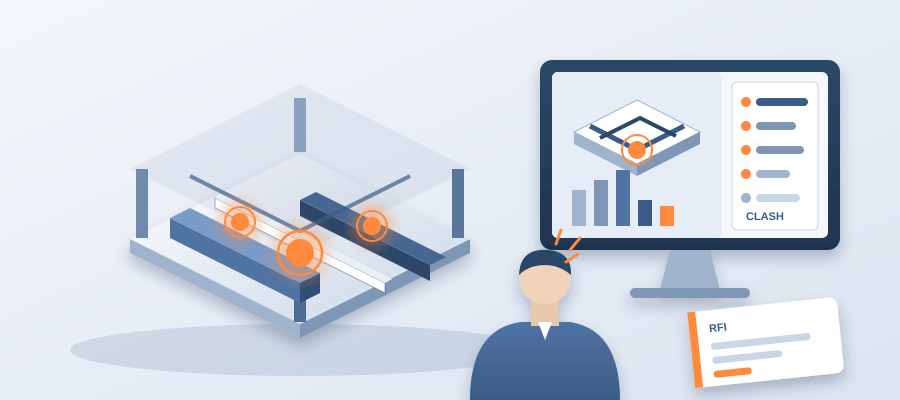
The Headache Nobody Wants to Hire For
The job you need to fill has changed, and nobody sent the memo.
Look at what a coordinator on a live project actually does in a week. They work out which model is current. They compare it to the last one. They chase people for answers. They write the meeting notes. They chase the people who did not read the notes. A few years ago, that was just the job. Now it is the part that eats the week and keeps the person from the work that matters.
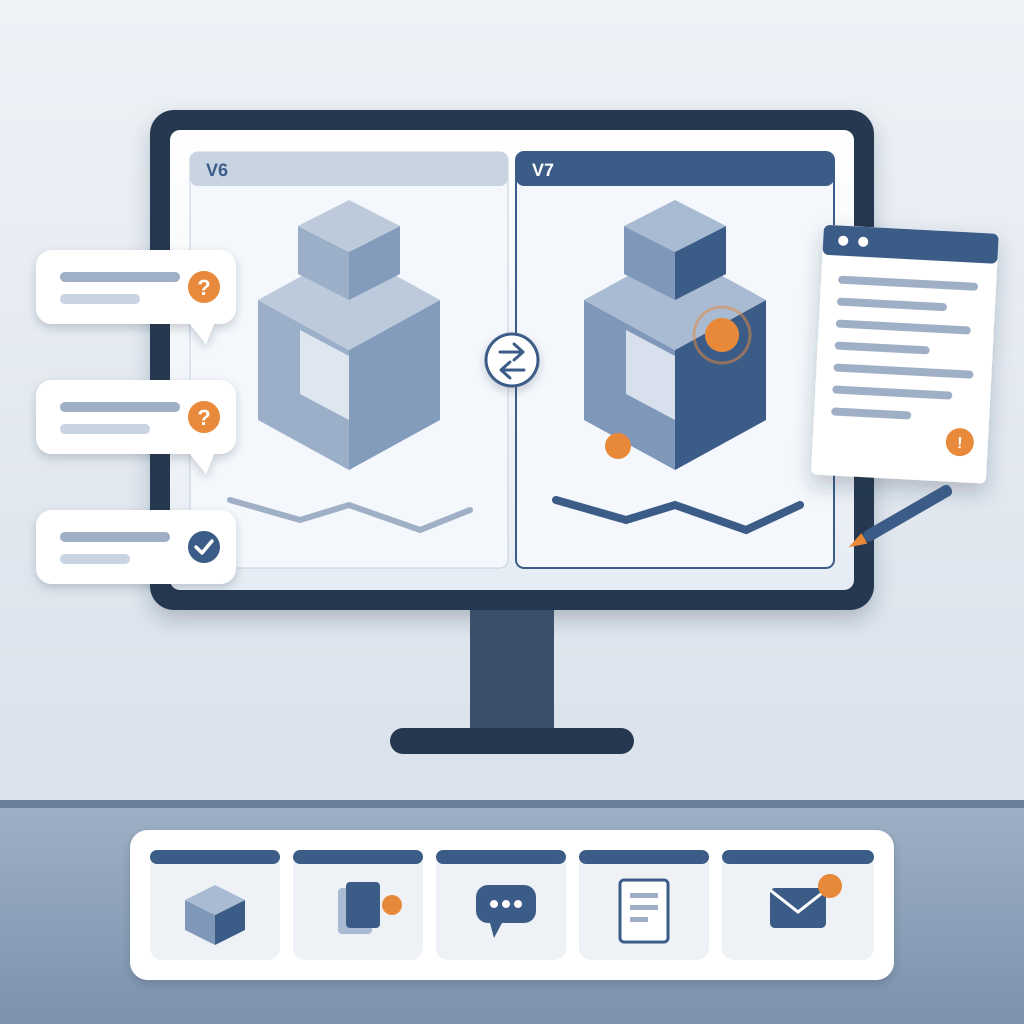
This is what happens when a role is too expensive to fill the old way. A project hiring a coordinator today wants someone who can turn a design change into a clear action list before the next coordination meeting, not someone who spends three days comparing drawings with a highlighter. The title has not changed. The work behind it has.
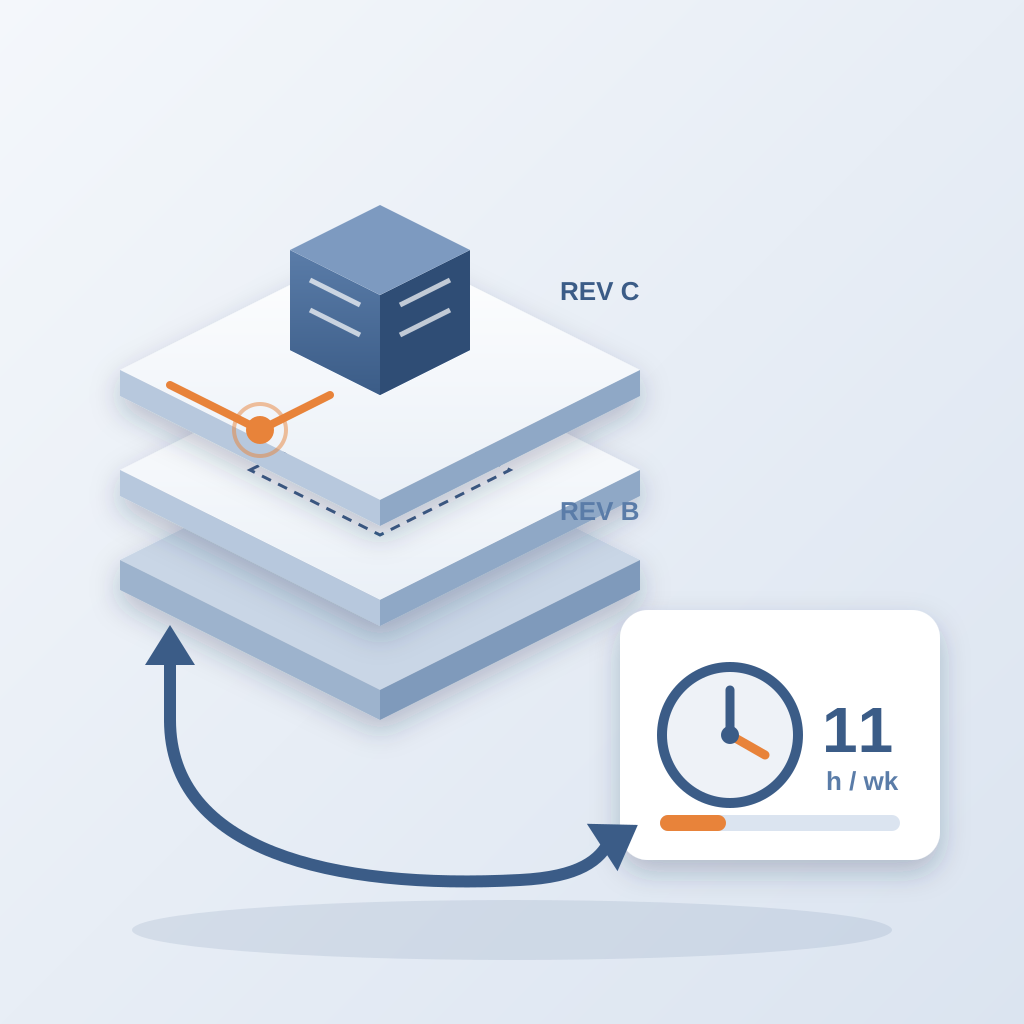
The math is simple. About 11 hours a week can go to working out which model version is current. Then the design changes twice more, and the comparison starts over. A team cannot keep paying senior rates for repetitive checking when that person could be resolving conflicts or talking to the trades. So the requirement shifts: not who can compare fastest by eye, but who can read a model and trust the record.
The hard part for experienced coordinators is that this shift can feel like a threat. It should not. The rest of this explains why.
This Was Never Tools vs People. It Was Slow vs Fast.
Frame this as a contest between software and a coordinator and you will misread the shift. Nobody is hiring a program to replace a person in a coordination meeting. Nobody asks a tool to argue with a subcontractor. What teams are replacing is the slowest part of the coordinator's week: manual comparison, cross-referencing sheets, hours checking that a duct run on page 12 matches the schedule on page 40. That work was never the valuable part of the job. It just consumed the most hours.
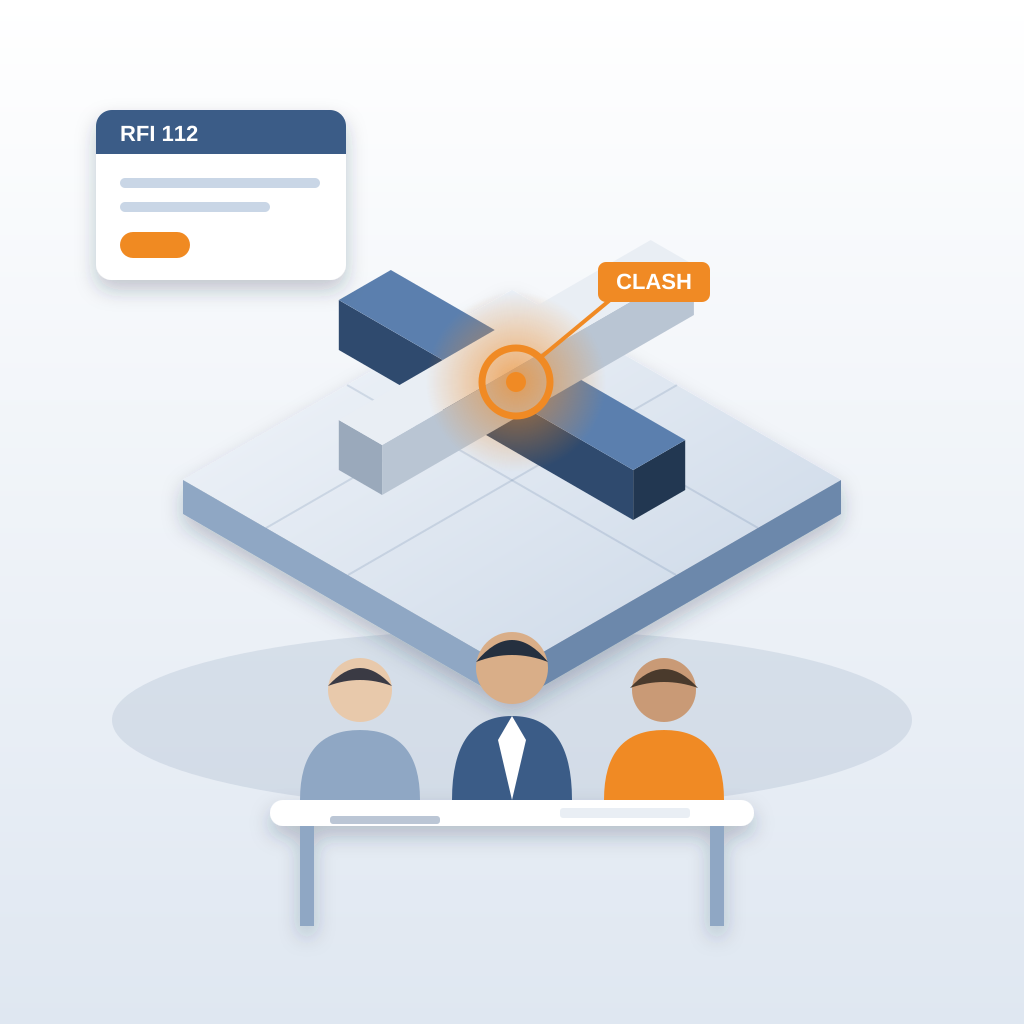
Teams reduce mistakes not by removing the coordinator, but by removing the manual step where mistakes creep in. A missed change does not announce itself. It sits quiet in a markup until a crew hits it on site. A comparison generated from the model catches it differently, because the list comes from the geometry and not from someone's read of a 2D sheet at 4pm on a Friday. That is not a knock on the coordinator. It is the limit of checking by eye.
That is where BidLight fits into the hiring conversation, even though it is a coordination tool and not a recruiting one. It runs inside Revit and Navisworks, versions every publish and compares any two revisions element by element, grouped by category. A coordinator who works inside that record is not doing less thinking. It is the same thinking, applied to a list that updates when the design does, instead of notes that were already stale when they were sent.
That distinction changes what a team hires for. They are not hiring someone to replace judgment with a tool's output. They are hiring someone who can read the record, notice when something looks off and turn it into an owned issue fast enough to matter. That is a harder skill than manual comparison, not an easier one, even though it takes a fraction of the time.
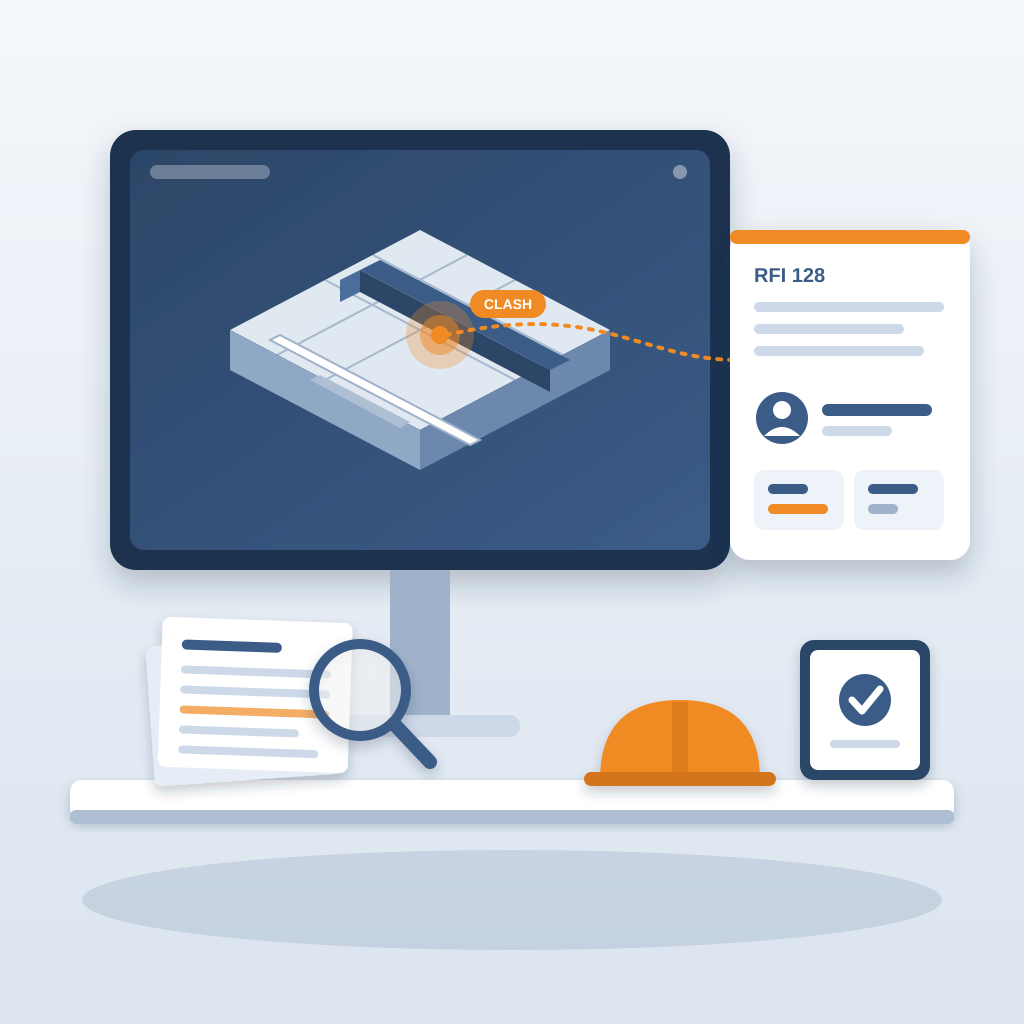
The Coordinator Teams Fight Over Looks Different Now
Take two candidates. One has years of manual coordination and can walk drawings faster than almost anyone. The other has fewer years but has run projects with versioned publishes: pinning issues to elements, tagging owners, closing items with a screenshot and a linked model commit. Each is valuable. The team that wants the project to hold schedule leans toward the person who can show the record.
That is not because experience stopped mattering. It is because the kind of experience that matters changed. A team asks who can give a clear status in minutes instead of days, and who can re-run that status when a client asks for a design change without starting over. A coordinator skilled at comparing by hand is skilled at something the team needs less each year. A coordinator skilled at running a record is skilled at exactly what the project depends on.
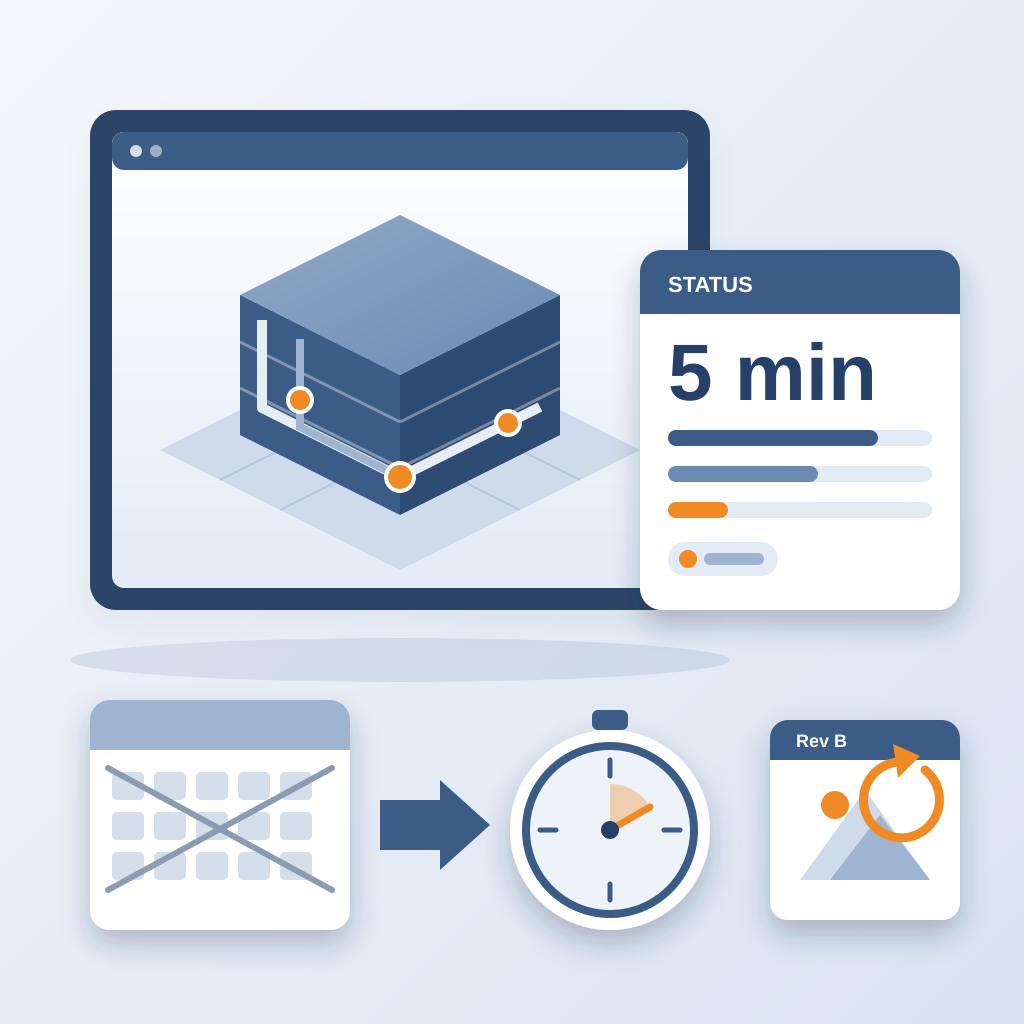
For any coordinator or BIM manager wondering where that leaves them, the honest advice is simple. Manual comparison skill is not worthless. But it is no longer what makes you the person everyone wants on the job. Working from live model data, knowing when to trust a comparison and when to double-check it, and keeping every issue against a name: that combination is what teams look for.
The 6am digest and the Problem Solver Index make that visible. Each owner sees what they own, and the team sees resolution rates per person without anyone chasing.
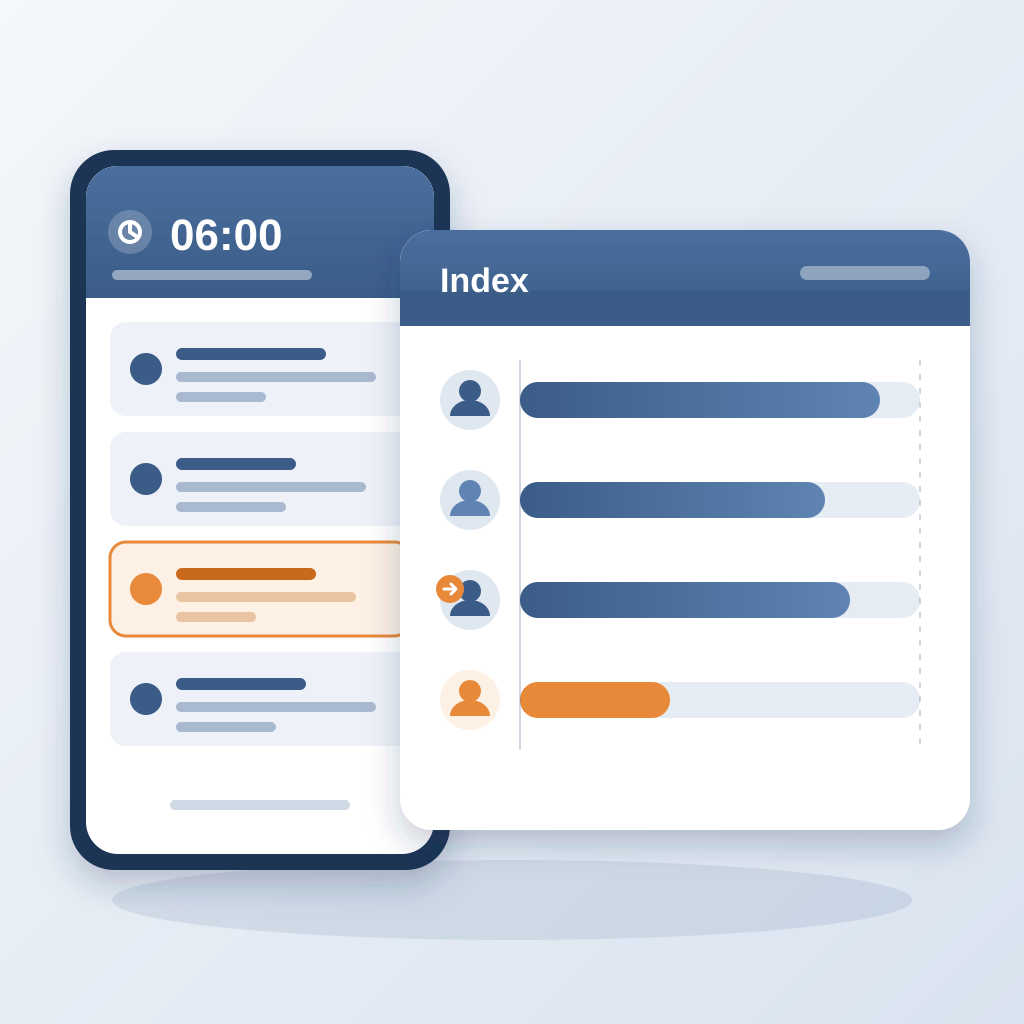
BidLight exists for this transition. Publish a model, get a versioned snapshot, and watch the comparison update as the design moves, instead of redoing a manual check every time a wall shifts six inches. It is priced per license, from Basics at $260 a year ($30/month) to Max at $590 a year ($69/month), with unlimited projects on every plan, custom Enterprise pricing and AIA member discounts of up to 29%. Learning a tool like this is not about replacing your judgment. It is about making the job description describe what you already do.