
The client just changed the whole layout. Your bid is already dead.
When the Layout Moves, Every Bid Behind It Goes Stale
You spend nine days on a takeoff. The client walks in, moves the core, adds two corridors, deletes a stair, and the number you handed over Friday is now fiction. Nobody told you to reprice it. The layout changed, so every quantity sitting behind that layout changed too, and your bid is a snapshot of a drawing that no longer exists.
A layout change is not one change. It is a chain. Walls move, so drywall, studs, and finishes move. A corridor shifts, so the electrical rough-in, the sprinkler heads, and the HVAC run all move with it. The plumbing stack that was comfortable against gridline C is now chasing a chase that is not there. One line on the architect's sketch becomes 60 line items in your estimate, and none of them updated themselves.
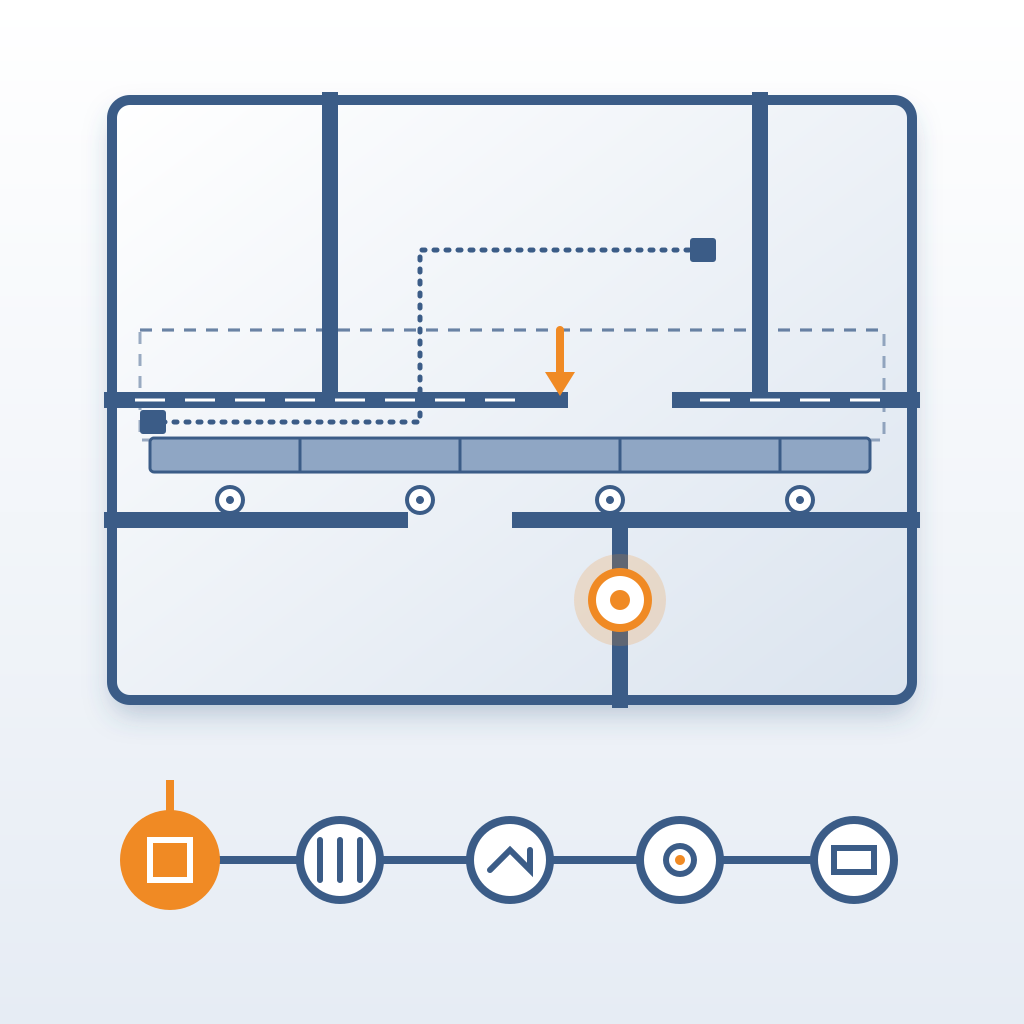
Here is the part that stings. You probably know the bid is stale before the client does. The estimator knows because the model changed. The project manager knows because the drawing set on the site trailer has revision clouds all over it. What nobody has is a repriced number, so the client keeps comparing your old bid to the new reality, and you keep hoping the gap does not show up in the interview.
This is the daily headache in AEC right now. Most firms run takeoffs in one tool, pricing in another, and the model somewhere else entirely. The layout moves in the model. The takeoff sits in a spreadsheet that still believes in the old drawing. The gap between those two is where bids die, and they die quietly, usually two weeks later, in a meeting where someone asks for a number you cannot defend.
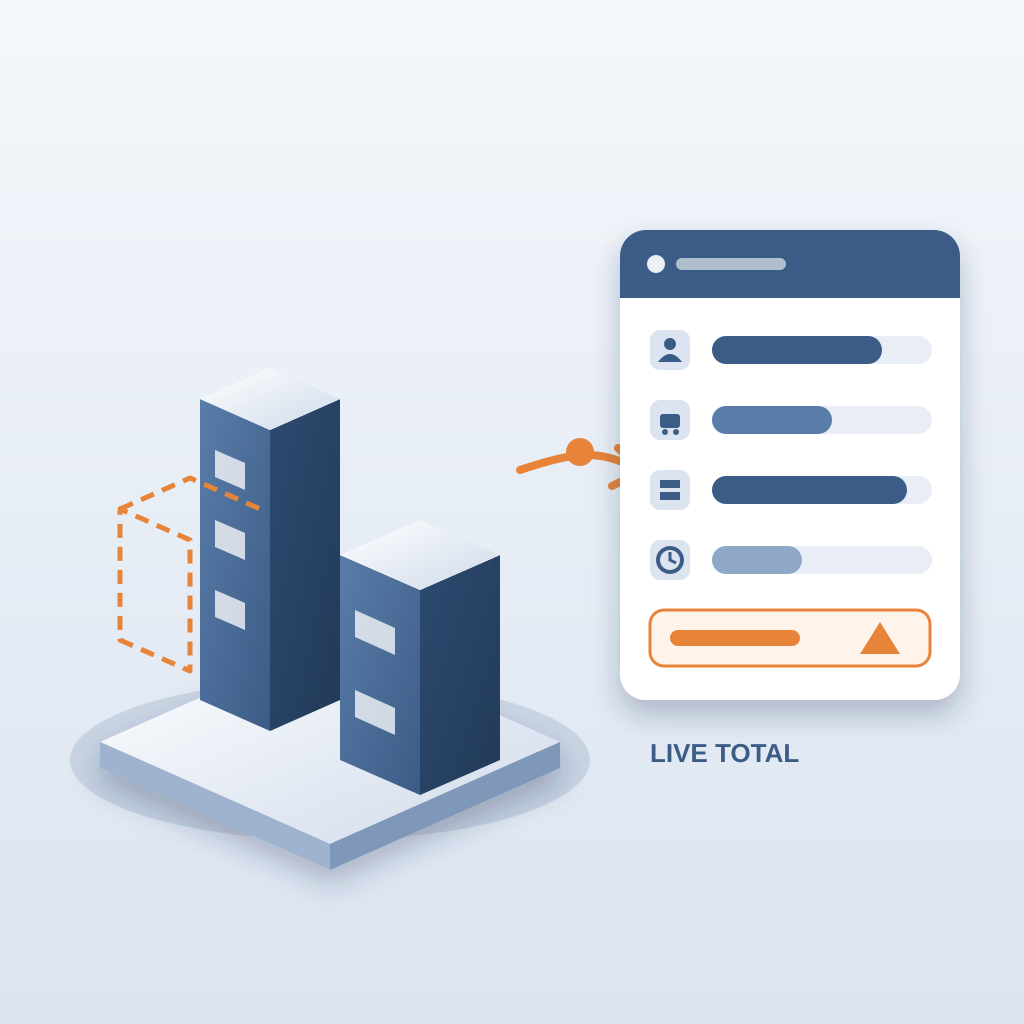
BidLight keeps one live record of the project inside Revit and Navisworks. You export the model and get labor, equipment, material, and time costs in minutes. When the design changes, the number changes with it. That is the entire idea. Cost rides on the same model the client is changing, so a layout move updates the bid instead of ending it.
Repricing Is Not the Problem. Repricing From Scratch Is
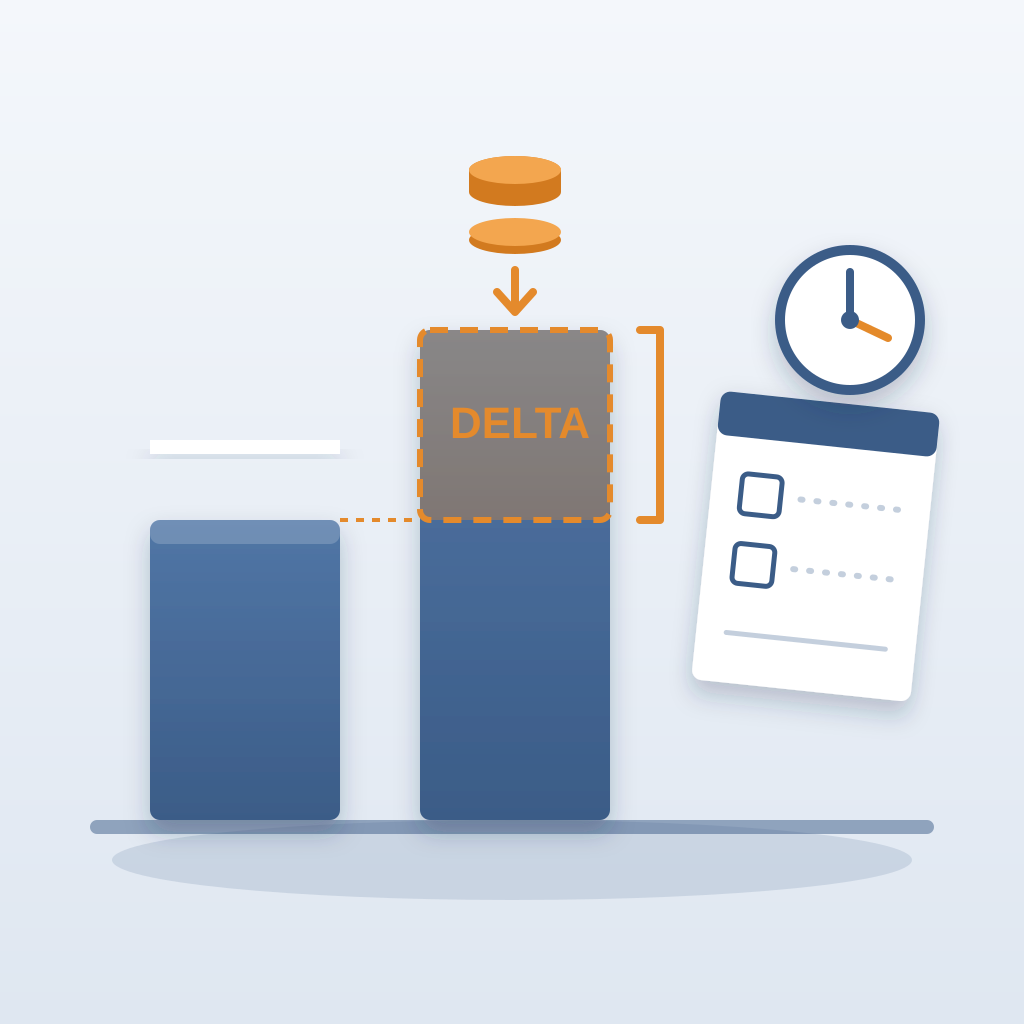
Estimators are not slow because they are bad at their jobs. They are slow because a layout change forces a full re-quantify instead of a delta. You cannot just adjust the drywall line for the corridor move, because the corridor move also changed the ceiling height, the door count, and the length of the mechanical run feeding the new room. So someone opens the model, exports a fresh quantity set, pastes it into a spreadsheet, and starts hunting for the differences by hand.
That is the 15 minutes versus 90 problem. A model-driven quantity pass can give you a refreshed number in minutes. A manual repricing cycle takes an hour and a half on a good day, and on a bad day it takes a day and a half because two people are arguing about which revision they are working from. Multiply that by every design change between concept and GMP, and you can see where the estimating hours go.
There is a second cost nobody puts on the invoice. When repricing takes too long, firms stop doing it. They eat the delta and tell themselves they will catch it on the change order. Sometimes they do. Often the change order never gets written because proving the delta requires the very quantity work they skipped. That is the quiet margin leak: not a bad price, just a price with no record behind it.
When you categorize customer complaints in a services business, the loudest ones usually trace back to a broken feedback loop, and estimating is no different. The client's complaint is not that the number changed. It is that nobody told them the number changed. Giving them a refreshed estimate within the same meeting turns a complaint into a conversation. It also gives your team something to respond to that is not defensiveness. You are responding to a drawing, not an accusation.
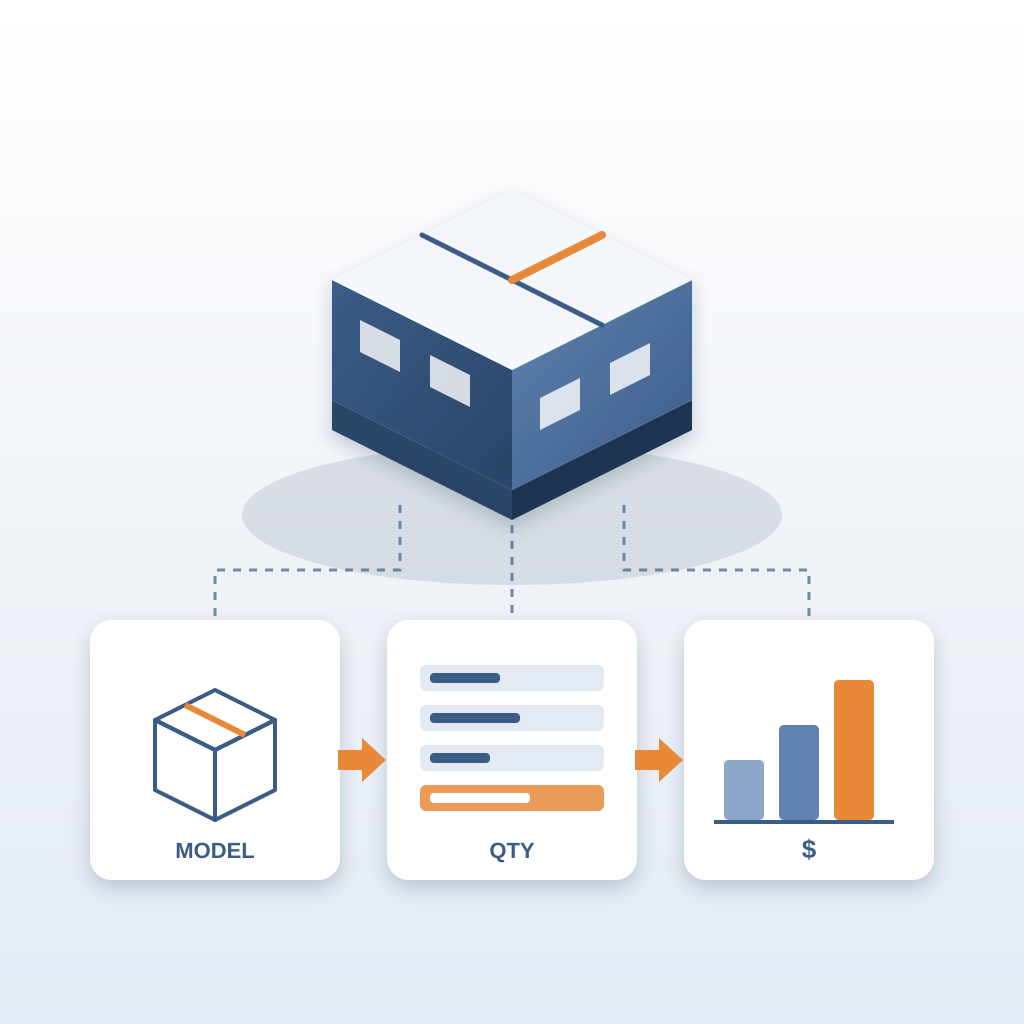
If you only remember one thing about how this works, remember the record. One live record of the project inside Revit, with cost riding on the same model. A layout change moves geometry, geometry moves quantities, quantities move dollars, and you get the new number out of the same file the architect just edited.
What a Defensible Number Looks Like When the Room Is Watching
Walk into the design meeting with the model open and the estimate live. The architect slides the core 4 feet. You export, and the labor, equipment, material, and time costs refresh in minutes. The client asks what that move did to the budget, and you have the answer while the marker is still in their hand. That moment does more for your win rate than any brochure.
Defensible does not mean low. It means every dollar traces to a quantity that traces to a model element you can point at. Two AI models read geometry and metadata to classify BOQ line items at 86% accuracy, and pricing pulls from a roughly $30,000 database plus Craftsman, 1Build, and RSMeans. When a client challenges a line, you do not say the software said so. You show the element, the classification, and the source price, then you talk about the scope of work.
That traceability is why early estimates can become a service you bill for, not a favor you give away. Firms already do this with BIM: execution plans, 4D and 5D, fabrication detailing, done for you when the in-house bench is full. When you can hand a client a costed model at three design milestones, you are not just bidding work. You are selling the certainty they keep asking for, and you can put a fee on it.

Compare it to the review-management playbook people use in other industries. When you respond to a negative review online, the useful answer names the issue, shows the record, and states what changed. A stale bid is the AEC version of a bad review: the client remembers the gap, not the effort. A refreshed number with a short written basis, produced the same hour the layout moved, is the response that closes the loop before anyone has time to be annoyed.
Now think about the pattern underneath all of this. Teams that measure a PR campaign by impressions alone miss whether it moved the business. Teams that run bids on a snapshot model miss whether the bid still matches the building. In both cases the fix is the same: keep one live source of truth, watch what actually moved, and let the number follow the change instead of trailing it by two weeks. Clustering customer conversations by topic, tracking sentiment in survey responses, watching hashtag performance on Instagram, and automatically sorting complaints all point at the same discipline. Automation is the discipline of watching the source instead of the copy.
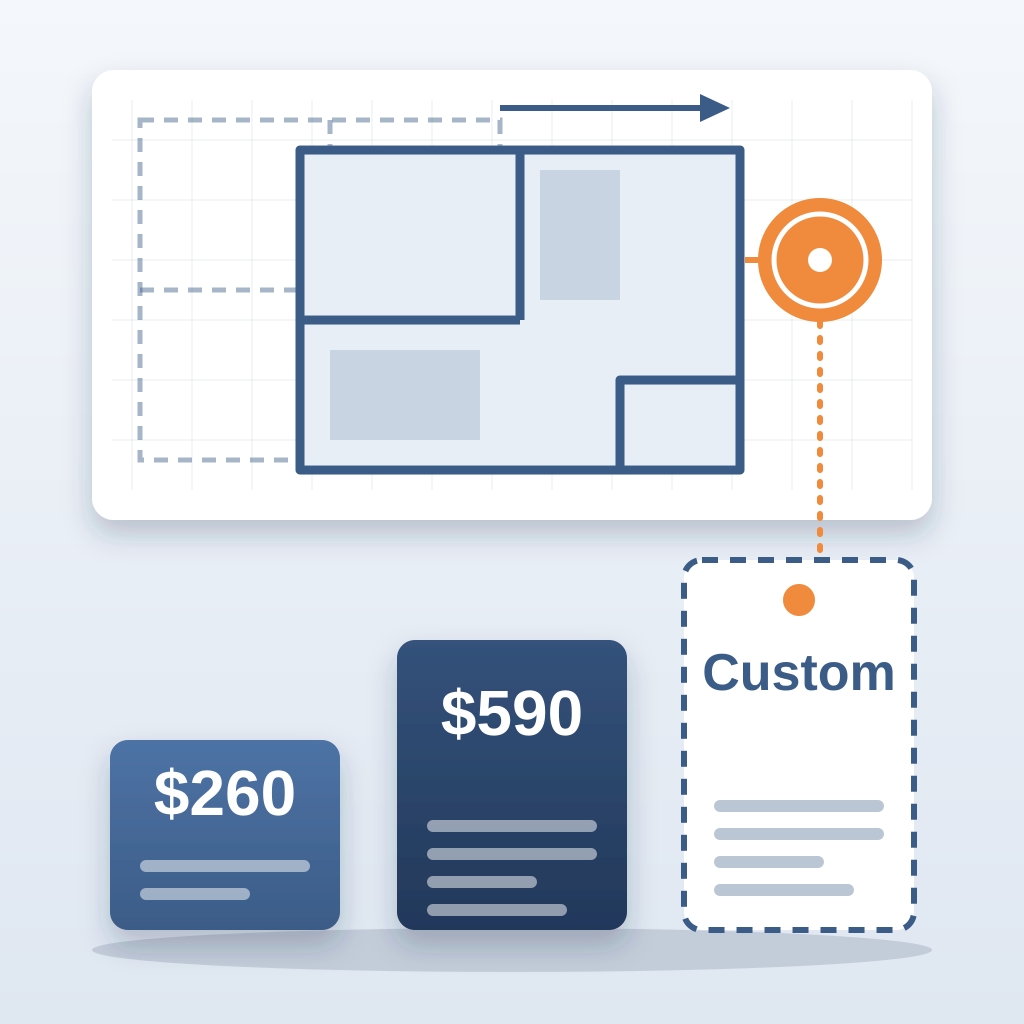
BidLight plans run from Basics at $260 per licence per year to Max at $590, with custom Enterprise pricing. That is the cost of keeping the number live. The alternative is repricing from scratch every time the layout moves, defending a number you no longer believe, and watching a bid die in a meeting because the drawing changed and the spreadsheet did not.
The client will change the layout again. They always do. Your job is not to stop them. Your job is to have the new number in the same meeting, tied to the same model, and written down. One live record of the project inside Revit, with cost riding on the same model, turns the change that used to kill your bid into the moment that wins the work.