The Clash That Came Back Because Nobody Linked the Commit
The fix happened. The close did not.
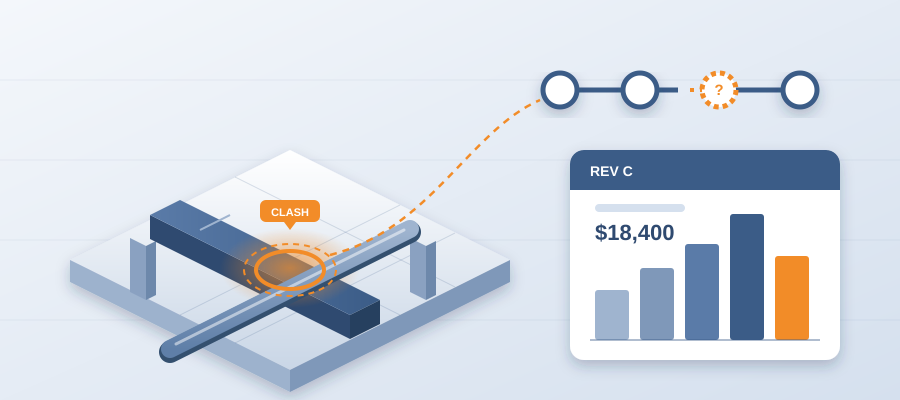
The coordinator saw the clash. Duct against beam, level 3, grid line F. The MEP detailer moved the hanger, the duct dropped six inches, and the fitter was told it was handled. Problem solved, or so the story went. No screenshot. No tagged user. No model commit linked to the issue. Just a verbal handoff and a status change in a tracker that nobody checked again.
Six weeks later the next export came out. Same duct. Same beam. Same clash sitting there in the model. The next coordinator, who had never seen the original thread, opened it as new work. The crew got sent back to a problem that had already been fixed once. That is the quiet cost of a close without proof: rework of the rework. You pay twice for the same six inches.
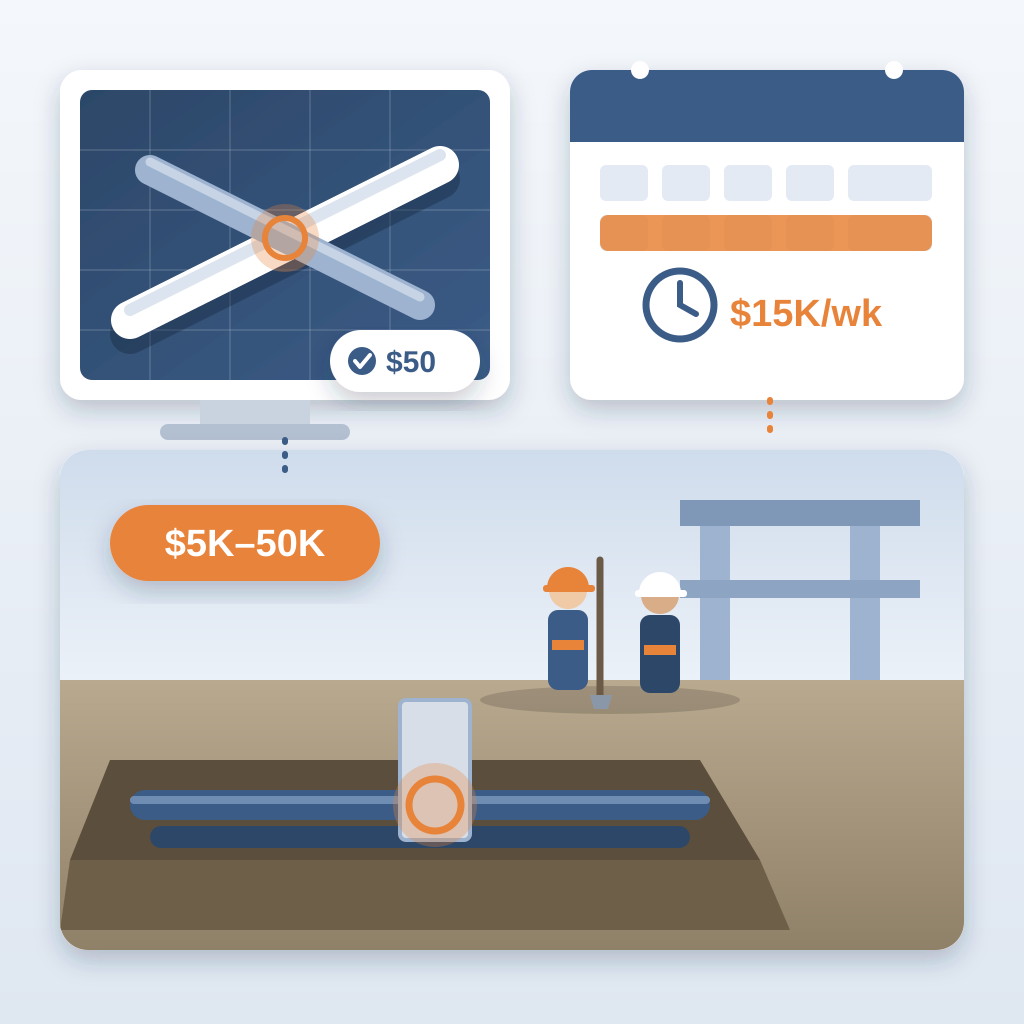
The field cost is real. A clash caught in the model costs about $50 to resolve. The same clash found in the field costs $5,000 to $50,000. And while it sits unresolved, it can burn $15K to $50K a week in idle field labour. Close without proof and you roll those dice again, except now the crew has less schedule to absorb the hit.
This is not a discipline problem. It is a records problem. The fix lived in somebody's memory and in a Revit file that got saved over. Nothing tied the resolution to the element, the person, or the version of the model where it was done. When the record is thin, the issue comes back. Consistently.
That is the part most coordination workflows miss. They track whether an issue is open or closed, but not whether the close is true. An issue that closes on a click is a hope. An issue that closes against the model commit is a fact. BidLight only allows the second kind.
What a close without proof costs
Start with the crew. They were told the clash was handled, so they planned around it. Then the model says it is still open, so they stop. The superintendent has to re-sequence, the foreman has to re-explain, and the hanger has to be re-checked against a beam that was already coordinated. You just paid for the same decision twice, and you paid for the idle time in between.
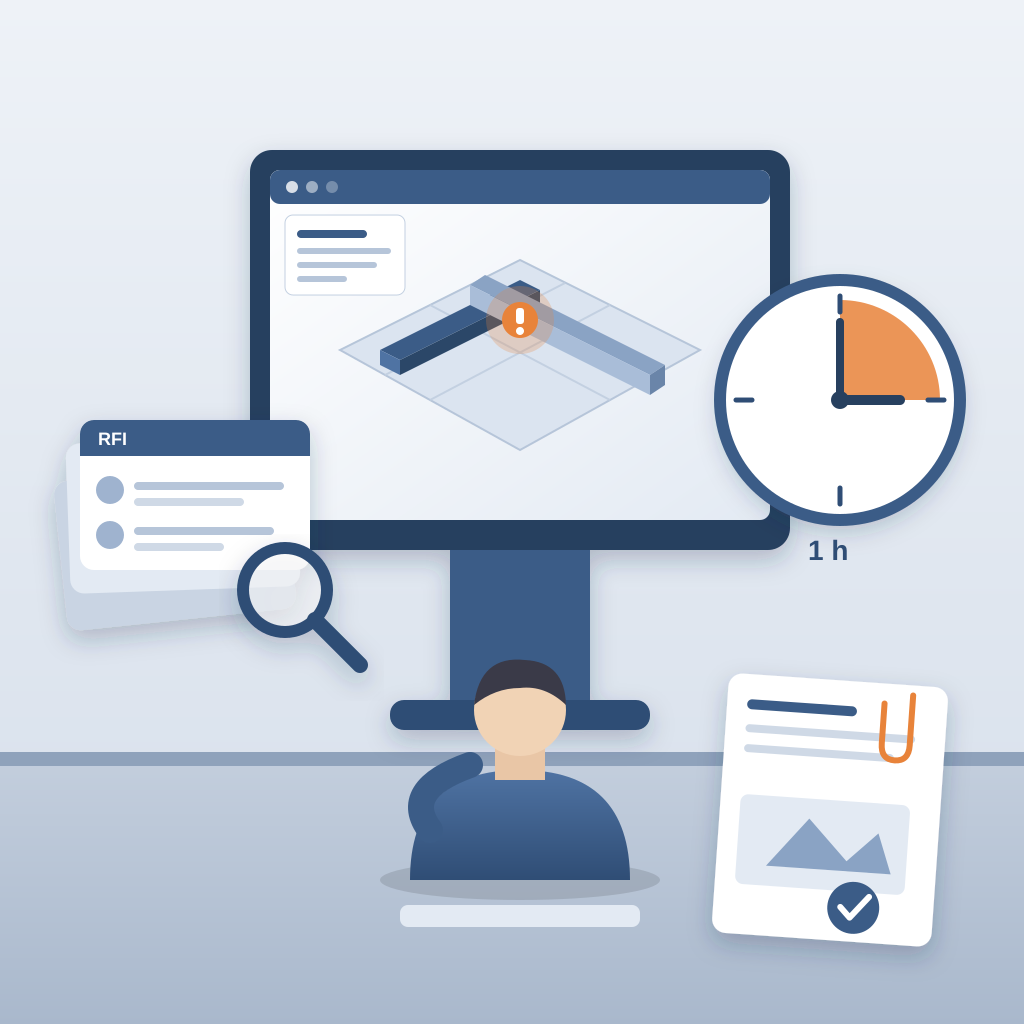
Then there is the coordinator's time. That person now has to open the old thread, find the original fix, verify it against the current model, and close it again with the proof that should have been attached the first time. That is an hour or two per resurrected clash. Multiply by every issue that got closed on a handshake and you have a meaningful chunk of the week gone.
There is a schedule cost too. A clash that comes back six weeks later lands in a window where there is less float. The same fix that was cheap in the model earlier now competes with other trades for the same ceiling space. The work moves, the sequence shifts, and the downstream trades wait. The original $50 fix now carries a field multiplier you cannot undo.
The bigger cost is trust. The field stops believing the coordination model is current. Once that happens, crews verify everything themselves, which is the slowest possible way to build. Rebuilding that trust takes longer than fixing any single clash.
This is why the 5d bim cost estimation workflow conversation keeps circling back to records. Cost control on the job is not a spreadsheet exercise. It is the discipline of catching problems in the model, proving they are fixed, and keeping them fixed. Every dollar of field rework you avoid starts with an issue that stays closed.
Proof of close: screenshot, tagged user, linked commit
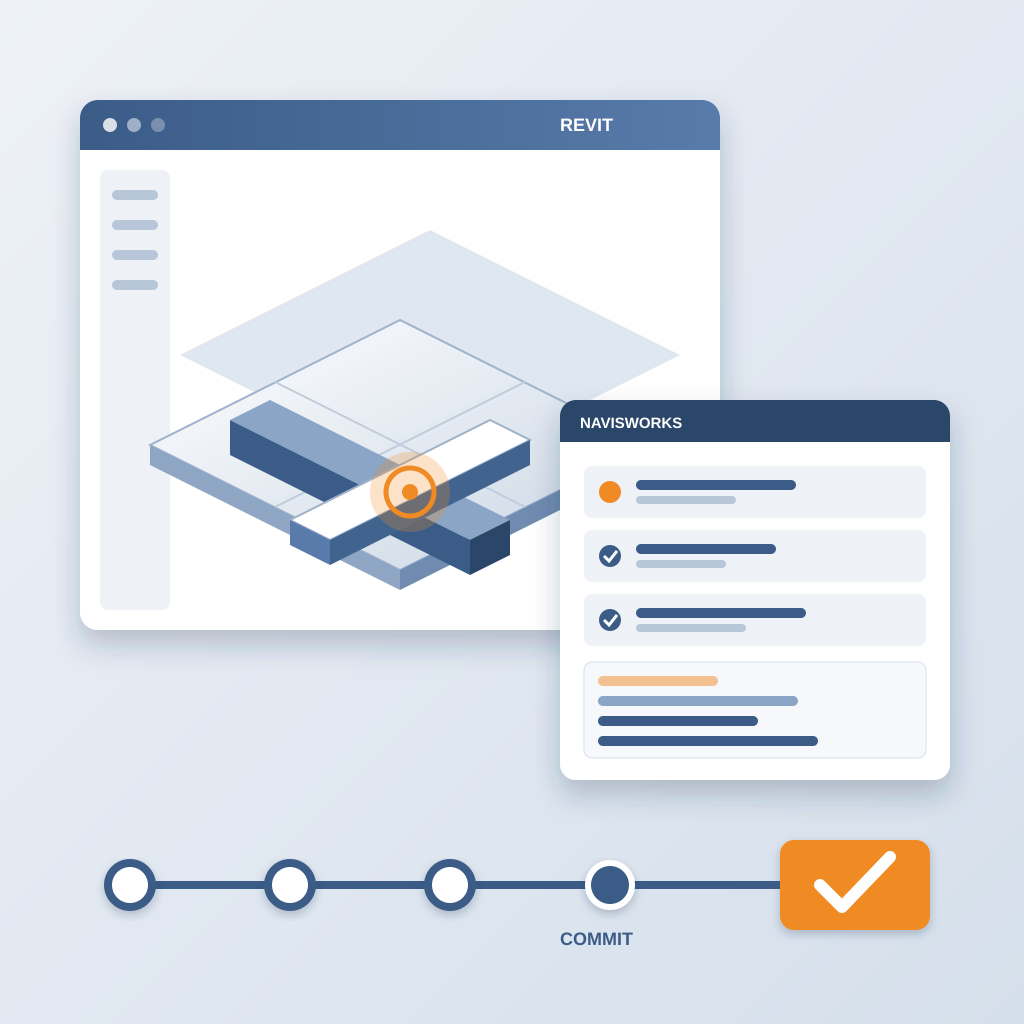
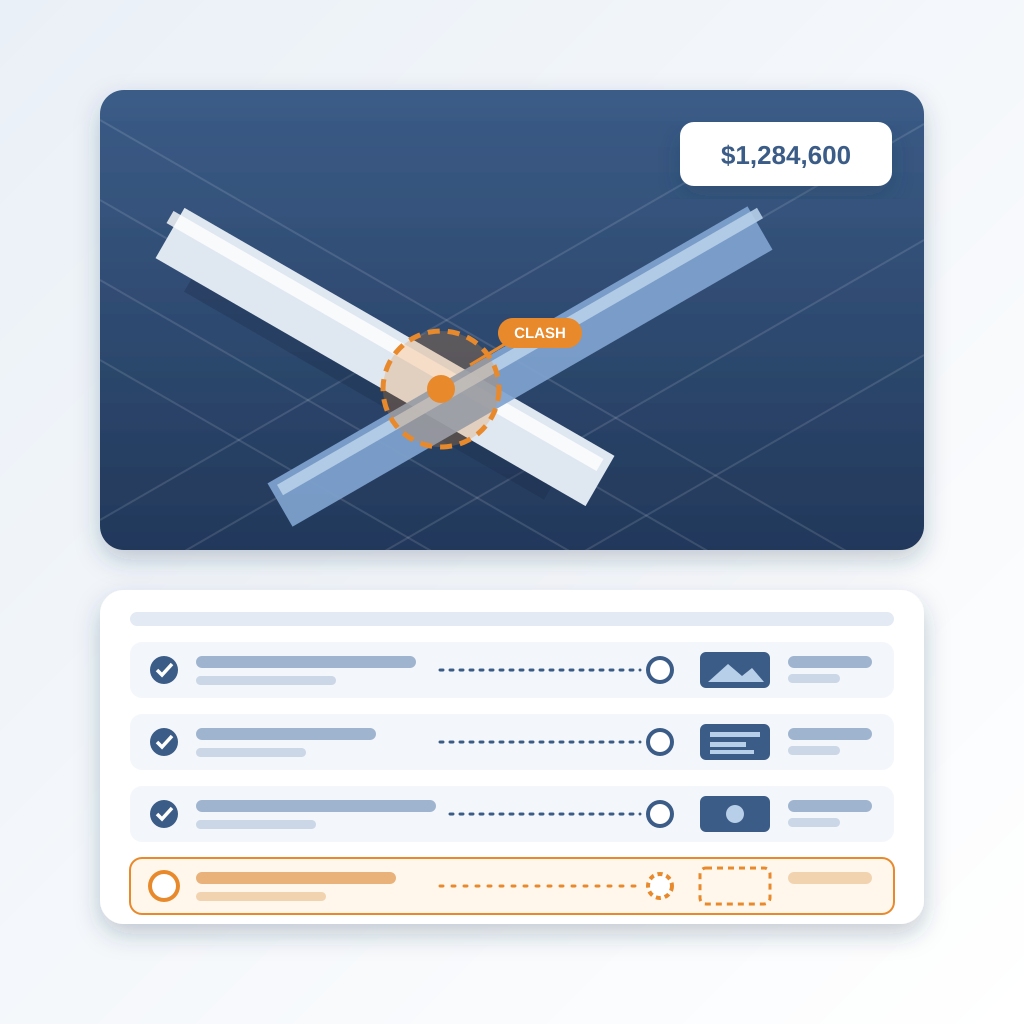
BidLight gates every issue close behind three things. A screenshot showing the resolved condition. A tagged user who owns the fix. And the model commit that made the change. Without all three, the issue stays open. Not as punishment, but as a record that the next coordinator can trust.
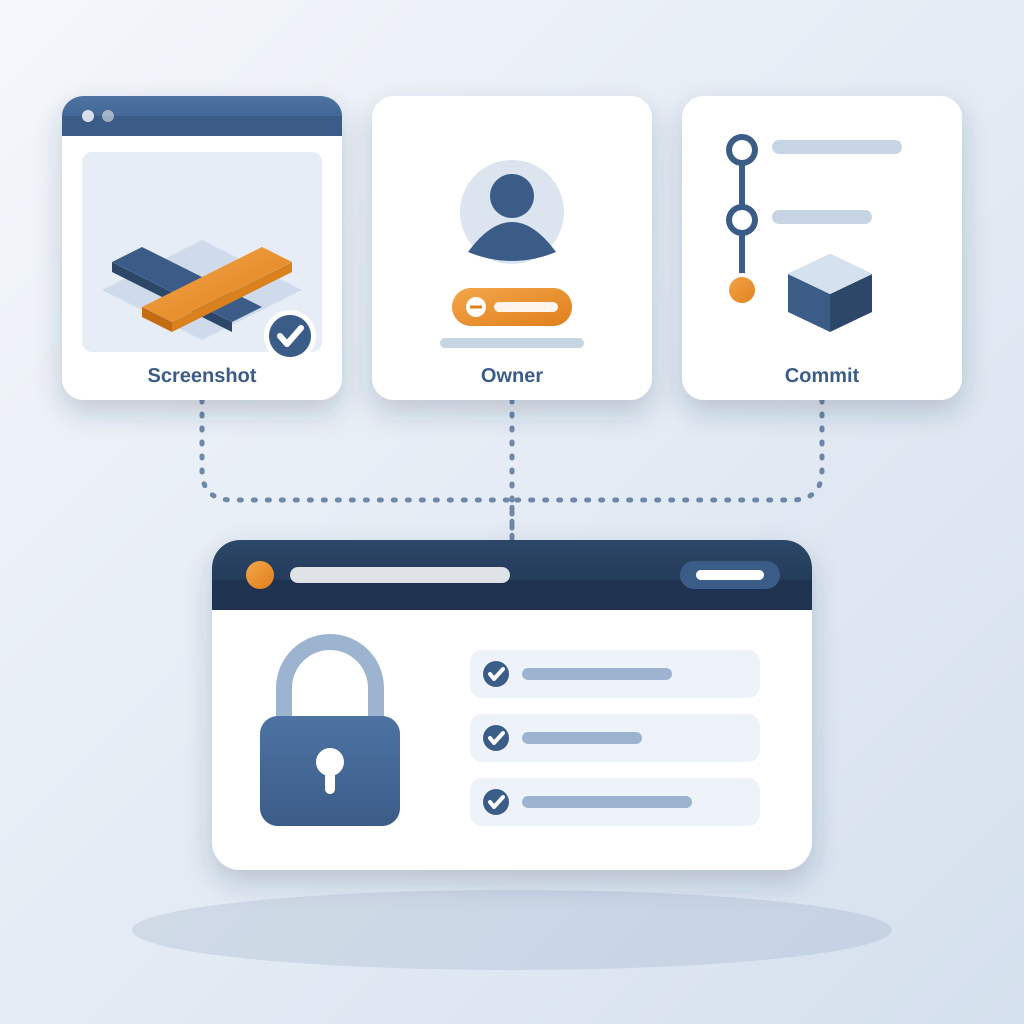
The screenshot is the visual proof. It shows the element in its resolved position, captured from the model, so anyone opening the issue later sees exactly what was fixed. The tagged user is the accountability link. When the next export runs, the system knows who to ask if the condition regresses. The model commit is the technical proof. It ties the close to a specific version of the model, so the fix is not just a claim, it is a diff you can inspect.
That combination changes the behaviour of the whole team. People stop closing issues in a hurry because the close now requires evidence. They also stop reopening old issues because the evidence is attached. The same clash does not come back on site because it never left the record in the first place.
The commit link is the part that matters most for the 5d bim cost estimation workflow. Cost control depends on knowing that the model you are coordinating against is the model that was built. A closed issue without a commit is a claim. A closed issue with a commit is a versioned fact. Only the second one lets you defend a schedule or a change order six months later.
And it works on the model the team already uses. Coordination runs inside Revit and Navisworks, not in a separate portal. The commit is the commit. The diff is the diff. The close is gated where the work happens.
The diff that saves the meeting, and the close that saves the crew
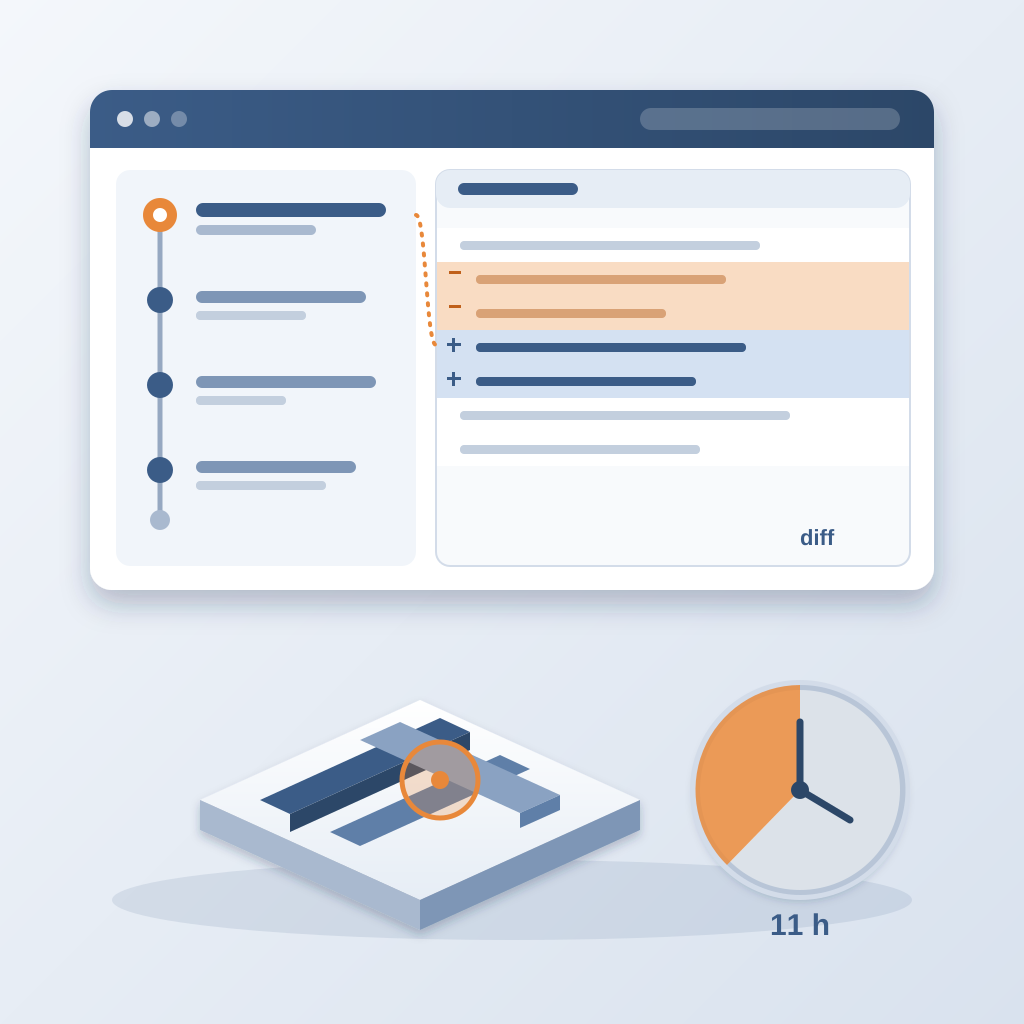
Every export in BidLight is versioned and diffed element by element, by category: structural, MEP, envelope, interior. When a clash moves or a hanger changes, the diff shows it. When an issue is closed against a commit, the next diff confirms the fix is still in place. You see what changed in about 15 minutes instead of a 90-minute meeting.
That same diff is what catches the resurrection. If the duct moves back into the beam six weeks later, the diff flags it before the next export goes to the field. The coordinator sees it in the model, not in a report from a foreman standing under a conflict. The fix is re-applied in the model for about $50 instead of discovered in the field for $5,000 to $50,000.
The 6am digest ties it to people. Every owner gets a list of what they own, what is open, and what is waiting on proof of close. The project view shows who is behind while there is still schedule to recover. No chasing, no guessing, no coordinator acting as a copy-paste machine between systems.
That is how you cut the 11 hours a week spent working out which model version is current. The answer is in the commit history and the diff, not in a thread on Teams. And it is how you avoid the $15K to $50K a week in idle field labour that piles up behind an unresolved clash. The crew is not waiting on a phone call. They are waiting on a record that says the model is ready for them.
None of this requires a new platform or a new process. It requires closing issues the way you would want them closed if you were the one standing on site six weeks later. Screenshot. Tagged user. Commit. Then, and only then, the issue is done.
What this means for the numbers you are asked to defend
The 5d bim cost estimation workflow is often framed as linking schedule and cost to the model. The part that gets skipped is the record. Without a gated close, the cost model is built on issues that may or may not be real. With a gated close, every resolved clash is a versioned fact you can show a client, an owner, or a lender.
That matters for the figures people ask about. Bim modeling cost per square foot and bim cost per square foot in india are not just pricing questions. They are questions about what is included in the coordination scope. A workflow that closes issues against the model commit includes proof. A workflow that closes on a handshake does not. The difference shows up in rework, idle labour, and change orders, which is where the real cost sits.
For aec cost estimation services for general contractors, the audit trail is the deliverable. Revit bim cost estimating services get judged on whether the number holds up after the project starts. An issue log that closes only with evidence is the kind of record that holds up. It shows what was coordinated, when, and against which model. That is the difference between a number you hope is right and a number you can defend.
This is also where user generated content campaign ideas come from. The best story a coordinator can tell is not a feature list. It is the clash that came back and the fix that made sure it never did again. Real records make real stories. Send us a model export and watch one issue close the way it should. You will see the commit, the screenshot, and the user, and you will see the issue stay closed on the next diff.
The takeaway is simple. A fix without proof is not a fix. It is a delay. Close issues against the model commit and the same clash does not come back six weeks later. Solve it in the model, not in the field. That is where the $50 lives instead of the $5,000 to $50,000.