Who Moved the Duct? Why You Keep Losing Bids
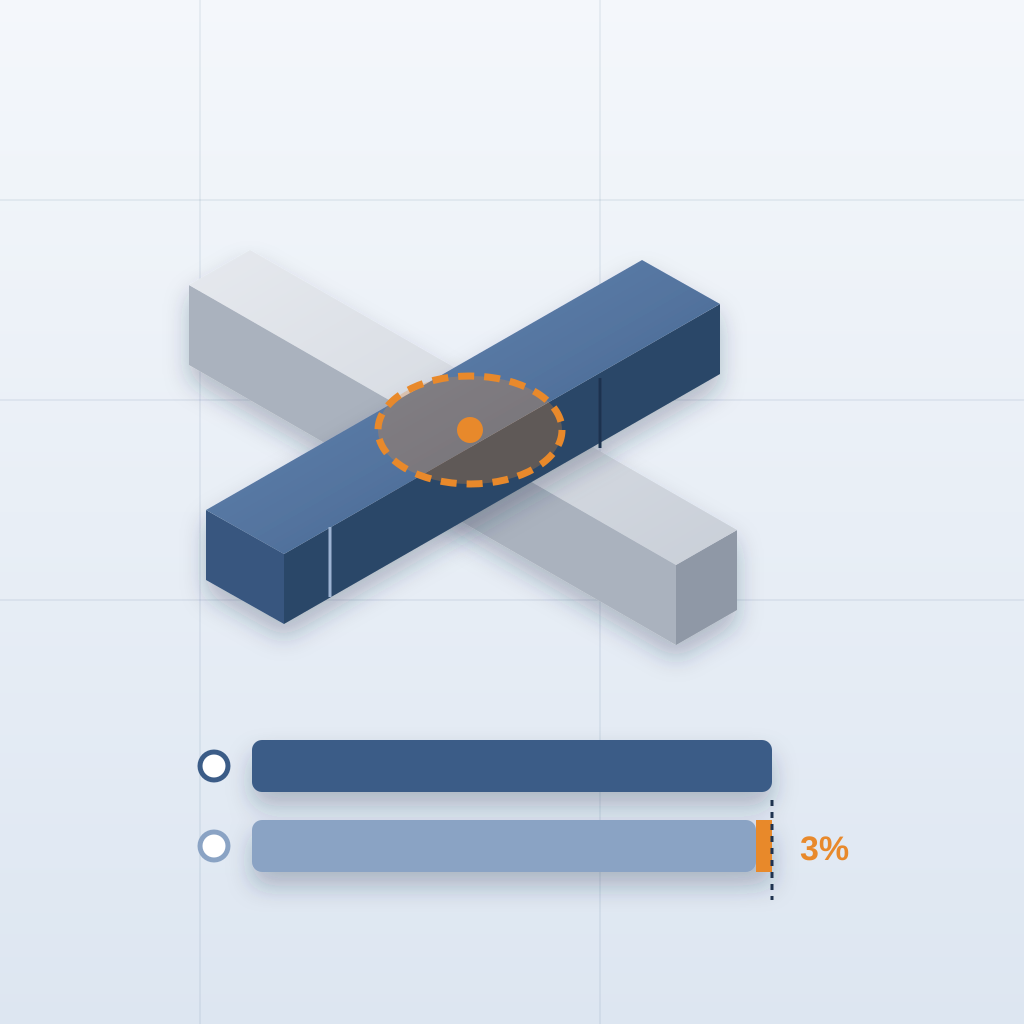
The 3 Percent Was Probably Not Price
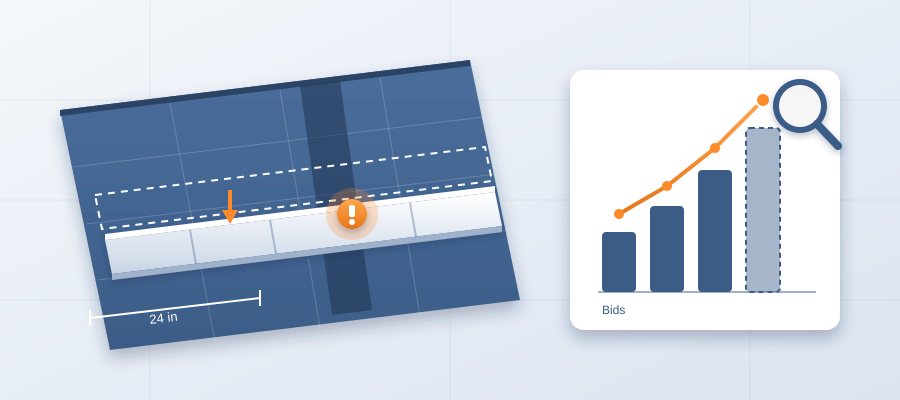
Your last bid lost by 3 percent. Sit with that for a second. Three percent is not a strategy gap. It is a timing gap. It is the distance between what the project costs today and what your number said it cost three weeks ago when you locked the sheet.
Here is how it usually plays out. The architect pushes a wall out 18 inches to fix a corridor width. Nobody flags it to estimating because it looks minor. Your takeoff still shows the original partition length, the original door count, the original linear feet of base. You submit. You lose by a number that sits inside the scope you never re-priced.
You cannot defend a number you did not watch move. That is the whole problem. Your estimate was true on the day you built it and false on the day you sent it, and nothing in your process told you which day you were living in.
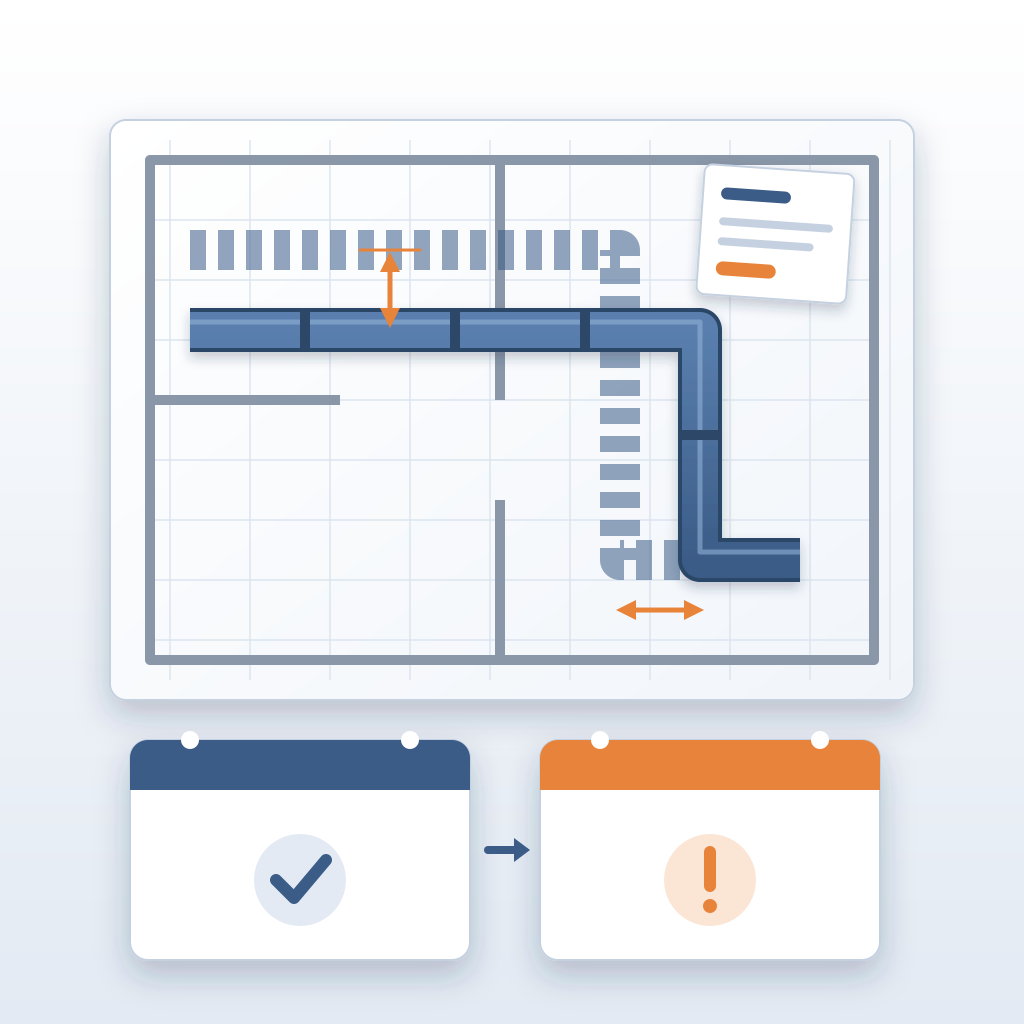
BidLight keeps one live record of the project inside Revit and Navisworks. You export the model and get labour, equipment, material and time costs in minutes. When the design changes, the number changes with it. That is not a feature list. That is the reason the 3 percent stops being a surprise.
If you lost by 3 percent, the honest question is not what your competitor charged. It is how long your number had been sitting still while the model kept moving.
Stale Takeoffs Are the Real Bid Killer
Every estimator knows the feeling. You built the quantity takeoff carefully. You checked the assemblies. You priced it. Then you built another bid, and another, and the first one quietly aged in a folder while the design team kept issuing revisions you never saw.
A stale takeoff is not a mistake anyone made. It is what happens when the estimate lives in one place and the model lives in another. Two records of the same project, updated by different people, at different times, for different reasons. The gap between them is where margin dies.
The cost is not just the lost job. It is the rework before you even submit. You get the revision set, you re-measure the affected areas, you re-check the door schedule, you re-key quantities into the pricing file. Hours of work that produce no new information, only restored confidence in a number that should have been current the whole time.
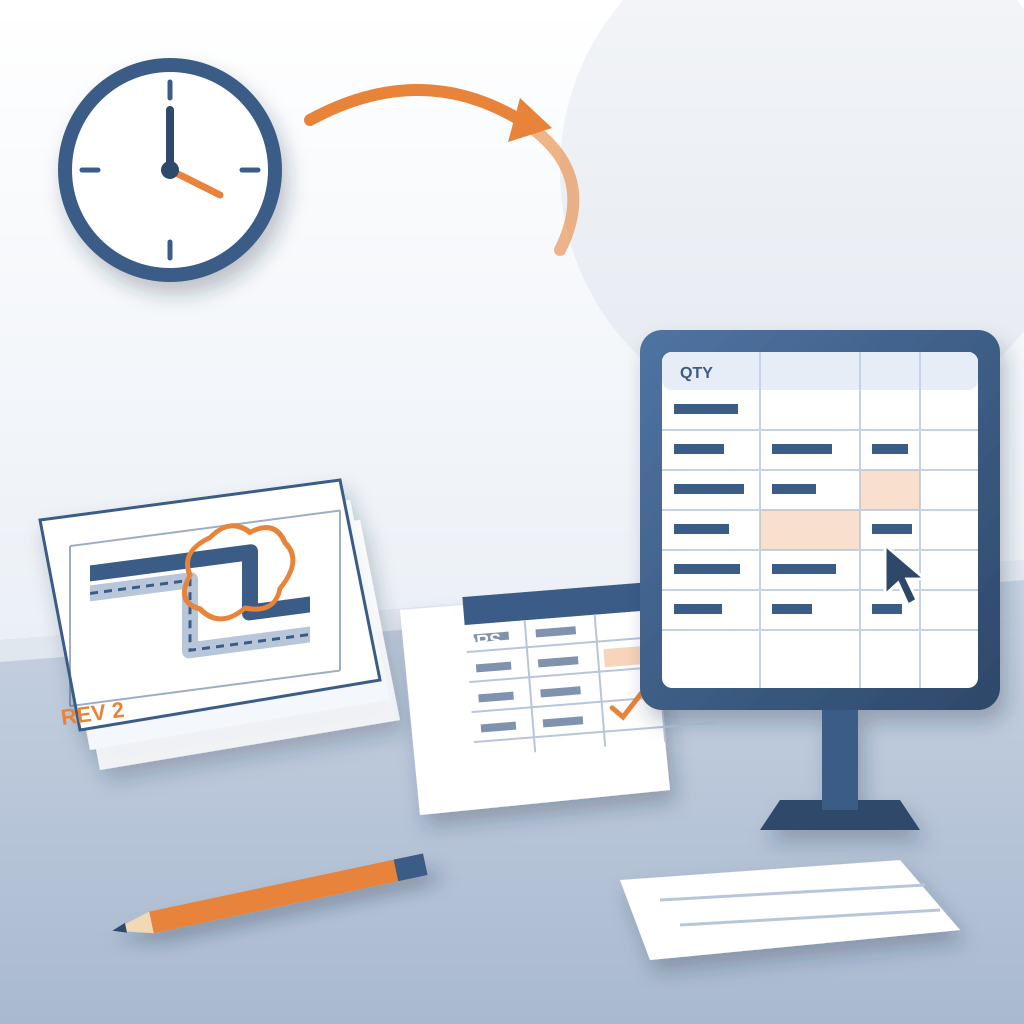
Think about how many bids you run a year. If even a third of them carry a rework pass because the model moved and the takeoff did not, you are paying for that in salary, in turnaround time, and in the bids you skip because there was no room in the week.
BidLight removes the second record. The estimate is not a copy of the model or a snapshot of it. It reads the model. When the model is current, the estimate is current. That is the difference between chasing updates and not having to chase them.
The result is plain. Estimates in minutes, not days. A number that holds when the design shifts. And a defensible answer when the owner asks why the price changed between revisions.
A Door Moves Two Inches. Your Price Should Move With It.
Two inches sounds like nothing. A door shifts two inches in a wall, the framing changes, the header changes, the finish transitions change, the hardware set may resize to match a different leaf. Multiply that by every door on the floor and the swing is real money.
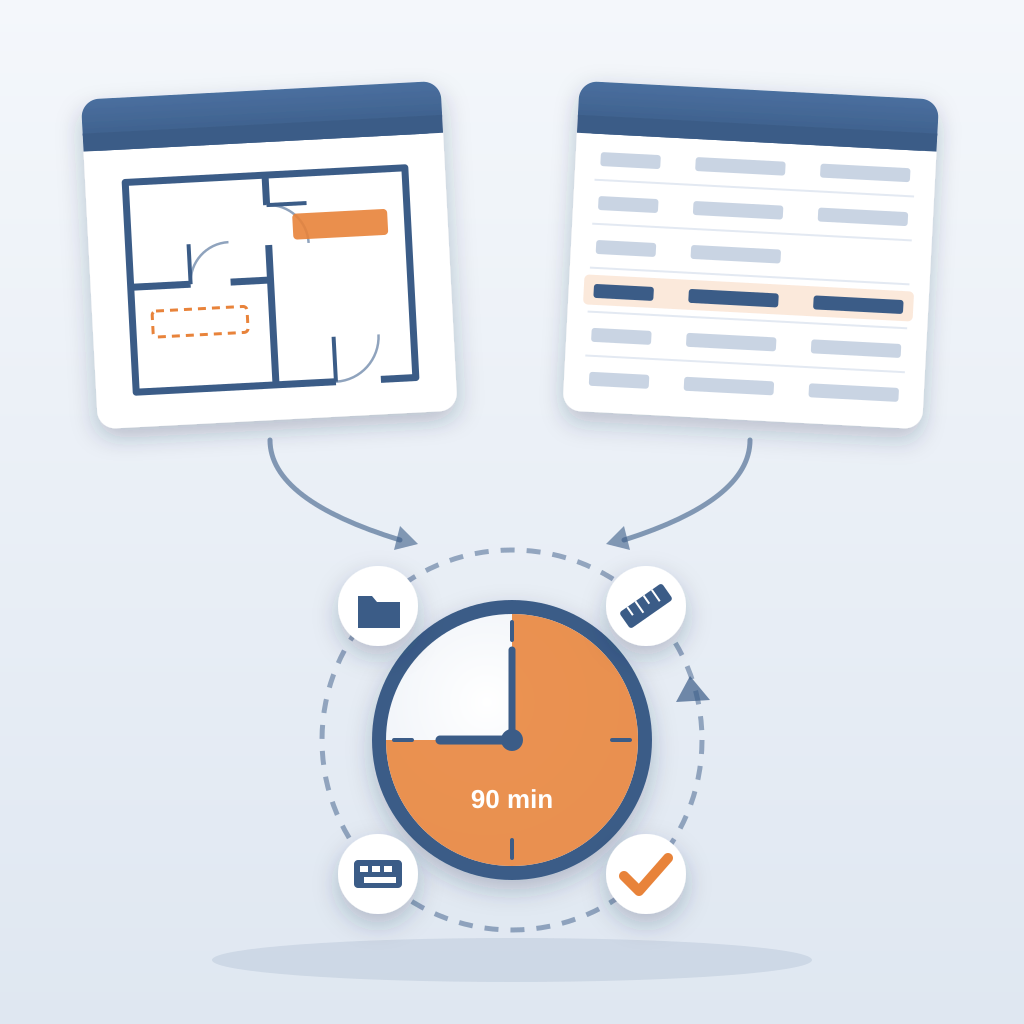
Most estimating workflows never see that. The door schedule in the pricing file says what it said last week. The response is to price it again, which means somebody re-opens the model, re-measures, re-keys, and re-checks. That is 90 minutes of work for a two-inch move. BidLight does it in about 15 minutes because the cost is riding on the same model the change lives in.
AI reads the geometry and the metadata to classify BOQ line items at 86% accuracy. That number matters because it is honest. It means you trust the classification and check the exceptions, instead of checking everything. You keep your judgment where judgment is worth money and stop spending it on line matching.
Pricing pulls from a $30,000 database and Craftsman, 1Build, and RSMeans. When the quantity moves, the new quantity meets current pricing without a separate research pass. When the design change is cosmetic, the number barely moves, and you can say so with confidence.
That door move is a change order waiting to be documented. If your number updates the moment the model does, you have the before and the after already recorded. You are not reconstructing a price from memory three weeks later when the owner finally asks.
Numbers You Can Defend Win More Work
Owners do not lose interest because a number is high. They lose interest because they cannot see where it came from. A bid that arrives with a live model record behind it answers the follow-up questions before they are asked. A bid that arrives as a stack of spreadsheets invites skepticism.
Defensibility is not a soft benefit. Firms that can show their work move through the evaluation faster and get invited back more often. Teams we work with report win rates around 35 percent higher, and the pattern behind that is not aggressive pricing. It is confidence on both sides of the table.
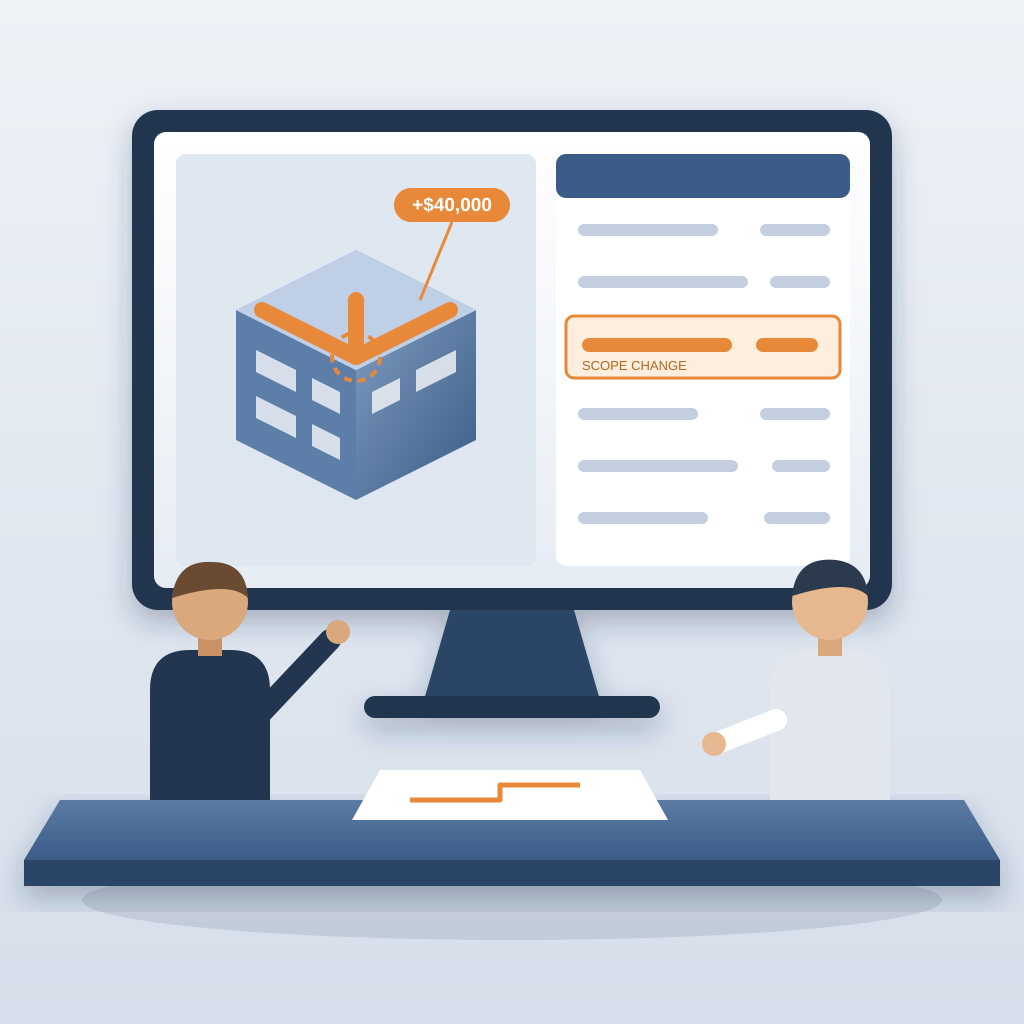
When the architect asks why the budget rose $40,000 since the last meeting, you do not have to guess or promise to circle back. You open the model record and show the scope change that caused it, line by line. That conversation takes two minutes and ends with the client trusting your process. Compare that to the version where you spend a week redoing a justification.
This is also why early estimates become a service you can bill for. If the number is tied to the model, it stays useful from concept through construction documents. Clients will pay for a running budget they can check against, not a one-time document that expires.
Your competition is often guessing too. The team that wins is not the one with the lowest number. It is the one whose number survives scrutiny.
What Happens When You Stop Chasing Scattered Updates
The hidden tax on estimating is not the hours spent pricing. It is the hours spent hunting. A revision here, a marked-up PDF there, a door schedule attached to an email nobody forwarded, a note in a meeting minutes doc. That is the chase, and it eats the week.
When there is one live record of the project, the chase stops. The model is the source. The cost reads the model. If something changed, the number changed with it, and you can see what moved instead of reconstructing it from six sources.
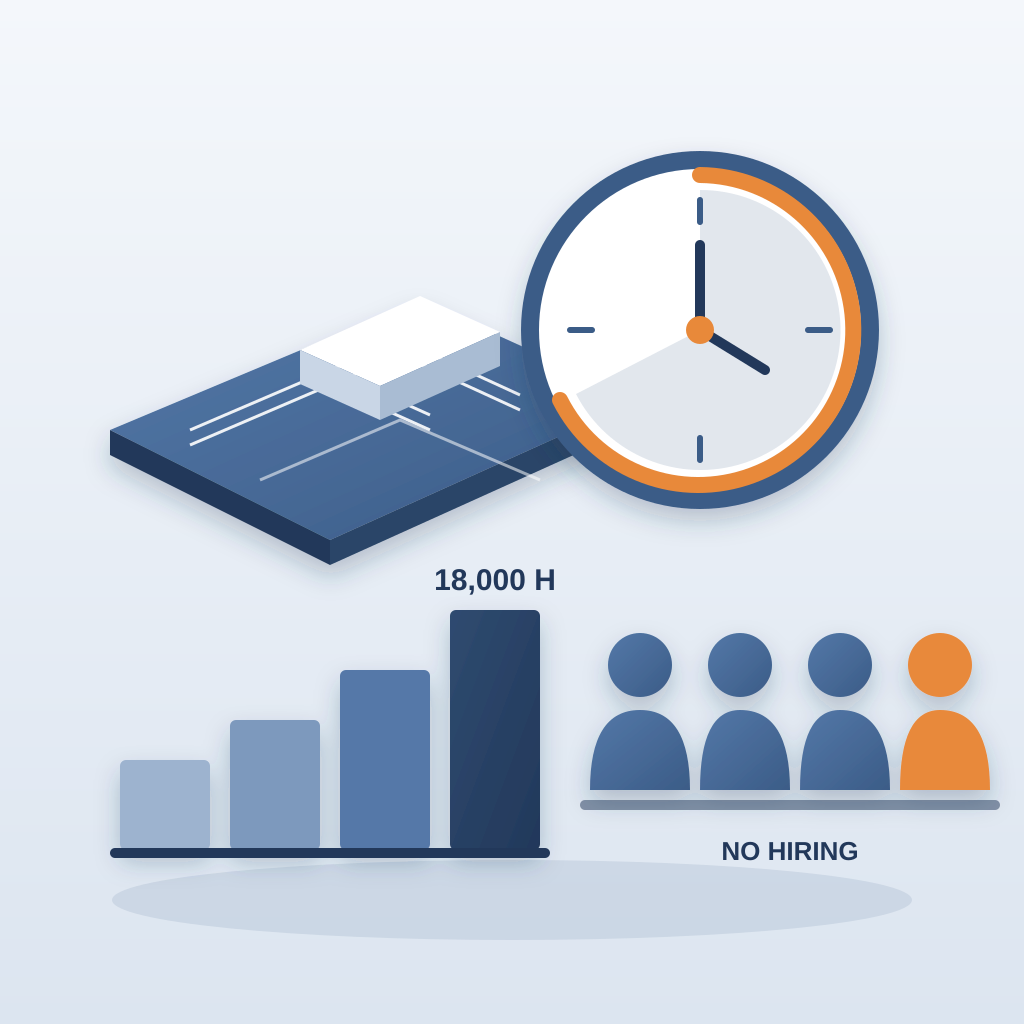
Teams we work with report 18,000 hours saved across their estimating workflows. That is not a rounding error. That is the equivalent of headcount you get back without hiring, and it goes straight into the bids you currently decline because there is no room in the calendar.
The turnaround difference is the part clients notice. A question at 4:55 pm gets an answer before the coordination meeting ends instead of a promise to follow up tomorrow. An owner who gets the number on the spot trusts the firm that gave it. That is how a two-minute answer becomes the reason you are on the shortlist.
BidLight plans run from Basics at $260 per licence per year to Max at $590, with custom Enterprise pricing. If you want the done-for-you version, we also handle BIM work directly: execution plans, 4D and 5D, and fabrication detailing.
The pitch is plain. Stop chasing scattered updates. Stop redoing takeoffs. Put the cost on the model and let the number move when the design does.
The Takeaway: Put the Cost on the Model
If you remember one thing about why that bid went the other way, remember this. BidLight keeps one live record of the project inside Revit and Navisworks, with cost riding on the same model. That single sentence is the difference between a number that ages and a number that holds.
You will still lose bids. Some jobs go to a firm with a lower number, a better relationship, or a schedule that fits the owner's financing. That is the business. What disappears is the loss you cannot explain, the 3 percent that came from a stale takeoff instead of a real pricing decision.
Start with one project. Export the model, look at what the number does when the design moves, and compare it to what your current process would have produced. You do not need a pilot program or a committee. You need one job where the answer arrives while the question is still being asked.
The teams that win more work are not the loudest ones. They are the ones whose numbers survive contact with reality. Get your estimate on the model, let it update when the design does, and walk into the next bid review with something you can defend.