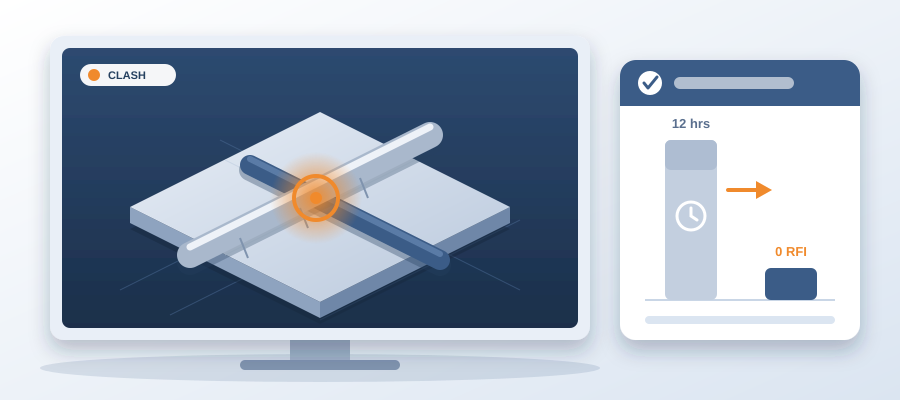
The Change That Didn't Need a Second Meeting
The Thursday Afternoon Model Change
You are staring at a model change on a Thursday afternoon. The review lands Monday. Old move: call a meeting, flip between two models, mark up sheets, send notes, hope everyone reads them. New move: publish from Revit, compare the new revision against the last, and read the list of what changed. About 15 minutes instead of a 90-minute meeting. No all-nighter.
Design changes are not emergencies. They are just changes. Yet for most coordinators, a model revision triggers a cascade of manual work: comparing views, re-typing notes, re-checking each trade. That is time you do not have when the deadline is fixed.
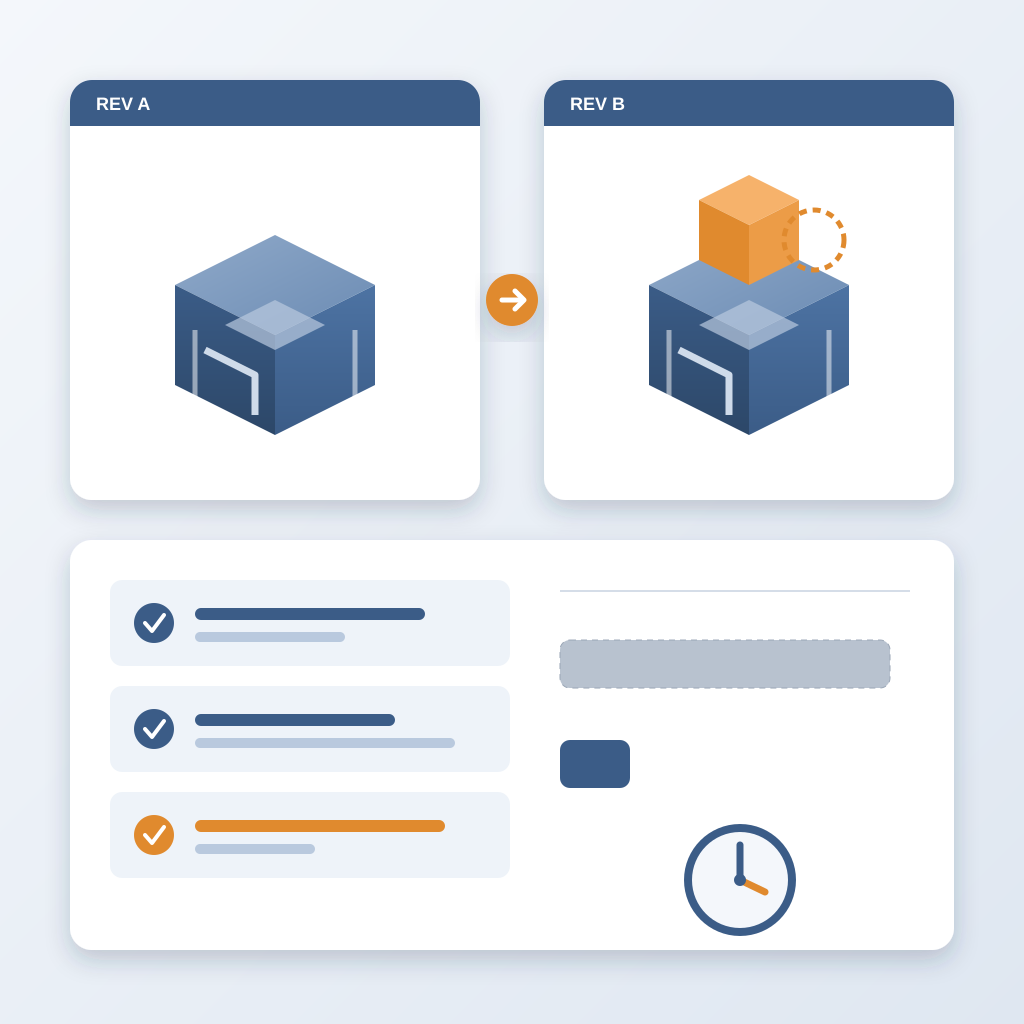
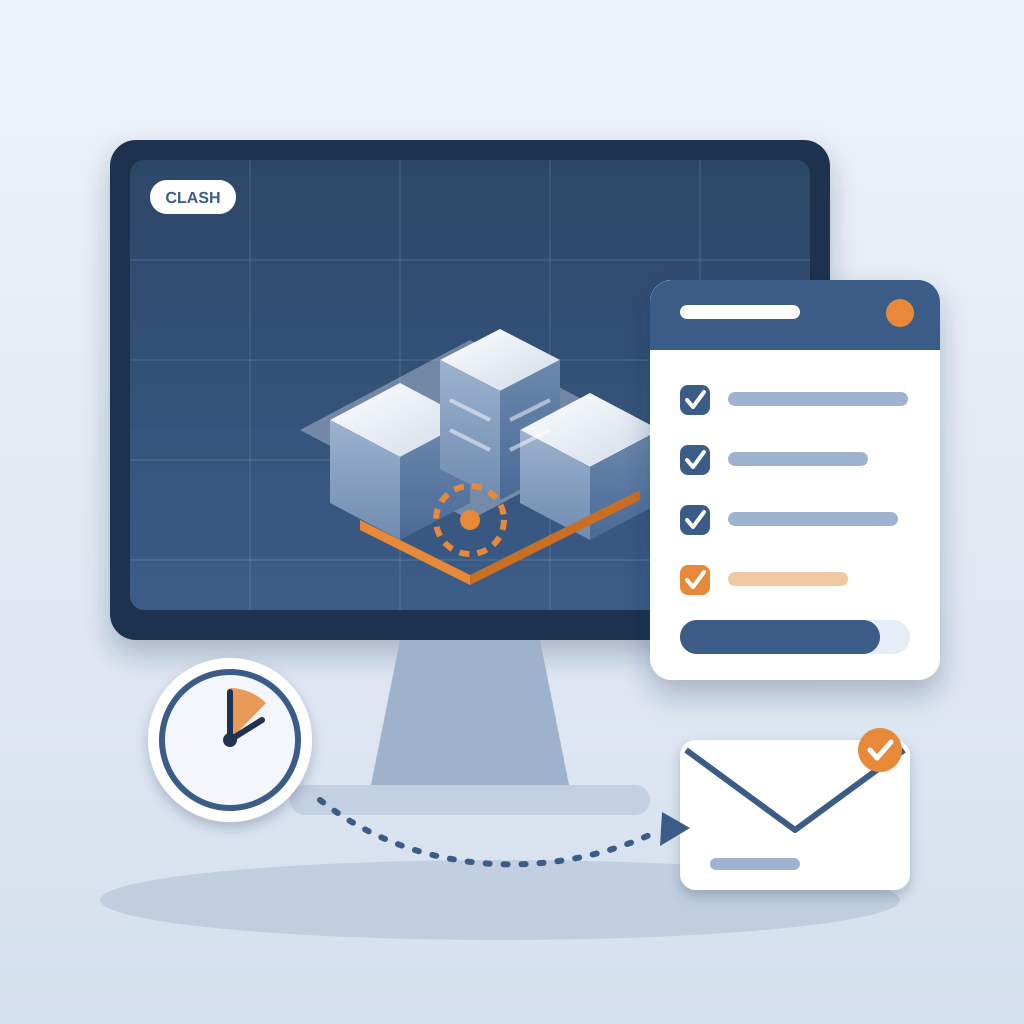
BidLight changes the math. Every publish is a versioned snapshot with its own files, author and milestone. When the model changes, you compare two snapshots and see which elements moved, grouped by category: structural, MEP, envelope, interior.
The result is a short review. You do not start over. You do not cross-reference three spreadsheets. You open the comparison, check the handful of elements that touch open issues, and you are done. The change that did not need a second meeting is the one that protects the schedule, not because everyone agreed, but because everyone could see.
This is what value engineering with BIM models should look like: design decisions land in a record that shows consequences at once. Instead of waiting three days for the facts, you give the team a view that reflects the latest Revit model. That speed builds trust.
Why Manual Review Undermines Value Engineering
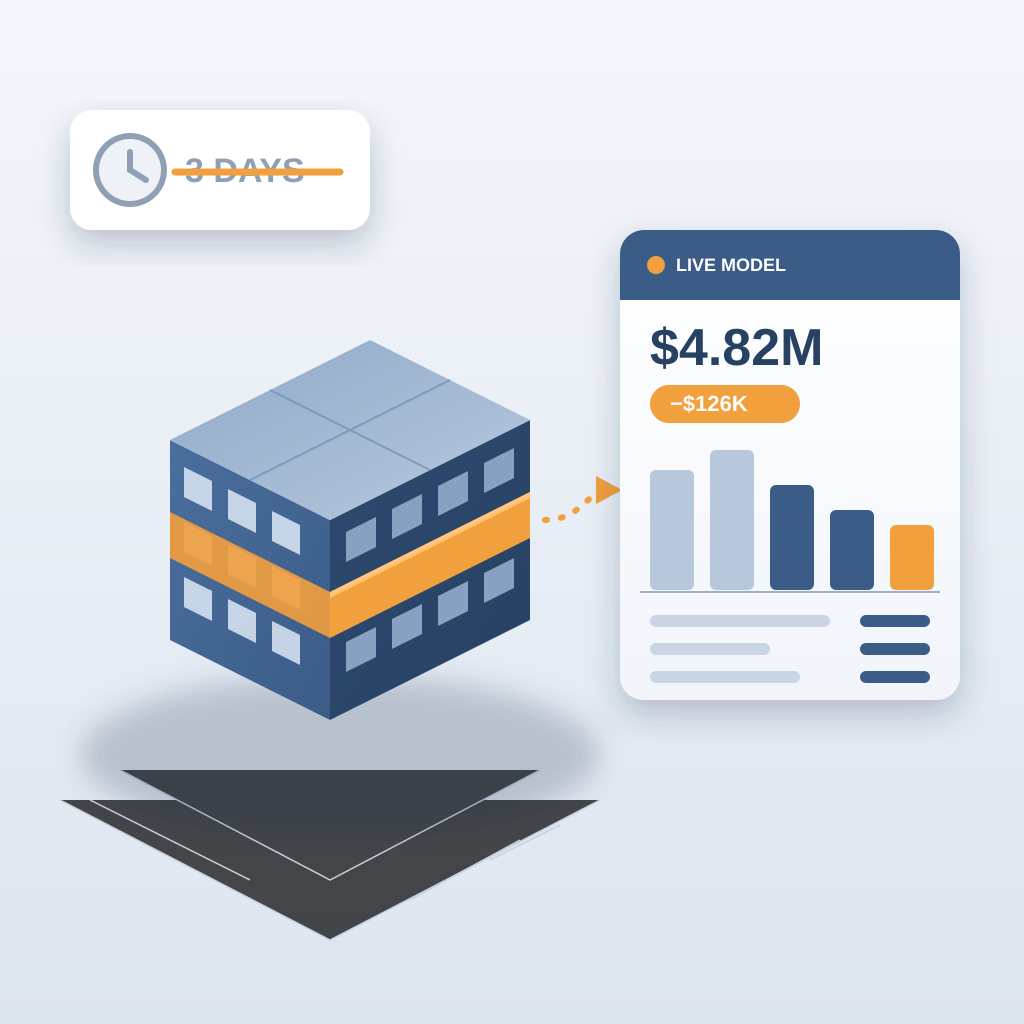
Value engineering only works if you can answer the question: what does this change touch right now? If you are still comparing by hand, the answer arrives too late. By the time you have checked everything, the design team has moved on to the next revision. Your input becomes history, not a decision tool.
Consider a typical scenario: the architect shifts a core wall four inches to align with a structural column. In a manual workflow, that change cascades through every trade: concrete, rebar, MEP rough-ins. Your team spends days collecting the facts, then more days coordinating with subcontractors. By the time you have a clear view, the owner has already approved a change based on a rough guess. The opportunity to choose a cheaper path is lost.
BidLight removes that delay. Publish the updated Revit model, and within minutes you have a comparison with every changed element listed. You focus your review on the exceptions instead of rechecking everything.
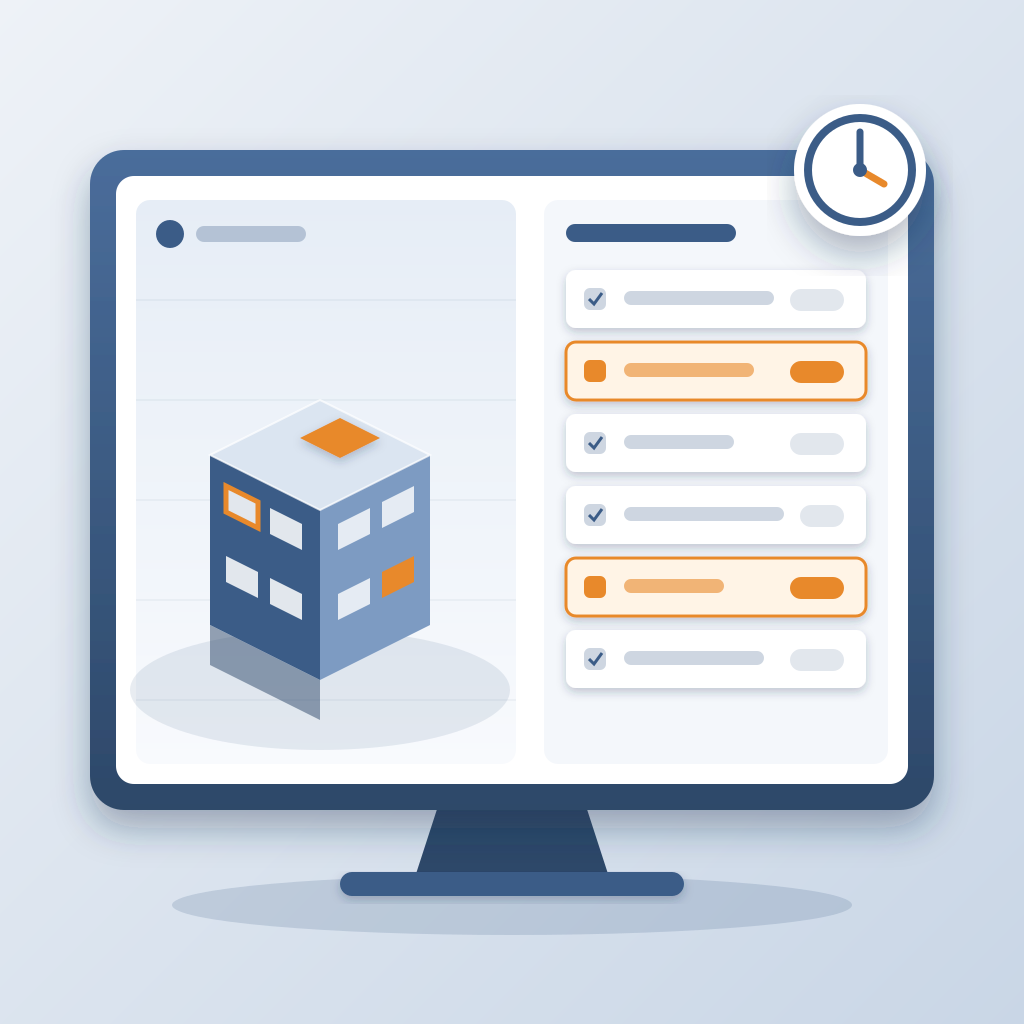
This speed changes how you engage with design teams. Instead of always reacting, you can offer proactive input. When the architect asks, "What if we reduce the cladding thickness by 2 inches?" you can show what it touches in the same meeting, not three days later. That is real-time trade-off thinking.
The manual alternative is not just slow; it is risky. Each manual comparison introduces missed items and stale files. With BidLight, the comparison follows the same element-level rules every time, so the answer is consistent. Your team gets a view they can defend, not an educated guess.
Turning Model Changes Into a Service
When you can review a change in minutes instead of days, you stop treating revisions as emergencies. They become a chance to show how well the project is run. The coordinator who emails the team with a clear change list within hours of a revision looks organized, responsive and reliable. That reputation wins repeat work.
BidLight's done-for-you BIM services take this further. Beyond the software, the team handles execution plans, 4D sequencing, fabrication detailing and spooling. You can offer a complete package, from a developed Revit model to a coordinated, sequenced plan. The owner does not need to hire a separate consultant for each discipline.
BidLight is priced per license, billed annually or monthly: Basics at $260 a year ($30/month), Core at $330 ($39/month), Complete at $440 ($51/month) and Max at $590 ($69/month), with custom Enterprise pricing. Every plan includes unlimited projects, and AIA members get discounts of up to 29%.
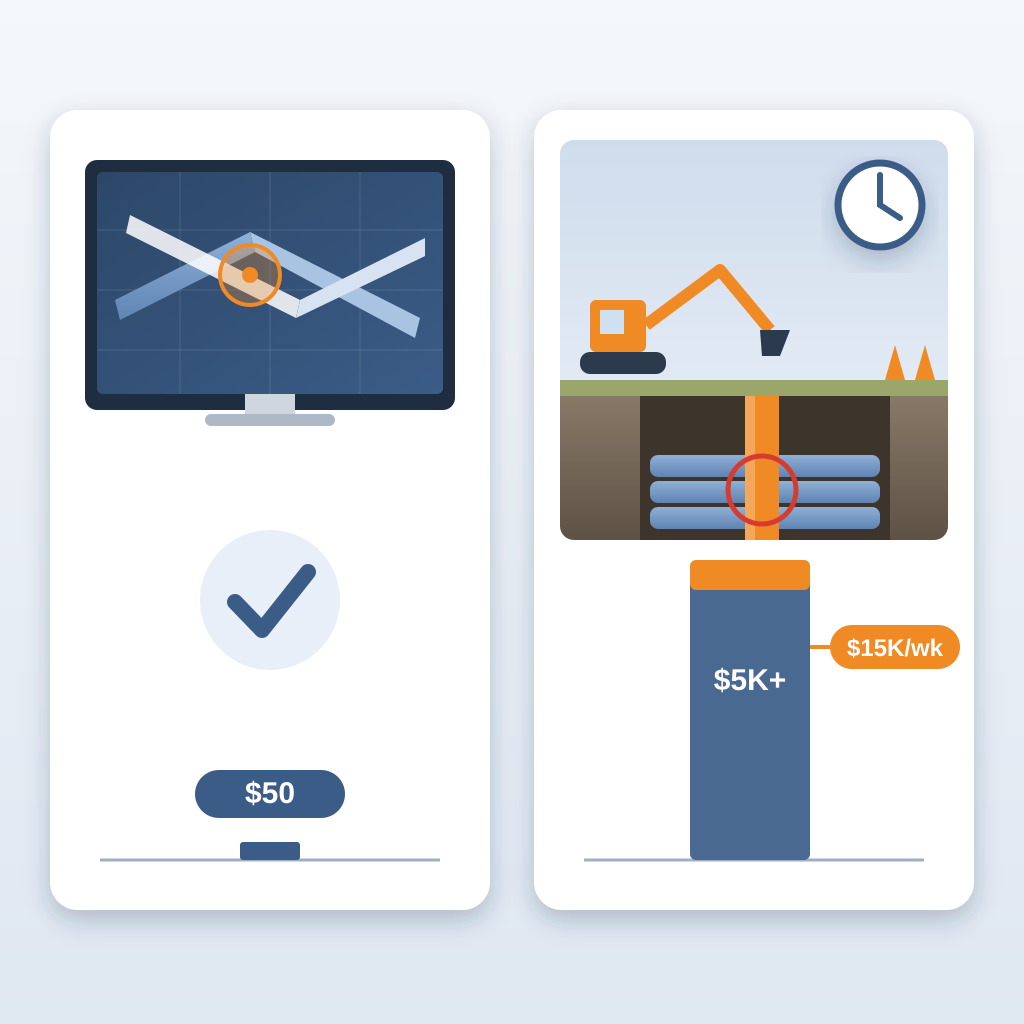
But the real value is not in the subscription. It is in the rework you avoid. A clash caught in the model costs about $50. The same clash found in the field costs $5,000 to $50,000, and an unresolved one can burn $15K to $50K a week in idle field labour. Count the late changes you absorb in a year and the saving explains itself.
The Record That Holds Up
Every change you flag is a promise that someone will deal with it. If nobody does, you either eat the loss or face a contentious change order. A record that holds up is not optional. It is the foundation of trust in construction.
In BidLight, an issue closes only with proof: a screenshot, a tagged user and the model commit that delivered the fix. When you say an item is resolved, the record shows how. It is not a judgment call from a meeting two weeks ago. It is a data point tied to the model.
The elements that stay open are usually the unusual ones: odd assemblies, incomplete data, a change with two possible owners. Your job is to settle those known unknowns rather than rechecking everything. That is where human judgment still matters. You decide the hard cases, and the record handles the routine ones.
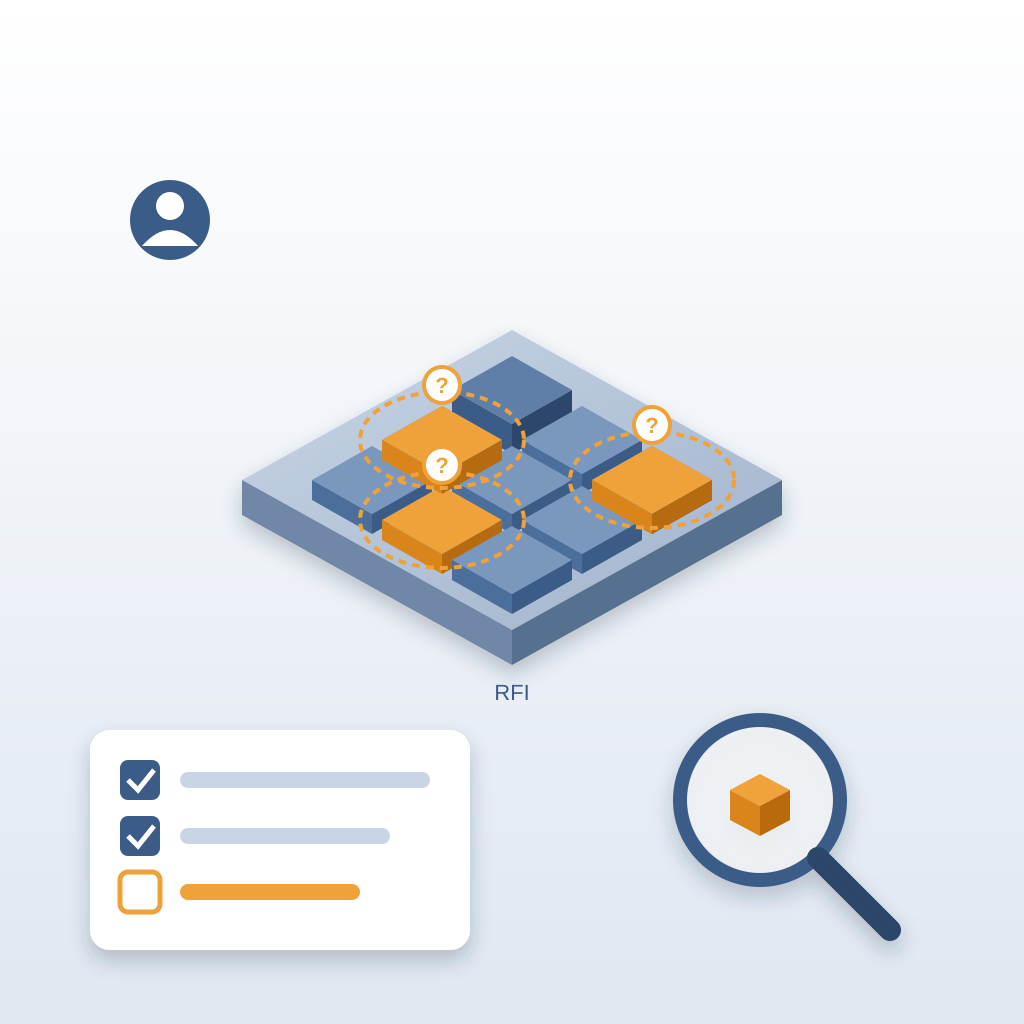
When you present the record to a client, you can back it up. The owner sees what changed, who owned it and what proved it closed. You are not hiding behind a status line. And when the design changes again and you publish a new snapshot in minutes, you are not guessing. You are referencing the same record. That is how the change that did not need a second meeting becomes the one that keeps the job on schedule.