The 6am Digest Email Nobody Wants to Send, and Why That Is the Point
Somebody on Your Team Is the Human Version of a Status Report
Ask around any mid-size AEC firm and you will find the same job description hiding inside someone else's title. Estimating manager. BIM lead. Project engineer. Every morning between 6 and 8 they stop doing their actual job and become the human version of a status report. They open Revit. They open Navisworks. They open the shared drive, the RFI log, and four email threads. Then they write it all down so everyone else can start the day pointed the same direction.
That person is not writing anything you could not already know. The model already knows. The federated model has every element, every parameter, every clash, every revision. The information exists. It is just spread across files and inboxes that do not talk to each other, so a person has to crawl through them by hand and retype the answer into an email at dawn.

Here is what that costs. One to two hours a day for one senior person. That is 250 to 500 hours a year doing work a machine should do. Put a loaded rate on it and you are writing a check for the privilege of retyping things that were already true in the model when they were written.
And the number is not the worst part. The worst part is that the digest is stale the moment it lands. The architect pushed a wall at 7:40. Somebody moved a grid at 8:15. By the time everyone has read the 6am email, the email is describing a project that no longer exists.
The people reading it know. They still ask in the 10am call. Did anything change? That question is the real cost. It means nobody trusts the digest, so the chase starts over anyway, and the person who wrote it gets asked to do it again tomorrow.
The Digest Is Not the Problem. The Manual Compile Is.
I want to be clear about what I am criticizing here, because the 6am digest itself is a good idea. A single morning readout that orients the whole team is exactly what a project needs. The problem is that a human has to assemble it by hand every day, and hand assembly is where the errors live.
Manual compiles fail in predictable ways. Someone forgets to check the submittal log. Someone grabs Tuesday's quantities because that was the last export they ran. Someone notes a clash as resolved when it was closed in the viewer but not moved in the model. None of that is carelessness. It is what happens when one person coordinates several moving records with their eyes and their memory.
On a bid, those errors have a price. A quantity that is a week old can swing an estimate by six figures on a big job. A clash marked resolved that is not resolved shows up later as a change order you eat. A door count that says 1,100 when the model says 1,200 is a bid that cannot survive the first walkthrough.
Now think about the daily rhythm. If your digest is built by hand, your updates arrive once a day, in one direction, already behind. If your digest is built from the live record, updates arrive when they happen, in both directions, and everyone is reading the same version of the project at the same time.
The point of the 6am digest is not the email. It is the shared truth it delivers. If the email is the only thing carrying that truth and it is written by a tired person at 6am, you have a single point of failure with a nice subject line.
How to Measure This Over Time Without Fooling Yourself
Most firms measure nothing here, which is why the pattern repeats. Someone says the morning update takes about an hour. Nobody checks. A year later it takes ninety minutes and two people, and still nobody has a number.
If you want to know whether this is a real problem or just an irritation, measure it the way you would measure any other cycle. Pick a proxy for how fast your project truth moves versus how fast your reporting moves. Count the hours between a model change and the first person outside the authoring team knowing about it. Count how many times a week someone re-asks a question the digest already answered. Count how many rework hours trace back to a version that was current when it was read and wrong by the time it was acted on.
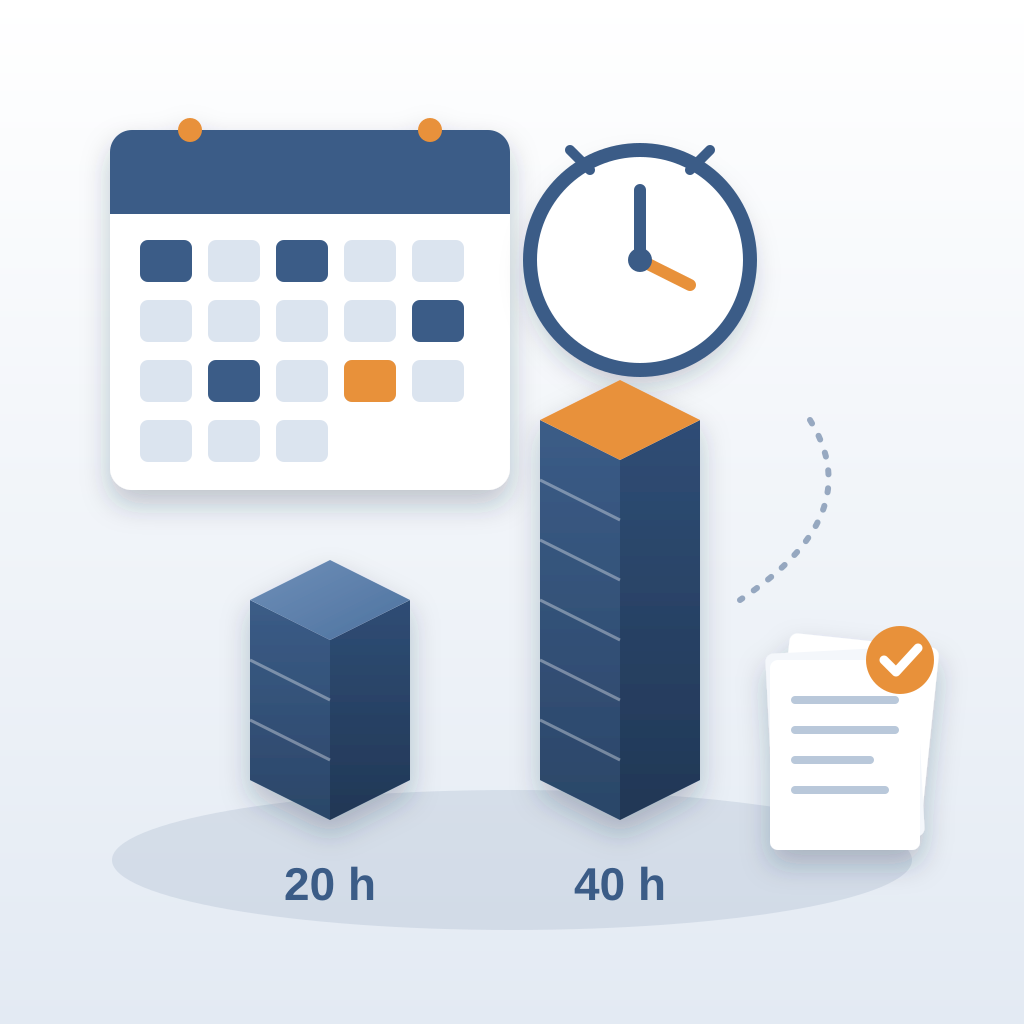
The number that matters most is hours saved on the compile. Track it for a month. If it is twenty hours, that is twenty hours your senior estimator spent on bids instead of transcription. If it is forty, you have found a role you can stop paying for. Either way, you have a defensible number for the next budget conversation instead of a feeling.
The Digest That Writes Itself and Still Says Something
BidLight keeps one live record of the project inside Revit and Navisworks. You publish from Revit and get labour, equipment, material, and time costs in minutes, not days. That number updates when the design changes, which means the 6am digest is no longer a report about the project. It is a readout of the project.
Two AI models read geometry and metadata and classify BOQ line items at 86% accuracy, pulling current pricing from a database that costs roughly $30,000 a year to maintain, plus Craftsman, 1Build, and RSMeans. That is the part that turns a status email into something an estimator can defend. It is not a summary of what someone thinks the quantities are. It is the quantities, priced against today's numbers, attributed to the geometry they came from. When an architect moves a wall on Tuesday afternoon, Wednesday's readout reflects it, and so does the cost.
The team that gets the 6am digest is the same team that stops asking, did anything change? The change is already in the record. The clash is pinned to the geometry. The RFI has an answer in the model. Nobody has to compile it because nobody assembled it in the first place. It was always just the state of the project, formatted and sent.
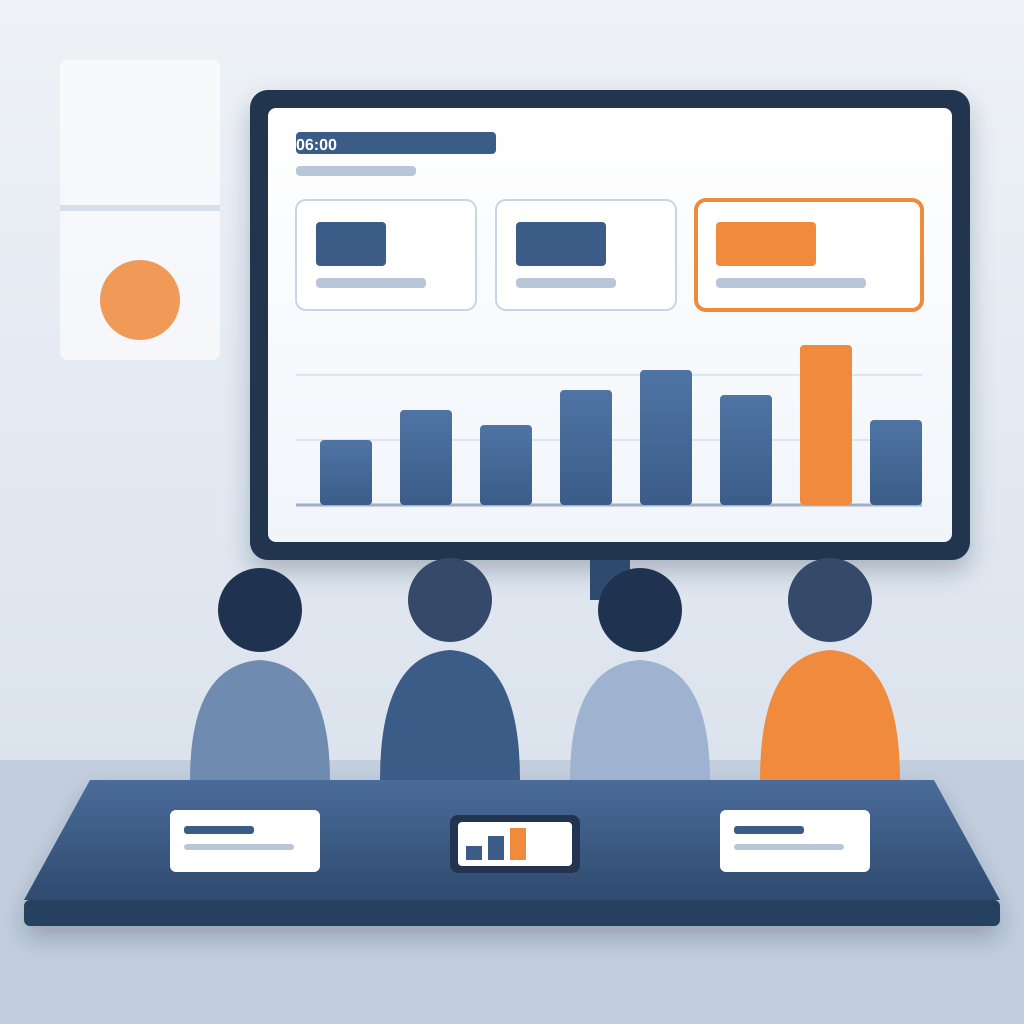
That changes what the morning meeting is for. Instead of lining up reports, you are deciding what to do about what the report says. Instead of a project engineer narrating a status, you are looking at numbers your whole team can defend in front of a client. That is the shift, and it is not really about email. It is about where the truth lives.
What This Looks Like When You Stop Chasing Updates
Picture the same firm six months later. The estimating manager is not writing the morning update. She is reviewing it on her phone before she gets to the office. The number she is reading is current as of the last model commit, and it will be current again after she opens Revit.
When the architect calls at 2pm and asks what a layout change does to the budget, she answers on the call. Not next week. Not after a re-export. She opens the model, changes the layout, and reads the new number. That is the same capability that makes the digest possible. If your estimate updates when the design moves, your status update is just the estimate with a timestamp.
That also opens a service line. Early estimates become something you can bill for because they arrive in minutes and hold up under scrutiny. A client asking for a quick cost read on a concept is now a billable conversation instead of an internal favour. And the firms that have this are the ones that stop losing bids on stale pricing and start winning on numbers they can defend.
The 6am digest is a small thing. One email, once a day. But it is the clearest signal of whether your firm is still chasing updates or has moved past the chase. If someone on your team is spending their morning being the human version of a status report, that is not a process problem you manage. That is a job you should delete, and the record should do it instead.
Start there. Pick one project. Stop compiling the digest by hand for thirty days and let the model speak for itself. If nobody misses the manual version, you have your answer about how the rest of your reporting should work.