Articles

Your competitor just bid $2,000 under you. Not because they're faster — because their pricing database is. BidLight pulls unit costs from RSMeans, Craftsman, and 1Build — databases that cost $30,000 a year — and puts them inside Revit.

The $30,000 Question Your Competitor Won't Ask

The Real Reason Your Bids Lose by $2,000

You just lost a bid by $2,000. The owner went with the other firm, and this one hurts because you thought your number was right. You checked your labor rates, called three material suppliers, and spent half a day on pricing. But they still undercut you. The difference isn't effort, it's data.

They're pulling unit costs from RSMeans, Craftsman, and 1Build, databases that cost $30,000 a year. You're Googling, calling subs, and guessing. That gap in accuracy is the real reason they took the job. Their numbers are defensible because they come from vetted, current sources. Yours are based on a three-year-old spreadsheet and a supplier who hasn't updated pricing since February.

Here's the thing: you don't need a $30,000 database of your own. BidLight brings those same sources inside Revit with a single monthly subscription. Your next bid can have the same accuracy as the competitor with the budget for three separate database licenses.

Here's the thing: you don't need a $30,000 database of your own. BidLight brings those same sources

AI estimation in construction shouldn't cost a firm's entire IT budget. How does AI estimate construction costs? By reading your model geometry and metadata, classifying line items with 86% accuracy, and instantly matching them to current pricing from multiple trusted databases. The result is a bid you can defend in a meeting.

Let's look at what happens when you keep doing it the old way. Every hour you spend going back and forth between Revit and external cost databases is an hour your competitor spends on pricing more work. They're not smarter, they just have better tools.

Why Manual Estimating Creates Hidden Errors

Manual cost estimating has been a necessary evil for decades. You build a model, export quantities, then manually look up unit costs in a thick book or an online portal. You type numbers into a spreadsheet, cross-reference with supplier quotes, and hope you didn't miss a line item. The process is slow, error-prone, and depends entirely on the estimator's memory and patience.

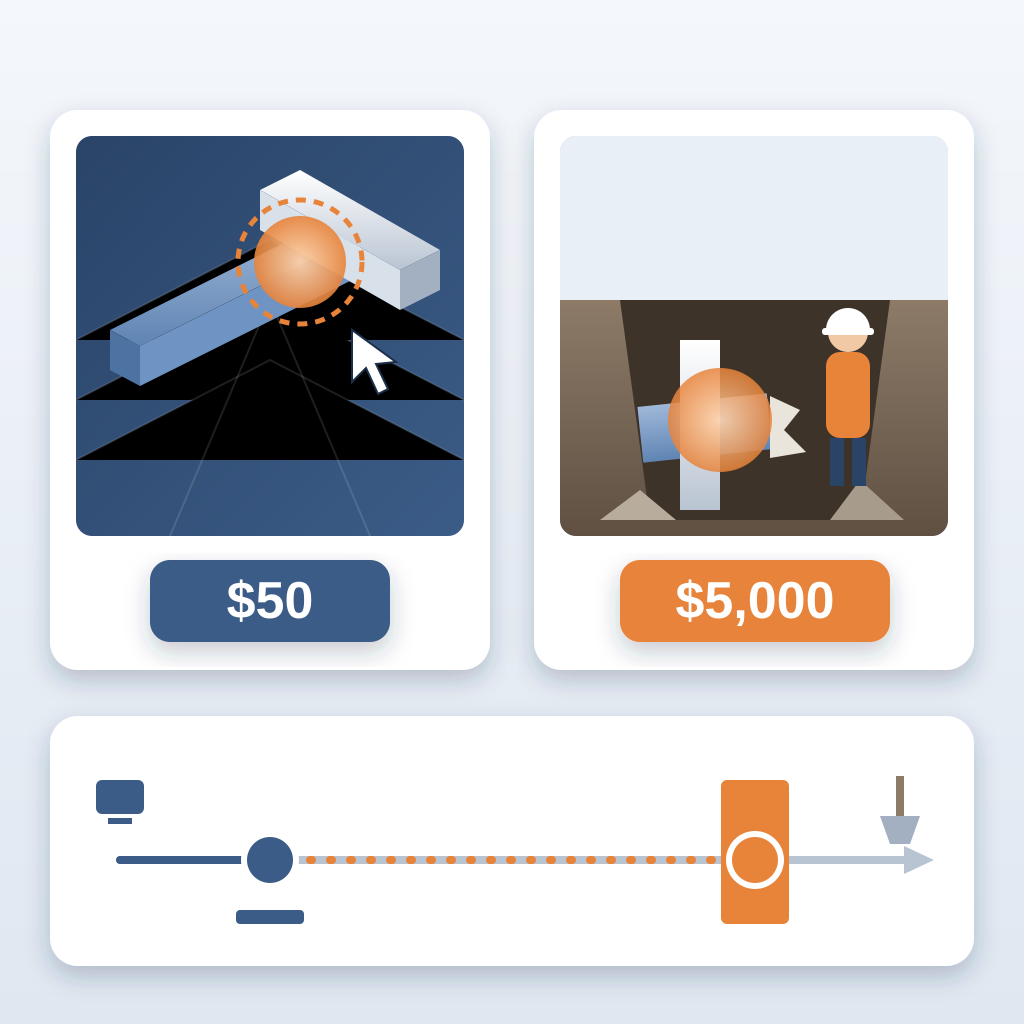
The real problem isn't the lookup time, it's the accumulation of small mistakes. Transposing a decimal from $24.50 to $25.40 per unit doesn't sound like much until you multiply it by 500 units. That's a $450 error in one line item. Now do that across thirty line items and you've lost thousands in margin before you even submit the bid.

The real problem isn't the lookup time — it's the accumulation of small mistakes. Transposing a deci

Traditional cost estimating vs BIM-based estimating isn't a fair fight. With a traditional approach, each change triggers a fresh round of manual lookups. With BIM, the model contains the data, you just need the right software to extract it. The shift from manual takeoffs to automated estimation isn't just about speed; it's about accuracy consistency.

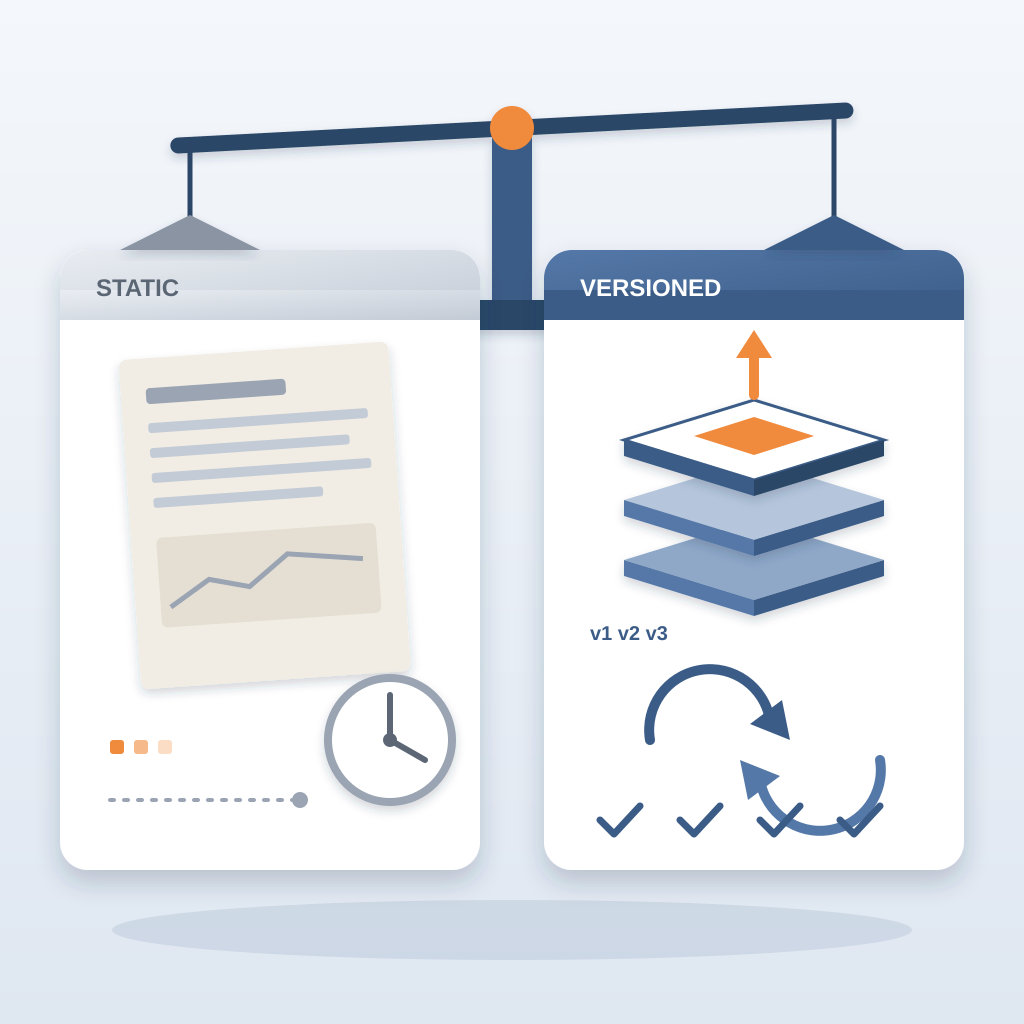
AEC machine learning cost prediction takes this further. Instead of relying on static lists, the AI learns from thousands of past projects and current market data. It knows that concrete prices in your region spiked last month, and it adjusts automatically. Your competitor using a machine learning model doesn't have to check every price, the system does it.

When you pair machine learning with a 5D BIM cost estimation workflow, you get something traditional methods can't match: real-time updates. Change a wall thickness? The cost updates instantly. The design team sees the impact, and you don't have to redo your spreadsheet. This is where the $30,000 question becomes critical.

The $30,000 Database That Lives Inside Revit

RSMeans, Craftsman, and 1Build are the gold standards for construction cost data. Combined, they cover labor rates, material prices, equipment costs, and productivity factors across thousands of line items. Together, those subscriptions run about $30,000 a year. That's the price of knowing exactly what a cubic yard of concrete costs in your zip code right now.

RSMeans, Craftsman, and 1Build are the gold standards for construction cost data. Combined, they cov

Most firms can't justify that expense. So estimators patch together data: a subcontractor quote here, a supplier price list there, maybe an old RSMeans PDF from two years ago. Each patch adds uncertainty. When an owner asks why your number is higher than the competitor's, you can't point to a current database. You just shrug.

BidLight eliminates the need for separate subscriptions. The system accesses those same databases, updated continuously, and matches them to your Revit model. One click exports your model, and minutes later you have labor, equipment, material, and time costs. No tab switching, no spreadsheet formulas, no second-guessing.

This is particularly valuable for projects that require an LOD 400 Revit model for cost estimating. At LOD 400, the model has enough detail to support fabrication and assembly-level costing. But without automated cost data, that detail goes to waste. You spend weeks modeling to a high LOD, then spend days estimating manually. The AI bridges that gap.

Reducing cost estimating errors in AEC projects starts with removing manual data entry. Every time a person touches a number, there's a chance it gets mistyped or misread. By automating the link between model and database, you cut those errors to near zero. The $30,000 question becomes: why pay for databases separately when you can get them through your Revit plugin?

Reducing cost estimating errors in AEC projects starts with removing manual data entry. Every time a

What Happens When You Stop Guessing

Let's walk through a real scenario. You're bidding a 50,000-square-foot commercial project. The model is complete to LOD 350. The design has structural steel, concrete foundations, MEP rough-ins, and standard finishes. Under the traditional method, you export quantities, open RSMeans online, look up each CSI division, and type costs into a spreadsheet. You budget three days for the takeoff and pricing.

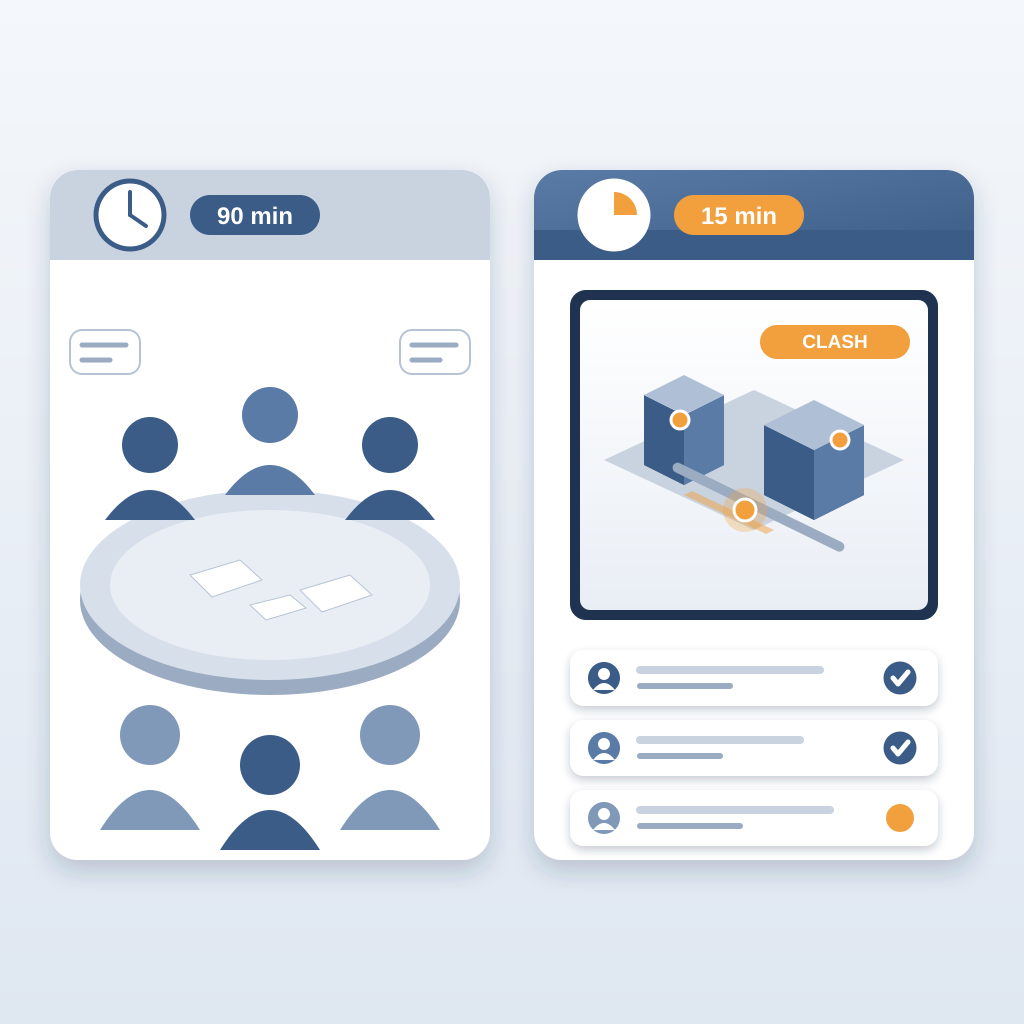
With BidLight, you export from Revit, and the AI reads the geometry and metadata. It classifies each element, steel columns, concrete footings, ductwork, with 86% accuracy. It matches those classifications to current unit costs from the database. Forty-five minutes later, you have a line-by-line estimate. Instead of three days, you spend one hour on verification.

What do you do with the freed time? You can bid more projects, or you can refine the estimate further. You can run what-if scenarios: what happens if we switch from steel to timber? What if we compress the schedule by two weeks? The AI recalculates instantly. Your bid becomes a strategic tool, not just a number.

You can also turn early estimates into a service you charge for. Owners want rough estimates at schematic design. Traditionally, those estimates are guesswork because the model lacks detail. With BidLight, you can give a defendable number at SD. That's billable work that didn't exist before.

You can also turn early estimates into a service you charge for. Owners want rough estimates at sche

The competitor who used the $30,000 database to undercut you? Now you have the same data. But you have it faster, integrated into your workflow, without the extra subscription. That $2,000 gap disappears. Your next bid wins on accuracy and speed.

The Only Question That Matters

When an owner asks why your bid is higher than the other firm's, you need an answer you can stand behind. Not the subs gave me different numbers or that database is out of date. You need to say, My pricing comes from RSMeans, Craftsman, and 1Build, updated this month. I can show you the line items.

That level of confidence is possible when you automate the cost-estimation pipeline. The 5D BIM cost estimation workflow that connects model to cost data isn't futuristic, it's available right now. Firms that adopt it win more work because they can prove their numbers.

The AI doesn't replace the estimator; it replaces the Google searches and the spreadsheet guesswork. You still apply your judgment, adjust for site conditions, negotiate with subs. But you start from a defensible baseline.

The AI doesn't replace the estimator; it replaces the Google searches and the spreadsheet guesswork.

Here's the bottom line: the competitor bidding $2,000 under you probably didn't work harder. They worked smarter, by using a $30,000 database you don't have. BidLight makes that database available to every firm, at a fraction of the cost. The question isn't whether AI estimation works. The question is why you're still doing it the hard way.

Related Lessons

Support

Responses