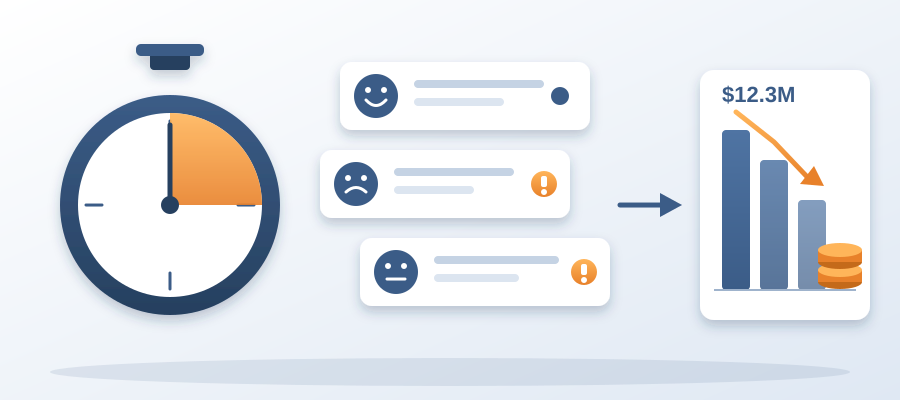
The 30-second habit that's quietly costing your firm $12.3M a year.
The 30 Seconds That Sets Your Bid
You're in a hallway with a coffee in one hand. An architect asks what a scope change does to the budget. You think about dollars per square foot, remember a project from four years ago, and say 180 a foot. Thirty seconds. The conversation moves on and everyone feels good.
That number doesn't stay in the hallway. It walks into the next design meeting. It gets written into a memo. Somebody drops it in a spreadsheet, and that spreadsheet becomes the basis for the next bid. You never estimated anything, but the project now has an estimate.
The hallway isn't the problem. The problem is that nothing afterward checks the guess against reality. The design changes. The scope moves. Steel and copper shift. The number sits there aging like fruit. By the time you price the actual bid, you're defending a figure you made up in thirty seconds with a coffee in your hand.
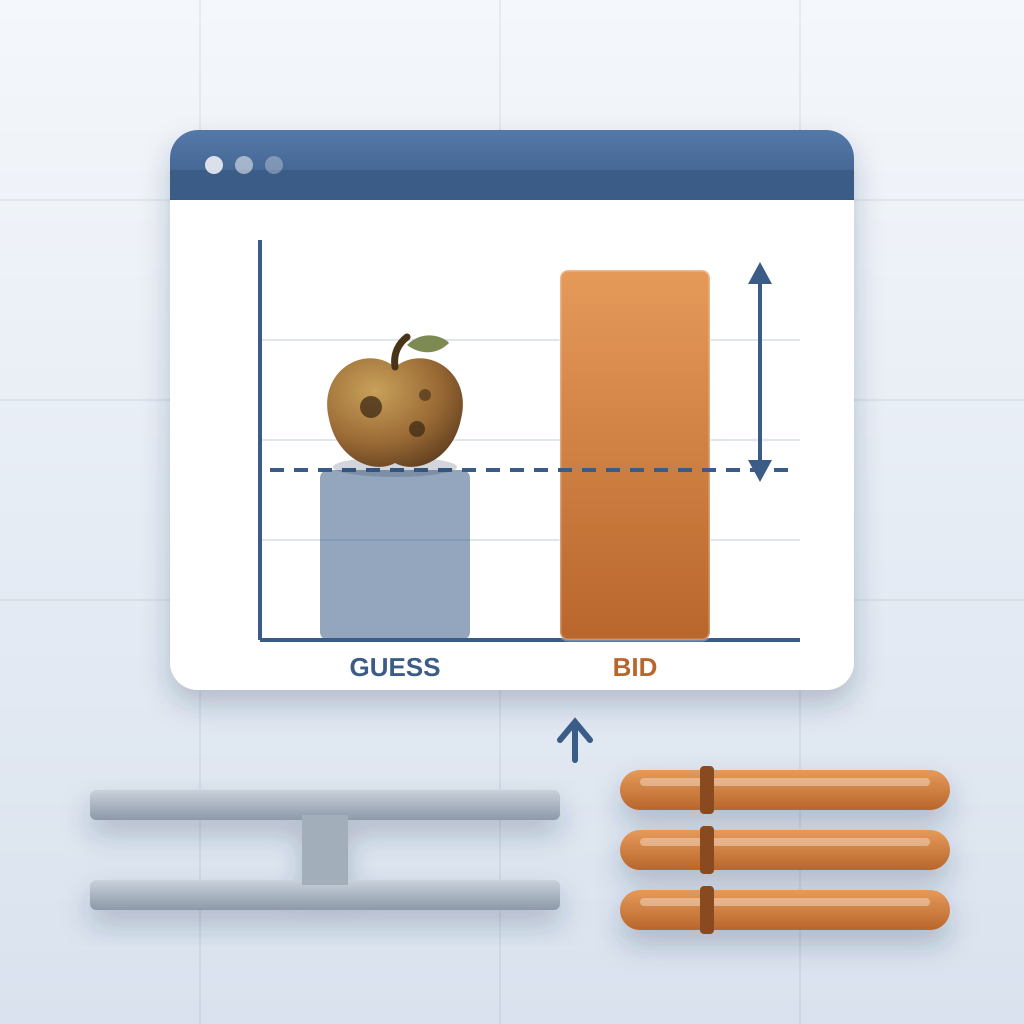
Here's the part that stings. The estimate was never wrong in a way anyone could catch. It just never got updated. No diff. No flag. No line turning red. Everyone assumed the number came from somewhere. Nobody asked where.
The habit is small. The number it creates is not.
Why Guessing Feels Safe and Isn't
Guessing feels safe because it's fast and it ends the conversation. Nobody gets angry at a rough figure. Nobody pushes back on a ballpark. And in the moment, the person asking usually wants a direction, not a number.
Then the number gets a job it was never meant for. It becomes a budget line. Then a commitment. Then the thing a client remembers you said. A range that was fine in a hallway is now a promise in a contract, and you made it with a shrug.
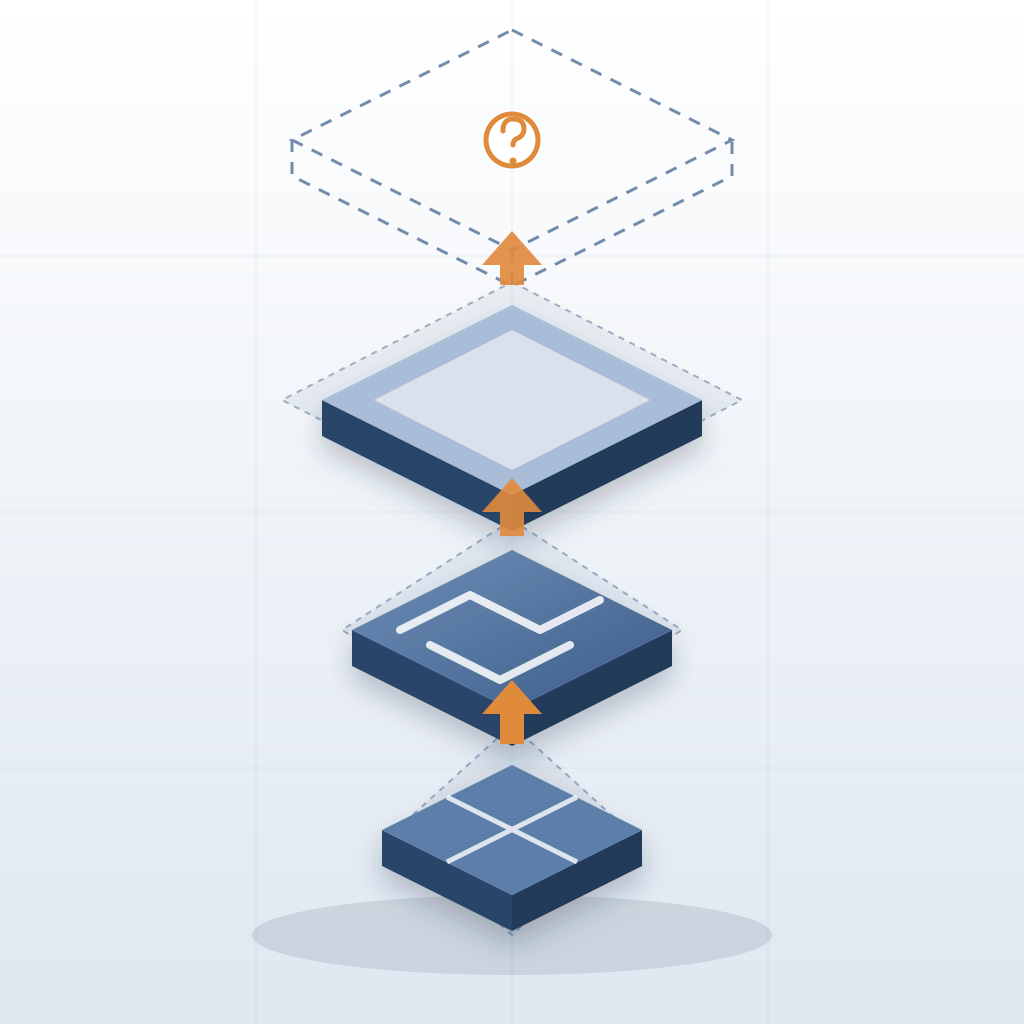
Rough numbers also don't stay isolated. They stack. A rough structural number feeds a rough MEP number, which feeds a rough finishes number. Those roughs don't average out into one good estimate. They compound into a baseline nobody owns.
That's why construction cost estimating software exists. Firms buy it to stop the compounding. One source where every line item traces back to geometry and current pricing, not to memory.
Estimating has always treated speed and accuracy as a trade. Be fast or be right. The guessing habit sits on that trade, and the trade has to go.
What the Number Looks Like When It Updates Itself
BidLight keeps one live record of the project inside Revit and Navisworks. Cost rides on the same model the architect is editing. You publish from the model and get labour, equipment, material and time cost in minutes.
When the design changes, the number changes with it. No waiting for the next morning. No manual takeoff pass. The estimate updates in real time.
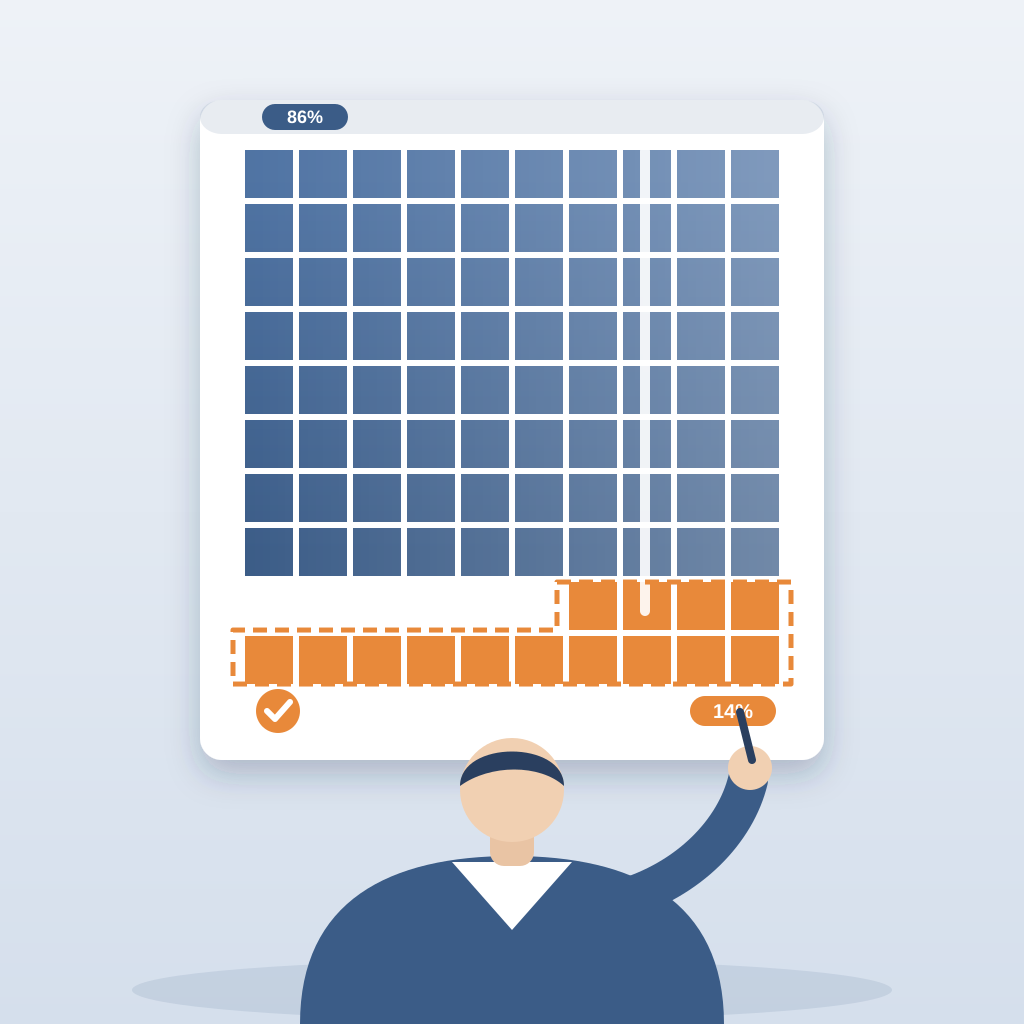
Two AI models read the geometry and metadata and classify BOQ line items at 86% accuracy. That isn't perfect, and we won't pretend it is. It's a number you can audit line by line and correct in seconds. The 14% you touch is a short list, not a blank page.
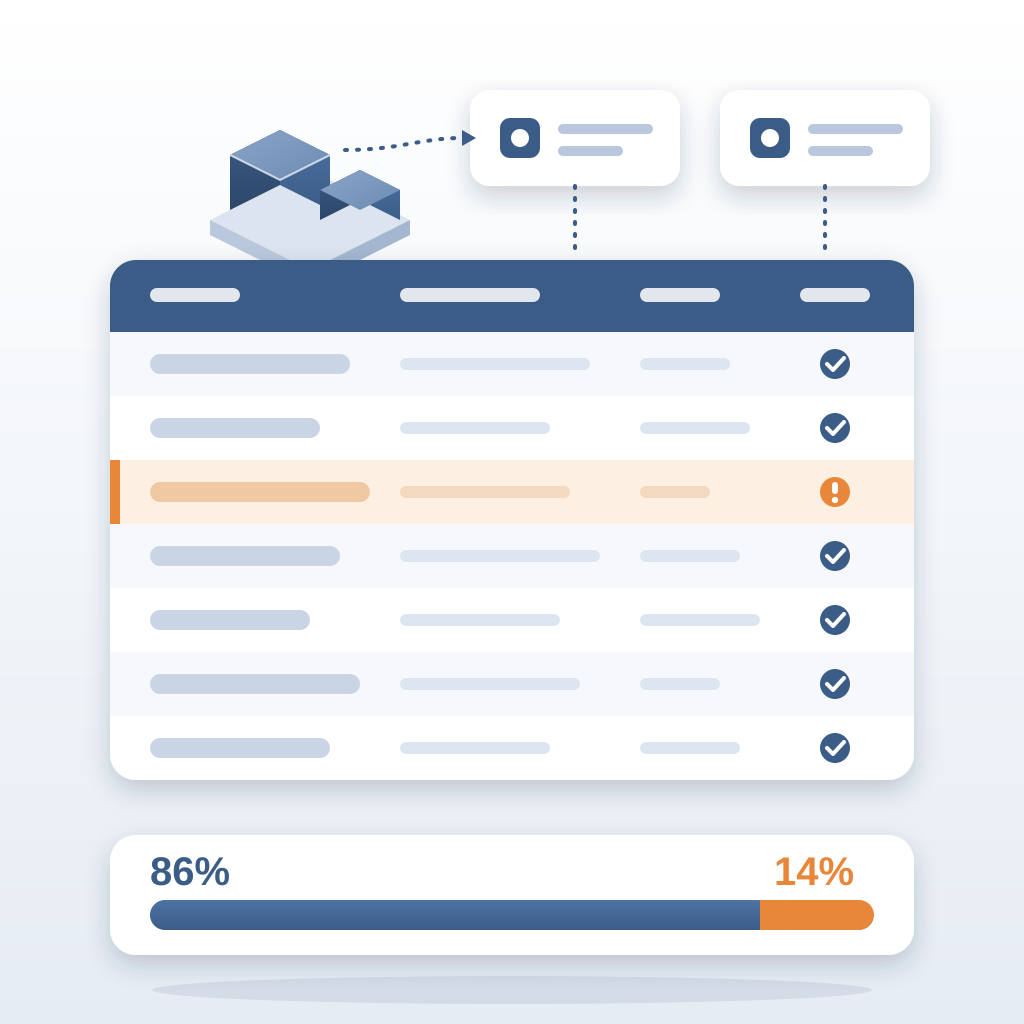
Pricing pulls from a roughly $30,000 database plus Craftsman, 1Build and RSMeans. Line items carry current market cost, not a rate you memorised in 2019. So when someone asks where a number came from, you can answer.
The result is a single record. Model, quantity, cost and time, all tied to the same object in the same file. When the ceiling grid moves six inches, you know what it costs before you leave the room.
The Hidden Cost of Good Enough
A defensible estimate changes the bid, but it changes something else first. It changes your week. Estimates in minutes instead of an afternoon of takeoff. Across a firm, that is where the 18,000 hours saved come from.
Those hours go back into work that wins jobs. Chasing subcontractor pricing. Sharpening scope. Sitting with the client while they decide, instead of promising an answer by Thursday. Firms that get the number in the room see a 35% higher win rate. Not because they bid lower. Because they bid with confidence, and the client can feel it.
There's a second cost most firms never put on a line. Every re-done takeoff wears on your own team. Estimators leave when the job is copy-paste and chasing. They stay when the job is judgment. Let the software move the numbers. Let the estimator decide.
The third cost never shows up because it never closed. The bid you didn't chase because you couldn't get to a number in time. The client who went elsewhere because your answer took four days. The scope you priced twice and lost on the second pass. None of it appears in a loss report.

Good enough looks like it saves thirty seconds. It costs you capacity, margin, and the trust of the person who asked you for a number first.
How to Tell a Real Estimate From a Spreadsheet
Try this test. Pick one line item in your current estimate and ask where it came from. If the answer is a cell that links to another cell that links to a takeoff someone did in April, that's a spreadsheet, not an estimate.
A real estimate traces every cost back to geometry and a date. This wall, this many square feet, from this model version, priced from this source on this day. If any link is missing, the number is a guess with formatting.
When you evaluate construction cost estimating software, run the same test on it. What happens when the model changes? What happens when the market changes? Does each line item carry a source and a timestamp? What does the accuracy claim actually cover?
We give you the 86% and we show you the 14% it misses. The misses are where the estimator's judgment lives. The tool does the reading. The human does the deciding.
The same discipline applies outside construction. Ask how accurate AI sentiment analysis is, and the honest answer is that it's helpful, auditable and never the final word. The tool classifies. The person confirms. Models that sort social media conversations into topics and models that classify BOQ lines run on the same principle. You get a first pass you can check, not a black box you have to trust.
If you're weighing construction cost estimating software free download offers, try them. Compare on the trace, not the demo. Ask each one the same two questions. Where did this number come from? When did it last change?
Stop Defending the Guess. Price With the Model.
The habit won't end because someone tells you to be more careful. It ends when the fast answer and the right answer are the same answer. You can't out-discipline a thirty-second shortcut while you're standing in a hallway.
BidLight puts the estimate in the room and in the model as the same estimate. One live record inside Revit and Navisworks. Cost riding the geometry. Numbers in minutes that you can defend.
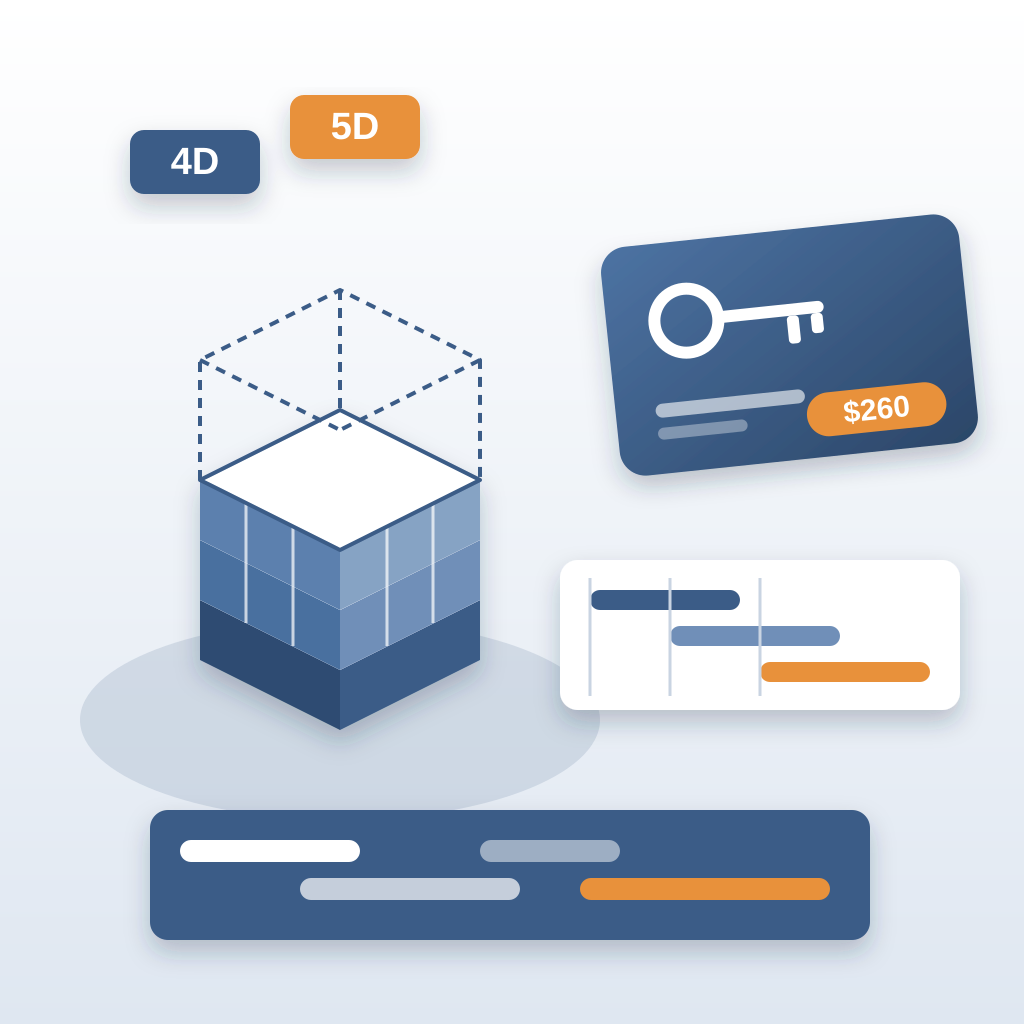
Pricing is per licence, with unlimited projects on every plan. Basics is $260 a year. If you want the done-for-you version, we do that too: execution plans, 4D and 5D, fabrication detailing and spooling. Software or service, the record is one.
Will BidLight fit your firm? It depends on what you do most. Heavy design-change volume and frequent early estimates, you'll feel it in week one. Steady single-family work with few changes, try Basics on one project first.
The pitch is plain. No more chasing scattered updates or redoing takeoffs. Win work with numbers you can defend. Turn early estimates into a service you can bill for. If you only remember one thing, remember this. BidLight keeps one live record of the project inside Revit, with cost riding on the same model. Everything else follows from that.