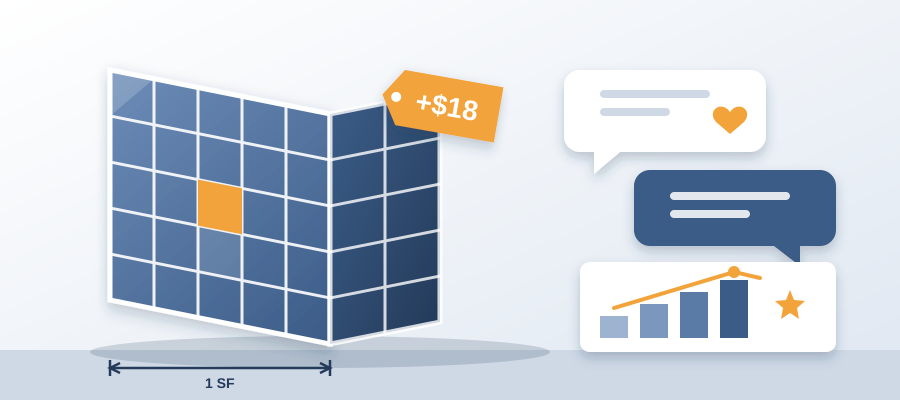
Specified a Curtain Wall in January? That's $18 More per Square Foot Now.
Why a January Specification Isn't Worth the Paper It's On
You sent that curtain wall spec out in January. It felt solid then. But the glazing market has been anything but stable. By the time bids come due, the unit price for the glass and aluminum framing can shift by $18 per square foot. That's not a rounding error. On a 10,000-square-foot facade, that's $180,000 of difference. Most estimates don't catch that because they're built on outdated pricing sheets.
Your team probably has a master spreadsheet of unit costs. You update it when you remember. Maybe quarterly, maybe when a supplier sends a new price list. But prices move weekly, sometimes daily. Steel tariffs, fuel surcharges, labor shortages, supply chain hiccups. Each one nudges the number. By the time you're ready to bid, your baseline is already stale.
You end up finding out at bid time, when your number comes in too high or too low. Too high and you lose the job. Too low and you eat the margin. Neither is a good look. And you can't just blame the market. The contract holds you to that number once you sign.
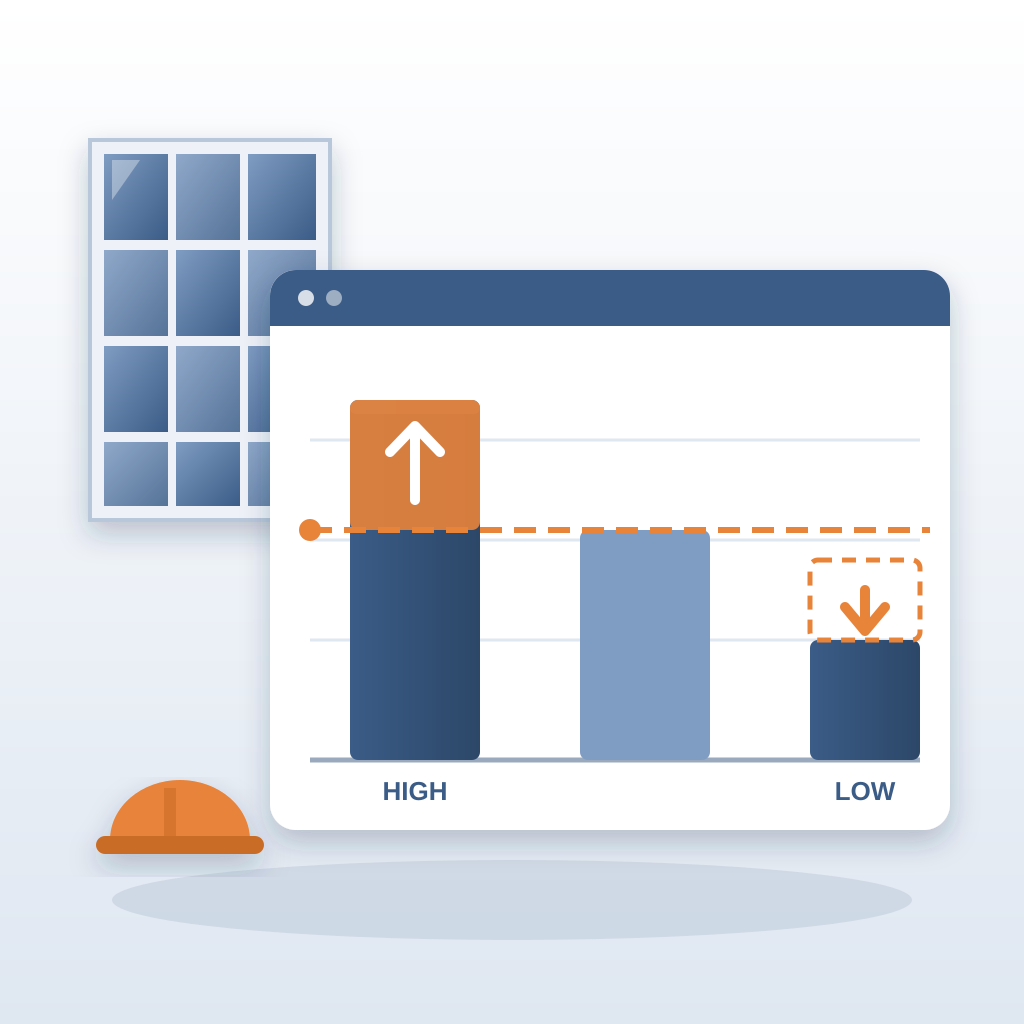
So you scramble. You call suppliers, chase updated quotes, redo the takeoff. That takes days, and the window for bidding doesn't extend. You either move fast or you miss the deadline. Most teams accept this as the cost of doing business. But it doesn't have to be.
BidLight pulls current unit costs from a database that costs roughly $30,000 a year to maintain, plus RSMeans, 1Build, and Craftsman. When you export your Revit model, the estimate reflects today's prices, not last quarter's. If the glazing price jumps, your model knows. That's the difference between guessing and knowing.
The Real Cost of Chasing Scattered Updates
Think about the last time a curtain wall spec changed. The architect revised the mullion depth. Or the glass type was upgraded. You had to update the takeoff manually, item by item. Then you had to check the pricing. Maybe you have pricing in one spreadsheet, labor rates in another, and equipment costs in a third. Each update means revisiting all of them.
That's hours of work, if not days. Time you could spend on other bids, or actually winning work. And the risk of error is huge. Miss one line item and your entire estimate is off. You don't know until the numbers don't reconcile. Or worse, until after you've won the job and the project starts bleeding money.
This is the headache every estimator knows. You chase scattered updates across emails, PDFs, and old spreadsheets. Someone might have the latest price from a supplier, but they're out sick. Or it's buried in an old thread. So you make do with what you have. That's not a strategy. That's a gamble.
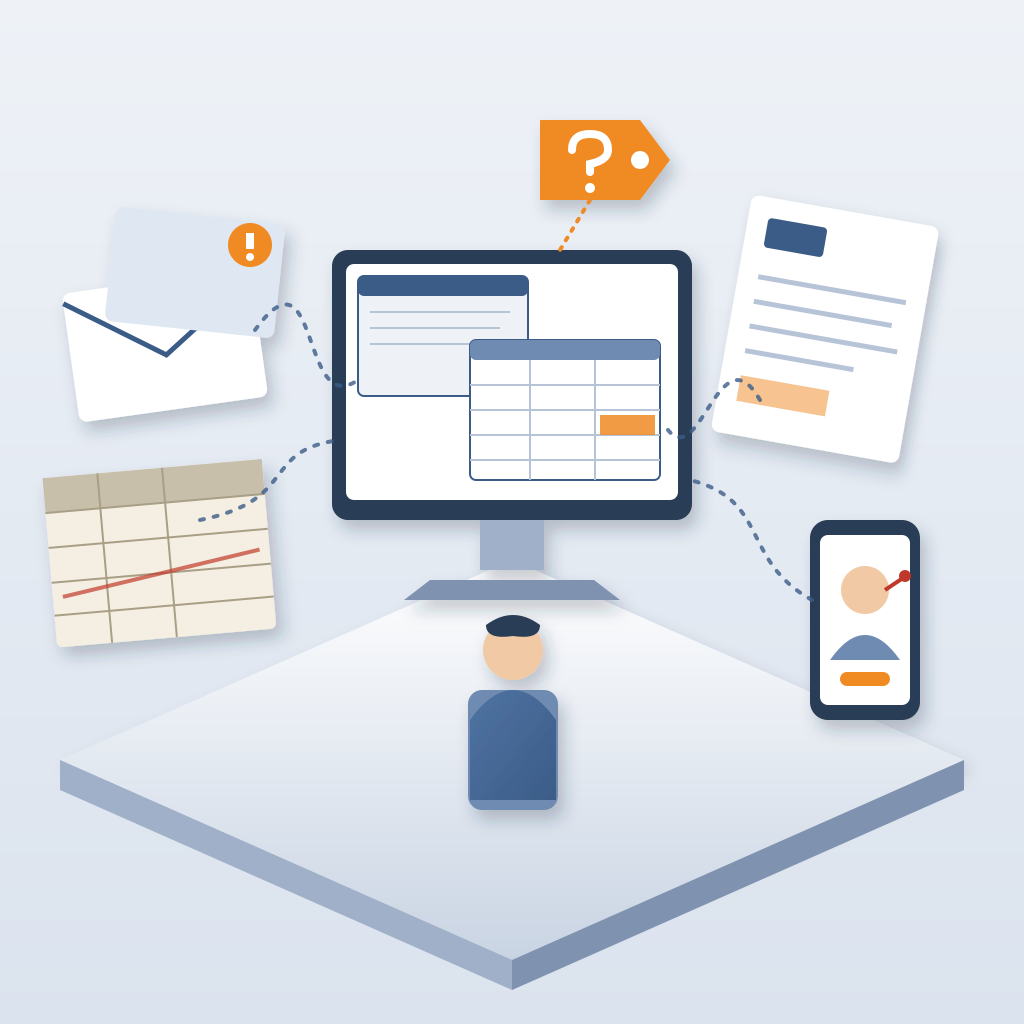
BidLight lives inside Revit. You export your model and get labor, equipment, material, and time costs in minutes. When the design changes, the estimate updates in real time. No more chasing. No more version control issues. The number is always current, always consistent.
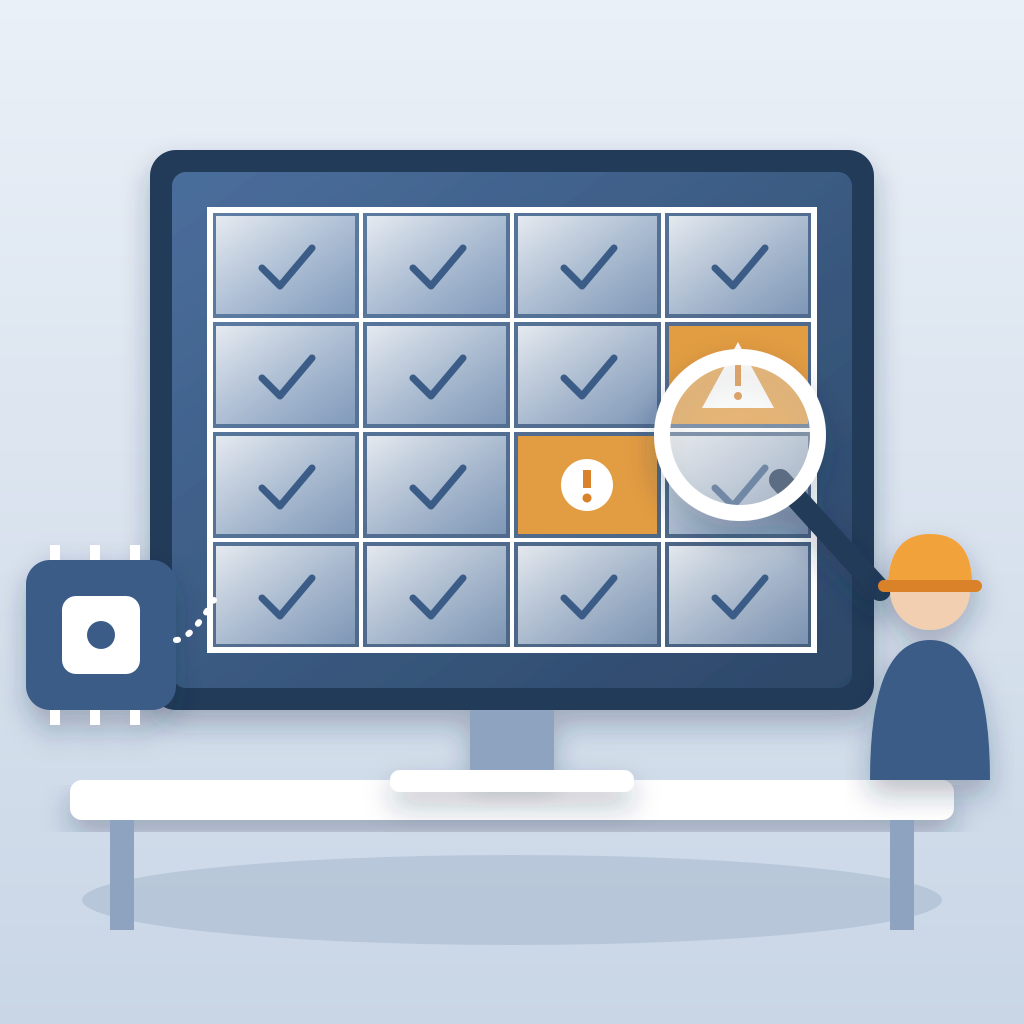
It's not magic. It's two AI models that read geometry and metadata to classify BOQ line items at 86% accuracy. That means the system knows what each component is and applies the right price from a current database. You get a defensible number, backed by real data, not guesswork.
How Real-Time Pricing Wins You Jobs You'd Otherwise Lose
Imagine you're bidding on a mid-rise office building. The facades are a significant part of the cost. You know the steel market is volatile, but you're not sure by how much. A week before bids are due, the architect sends a revision that changes the curtain wall system. With a traditional approach, you'd redo the takeoff and pricing, which takes days. With BidLight, you export the model and get a new estimate in minutes. The price reflects the latest market rates, so you're confident your number is right.
That confidence shows in your bid. You're not padding the number to cover uncertainty. You're not lowballing and hoping. You bid the actual cost, plus your margin. That's how you win more work at the right price. Case-study clients saw a 35% higher win rate. They stopped losing bids to guesstimates.
Your client wants a change order? You can price it on the spot. The model updates, the price updates, and you send a new number before they finish their sentence. That's not just efficient. It's a service you can sell. Early estimates become a billable deliverable. Clients stop seeing you as slow or reactive. They see you as responsive and informed.
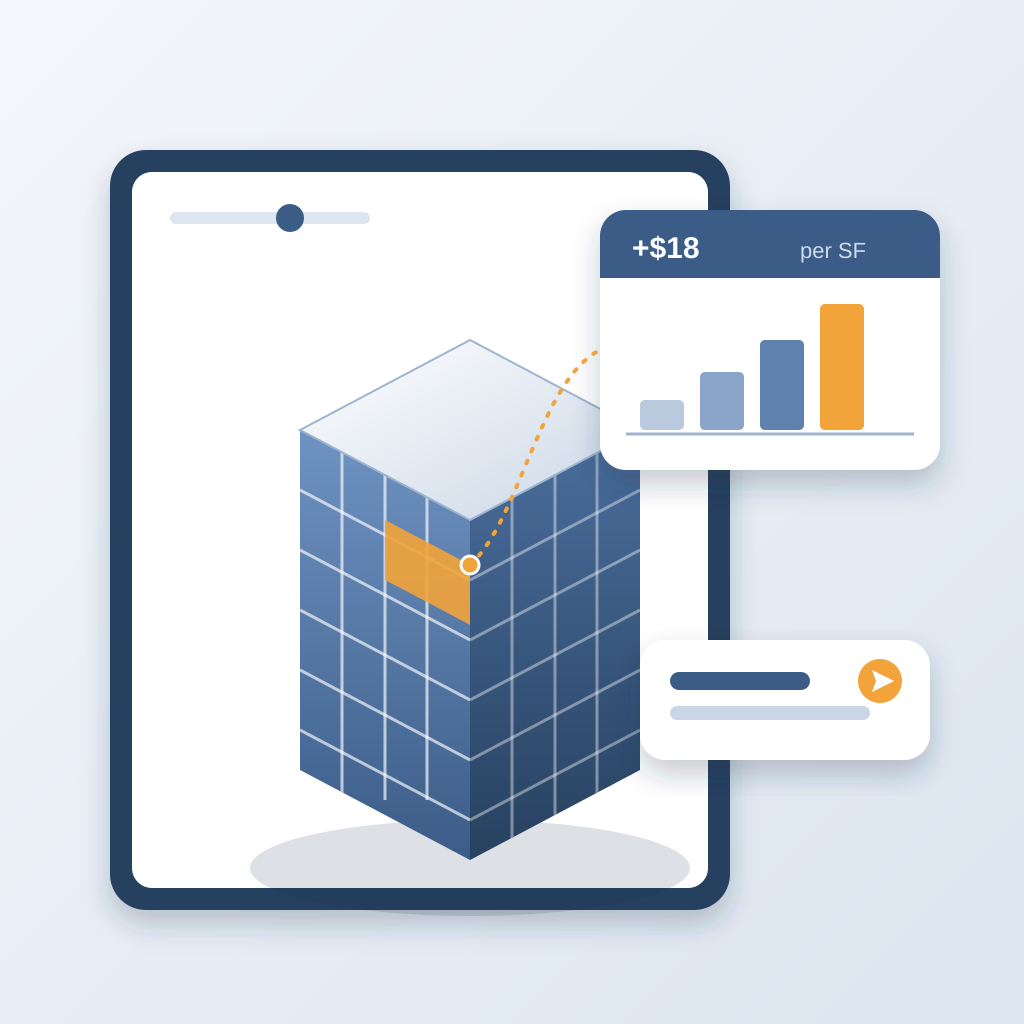
It's also about trust. When you give a client a number, they expect it to hold. If material prices spike mid-project, you can show them the data. The price changed, and here's proof. That transparency builds long-term relationships. It reduces conflict and change-order disputes.
You stop losing money on jobs you won by accident. You stop missing jobs you should have won. You stop defending estimates you knew were shaky. Real-time pricing is not a luxury. It's a competitive advantage.
Turning Early Estimates into a Service Clients Pay For
Most AEC firms give away early estimates. They see schematic cost advice as a necessary evil to win the later design work. But that's leaving money on the table. When you can produce accurate estimates in minutes, you can charge for that expertise. It's a separate service line.
Think about it. A client is deciding between two façade options. They want to know which one fits their budget. You can run both through BidLight and give them hard numbers in the same meeting. That's value they can't get elsewhere. It positions you as the expert who helps them make informed decisions.
This turns early engagement into a revenue stream. You're not just waiting for the big design contract. You're billing for advisory work from day one. And because the estimates are based on current data, they're accurate enough to stand on. Clients trust them. They'll come back when the project moves forward.
But it also changes how you work internally. Instead of spending 12 hours on a takeoff, you spend 20 minutes. That frees up your estimators to focus on more complex tasks, like value engineering or risk analysis. They're not buried in spreadsheets. They're adding real value.
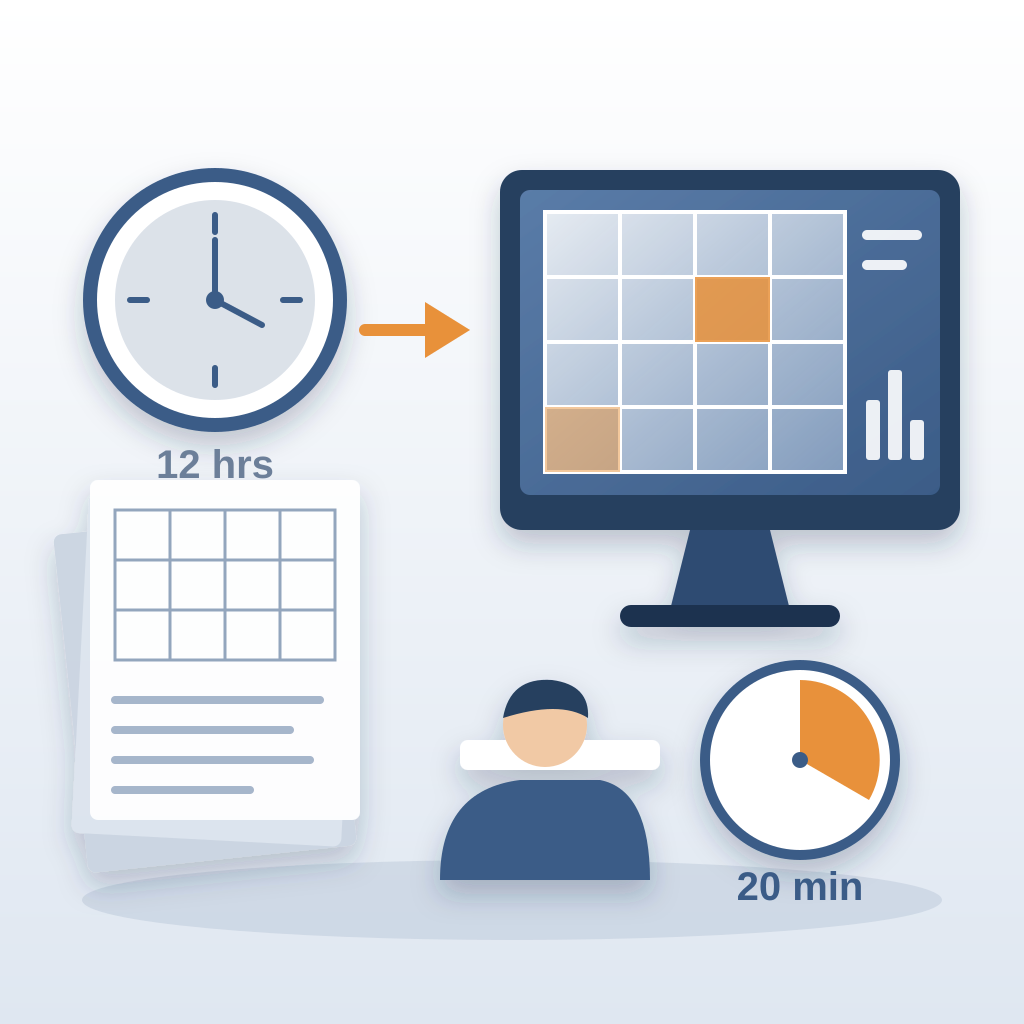
Case-study clients saved 680 hours on estimates. That's more than four months of full-time work. Time that can go into winning new business or improving project delivery. The software pays for itself many times over, even on a Basics licence at $260 a year.
The Hidden Trap of a Static Estimate
Let's go back to that curtain wall. You specified it in January. The price then was X. By April, it's X plus $18 per square foot. If you didn't update your estimate, you might bid on that figure. If you win, you're starting the project already in the red. You'll spend months trying to recoup the difference through change orders or substitutions that might not be acceptable.
Or you lose the bid because your number was too low or too high. Too low and you look like you don't understand the market. Too high and you're simply uncompetitive. Either way, you're out of the running. And the client might remember that. They might not call you next time.
That's how you lose clients, not just bids. It's a slow leak in your reputation. But it's preventable. If your estimate updates automatically with market prices, you never bid on outdated information. You never have to scramble at the last minute. You have a number you can defend.
This is why real-time estimation matters. It's not just a convenience. It's a risk management tool. It protects your margins and your client relationships. It helps you sleep at night, knowing your bids are based on facts, not wishes.

BidLight's database is updated regularly, so you're always working with current data. And if the design changes, you see the cost impact immediately. No more surprises at bid time. No more we would have won if we'd known.
Practical Steps to Start Pricing with Today's Numbers
You don't need to overhaul your entire workflow overnight. You can start using BidLight on your next bid. Export your Revit model, let the AI classify the line items, and review the estimate. Compare it to what you would have done manually. See the difference.
The learning curve is minimal. If you know Revit, you know BidLight. There's no export to a separate program. No new platform to manage. It lives inside your existing tool. That means no retraining your team, no disruption to your process. You just get better data faster.
Start with a single project. Use BidLight to generate a preliminary estimate for a schematic design. Show it to your client. See how they react. They'll likely be impressed that you can hand over accurate costs so early. That's the first step to selling estimation as a service.
As you get comfortable, you can expand. Use it for more projects. Let it handle the repetitive work. Your estimators can focus on the nuances the AI might miss, like unusual site conditions or specialized labor. Together, you get the best of both worlds.
Pricing is per licence, billed annually or monthly. A Basics licence is $260 a year ($30/month), Core is $330, Complete is $440, and Max is $590. Enterprise pricing is custom, every plan includes unlimited projects, and AIA members get discounts of up to 29%. It's an investment that pays off quickly. One winning bid can cover the annual cost. And you stop losing money on stale estimates.
The takeaway is simple. Pricing moves. Your estimate should too. With BidLight, it does. You stop chasing scattered updates. You win more work with a number you can defend. You turn early estimates into a service you can bill for. That's not hype. That's how you run a profitable firm.