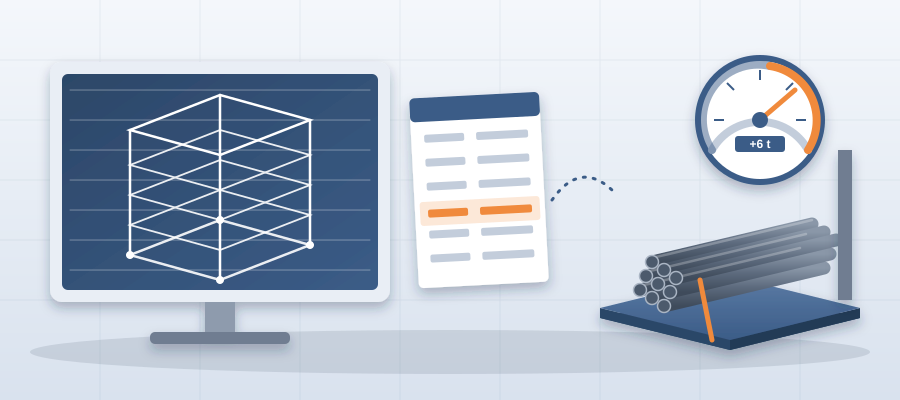
The Rebar Schedule You Priced Is 6 Tons Heavier Than the Model Says It Is
Two Screenshots, Six Tons Apart
Put the Revit model's rebar takeoff on the left and the estimator's spreadsheet on the right. Same project. Same week. The left says 412 tons. The right says 418. The model is on v4. The spreadsheet was pulled from v2. That is six tons of steel that nobody ordered and nobody got paid for. The gap has a name: quantity drift. It is the slow wedge between what the model knows and what the estimate says, and you pay for it in your bid.
The estimator is not the villain. They pulled quantities three weeks ago. Since then the shear wall got thicker. Two column lines moved. A slab opening shifted. They did what good estimators do: they locked the number and hit the deadline. The model kept moving. Nobody told the spreadsheet.
So if you are asking how to run quantity takeoff in Revit on a live project, the plain answer is that most firms do it twice. Once in Revit. Once in Excel. The second pass is where drift gets baked in, because it freezes a moment that stopped being true.
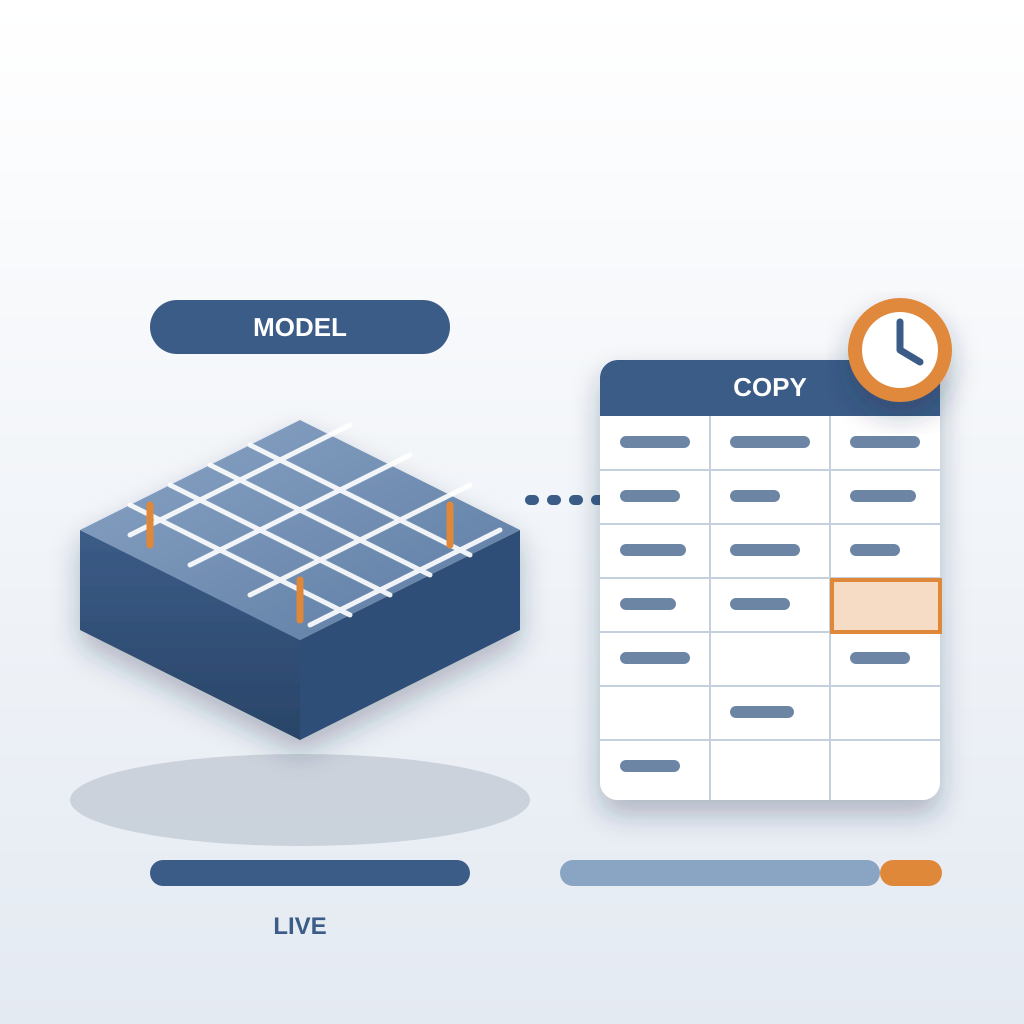
A takeoff that leaves the model and never comes back is a snapshot. A bid is a decision. Between the two, the design keeps going, and every unrecorded change is a small bet against your margin.
The six tons is real money. At current pricing, that is a crew member's month or the fee on a small scope you wanted to win. It did not come from a mistake. It came from a version gap nobody owned.
Why Drift Happens When the Model Moves and the Spreadsheet Does Not
Models move because design is a process, not an event. An architect shifts a core. A structural engineer bumps a beam depth to clear a clash. Each one is small and defensible. Stack forty of them across a six-week bid window and the drift stops being small. It becomes a line item your price does not reflect.
The estimator's spreadsheet is a one-way street. Once the quantities leave the model, they do not sync back. Pulling them again means redoing formulas and lining the fresh pull up against the last version you priced. That is why nobody does it on a Tuesday. They do it once, at the deadline, and hope the gap is small.
There is also a human cost hiding in this. An estimator who spends the week chasing updates is not pricing strategy. They are not reading the spec against the drawing. They are lining up versions. That work is necessary and invisible, so nobody bills for it.

The AI versus human estimator argument gets this wrong on both sides. The human is not replaceable, and the AI is not a magic wand. The right split: the machine holds the model's current truth, with every export versioned and diffed element by element, and reprices as geometry changes. The human judges whether the number makes sense, where the risk sits, and what the client will pay.
When those two roles separate cleanly, drift stops accumulating. The model is the source. The estimate is a live read of it. Nobody carries a three-week-old snapshot into a Friday submission, because nobody has to.
Put both screenshots side by side in your bid review on purpose. Not to blame anyone. To make the gap visible and stop pretending it was rounding. Once the number is on the screen, the fix takes minutes. Keeping it invisible can cost you a season.
What the 86% Number Buys You
Two AI models read your geometry and metadata and classify BOQ line items at 86% accuracy. That is not a claim that a machine bids your job. It means 86 out of 100 line items land in the right classification without a person pulling them apart. That leaves 14 in 100 for your estimator to check. On a long BOQ, that is the difference between a quick pass and a day lost to sorting.
The value is not the classification itself. It is that classification runs against the live model, not a stale export. Change the shear wall, regenerate, and the affected line items reprice in minutes. Live pricing comes from a database that costs roughly $30,000 a year to maintain, plus Craftsman, 1Build, and RSMeans. That matters because it is not a black box. It is the same pricing your estimators already trust, tied to a model that stays current.
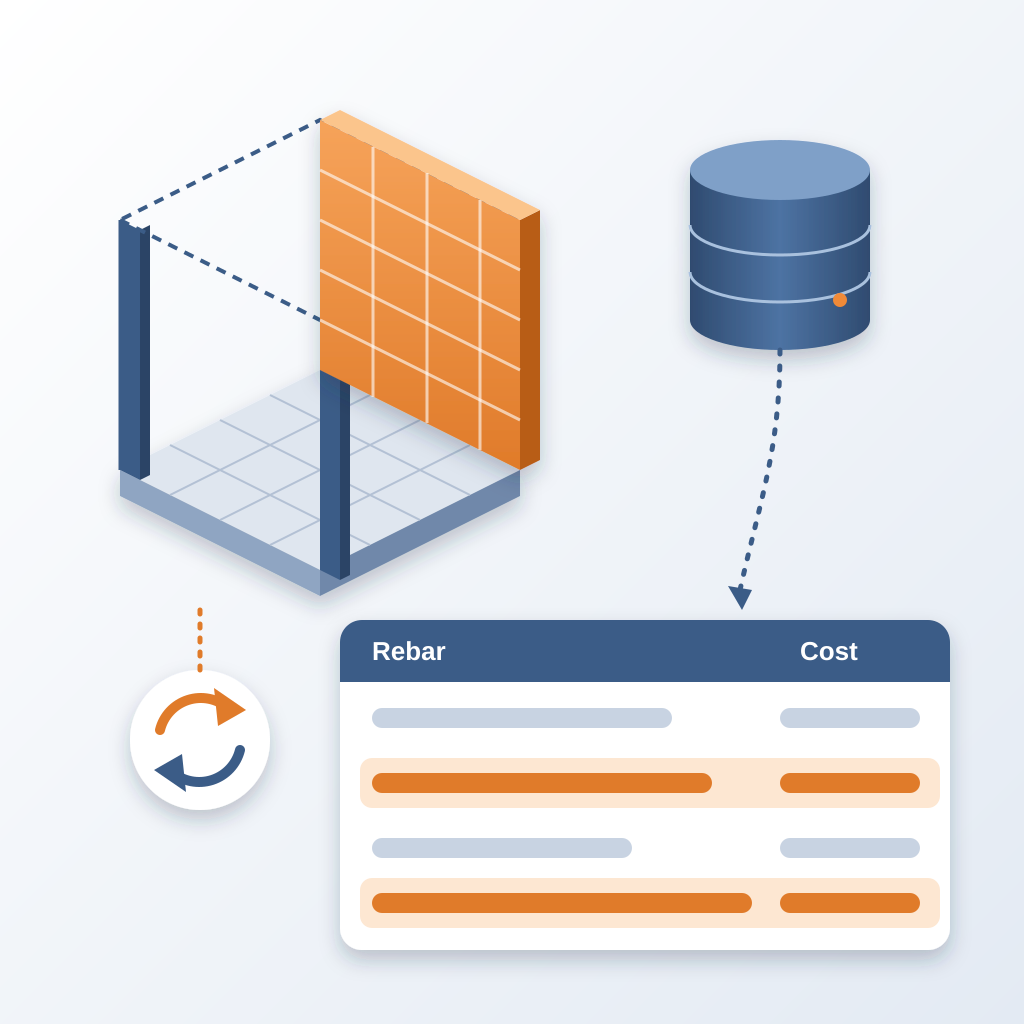
This is what automated cost estimating for Revit should mean. Not software that guesses. Software that reads what your own model already contains and keeps the estimate current without a person keying it back in. The estimate in minutes is the outcome. The mechanism is geometry and metadata, priced against a source you can name.
Now the human part. The 14% is where your senior estimator earns their keep. Those are the ambiguous lines and the scope edges, where a spec detail changes the price. Your best person spends the day on the hard 14% instead of the easy 86%.
That is the split worth defending in a bid review. Estimator on the 14%. Machine on the 86%. One model keeping them from drifting apart.
When the architect calls at 4:55 PM with a layout change, you are not redoing a spreadsheet. You are re-reading a model that already moved.
Where the Hours and the Win Rate Come From
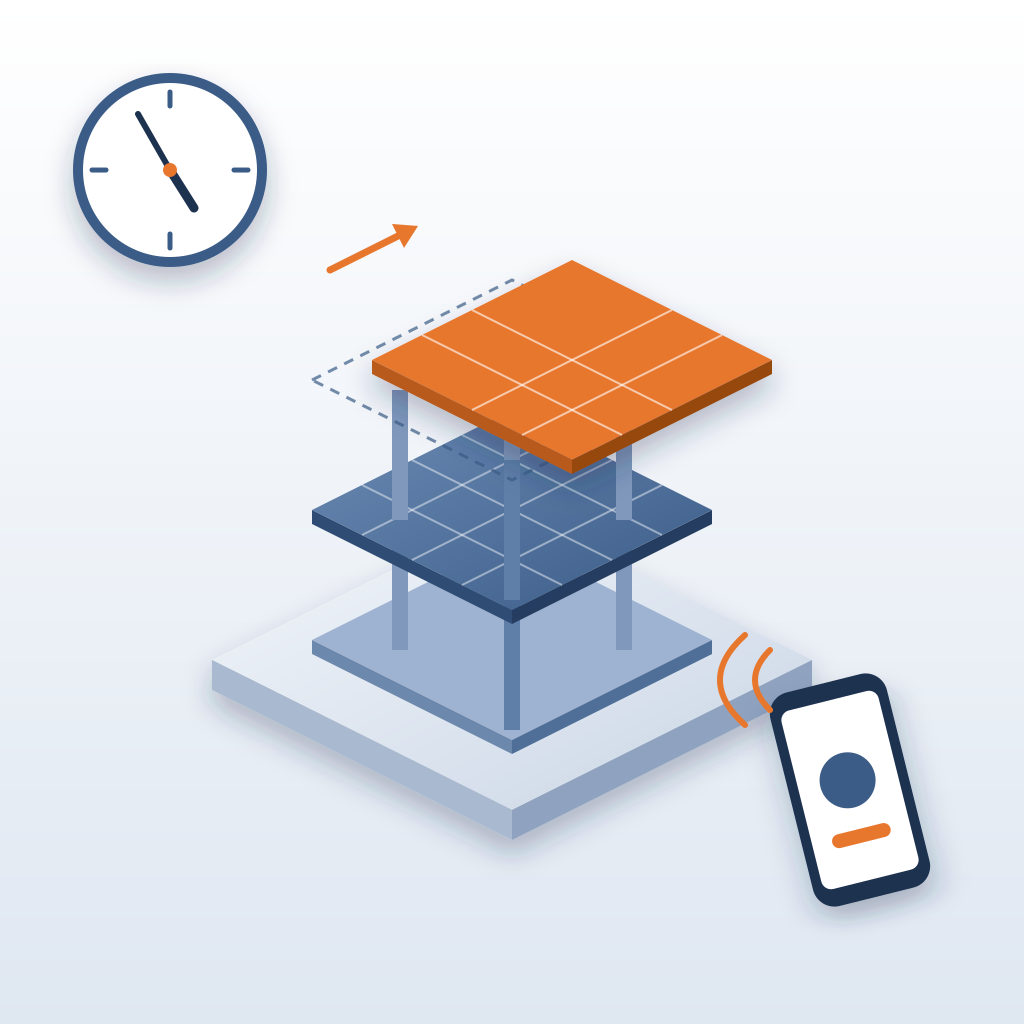
One firm saved 680 hours once the estimate stopped being a separate artifact. That is roughly four months of one estimator's working time, handed back to the business. Some of it goes to more bids. Some goes to reviewing the 14%. Either way, none of it goes to retyping quantities.
There is also a field side. Every week a clash sits unresolved, field labour stands idle. Crews wait on answers that already exist somewhere in the model. The rebar held because someone needed to confirm a lap length. The formwork stopped because a dimension conflicted across two sheets. The estimate does not fix that alone. A live model record does, because the answer traces back to the geometry instead of sitting in a Teams thread.
And win rate moves: 35% higher. The reason is plain. You bid more, you bid faster, and your numbers hold up in the interview. When a client asks why your number is what it is, you open the model. That is a different conversation than defending a spreadsheet you cannot trace.
Most firms miss this part. The estimate stops being a cost center and becomes a service you can bill for. Early design cost advice, given in a walkthrough while the client is still deciding, is a deliverable. Instead of a $3,200 number you gave away, it has a price. Firms that treat it that way stop funding it from overhead.
A few weeks of that costs more than a year of BidLight licences. Plans start at $260 per licence per year.

None of this needs a pitch. It needs one number and one reason to believe it. The number is the gap. The reason is the model.
How to Run the Side by Side Check Next Tuesday
Pick one active project where the estimate and the model have diverged for at least two weeks. Export the Revit takeoff on the left. Pull the estimator's spreadsheet on the right. Put them on one screen and walk the top ten line items by value, not by count. Steel and concrete first, then anything with a big unit price. That is where drift costs the most per ton.
Mark every line where the two disagree by more than a rounding tolerance. Do not argue about who is right yet. Count them and price the gap. If it is six tons of rebar, write six tons of rebar. A number on a screen stops being invisible, and an invisible gap is the only kind that survives.
Then trace each gap back to a change. Look for the model commit, the RFI answer, or the architect's email behind it. That trace is the whole point. It turns a spreadsheet error into a documented design change, and that is a much easier conversation to have with a client.
Once that becomes a habit, it changes what you can sell. Offer a live estimate as a design service. Walk into a client meeting with the model open and answer the number on the spot. Bid the job you would have passed on, because the takeoff was going to eat a week you did not have.
This is also where your reputation shows up. Your reputation is your numbers holding up. A proposal cover cannot do that. When the client pushes, you open the model and show them.
So run the check. Two screenshots. One number. If the gap is six tons, you know exactly what it was worth. Then decide whether to catch it on Tuesday or pay for it on Friday. Send us a model export.