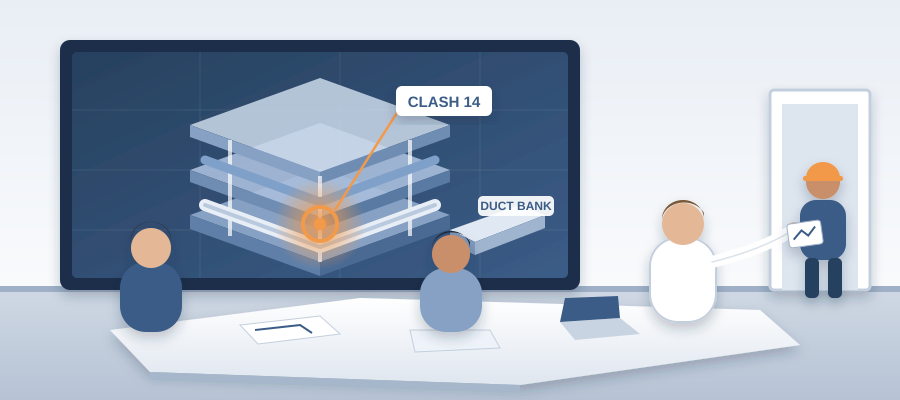
How a BIM Tech Gets Pulled Into the Meeting
For a lot of BIM techs, the job stops at the drawing set. You model walls, fix the door schedule, make sure the sheet set prints clean, and go home. Nobody asks what changed since last week. Nobody invites you into a room with a client. Then one Tuesday somebody asks you to sit in on a coordination call because the coordinator is out. A question comes up about the corridor wall, and you can answer it without opening a folder.
That is what this is about. Not a promotion trick. A habit that changes which meetings you are in.
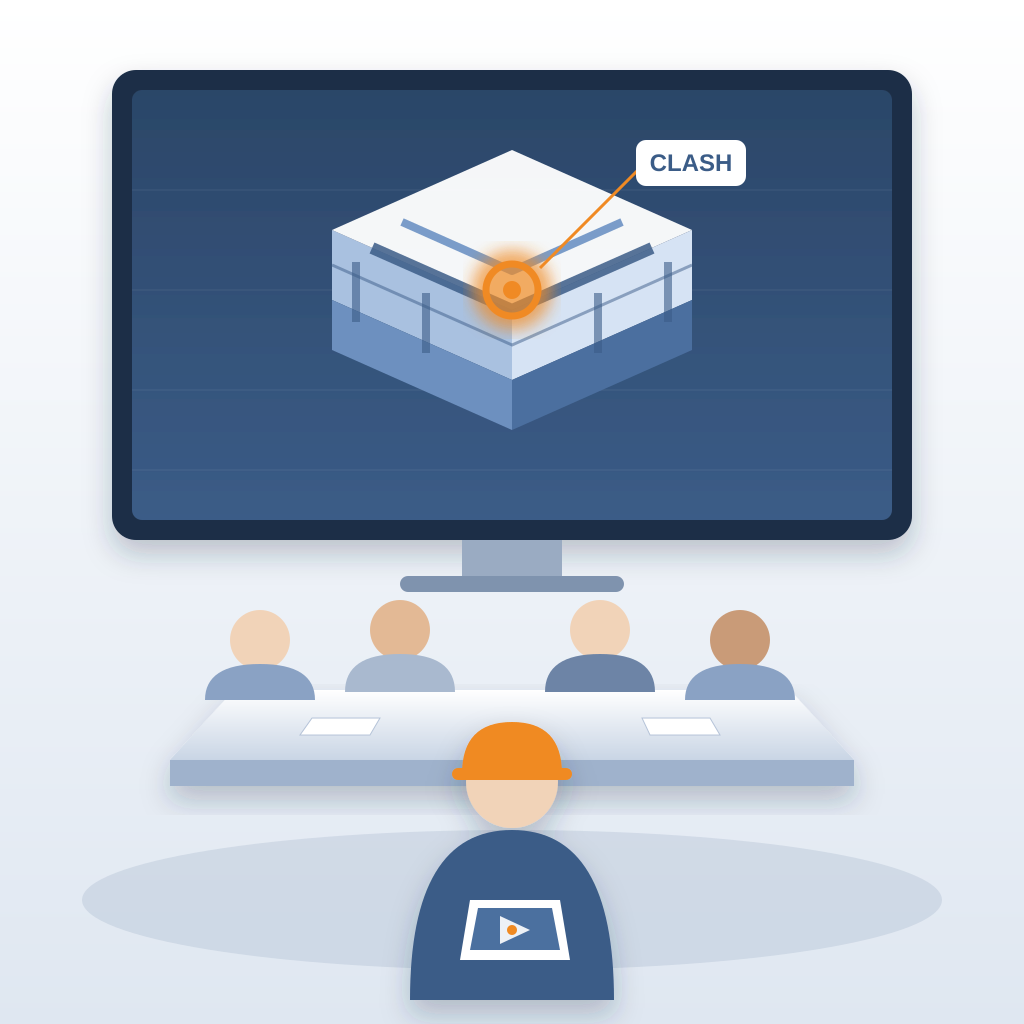
Before that day, coordination is somebody else's problem. The team argues about which version is current, two rooms over, hunting through a stack of emails to confirm one detail before a client call. Changes arrive on your desk after the fact, as a line you have to redraw, never as something you had a say in. You can tell anyone the exact area of every room in a building. You cannot tell them what else moves when one of them is reframed.
The shift starts when you run a comparison straight out of Revit during design development, not after the fact. You publish the model and, within minutes, you can see the elements that changed since the last revision, grouped by category: structural, MEP, envelope, interior. When the design team swaps a curtain wall system mid-review, you can say what it touches before the meeting ends, instead of promising to get back next week. The first time that happens, the room goes quiet for a second. Then somebody asks you to run the same check on the next option.
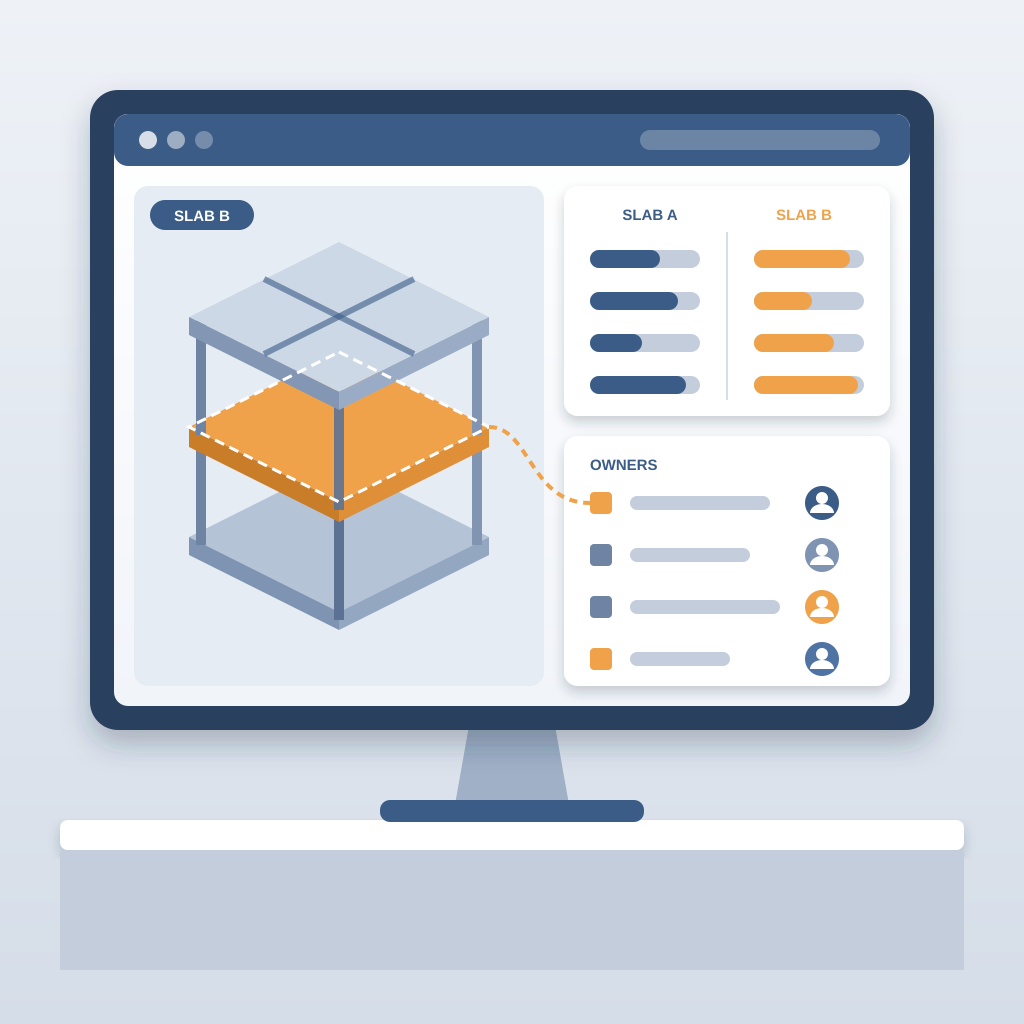
You become the person who can answer the question in the room. Say a client wants to know what switching a slab type touches. You open the comparison, show the affected elements, and name the owners. It is an answer with the record behind it, not a promise to follow up by email. That is the moment the conversation about your role changes from what you can draw to what you can defend.
Nobody gets pulled into the meeting for knowing where the doors go. Teams keep drafters who are fast and coordinators who are trusted, and the difference between them has nothing to do with which license sits on your desk. It comes down to one skill: can you stand in front of a client or a partner and explain, element by element, what changed and who has to act? That fluency is learnable, but almost nobody teaches it on purpose.
Know Where the Answer Comes From
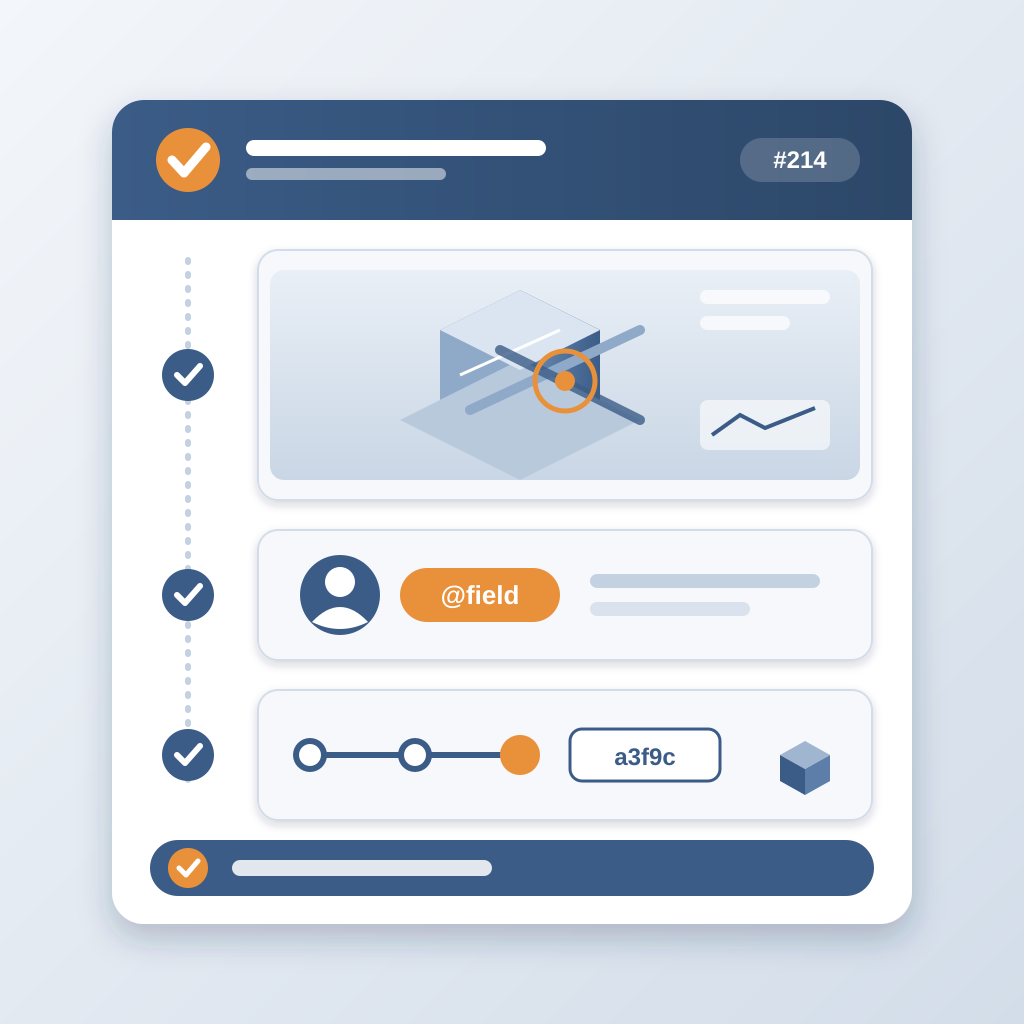
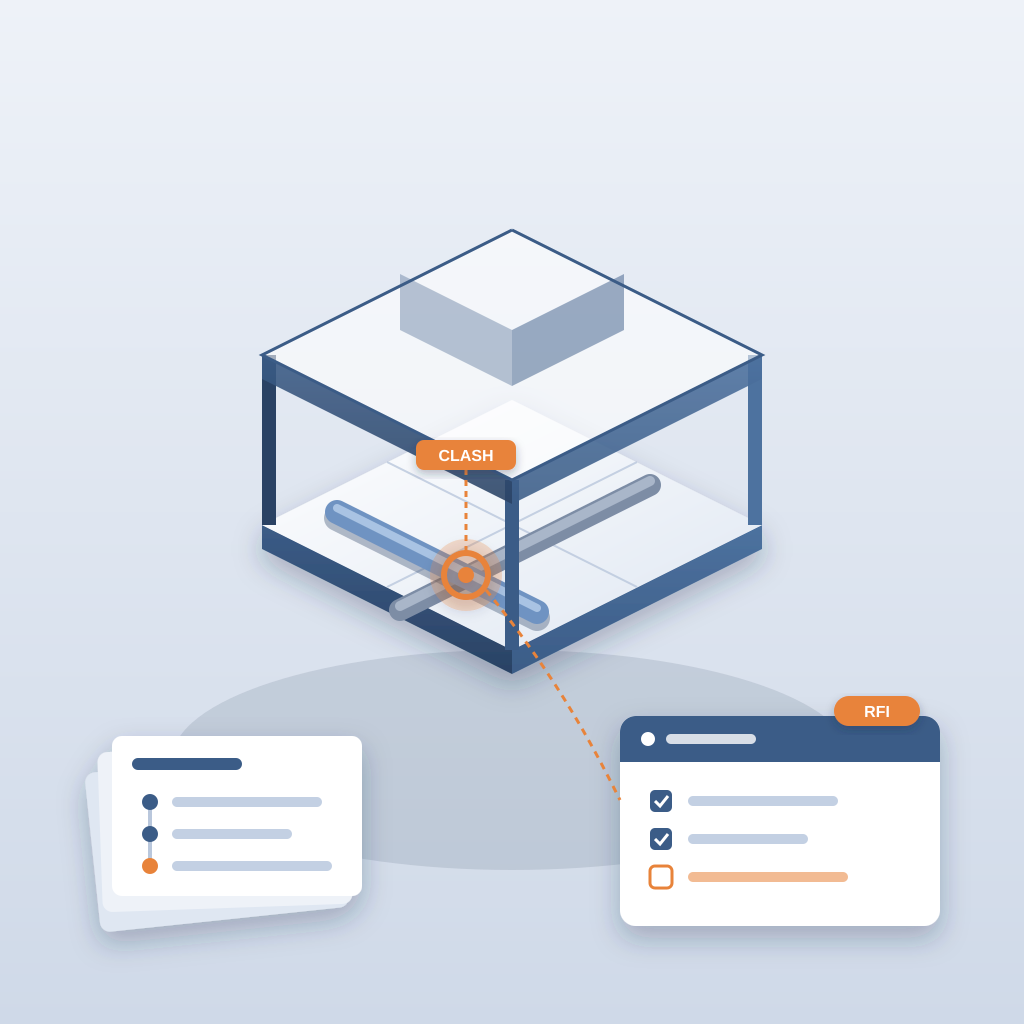
Part of defending a statement with confidence is knowing where it comes from. In BidLight, every publish is a versioned snapshot with its own files, author and milestone. Every comparison reads those snapshots. Every issue is pinned to the element it concerns and carries the sheet and revision that raised it. So when someone asks "how do you know?", you point at the record.
An issue closes only with a screenshot, a tagged user and the linked model commit. That gate matters. It means a closed issue is something you can stand behind, and not a line in a meeting note that someone ticked on Thursday.
Say a trade comes back with an objection to a duct reroute. In the old workflow, that sat unresolved until somebody with more seniority had time to dig into it. With a record, you pull the two revisions, show what moved, and walk the project manager through it. Catching that before it reaches the field is a small thing on paper. In a performance review, it is a big one. A clash caught in the model costs about $50. The same clash in the field costs $5,000 to $50,000.
None of this is about trusting software blindly. It is about having a clear starting point, so the hours you spend go toward judgment calls and not toward rebuilding the history of the model from email. The errors that hurt a job rarely come from bad drawing. They come from stale files, missed changes and nobody catching the gap before the field does.
Make Accountability Visible
Our trade is full of moments where someone says "I thought you had that." The 6am digest takes that away. Every owner sees, each morning, the issues they own. The project view shows who is behind while there is still schedule left to move work. The Problem Solver Index shows resolution rates per person, so the conversation is about facts, not feelings.
It is less about chasing a perfect score and more about knowing where the gaps tend to show up, so you watch that area extra carefully next time. Once you track it on purpose, you stop guessing whether the project is on track and start knowing.
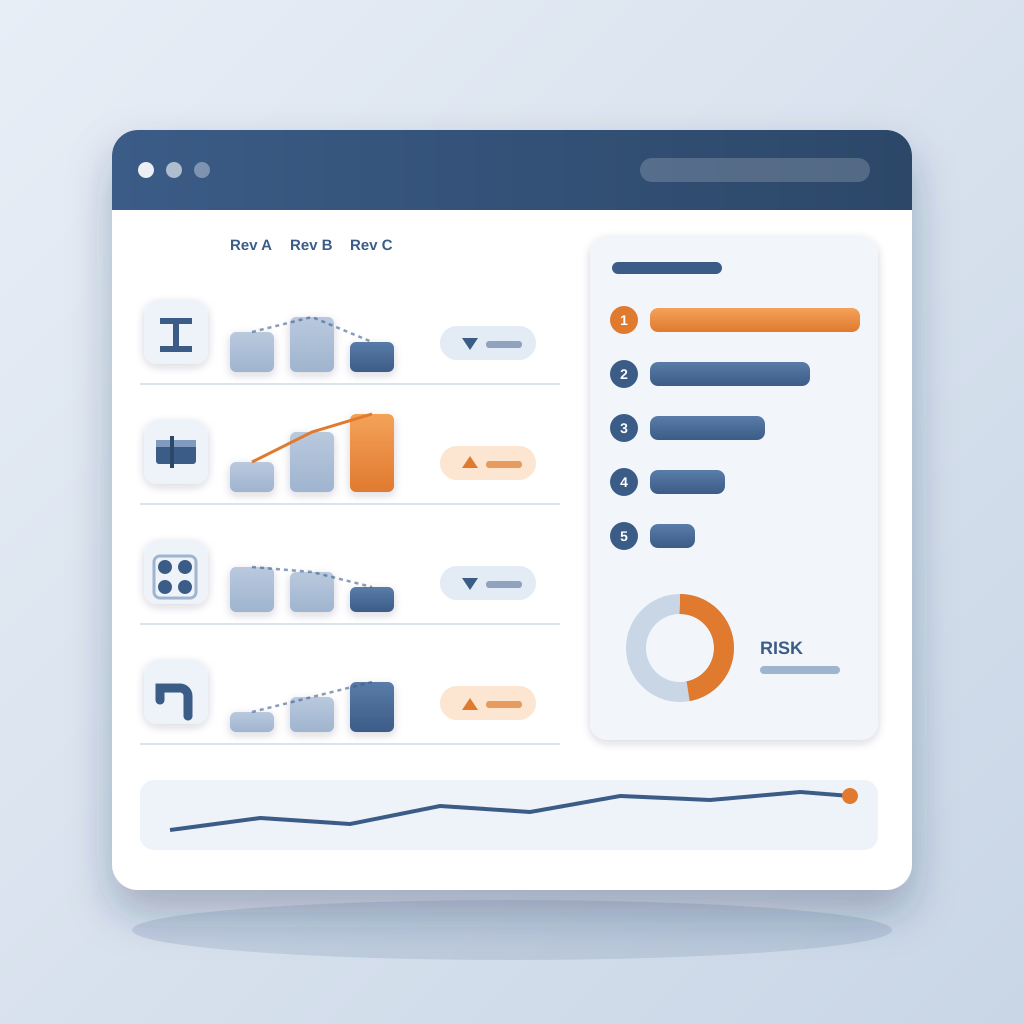
So stop handing over a single status line. Present the changes as a report people can actually follow. Group them by category. Show how each moved across revisions. Show leadership which decisions are driving the rework risk instead of burying it in a thread nobody opened. A partner will tell you it is the first time they could point to a specific wall or duct run and know exactly why the plan moved. That kind of clarity is hard to walk away from once a team has had it.
You Are One Publish Away
None of this needs an advanced degree or years shadowing a senior coordinator. It needs working inside a model that records itself, so every design decision comes with a trail attached. If you already model in Revit, you are one publish away from seeing the changes tied to the geometry you drew this morning. The skill is not learning the interface. It is learning to read what the record gives you and knowing when to trust it and when to push back.
BidLight runs inside Revit and Navisworks, so the answer is where you already work. It is priced per license, from Basics at $260 a year ($30/month) to Max at $590 a year ($69/month), with unlimited projects on every plan.
Many BIM techs assume coordination is a separate career path they would have to leave drafting behind to chase. It is not, not anymore. The people who already understand how a model goes together are the best placed to explain what a change touches, because they know which wall is load-bearing and which duct run was a late addition. Teams would rather grow that person from inside the model than hire a coordinator who has never opened one.
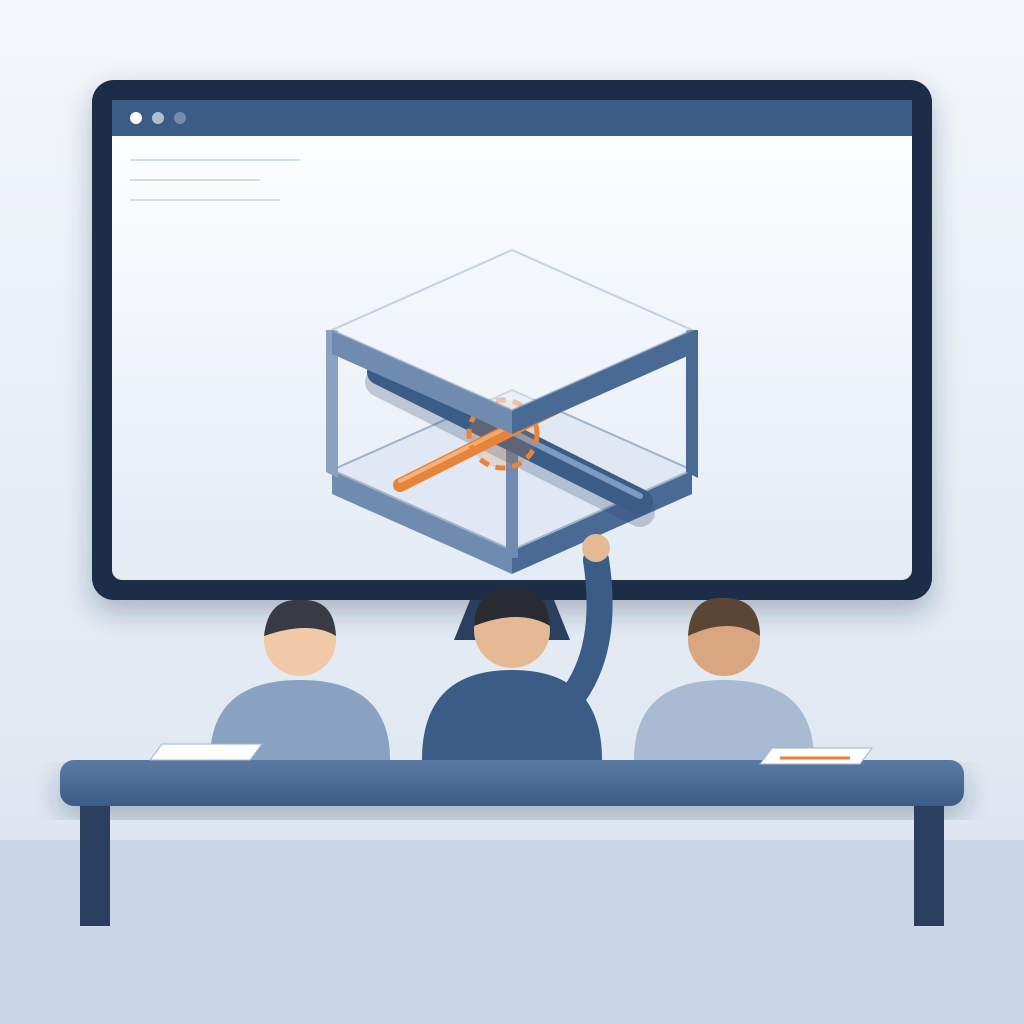
If you are a drafter or a BIM tech wondering how somebody gets pulled into the coordination meeting, the answer is not seniority. It is whether you can point to a change and explain who owns it and what closed it. Start comparing revisions inside your own models, get comfortable explaining what they show, and the meeting will find you.