Stop Rework Creep From Minor Substitutions
The Hidden Cost of a "Simple" Substitution
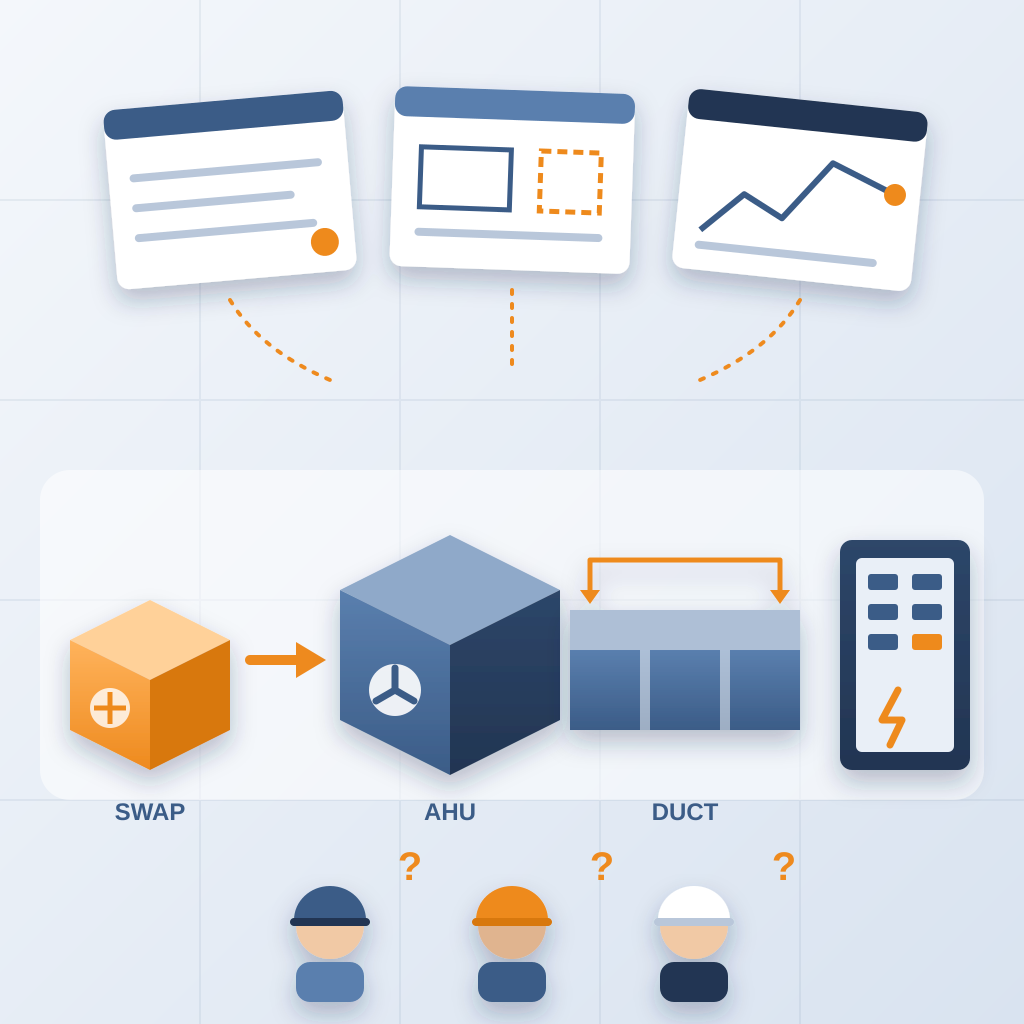
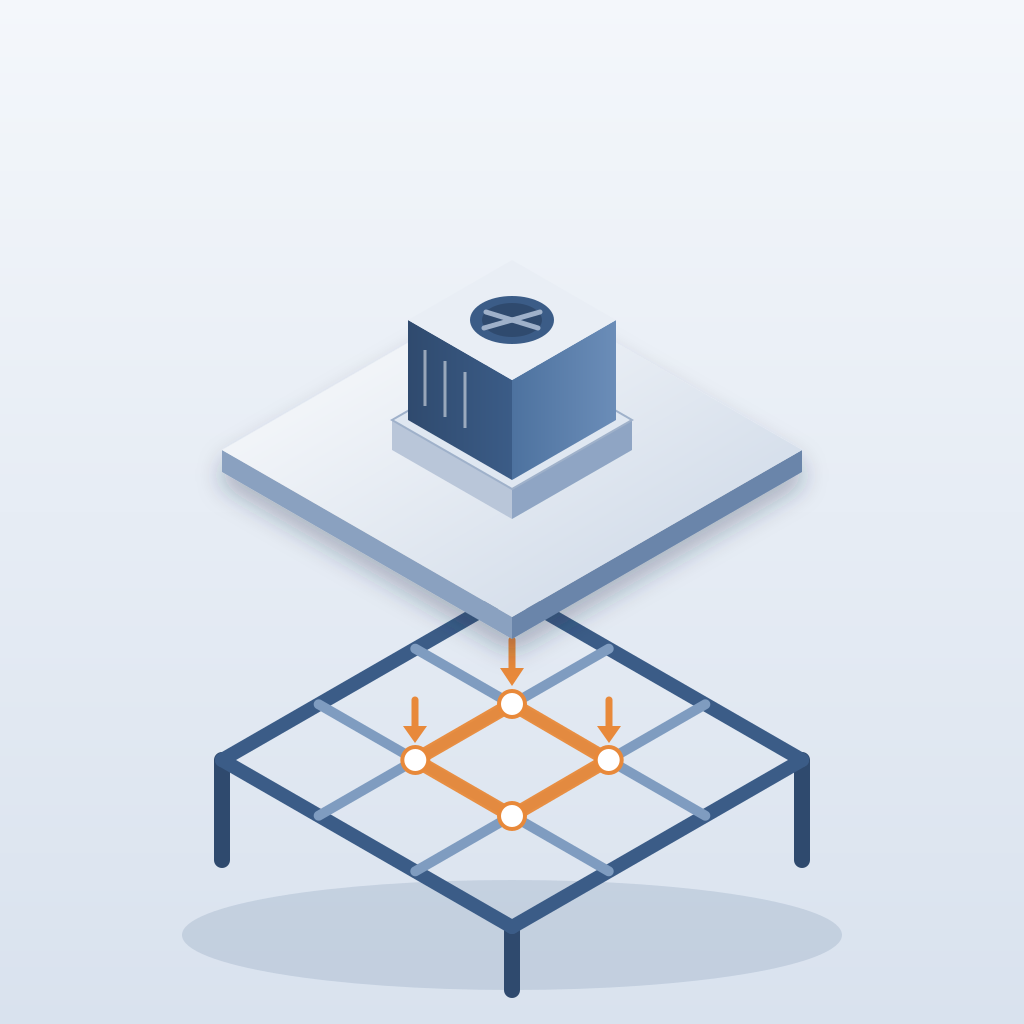
The design team swaps the rooftop HVAC unit for a more efficient model. No big deal, it is one line in the schedule. But the new unit is heavier. That weight needs a reinforced curb, larger duct transitions and a higher-rated breaker. Nobody connects those dots until a crew arrives on site and finds that the curb, the duct and the panel were all built for the old unit.
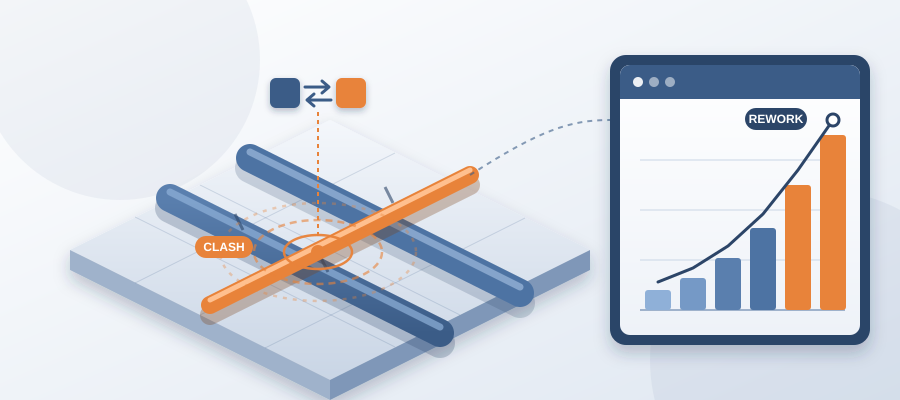
You have seen this story. A harmless substitution triggers a cascade of knock-on changes. The equipment spec changes, the ductwork needs resizing, the electrical load increases, and suddenly three trades are working from different assumptions. The worst part is that you often do not find out until an RFI or a change order shows up weeks later. By then, the same problem that would have cost about $50 in the model costs $5,000 to $50,000 in the field.
BidLight runs inside Revit and Navisworks and reads your model at element level. When a piece of equipment changes, the next publish is a new versioned snapshot. The comparison against the last one lists every element that moved, grouped by category: structural, MEP, envelope, interior. You see the curb, the transition and the feeder in the same session.
This reduces mistakes on the job. Instead of relying on manual updates that miss downstream dependencies, you get the full picture of what the swap touched. You can defend every call with the underlying model data.
You stop chasing scattered updates. No more hunting through RFIs and submittals to find which sheet changed. Your record becomes a living document that reflects the design as it evolves.
How a Single Equipment Swap Triggers Structural and Electrical Changes
The rooftop unit swap adds weight to the curb. That weight means reinforcing the framing below it. The structural engineer has to add beams and connections. In a manual review, you might catch the curb and miss the steel. In BidLight, every changed element appears in the comparison, and each one can be pinned to an issue.
Electrical changes follow. The new unit has a different electrical load, which means a larger breaker and heavier feeder cables. The panel schedule needs to change. The electrician would have worked from the original unit. Without detecting the swap, you face a surprise on site, and a crew waiting for a decision can burn $15K to $50K a week in idle field labour.
Ductwork changes too. The new unit has different connection sizes and locations. The duct runs have to be rerouted and the transition fittings replaced. BidLight catches these dependencies because it works from the full model, not just the equipment schedule.
Each of those becomes an issue pinned to its element, with the sheet and revision that raised it. It closes only with a screenshot, a tagged user and the linked model commit that delivered the fix. So the structural beam, the breaker and the transition are each owned, tracked and proved.
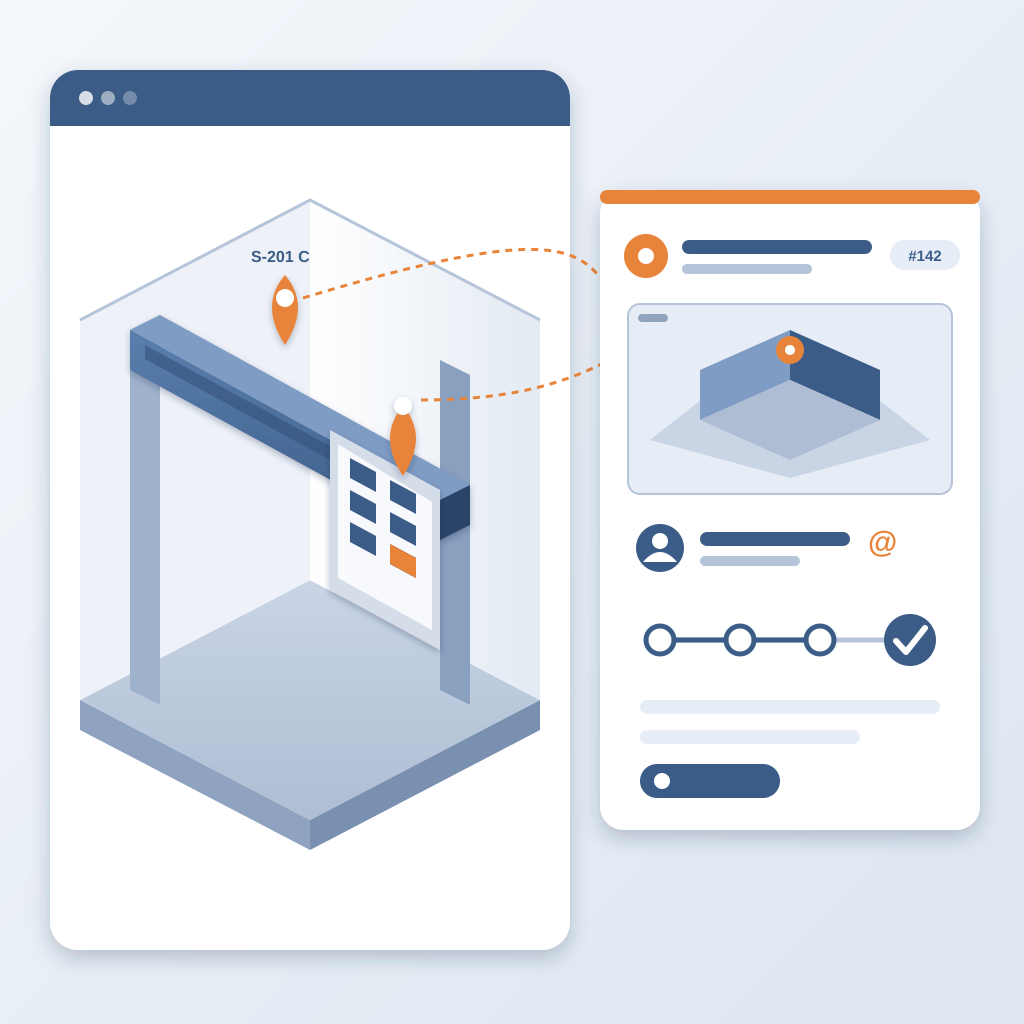
You will end up with a record that tells the owner exactly what the substitution touched. A swap that looked small on paper is now a short list with names against it.
Real-Time Updates Keep the Record Aligned With the Design
Design changes happen weekly. The architect moves a wall, the structural engineer changes a beam size, the MEP engineer resizes a duct. Each change can affect another trade. With email and markups, you wait for a new set of drawings and redo your review. That takes hours or days. By then, the design has moved again.
With BidLight, you publish the updated Revit model and compare it with the last snapshot. You see the new list of changes right away, and the answer takes about 15 minutes instead of a 90-minute meeting. This speed means you never fall behind the design cycle.
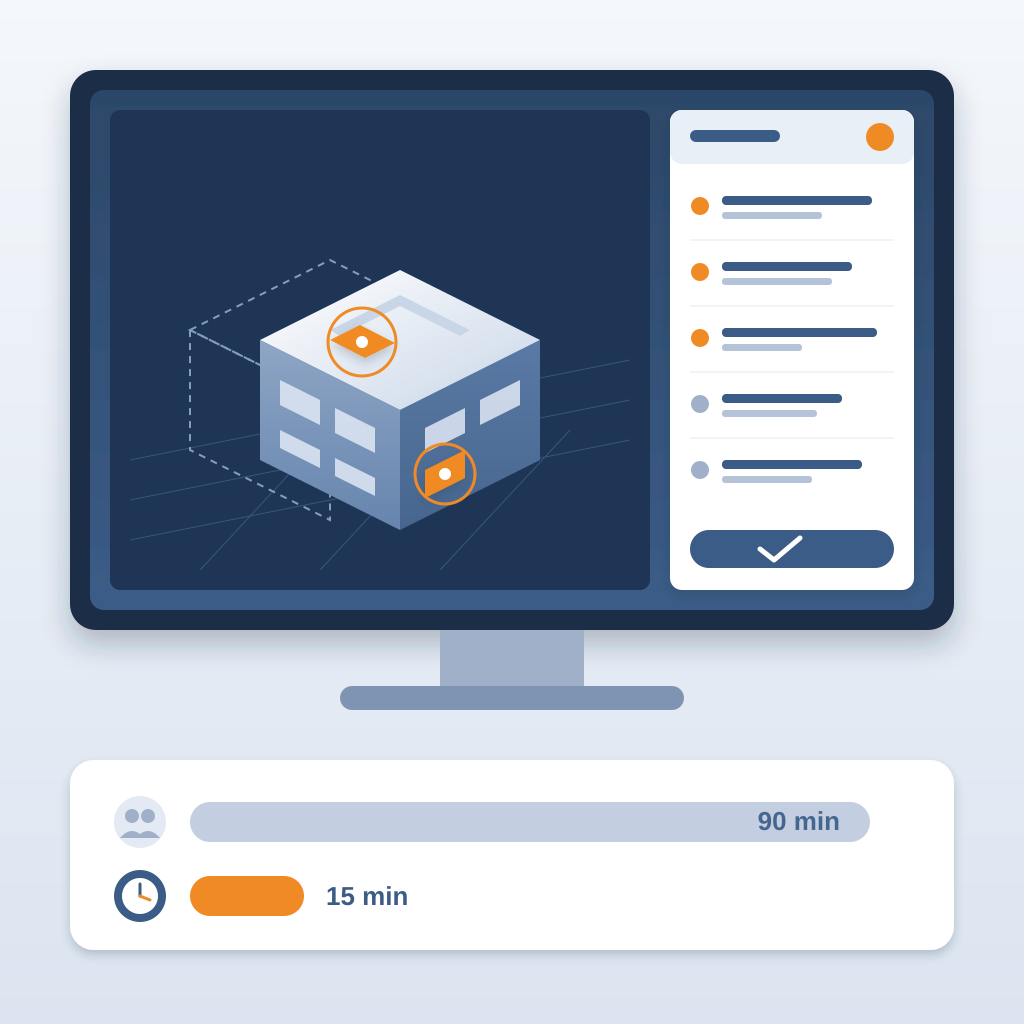
You stop re-doing work. Instead of spending a week on a review that becomes obsolete, you spend minutes per update. Your team focuses on resolving issues and choosing options, not hunting for differences. You catch rework creep before it embeds in the project.
This also supports what-if reviews. Before you commit to a substitution, publish the option and see what it touches. The comparison shows how a change travels through the trades.
The result is fewer change orders, fewer disputes and less rework. You protect the schedule from the small substitutions that quietly pile up.
Turn Early Visibility Into a Service
Many firms lose money on early coordination. They invest hours of senior time without a record to show for it. With BidLight, the record builds as you work, so the effort is visible and the findings are documented.

You can also charge for it. Owners and architects need clear feedback during design. They will pay for a reliable record of what a substitution touches. Offer substitution reviews, design-assist coordination and early model checks as billable services.
BidLight is priced per license, billed annually or monthly: Basics at $260 a year ($30/month), Core at $330 ($39/month), Complete at $440 ($51/month) and Max at $590 ($69/month), with custom Enterprise pricing. Every plan includes unlimited projects, and AIA members get discounts of up to 29%. Done-for-you BIM work like execution plans and 4D sequencing is available on top.
The ripple effect of a single substitution no longer surprises you, because the 6am digest tells each owner what is theirs and the project view shows who is behind.
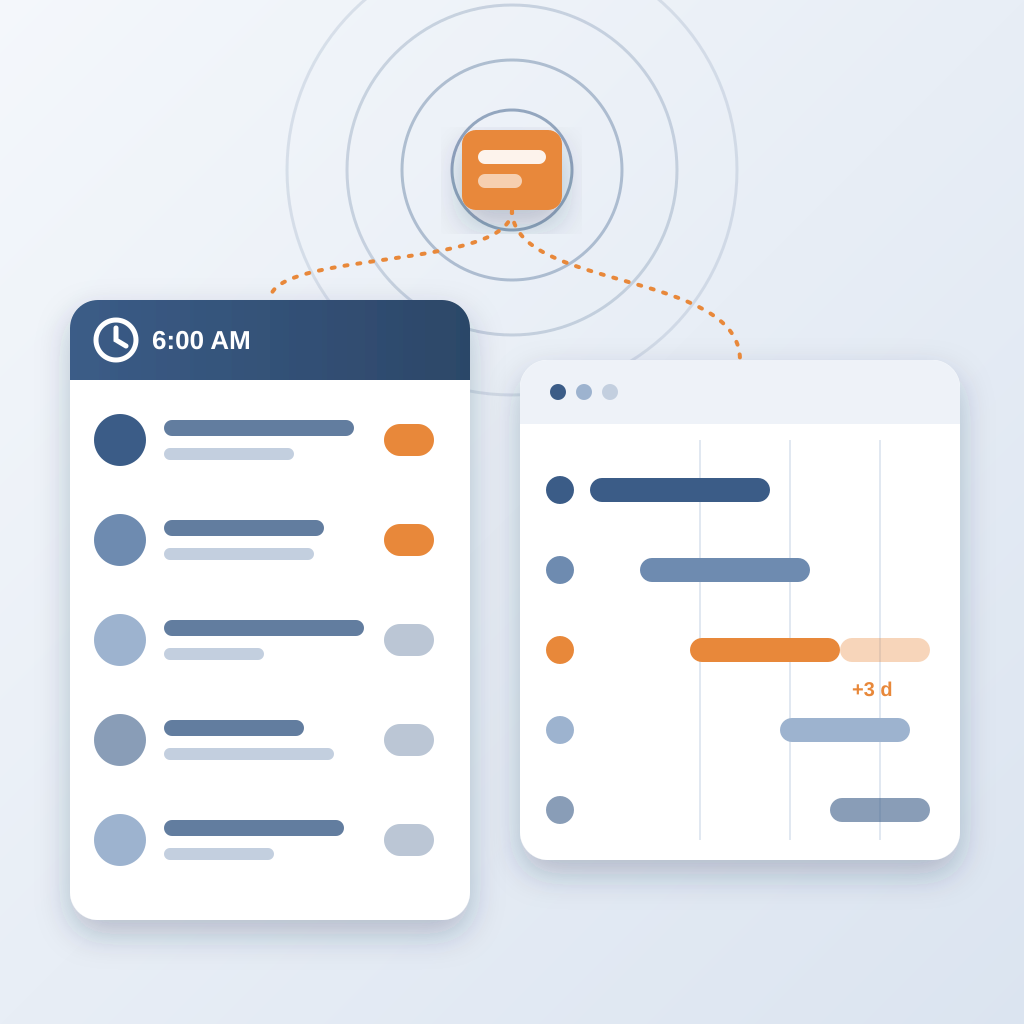
The takeaway: minor substitutions are never minor. They ripple through structural, electrical and mechanical systems. BidLight shows you those ripples in the model, assigns them and closes them with proof. You save time, money and headaches.