One Record, Good for the Whole Job
The Pain of the Re-Do
Every coordinator knows the sinking feeling. You spend days getting the models aligned. Clashes reviewed, issues assigned, sheets checked against the federated model. You close the coordination meeting on Friday. Monday morning, the architect sends a new model. A few walls moved. A duct rerouted. Now your issue list is stale, your markups point at geometry that is gone, and nobody can say which version is current. You start over. Not from scratch, but close. It eats three days you didn't budget for.
This cycle happens on every project with design iterations. The more responsive your team, the more times you re-run the comparison by eye. Multifamily. Healthcare. Education. Any sector where design keeps evolving while trades are already building. The result is the same: your best people lose about 11 hours a week working out which model version is current. And the change nobody flagged? It shows up on site as rework.
Most workflows treat the model as a snapshot. Someone exports it, someone reviews it, and the review freezes. When the model updates, the review stays frozen. You have to decide by hand whether the change matters, then chase the people it affects. Most teams don't bother until the next coordination meeting forces them to. By then the gap between what the team thinks and what the model says has grown, and the fix costs more.
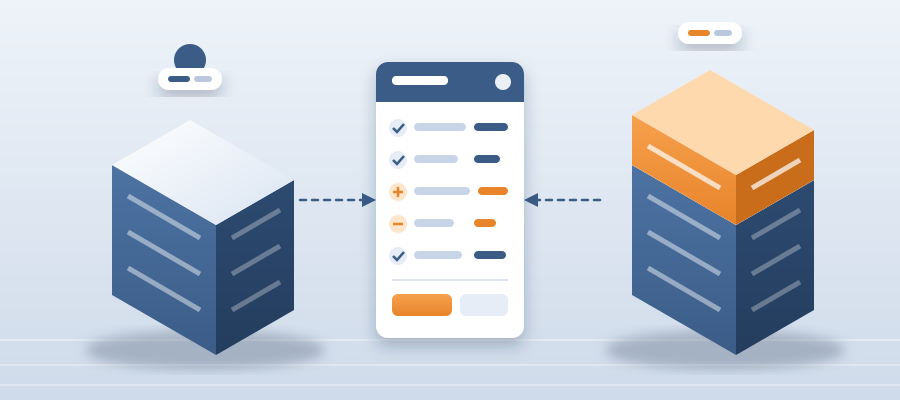
BidLight breaks that cycle. It runs inside Revit and Navisworks. Every publish becomes a versioned snapshot with its own files, author and milestone. No hunting for the latest export. No three-day scramble. Your record stays live, and you stay ahead of the clash the field would have found for you.
How It Works: Every Export a Snapshot, Every Change a Diff
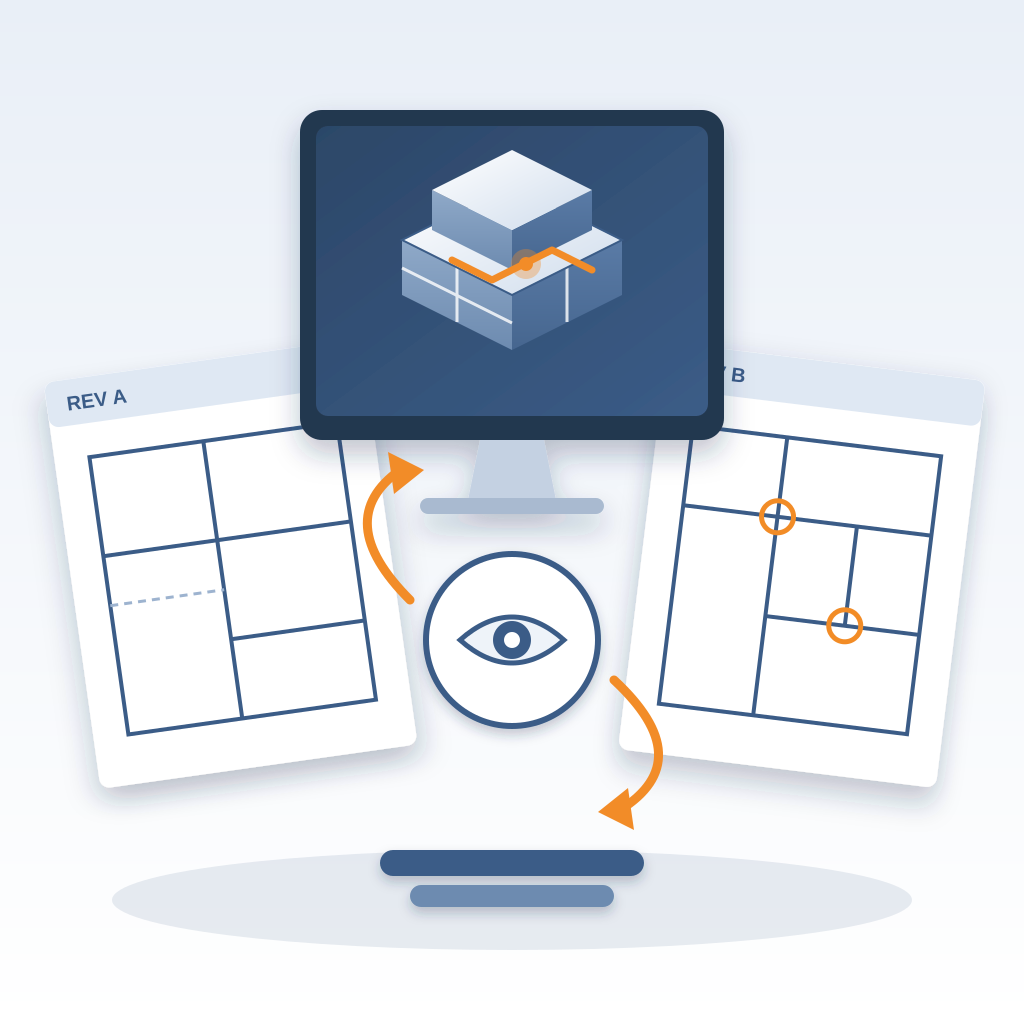
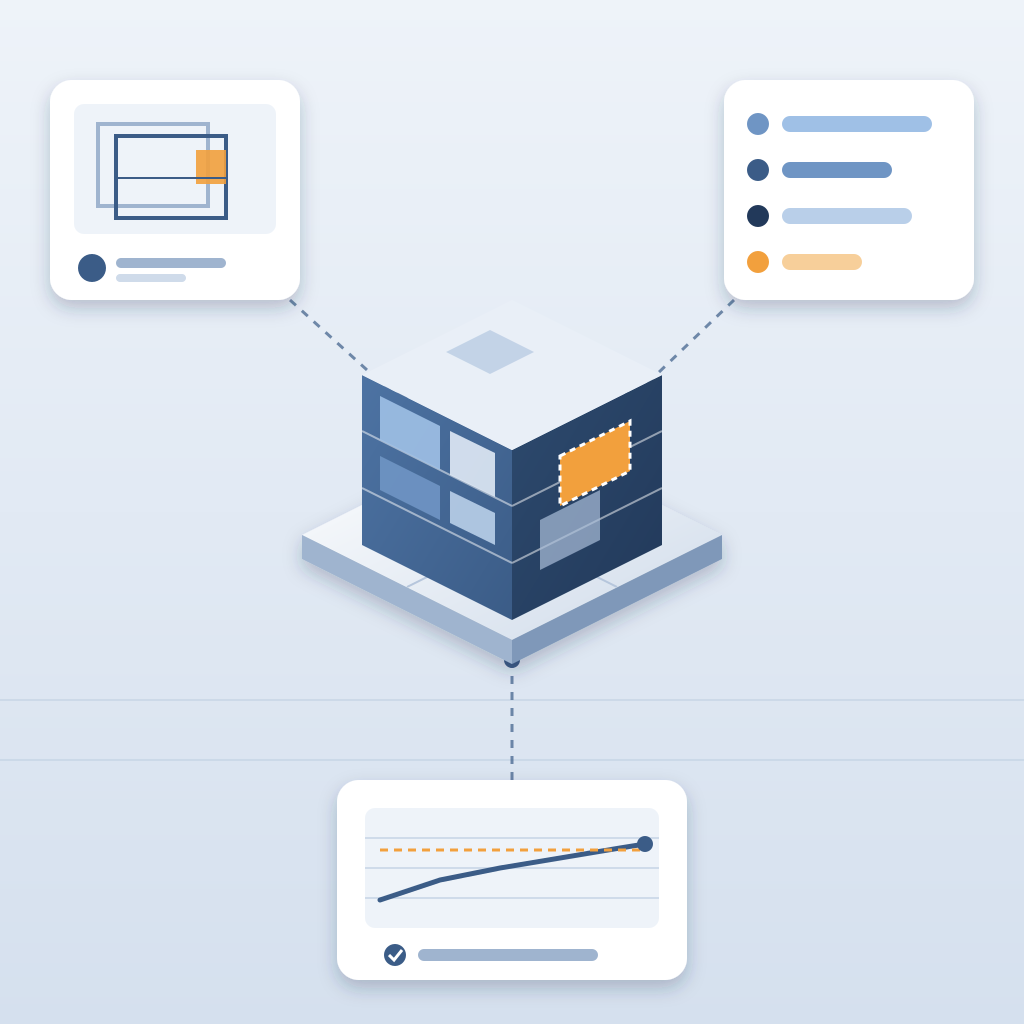
When you publish from the model, BidLight stores that export as a version. Pick any two revisions and they compare element by element, grouped by category: structural, MEP, envelope, interior. You review what moved instead of re-checking every pipe, every door, every run of conduit.
Those differences are not a ballpark. Each change ties to a specific element in the model, with the sheet and revision it came from. When the architect enlarges a window wall, you see the exact elements that changed and the ones that did not. The rest stay put, and nobody touches them.
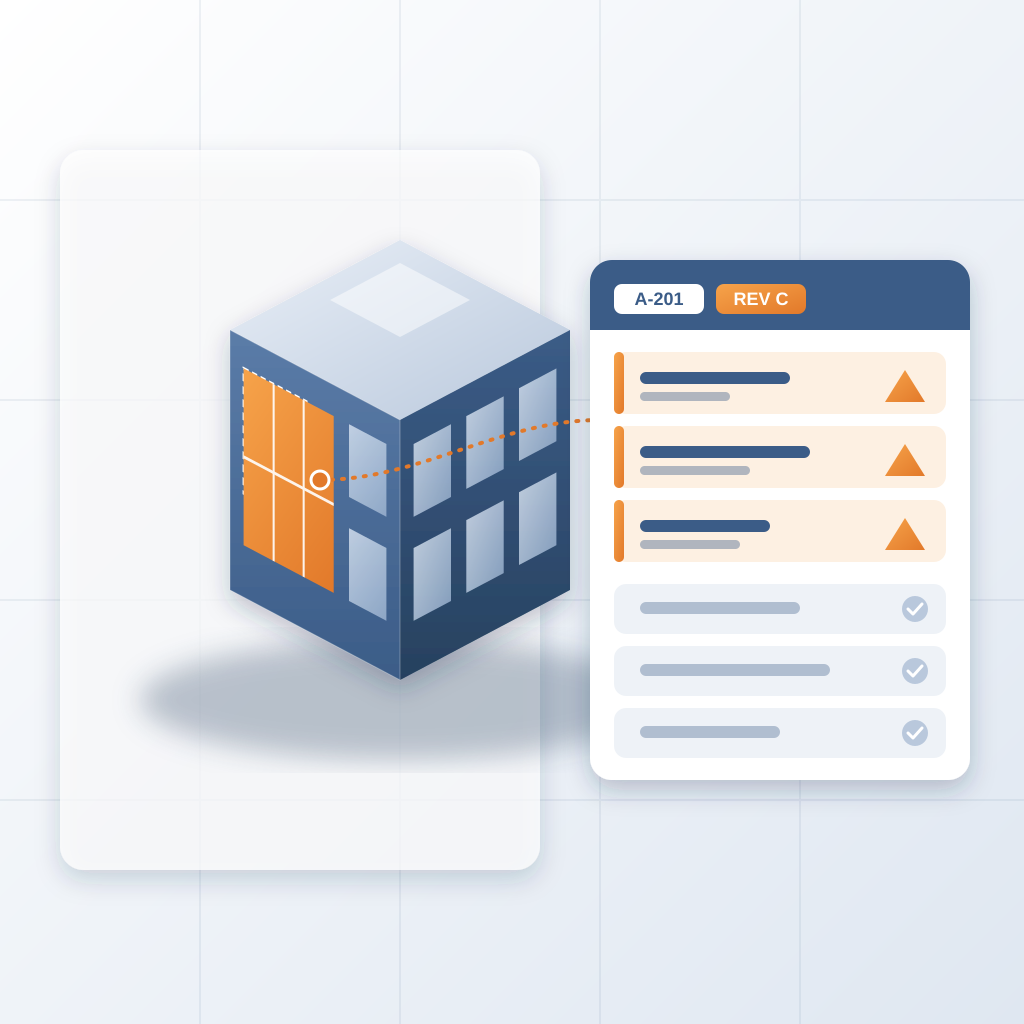
Nothing here is a guess. Every change traces back to an element and a published version. And you never have to ask whether you are looking at the right version.
Think about what that means for your next coordination cycle. The architect sends a model at 4 PM Friday. You publish, compare it with the last revision, and see what changed in about 15 minutes instead of a 90-minute meeting. Monday morning, the architect revises again. You open Revit, see the new snapshot, and the diff is already there. No all-nighter. No "we'll sort it out on site." Just a current, defensible record.
Plans That Scale with Your Practice
BidLight is sold per licence, billed annually or monthly: Basics at $260 a year ($30/month), Core at $330 ($39/month), Complete at $440 ($51/month) and Max at $590 ($69/month), with custom Enterprise plans. Every plan includes unlimited projects, and AIA members get discounts of up to 29%.
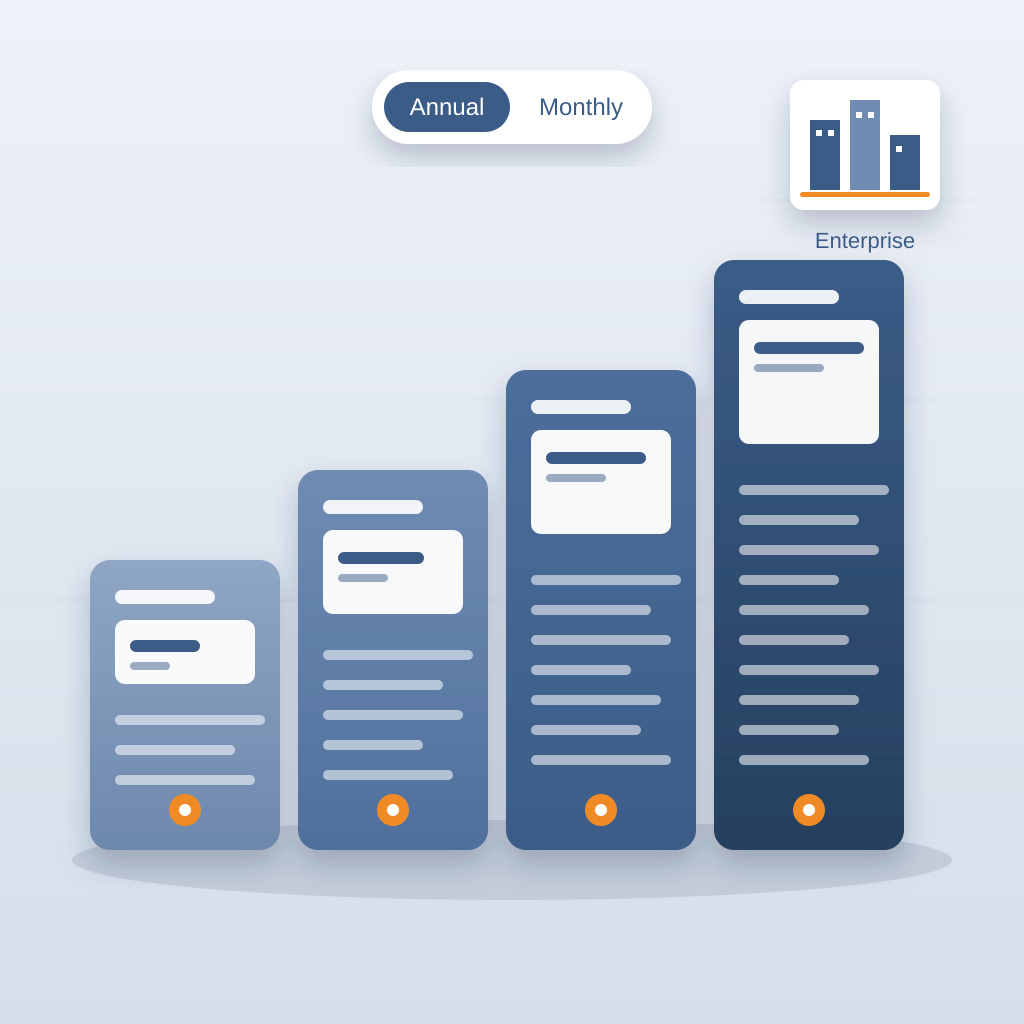
If you are a sole practitioner coordinating a single discipline, the smaller plans cover the daily work of publishing, comparing and tracking issues. Larger plans add more for bigger teams. Support comes with every plan; Enterprise adds dedicated support.
Compare that with the cost of a team reconciling versions for three days. At 11 hours a week lost per person, one revision cycle costs more than you think. And you get the consistency of a record that doesn't forget an element when a wall shifts six inches.
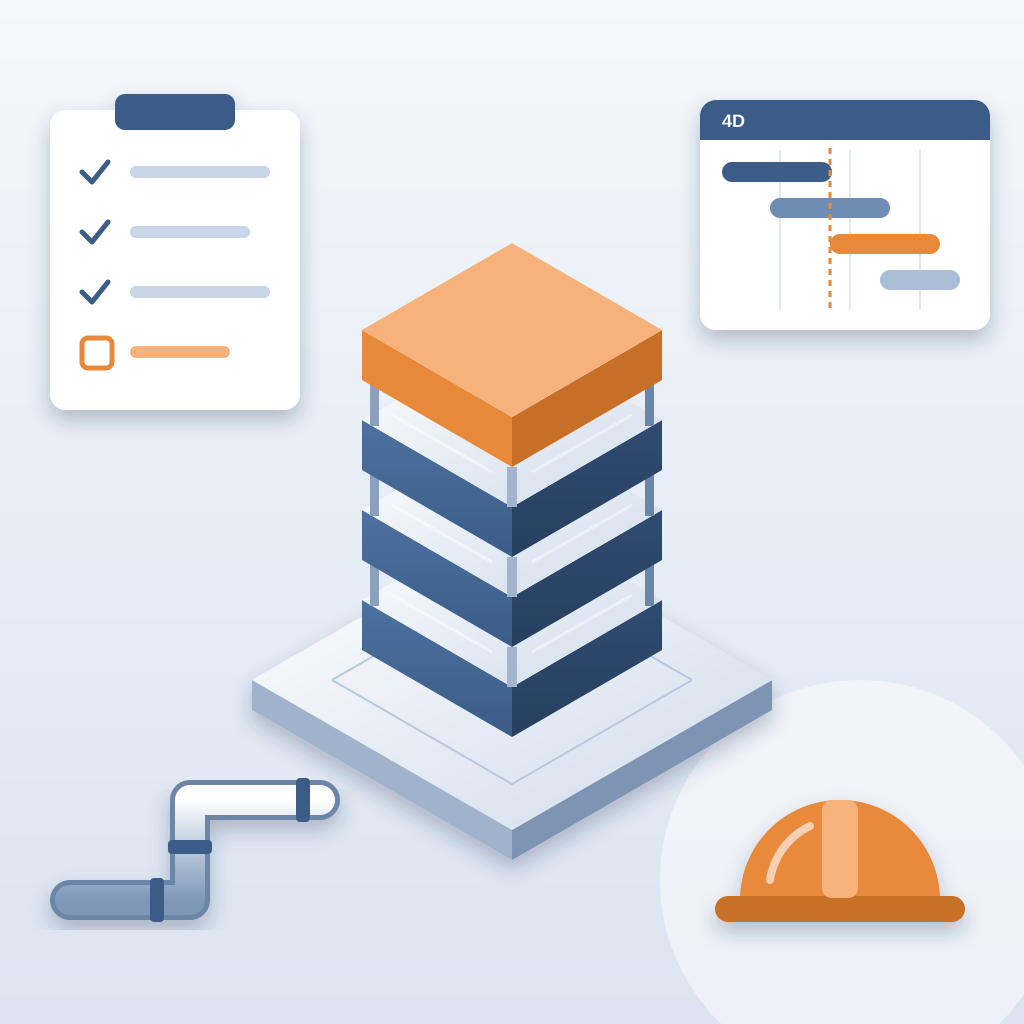
There are also the done-for-you BIM services: execution plans, 4D sequencing, fabrication detailing and spooling. If your firm doesn't have in-house BIM depth, the BidLight team can take on the heavy lifting. You hand over the model, they return a coordinated one.
How This Changes Your Job: From Reaction to Control
Most coordinators react. Design changes come in, you scramble to catch up. The reactive team is always behind, always firefighting, always hoping the general contractor doesn't ask about a change nobody checked. The reactive team pays for more rework and more change orders.
BidLight flips that. Every publish is a versioned snapshot you compare against the last one. You see each revision as it lands. You know right away if it touches structure, MEP, envelope or interior, and who owns the affected elements. The 6am digest tells each owner what is theirs, so you are not chasing anyone.
And when it is time to show the project team where things stand, you don't need a slide deck of static markups. You show a record that updates as the work happens, tied directly to the model.
Teams that adopt this stop reconstructing history from email threads. The architect sees what changed. The trades see what they own. The owner sees a project that stays under control before the first slab is poured.
The Takeaway: Stop Re-Doing. Start Controlling.
Every project runs on the model. But the way teams track it hasn't kept pace with the speed of design. Manual comparisons, scattered markups and frantic re-dos are table stakes for most firms. They don't have to be yours.
BidLight versions every export and diffs it element by element. That changes your workflow from reactive to proactive. It changes your model from a snapshot to a live record. And it changes your reputation from "the coordinator who needs three days" to "the partner who always knows what changed."
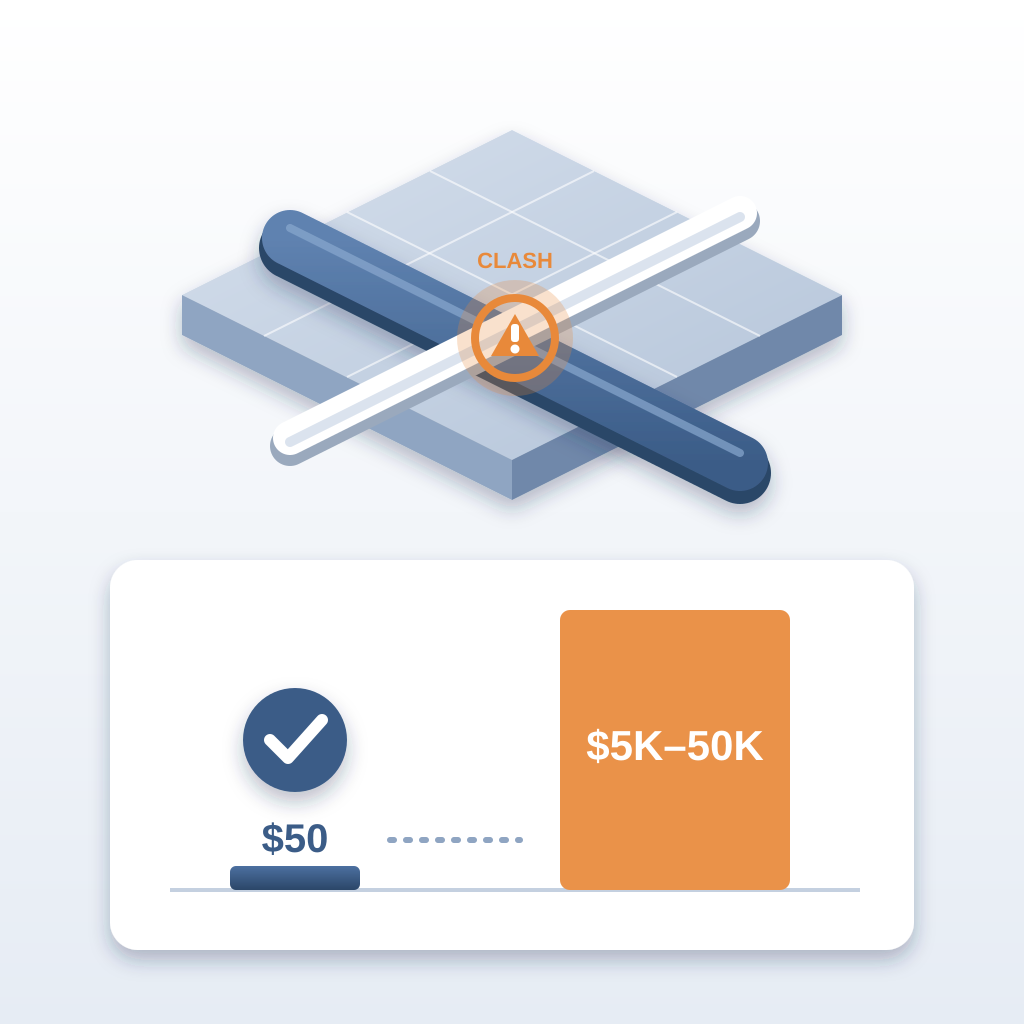
The result is simple: you never reconcile the same model twice. Issues close with proof, so they stay closed. You catch the change before it reaches the field, where a clash costs $5,000 to $50,000 instead of about $50 in the model.
If you're tired of chasing scattered updates, this is your way out. One record. Good for the whole job.