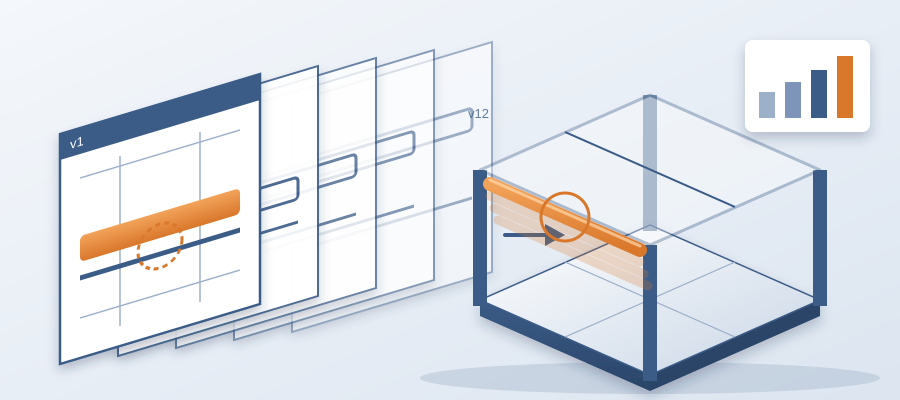
One Element. Every Version It Ever Had.
The Question That Exposes the Gap
Someone on the call asks why the beam depth changed on Level 3. Maybe it is the structural lead. Maybe it is the MEP coordinator who just saw the ceiling drop. The room goes quiet. Then comes the guess: I think the latest export is the one from Tuesday, but there was another one after that, and I am not sure if it included the architect's update. Everyone nods. Nobody knows. That is the moment you realize the model is not the record. It is one copy of many, and nobody can say which one is current.
This is not a rare situation. It is the default state of coordination on most jobs. Exports get saved with names like Level3_combined_v7_FINAL. They get emailed. They get dropped in a folder. Someone opens one and half the team opens another. When a question like the beam depth comes up, the answer is not in the model. It is in someone's memory of which file they opened last. That memory is often wrong.
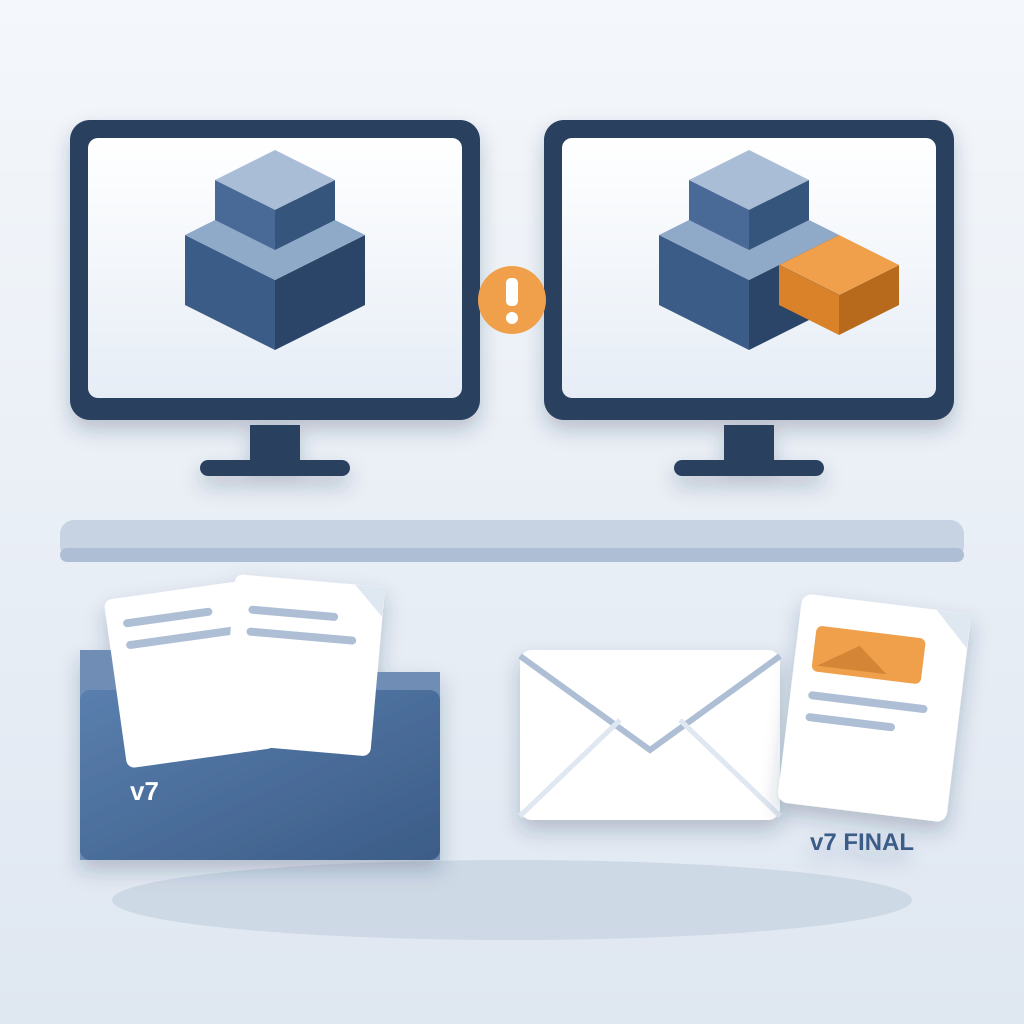
What does that cost? The meeting runs long. The team leaves without a clear answer. Someone promises to check and get back. That check takes more time because they have to compare two exports by eye, clicking through views, trying to spot the difference. An hour here, an hour there. It adds up to about 11 hours a week lost just working out which model version is current. That is time you are paying a coordinator to be a file clerk.
The real problem is not the beam. It is that the model has no memory you can query. Without a versioned record, every change is a mystery until someone reconstructs it from email threads and screenshots. And by the time they do, the field may have already built the old detail.
Why the Guess Is Usually Wrong
The guess is wrong because models change constantly and exports do not tell you what changed. A structural engineer nudges a beam depth to clear a duct. The change is saved in the central model. But the export that goes to the coordination team might be from before that save, or after, or from a local copy that never got synced. Nobody tags the export with what changed. The file name does not say. The only way to know is to open both and compare, and that comparison is slow and error-prone.
Even when you know which export is current, you still do not know why the beam changed. Was it a design change? A clash resolution? A mistake? The model geometry shows the new depth, but it does not show the story. So the team spends time chasing the story instead of acting on it. That is time not spent fixing the next clash or getting ahead of the schedule.
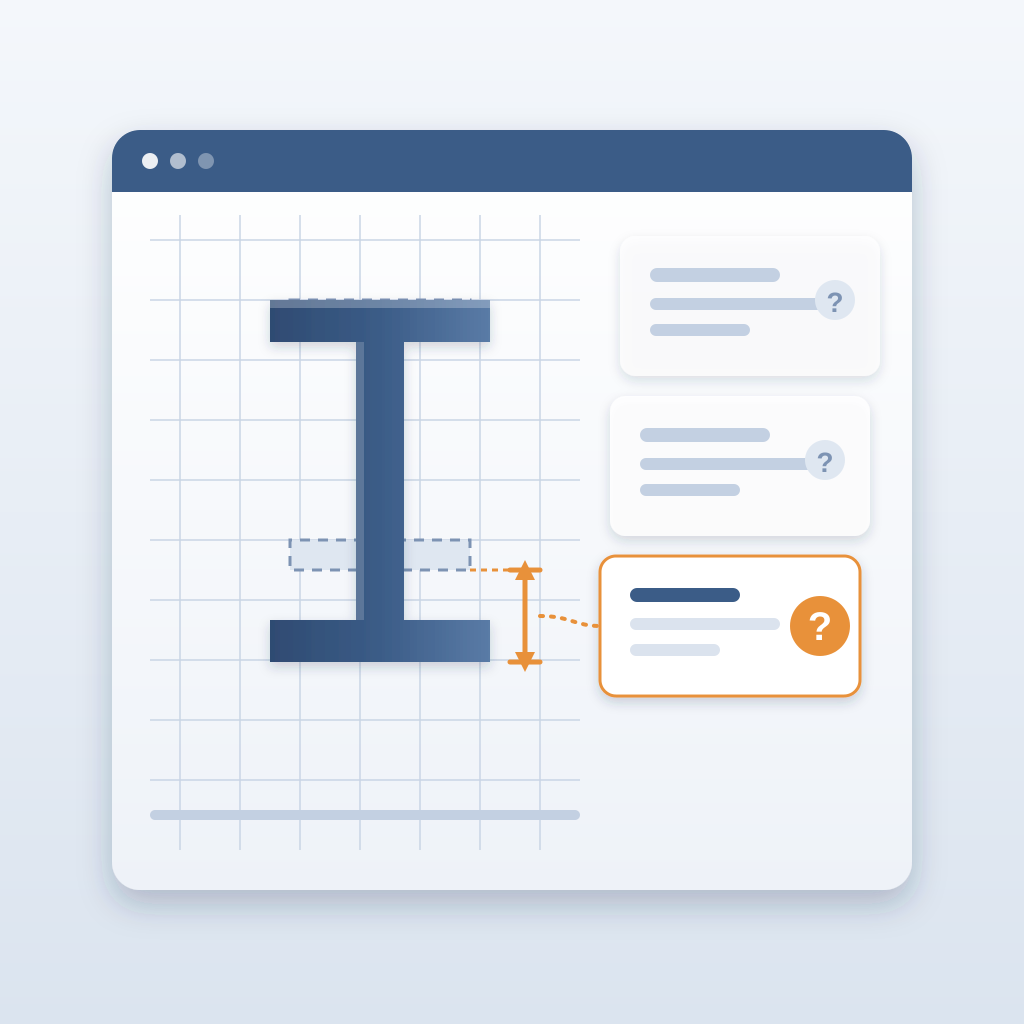
The cost of that guesswork lands on the job. A beam depth change that goes unexplained can ripple into other trades. The duct that was routed under the beam now has less room. The sprinkler line has to move. The ceiling height drops. Each of those adjustments costs money in the model and more money in the field if the coordination falls behind. And it all starts with a question that should have had an answer in the model.
That is why the guess is not a harmless quirk. It is a symptom of a coordination system that relies on people to remember things that a system should record. When the record is missing, the team fills the gap with assumptions. Assumptions are where rework begins.
What It Looks Like When the Model Remembers
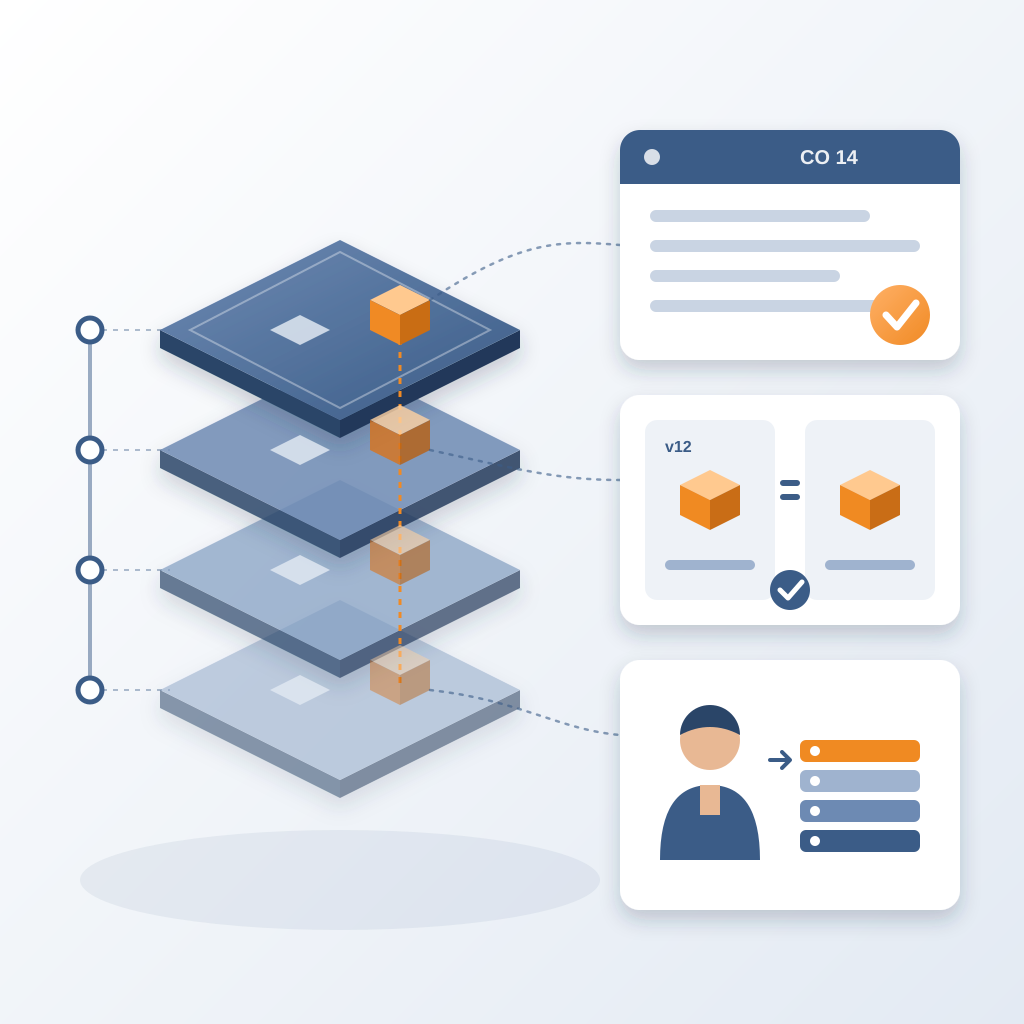
Now picture the same question with a versioned model. Someone asks why the beam depth changed on Level 3. You open the element's history. You see every version it ever had: the original depth, the date it changed, the user who changed it, and the model commit that made it official. You see it was changed to resolve a clash with the main duct. You see the screenshot attached to the change. You see who tagged it and when it closed. The answer takes about 15 minutes instead of a 90-minute meeting.
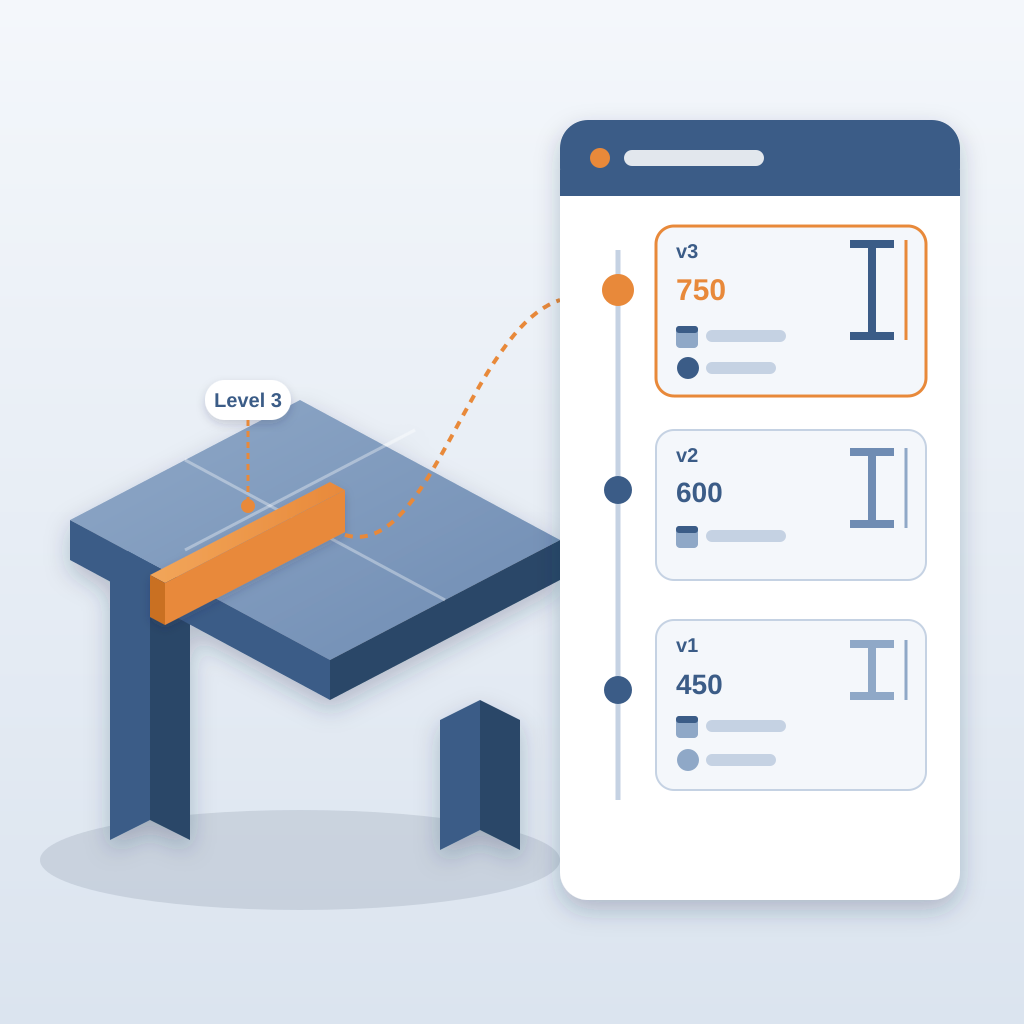
That is what BidLight does. Every export is versioned and compared element by element. Not by eye, by the system. When you want to know what changed between two versions, you get a diff: this beam changed depth, this duct moved 6 inches, this wall was deleted. The diff is categorized: structural, MEP, envelope, interior. You can filter to the category you care about. The model becomes a record you can query, not a file you have to guess about.
The element-level history is the key. Most coordination tools show you the latest model. BidLight shows you the model's memory. For any element, you can see its versions, who changed it, and what commit fixed it. That means the beam depth question is not a debate. It is a lookup. The room does not guess. The room knows.
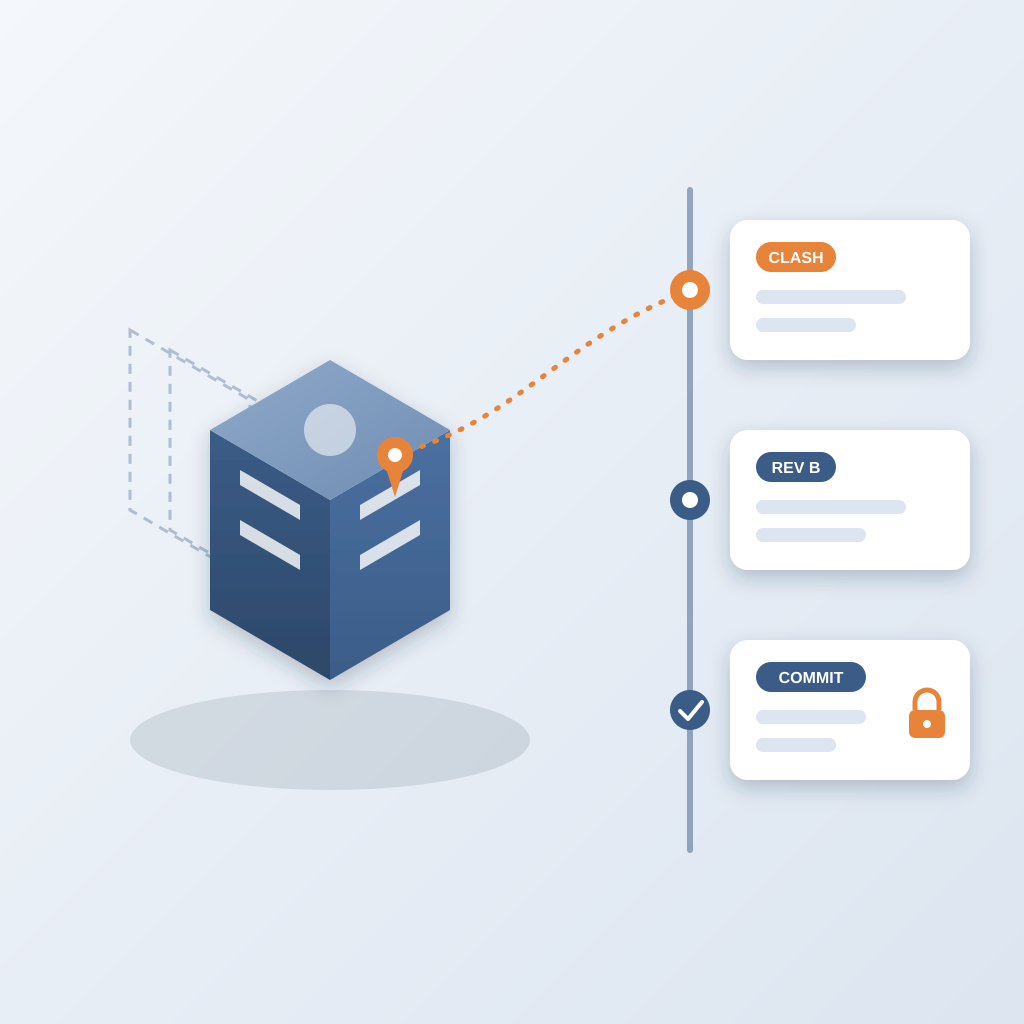
And because every issue is pinned to the element it concerns, the history of the issue is tied to the history of the element. You can see when the issue was raised, which revision it came from, and what commit closed it. Closing is gated: a screenshot, a tagged user, and a linked model commit. So the beam depth change is not just recorded. It is proven.
From Answer to Action: Catching Problems While They Are Cheap
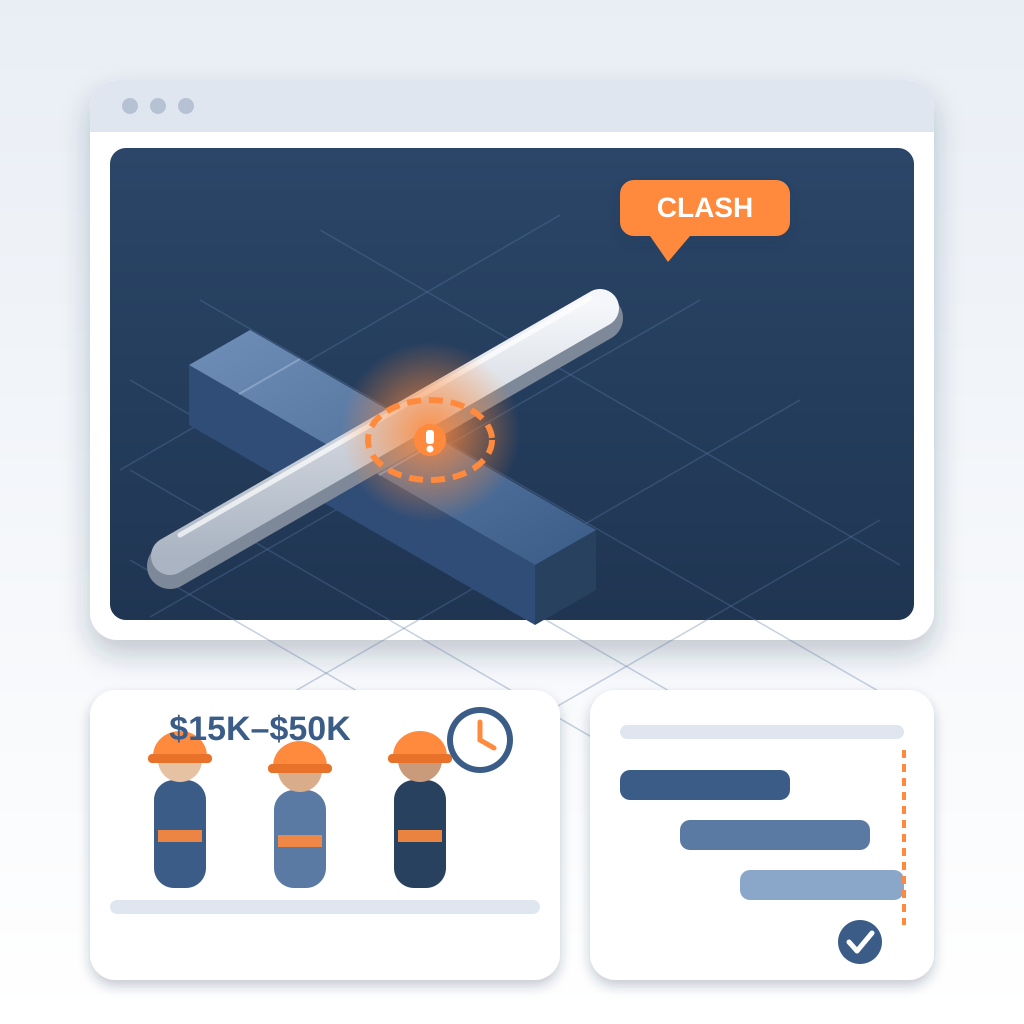
Knowing why the beam changed is useful. But the bigger win is catching the change before it becomes a field problem. When every export is diffed element by element, you see the beam depth change the day it happens. You see it in the model, not on site. That is the difference between a $50 fix and a $5,000 to $50,000 field fix. The beam that would have been framed wrong gets caught in coordination. The duct that would have been installed too low gets rerouted before fabrication.
The diff also tells you who is behind. The project view shows every issue against its owner. The 6am digest tells each owner what they own that day. So when the beam changes, the structural lead sees it in their digest, the MEP coordinator sees it in theirs, and the issue is assigned. No one has to chase. The model record does the chasing.
That visibility changes the conversation. Instead of spending the meeting reconstructing history, the team spends it solving the next problem. The coordination meeting starts with the diff, not the recap. The diff shows what changed since last time. The team decides what to do about it. The meeting is shorter and the decisions are better. And because the model remembers, the decisions are recorded against the elements they affect.
The cost control comes from that speed. An unresolved clash can burn $15K to $50K a week in idle field labor. When the model catches it early, the crew does not stand around. The work moves forward. The schedule holds. That is the kind of saving you can take to the owner. On one hyperscale programme, teams using BidLight saved over 18,000 hours and $12.3M in cost. Not from a single big fix, but from hundreds of small ones caught in the model.
The Habit That Makes the Record Work
The model only remembers if you let it. That means versioning every export, not just the ones you think are important. It means diffing before every coordination call. It means closing issues only with proof: a screenshot, a tagged user, and a linked commit. Those habits feel like extra steps at first. Then you have your first meeting where the beam depth question gets answered in 15 minutes, and you never want to go back.
The teams that get the most from BidLight are the ones that treat the model as the single source of truth. They stop emailing exports. They stop naming files with FINAL. They use the project view to see what is current. They use the 6am digest to start their day. They use the element history to answer questions. The model becomes the record, and the record becomes the defense when someone asks why something changed.
That defense matters beyond coordination. When a change order is questioned, you have the history. When a submittal needs to match the model, you have the commit. When a new coordinator joins the team, they have the memory. The model does not forget when people leave. The history is there, pinned to the elements, ready to be queried.
And that is the point. One element. Every version it ever had. That is what turns a guess into an answer and a clash into a cheap fix.