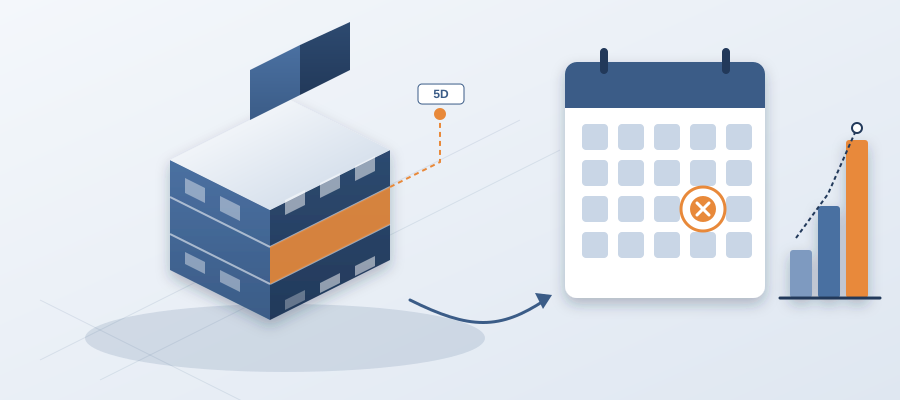
Missed Deadline Cost: The Number You Defended in the Interview
The Moment the Interview Turned
The question was simple. How do you price fast? You said we move fast. Then you shared your screen and opened the spreadsheet from the last bid, and the room went quiet in a way you felt through the camera. The owner saw the tabs. The hidden columns. The two people's initials in the file name. You had just told a story about speed and shown them a system that cannot produce it without a team of people copying numbers by hand.
That is the missed deadline cost nobody puts in the budget. It is not the penalty clause. It is not the liquidated damages line the lawyer circled. It is the job you did not win because the artifact on your screen contradicted the sentence that came out of your mouth. Firms lose work every week for that reason and never book it as a loss.
The old takeoff is not a moral failing. It is the honest product of how most firms still price work. Someone exported quantities, someone else pasted them into a workbook, a third person checked a sample, and the bid went out. It worked. It just did not work fast, and it did not stay true once the design moved. The interviewer was not asking about your character. They were asking whether your number can survive a design change on a Thursday afternoon.
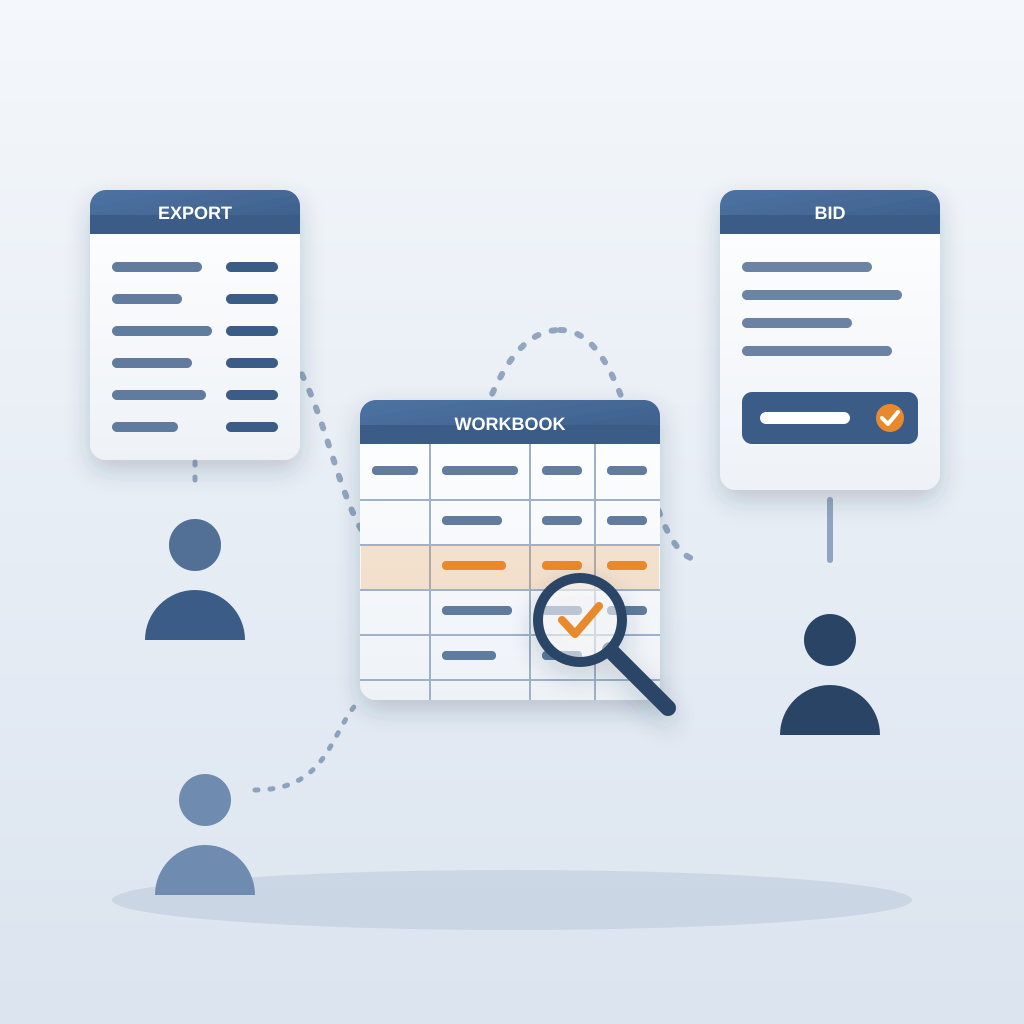
The fix is not a better speech. It is a different artifact. One live record of the project inside Revit, with cost riding on the same model, so when you open your screen you are showing the thing itself and not a snapshot of it. That is the difference between claiming speed and demonstrating it in four clicks.
There is a real cost to the old way, and it shows up twice. Once in the bid you did not win, and once in the hours your team spent producing a number that was already stale by the time it landed. Both are avoidable, and neither requires you to change how you design. It requires you to stop treating the estimate as a document and start treating it as a view of the model.
What the Old Takeoff Actually Costs You
Start with the hours. A traditional takeoff on a mid-size project runs into days, not hours, and most of that time is not judgment. It is counting, exporting, reconciling three versions of the same wall type, and rebuilding the workbook when the architect sends a revised set. When you run a 5D BIM cost estimation workflow, the quantity is read from the model you already maintain, so the counting stops being a job and starts being a byproduct.
Then add the rework. The design changes, someone updates the model, and the estimate does not know. Two weeks later a project manager finds the gap and the team rebuilds the pricing under deadline pressure. Firms we work with describe losing 15 to 20 hours a week across estimating and coordination to exactly this loop. That is not a rounding error. That is a full-time role you are funding and not hiring.
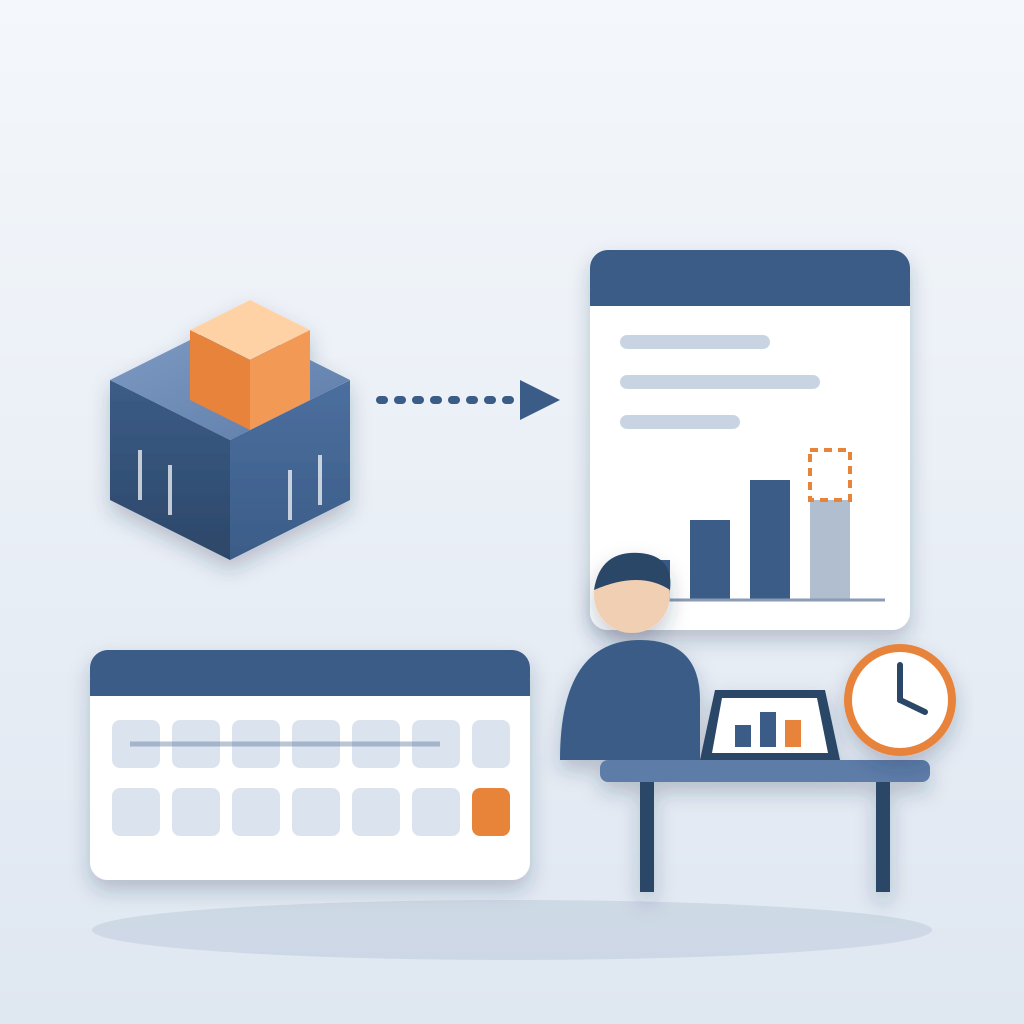
Now the part that hurts most. The bid you lost. Not because you were expensive, but because you were slow and the owner needed a number while the design was still warm. Early estimates get you into the conversation before the scope is frozen. Late estimates get you a courtesy email. A firm that can price in minutes keeps showing up in rooms where the decision is still open, and that is where the win rate moves. Teams running this way report win rates climbing toward 35 percent, and the reason is not magic. It is being present at the moment the client is still deciding.
The interviewer in that room was doing a version of the same test. They wanted to see whether your number lives on the model or in a file. If it lives in a file, they know every change order will be a fight, every RFI will cost them time, and every budget conversation will start with an apology. If it lives on the model, they get a partner who can answer the phone with a number instead of a promise to circle back.
So the missed deadline cost is not one line. It is the hours, the rework, and the work you never saw. Put those three together and the old takeoff is the most expensive document your firm produces each quarter. It just never appears on an invoice, which is why nobody escalates it.
How a Live Model Changes the Conversation
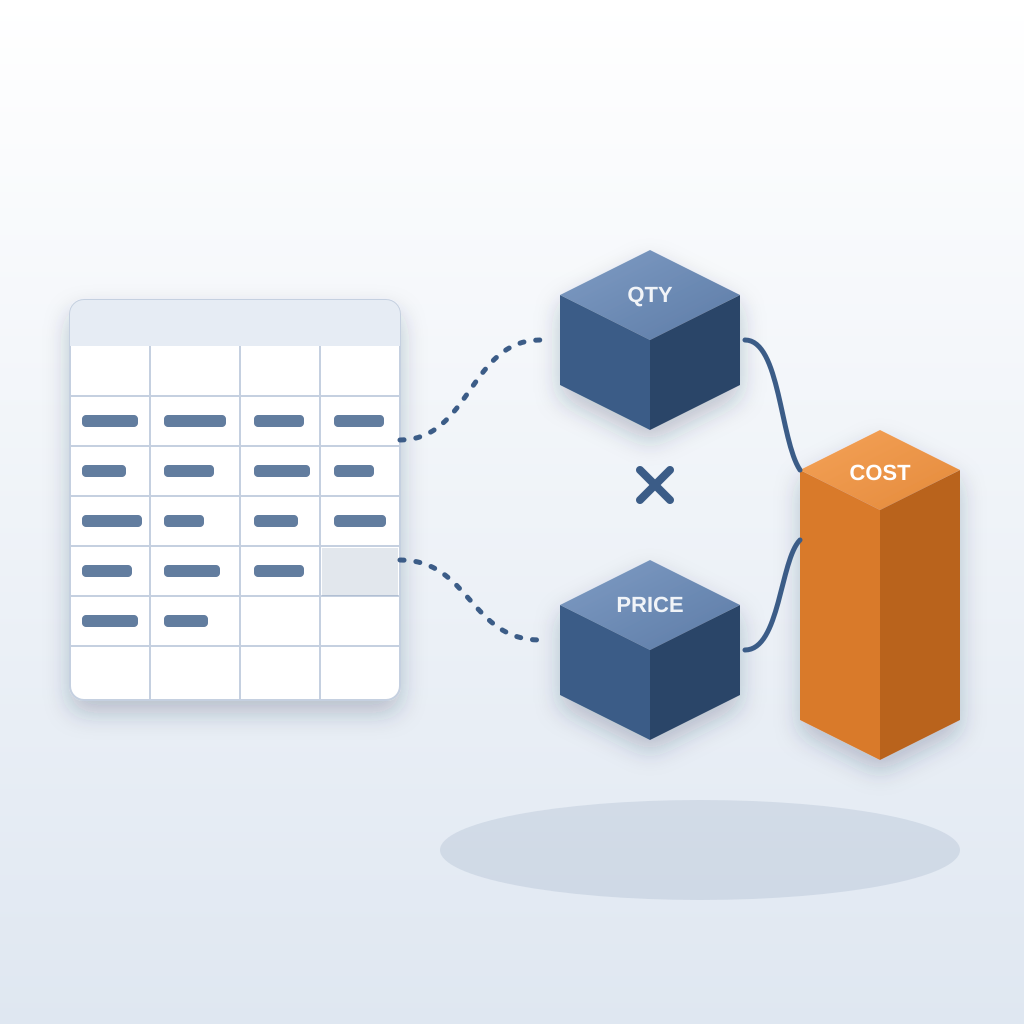
Here is the plain version of what BidLight does, because the mechanics matter if you are going to defend the number. One live record of the project lives inside Revit and Navisworks. Export your model and you get labor, equipment, material, and time costs in minutes. Change the design and the number updates in real time, because the cost is riding on the same geometry you just moved. There is no second file, no overnight turnaround, no estimator rebuilding a workbook on a Saturday.
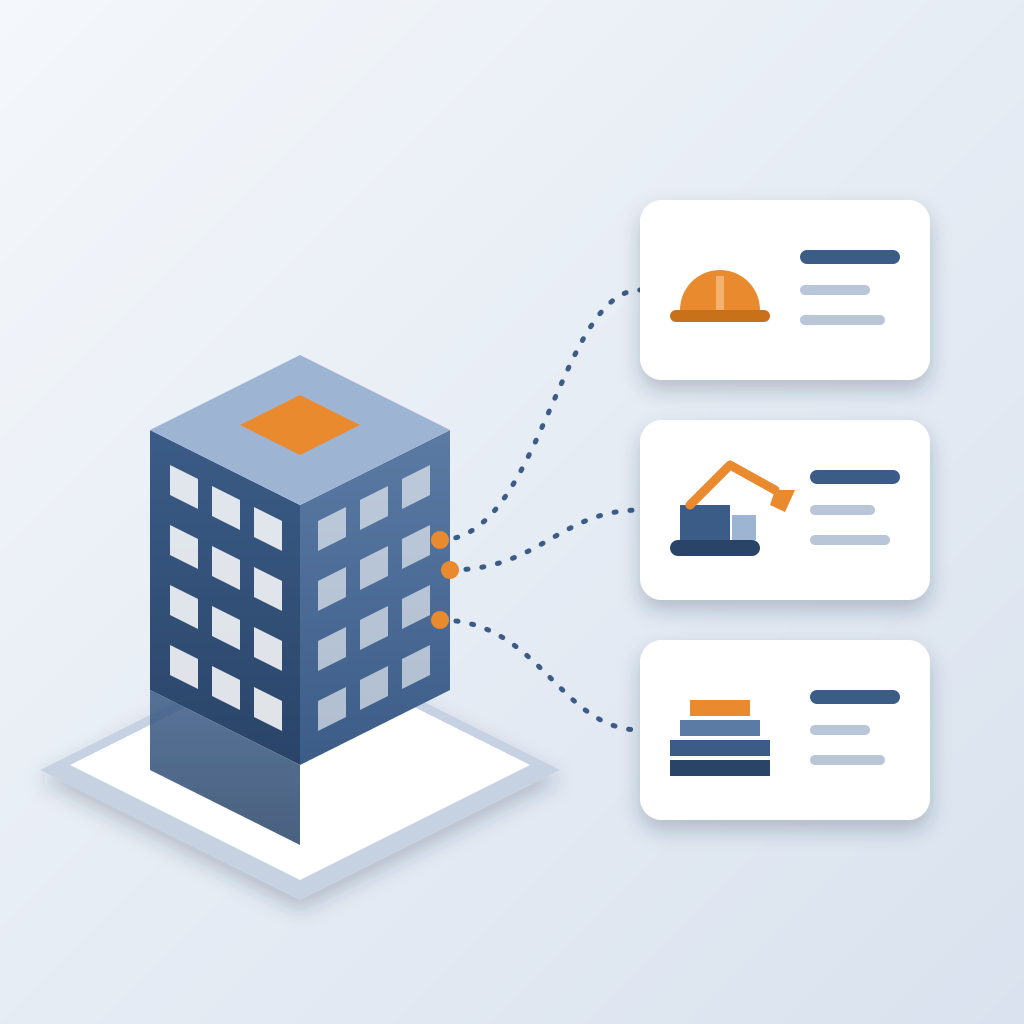
Two AI models read the geometry and the metadata and classify line items for the bill of quantities at 86 percent accuracy. That accuracy figure matters because it is the difference between a number you present and a number you have to caveat. Pricing comes from a roughly $30,000 database plus Craftsman, 1Build, and RSMeans, so the rates behind the line items are the ones your clients already recognize. When someone pushes back on a unit cost, you are not defending a guess you typed in 2019.
The workflow that matters most is the one you can run in front of a client. A 5D BIM cost estimation workflow is not a report you generate at the end. It is a live view of cost attached to a model that both sides can look at together. When the owner asks what happens if we move this wall, you move it and the number moves with it. Fifteen minutes of that conversation replaces ninety minutes of follow-up emails, and you leave the room with an answer instead of a deliverable.
That same live record is what makes the interview question easy next time. You do not describe your process. You open the model and change something on purpose. The number updates. The client sees it happen. Whatever you said about moving fast is now irrelevant, because they watched it. That is the whole pitch. Cost stops being a document you produce and starts being a property of the model you already maintain.
And it changes who can do the work. Machine learning cost prediction in AEC is not about replacing your senior estimator's judgment. It is about taking the copying off their desk so their judgment is applied where it actually changes the outcome. The estimator stops being a file clerk and starts being the person who knows which line item needs a second look. That is the role they were hired for and the one they will stay for.
The Numbers You Get to Defend Later
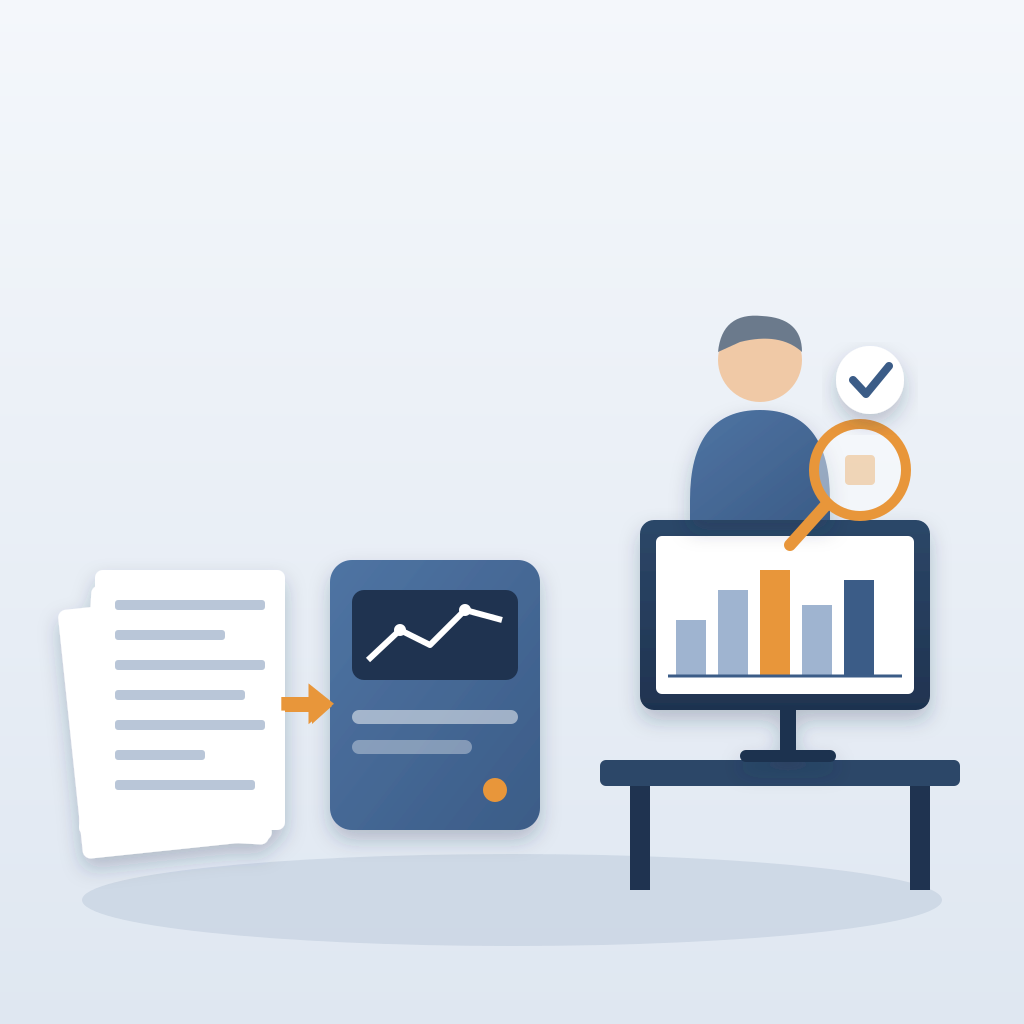
Missed deadlines have a second act. First you lose the bid. Then, if you win it anyway, you spend the project explaining why the number moved. The change order arrives three weeks after the design changed because nobody connected the two, and now you are negotiating from a position where you look reactive. An auditable model record kills that conversation before it starts, because every quantity has a path back to the geometry that produced it.
This is where the workflow earns its keep beyond the bid. Owners and general contractors are starting to ask whether your estimate can be traced. Not in a hostile way, just as a professional expectation, the same way they expect a schedule that reflects the actual sequence. When you can show that the cost line came from the model and the model reflects the current design, you stop arguing about intent and start agreeing about scope. That is a very different meeting.
It also changes how you price your own services. If you can turn a design change into a priced and documented answer in minutes, that is a billable service, not overhead. Firms doing this are packaging early estimating as a paid offering instead of giving it away to win the job. The estimate becomes a product the client wants, not a cost you absorb, and the same live record that produces it is what makes the client trust it.
None of this requires you to abandon your current tools on day one. It requires you to stop treating the spreadsheet as the system of record for cost. Keep the spreadsheet for what it is good at. Let the model carry the quantity and the price together, so the number you defend six months from now is the same number you showed in the interview, just updated to the design that actually exists.
The missed deadline cost is real, and most of it is invisible. The hours, the rework, and the bids you never knew you were losing do not show up in a ledger. They show up as a firm that works hard and stays flat. The fix is not a better pitch. It is an artifact that proves the pitch without you having to say a word.
What to Do Before the Next Interview
Pick one project and run the numbers both ways. Build the estimate the old way, then export the same model through BidLight and compare the hours. The gap will be large enough that you will not need to argue about it internally. That comparison is also the safest way to introduce the change to a team that has been burned by software promises before, because it does not ask anyone to believe a claim.
Then rehearse the demo. Not the slides. The actual motion of opening the model, changing the design, and letting the cost update while someone watches. That is the three-minute version of your answer to how do you price fast, and it is more convincing than any case study you could send afterward. The interviewer is not testing your vocabulary. They are testing whether the thing on your screen is alive.
Finally, decide who owns the model. A live estimate only stays live if the model stays current, and that is a discipline, not a feature. Someone on your team needs to own the connection between design and cost. Once that person exists, the rest of the workflow is just habit. If you want to evaluate this on your own project before committing, plans run from Basics at $260 per licence per year to Max at $590, with custom Enterprise pricing for larger teams. There is also a done-for-you BIM side if you would rather have execution plans, 4D and 5D work, and fabrication detailing handled by people who do it all day.
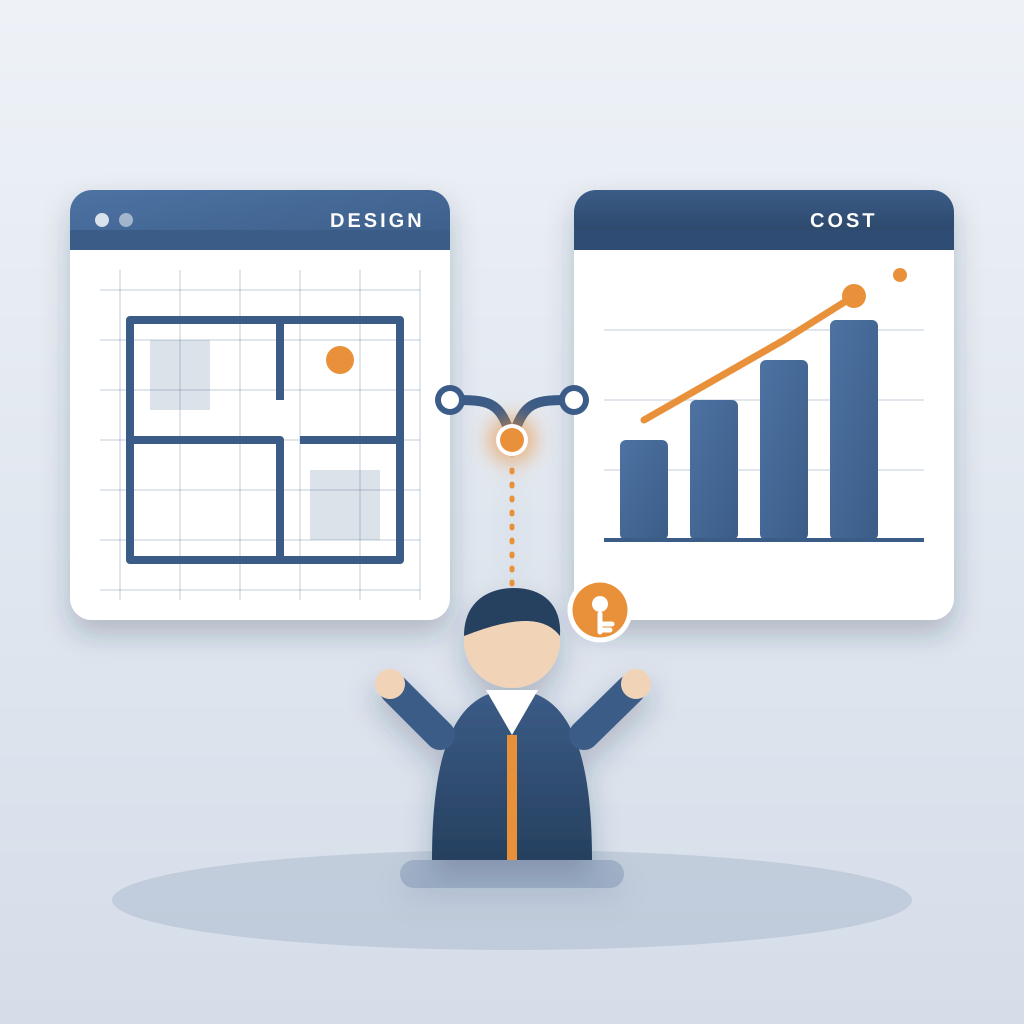
Start with the smallest thing that would have changed the interview. Open the model. Change one wall. Watch the number move. If that does not land with the person on the other side of the table, nothing else you say was going to either.