From Scattered Updates to One Record: The Hidden Cost of Model Handoffs
The Nightmare of the Model Handoff
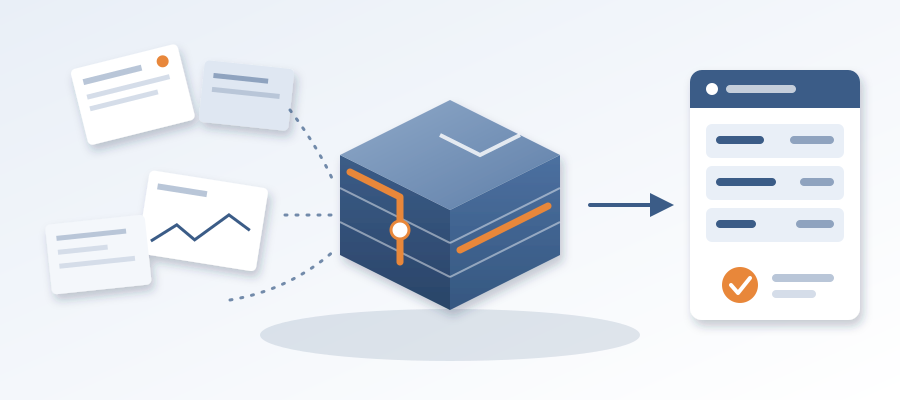
When the BIM manager sends a model on, it is never clean. Missing context, unclear versions, open questions in someone's inbox. Every handoff carries a hidden tax. You spend hours working out which file is current, what changed since the last one, and who was supposed to deal with it. That tax is not in the schedule. It is in your people's weeks, about 11 hours of each one, working out which model version is current.
The problem is structural. Design teams optimize for design intent. Coordinators and trades need to know what changed and who owns it. The gap between those two views is where hours go. On a typical mid-rise project, people compare views by eye, reconcile conflicting naming conventions and rebuild the history from email threads.
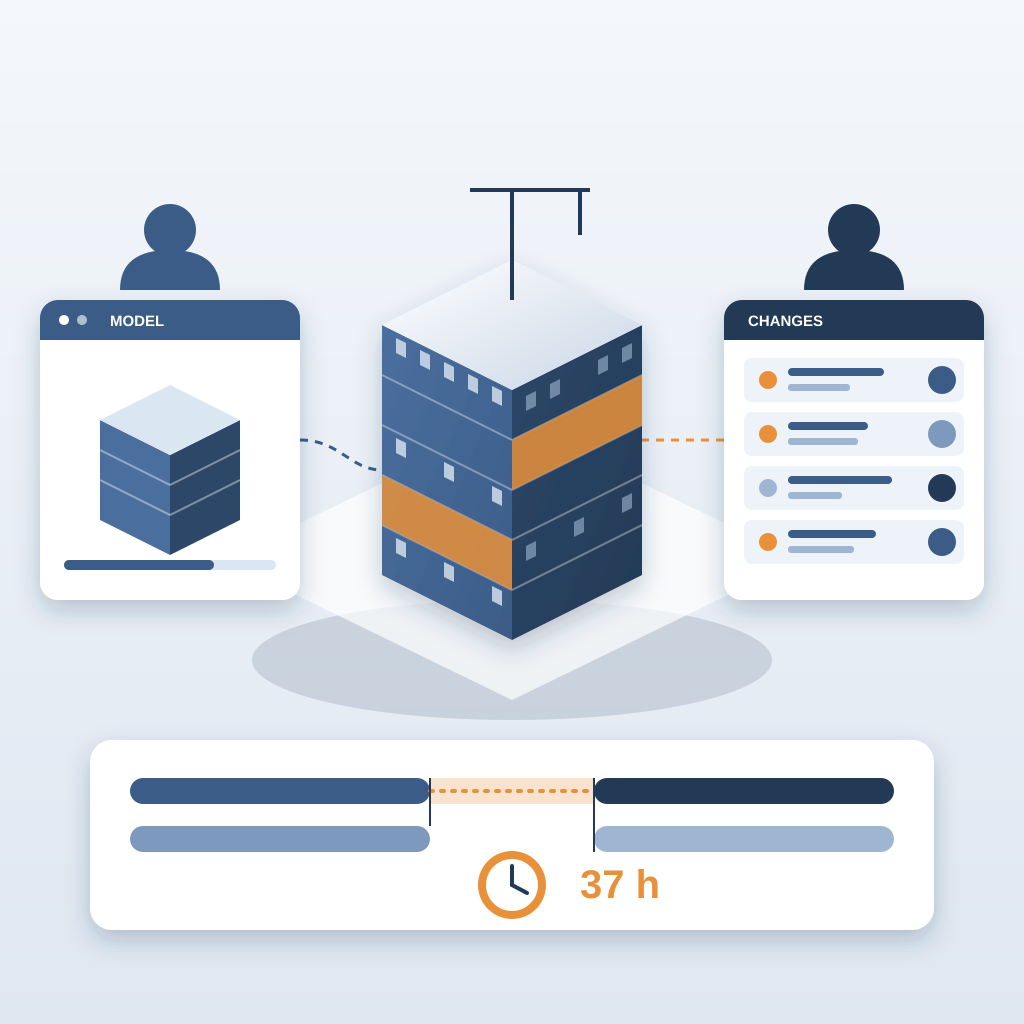
Ask anyone who has run a coordination meeting and they will tell you the same thing: half of it is spent agreeing on what the facts are. The worst part is that the work is invisible. Nobody sees the hours spent reconstructing history. They see a delay. And when the design changes, you do it all over again. The cost of handoff is not a project line item. It is a recurring drain on every phase.
How One Record Removes the Handoff Rework
BidLight runs inside Revit and Navisworks, so there is no separate portal to move files into. Every publish is a versioned snapshot with its own files, author and milestone. The moment the architect moves a wall or changes a material, the next snapshot shows it. No hunting. No "close enough."
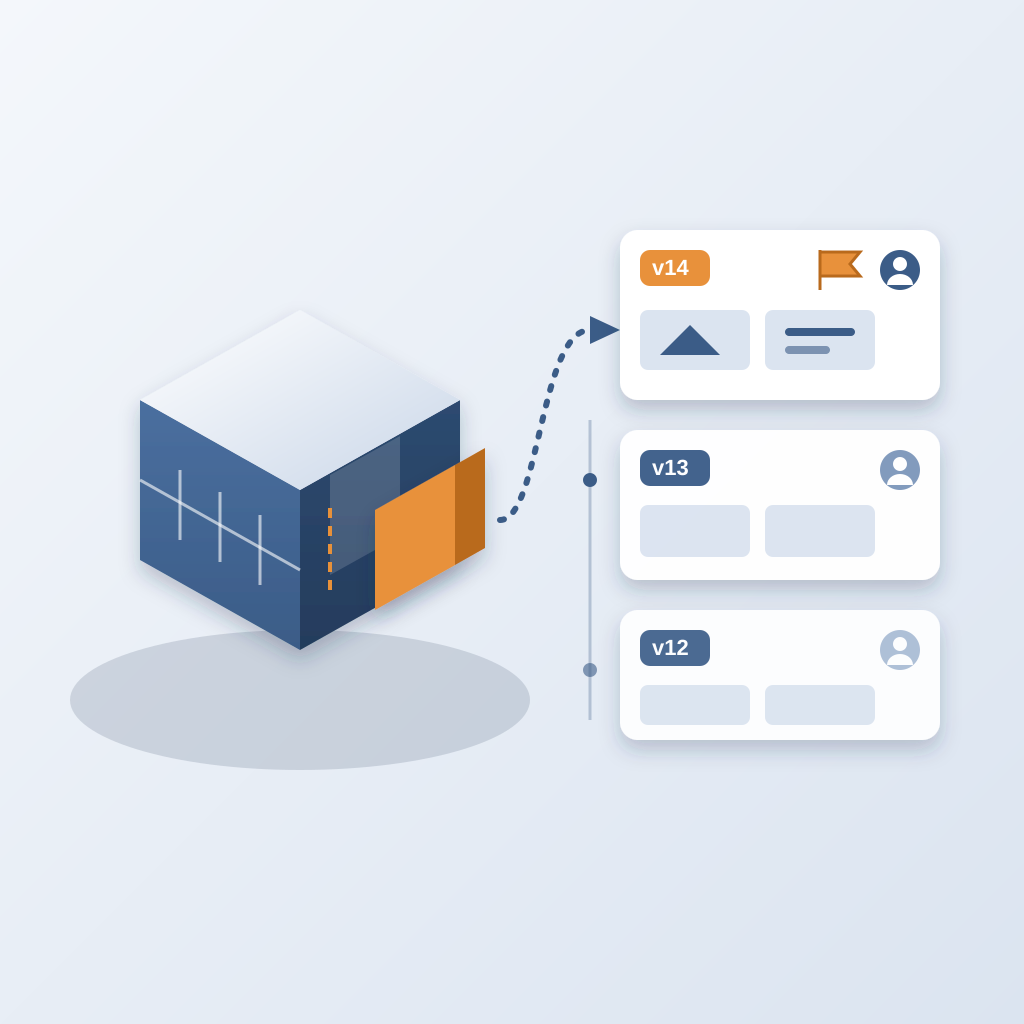
Consider what that does to your workflow. Instead of spending a day working out what changed since the last handoff, you open the comparison. It lists every changed element, grouped by category: structural, MEP, envelope, interior. What used to be a 90-minute meeting becomes about 15 minutes with the list in front of you.
Open questions go to the person who owns them, with the sheet and revision attached, instead of into a long thread. You stop being a detective and become a decision-maker. That is the difference between spending the week chasing updates and spending it on the coordination that matters.
Comparing Revisions Without Cleanup
A real handoff has quirks. A renamed wall type. A window that lost its host. A structural element placed in an architectural category. These are the changes that cause rework, and they are the ones people miss.
In BidLight, the comparison works at element level, so these quirks show up as changes, not as surprises on site. You do not need perfectly structured data to see that something moved. If a family was renamed, it appears in the diff. If an element changed category, it appears in the diff.
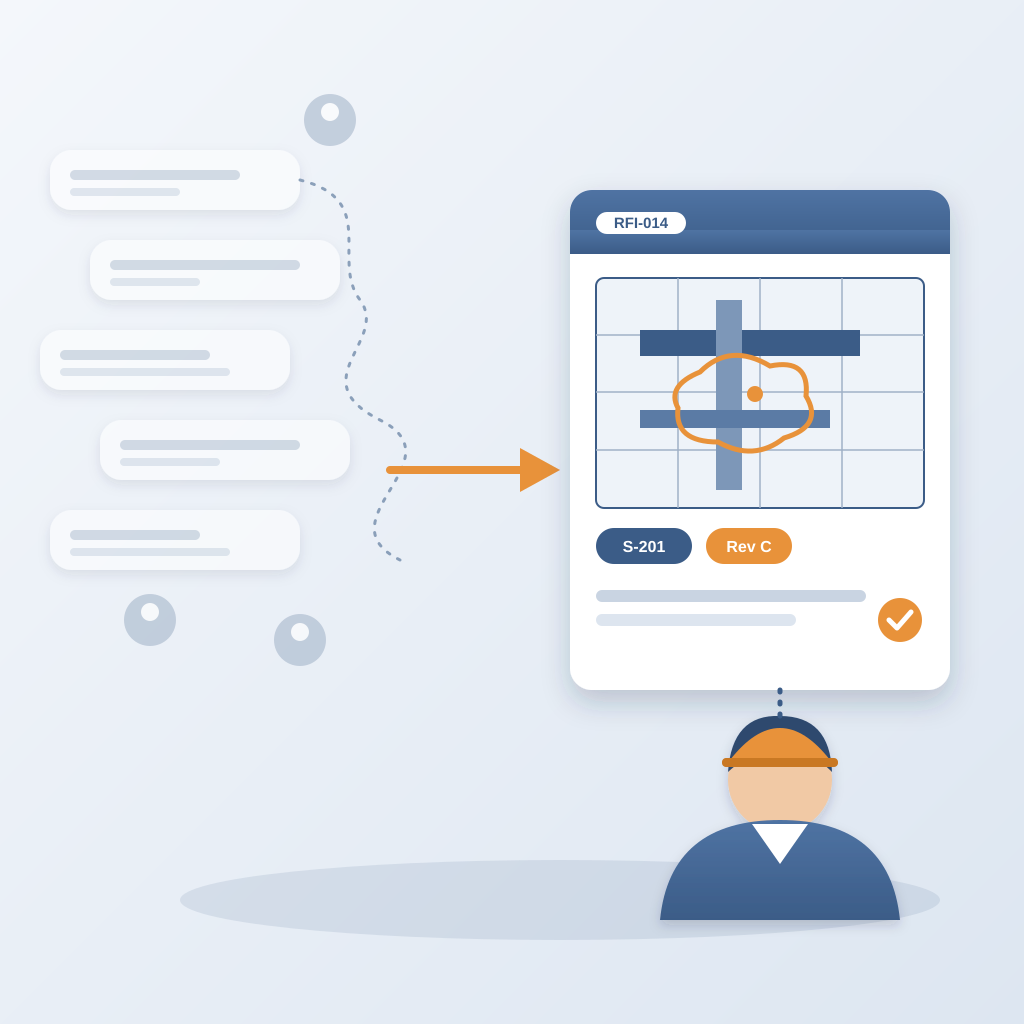
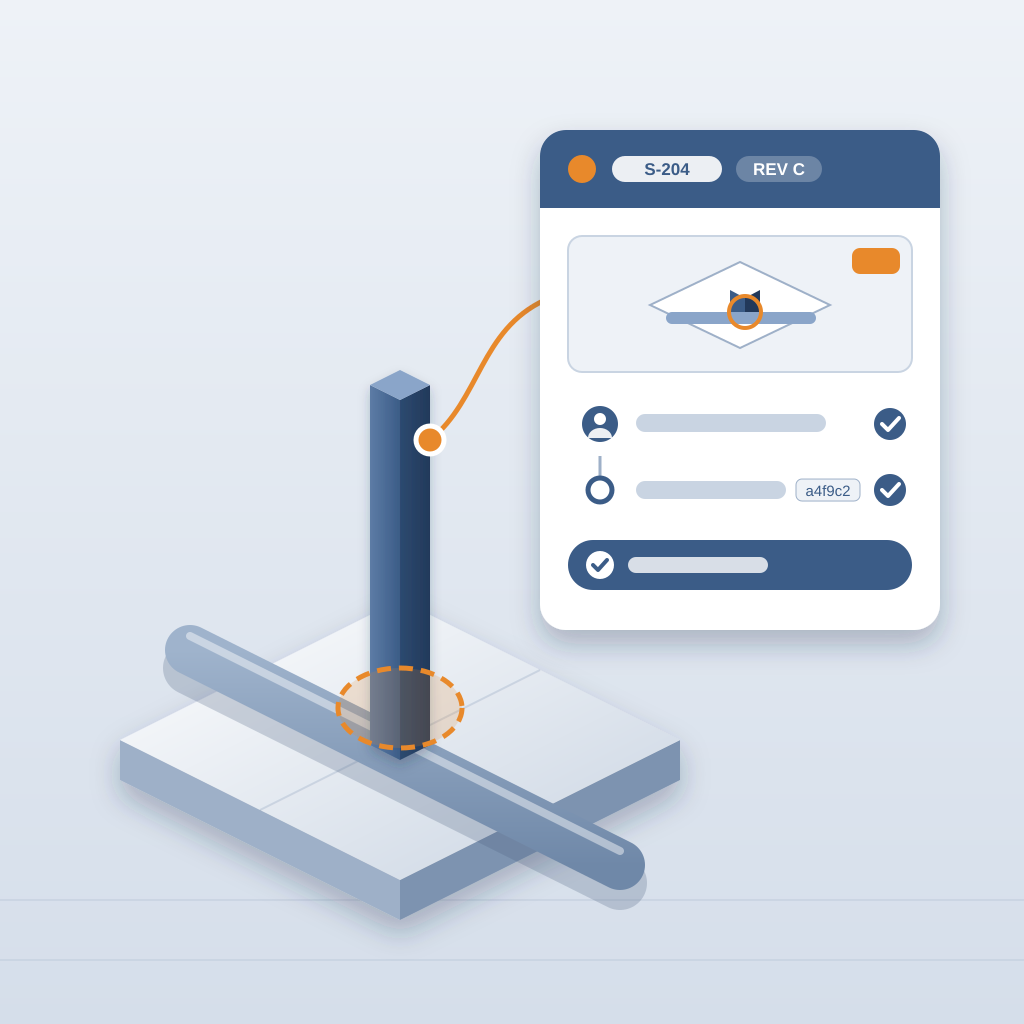
Each oddity can become an issue pinned to the element. It carries the sheet and revision it came from, and it closes only with a screenshot, a tagged user and the model commit that fixed it. So the quirk is fixed in the model once, not rediscovered by the next team.
From Handoff to Milestone
The traditional handoff demands a clean pause before the next team can start. That is the bottleneck. BidLight turns it into a milestone. The BIM manager finishes a design iteration and publishes from Revit. The snapshot carries the milestone. The next team opens the project view and sees what changed and what is open. The remaining time goes into resolving issues, not finding them.
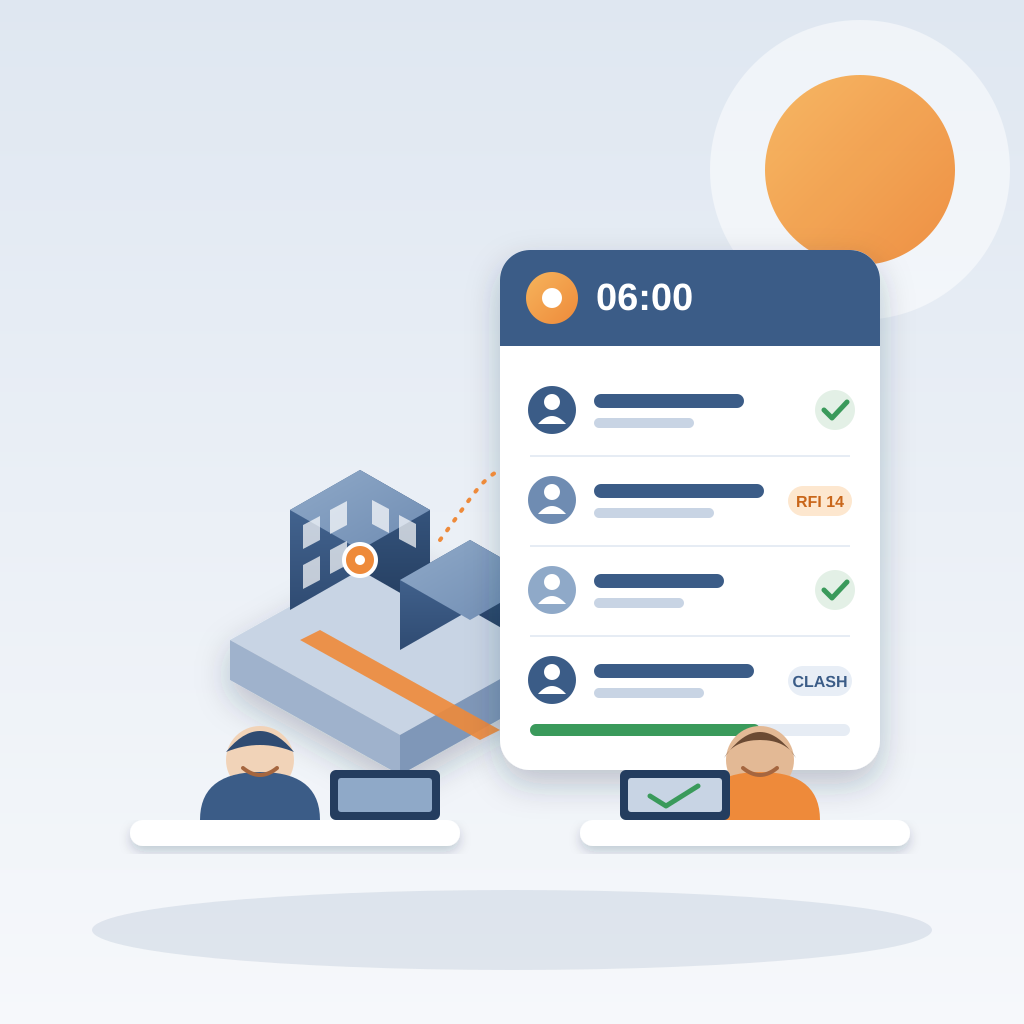
This changes the relationship between design and coordination. Designers stop dreading the coordinator's questions. Coordinators stop dreading model updates. The 6am digest tells each owner what they own, so nobody has to be chased. And because BidLight works inside the model, the record is always current. When the architect makes a change, the next publish shows it.
Making the Switch: What It Means for Your Team
When handoffs stop costing days, capacity changes. One coordinator can cover more of the project. You find who is behind while there is still schedule to recover. And a clash caught in the model costs about $50, instead of $5,000 to $50,000 on site.
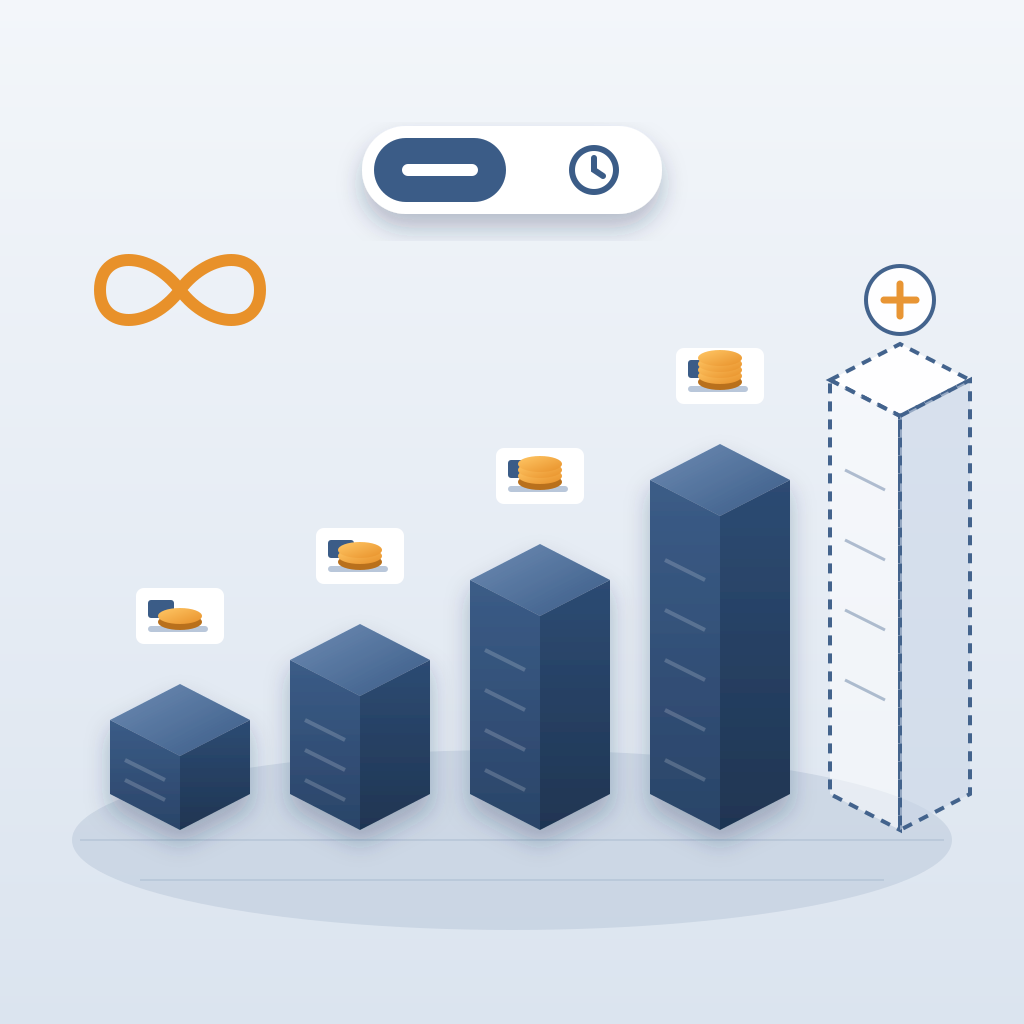
BidLight is priced per license, billed annually or monthly: Basics at $260 a year ($30/month), Core at $330 ($39/month), Complete at $440 ($51/month) and Max at $590 ($69/month), with custom Enterprise pricing. Every plan includes unlimited projects, and AIA members get discounts of up to 29%.
The model handoff has been a hidden cost on every project for decades. A single live record does not just reduce it. It takes away the reason it existed. You stop reconstructing history from email and start working from the record. And the time you get back is the time you need to hold the schedule.