Every Unresolved Clash Is a Bet Against Your Own Margin
The $50,000 You Already Agreed to Pay
You are one unverified clash away from a $50,000 field repair. That is not a scare number. That is a duct main that lands in a steel beam on level three, found by the foreman at 7:20 in the morning with a crew standing around and a crane on hourly. The fix is not the duct. The fix is the sequence. You cut the beam, you re-engineer the penetration, you wait on a signed detail, and you eat three days of idle labour plus the GC's schedule claim. Nobody priced that. Nobody could, because nobody saw it.
So think about what a clash actually is. It is a decision you have not made yet. Two disciplines ran their own logic, both are internally correct, and the intersection is a question. Every question in a model is a cost with a date attached. Answer it in design and it costs minutes. Answer it in the field and it costs money out of your own pocket, because the contract says coordination was your job and the schedule does not care whose fault it was.
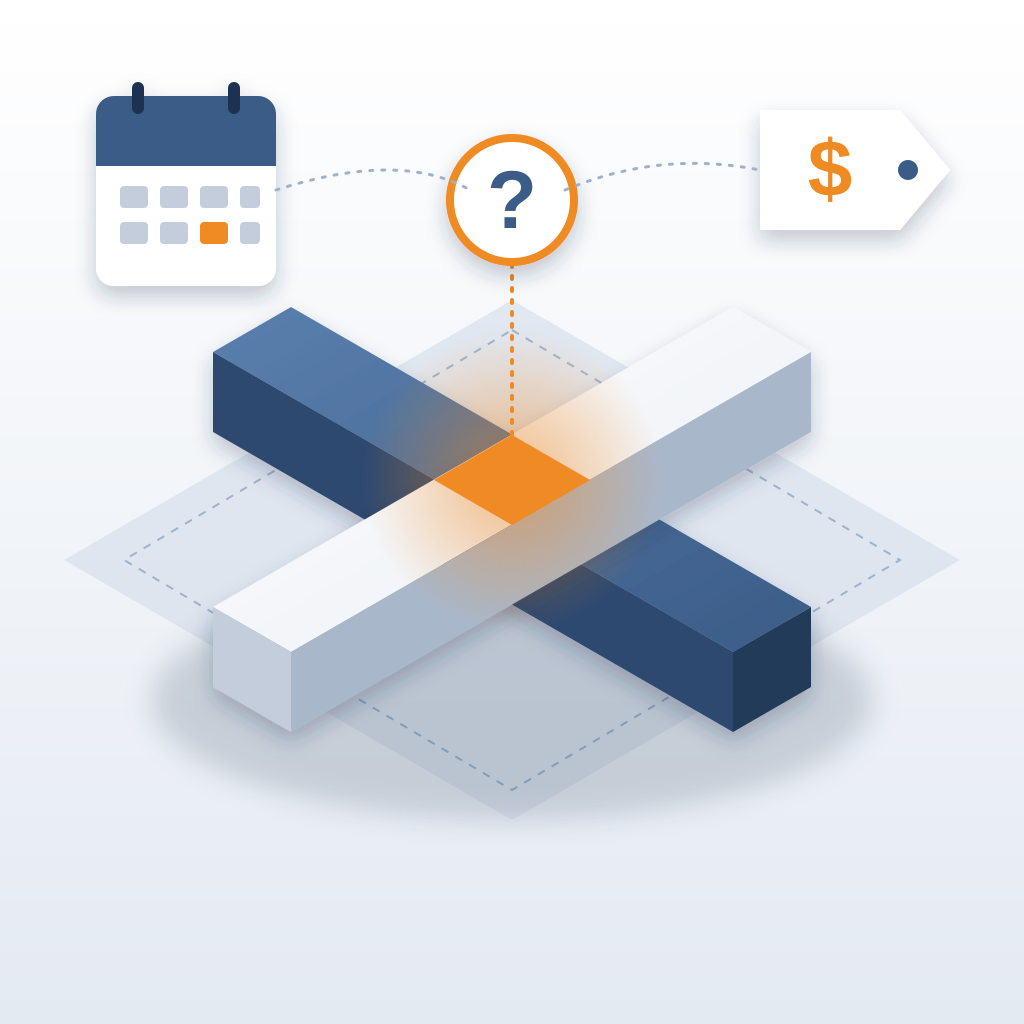
Here is the trap. Most firms track clashes in a report that lives outside the model. Someone exports a Navisworks clash list to a spreadsheet, assigns names, holds a meeting, and the spreadsheet goes stale the moment the architect moves a wall. That spreadsheet is a photograph of a problem, not the problem itself. The real problem is still sitting in the geometry, waiting.
BidLight takes a different stance. Every issue gets pinned to the geometry it belongs to, so it travels with the element when the model changes. If the duct moves, the clash moves with it. If the beam gets resized, the issue updates. Nothing gets resolved by accident because the report was out of date.
That single habit is the difference between a coordination process and a rumour. It is also the same discipline you already apply to tracking hashtag performance on Instagram: you do not judge a campaign by one screenshot. You pull the number, you watch it across posts and weeks, and you track how it moves. Clashes deserve the identical treatment. One snapshot tells you nothing about whether the problem is getting better or worse.
A Clash Is a Cost Event, Not a Drawing Note
Once you start treating clashes as cost events, the whole coordination meeting changes. You stop asking whether a clash is open or closed and start asking what it will cost if it ships. A sprinkler line through a cable tray is a few hundred dollars in design and a shutdown of the ceiling grid in construction. A column through a corridor is a design conversation today and a sawcut tomorrow. The same clash has two very different prices depending on when you catch it.
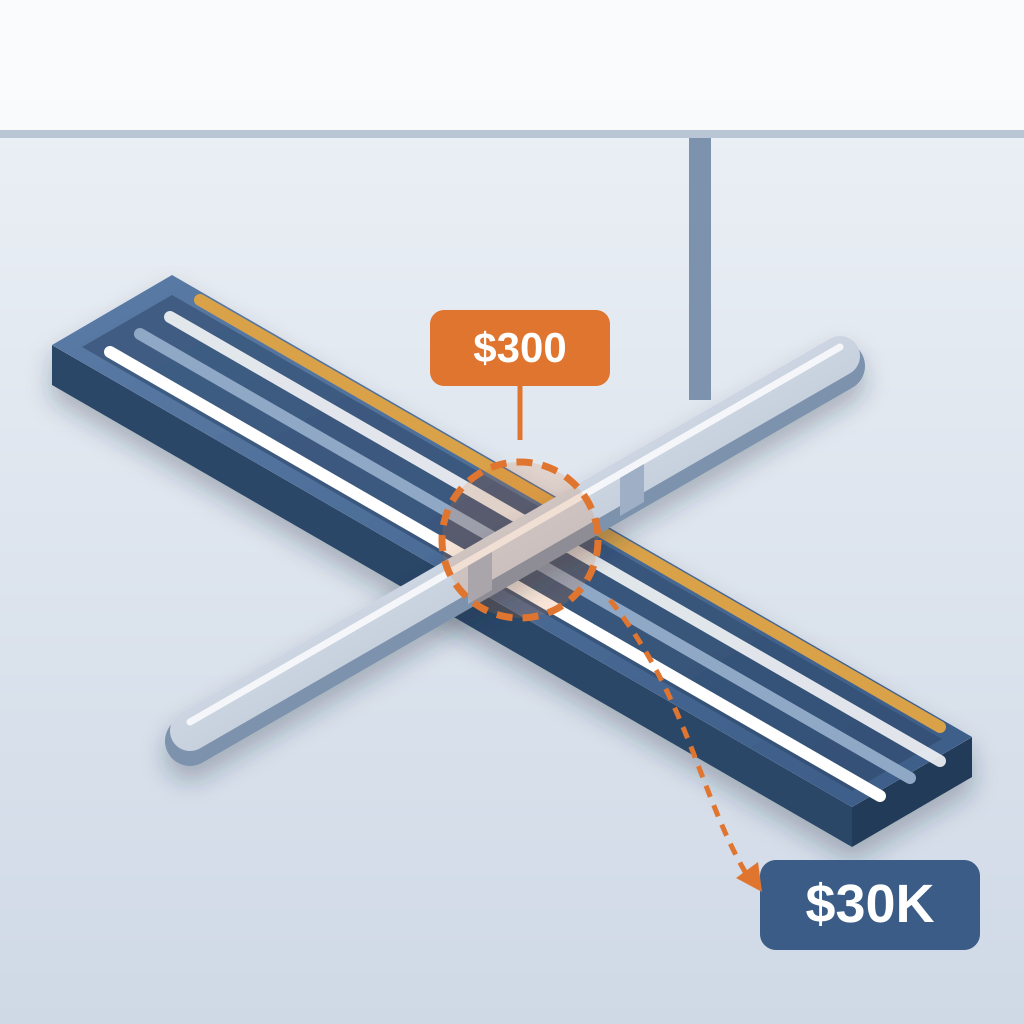
That is why automated quantity takeoff from revit matters more than most people admit. The moment your quantities ride on the model, every model change is also a quantity change, and every quantity change is a cost change. When a clash drives a reroute, the pipe gets longer, the hangers multiply, the labour hours move, and your estimate should feel all of it. If your takeoff lives in a spreadsheet you made last Tuesday, it feels none of it, and you find out at the end.
Compare that to bim vs traditional cost estimating in aec. The traditional path is: model gets issued, someone measures it by hand or from a PDF, someone types quantities into a pricing sheet, someone sends it to a sub for a number, and by the time the number comes back the model has already moved. The BIM path is supposed to fix that, but only if cost actually rides on the model. A model that feeds a static report is just a prettier version of the same problem.
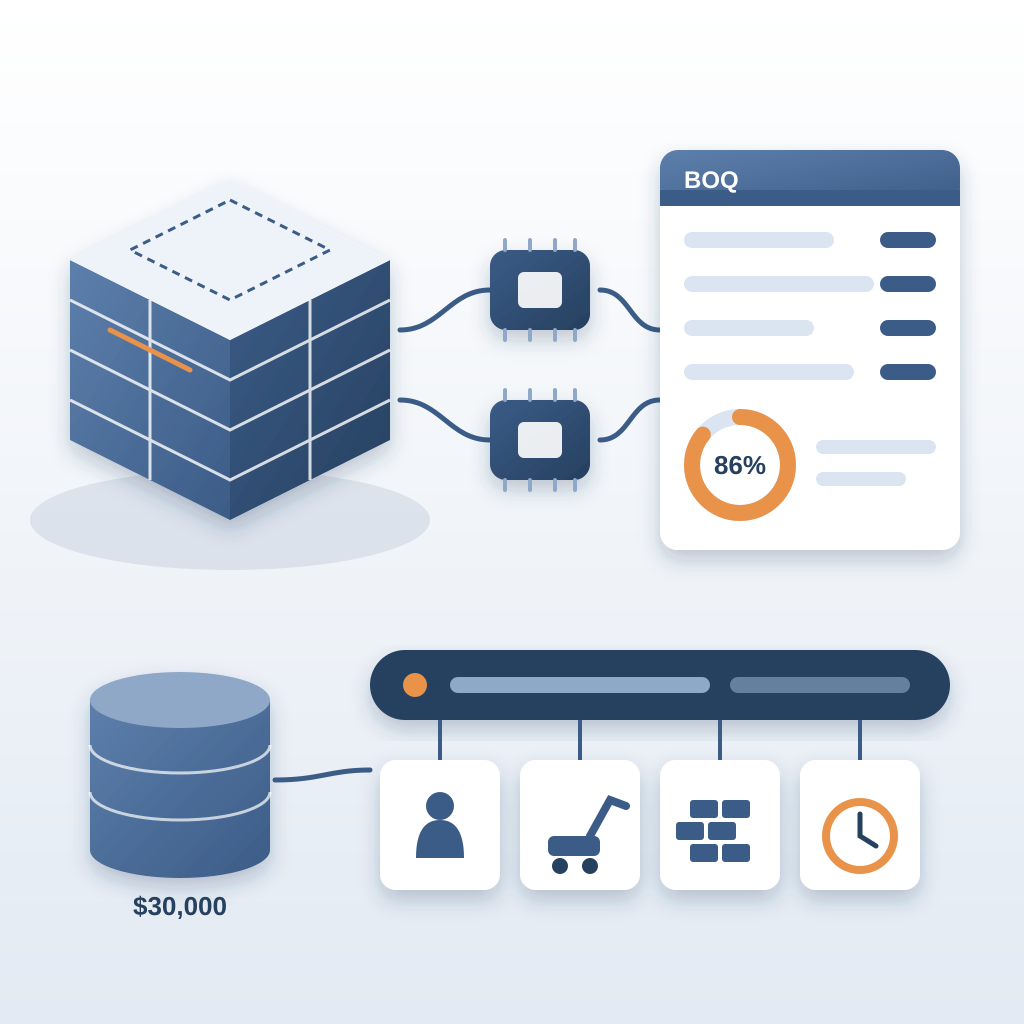
BidLight keeps labor, equipment, material, and time costs tied to the same live record. Two AI models read geometry and metadata and classify BOQ line items at 86% accuracy, pulled against current pricing from a roughly $30,000 database plus Craftsman, 1Build, and RSMeans. That is not a marketing figure. That is the reason a number you produce in a meeting still holds when you check it a week later.
So when a clash forces a reroute, you are not re-doing a takeoff. You are watching the estimate update. The reroute costs what it costs, and you can see it before anyone commits to it in the field. That is the whole point. A clash you caught in design is a line item you can defend. A clash you caught in the field is a repair order you get to argue about.
Track the Issue the Way You Track Mentions
There is a real mental model here and it comes from outside construction. When people ask how to track competitor topics and mentions, the answer is never a single pull. You set a baseline, you watch the trend, and you flag anomalies when the volume or the sentiment moves. You are looking for change, not for a snapshot. That is exactly how a clash list should behave.
Think about brand topic extraction from social media for a second. The system does not read one post and declare the brand. It reads thousands, groups them, and surfaces what changed this week versus last. Change is the signal. You only care about the topic that spiked, not the topic that sat flat. Apply that to a model and the signal is the same: which clashes appeared since the last commit, which ones moved discipline, which ones quietly resolved themselves because the design changed under them.
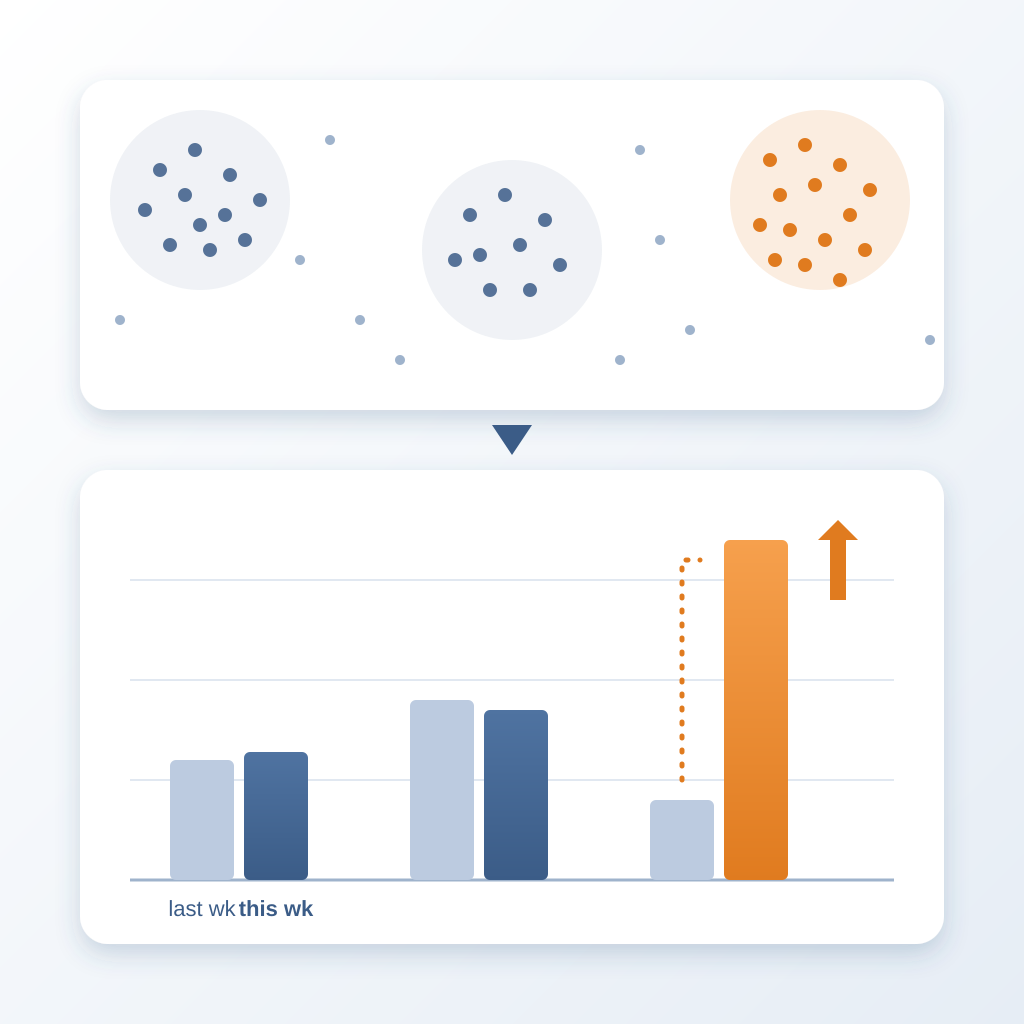
BidLight tracks every issue across model commits, which means you can see the trend, not just the state. A clash that has been open for six weeks and migrated from a ceiling void into a corridor is telling you something. It is telling you the design is drifting and your margin is drifting with it. A clash that appeared yesterday and resolved today is noise. You want to spend your coordination meeting on the first one.
This is where most firms lose control. They run a clash report, they clear 400 items, they feel good, and then the next model issue brings 350 of them back because the filtering was cosmetic. Nothing was pinned. Nothing was tracked. The numbers reset and the trend is invisible, so the same fight happens next week with the same people in the same room.
Clash detection services for revit models do not fix that on their own. Detection is the easy part. Anyone can run a clash test and hand you ten thousand rows. The hard part is keeping each row anchored to the geometry, tracking it commit to commit, and refusing to mark it closed until the geometry agrees. That refusal is the service. It is also what protects the $50,000 you would otherwise spend on a repair you never priced.
One Live Record and a Bedrock Promise
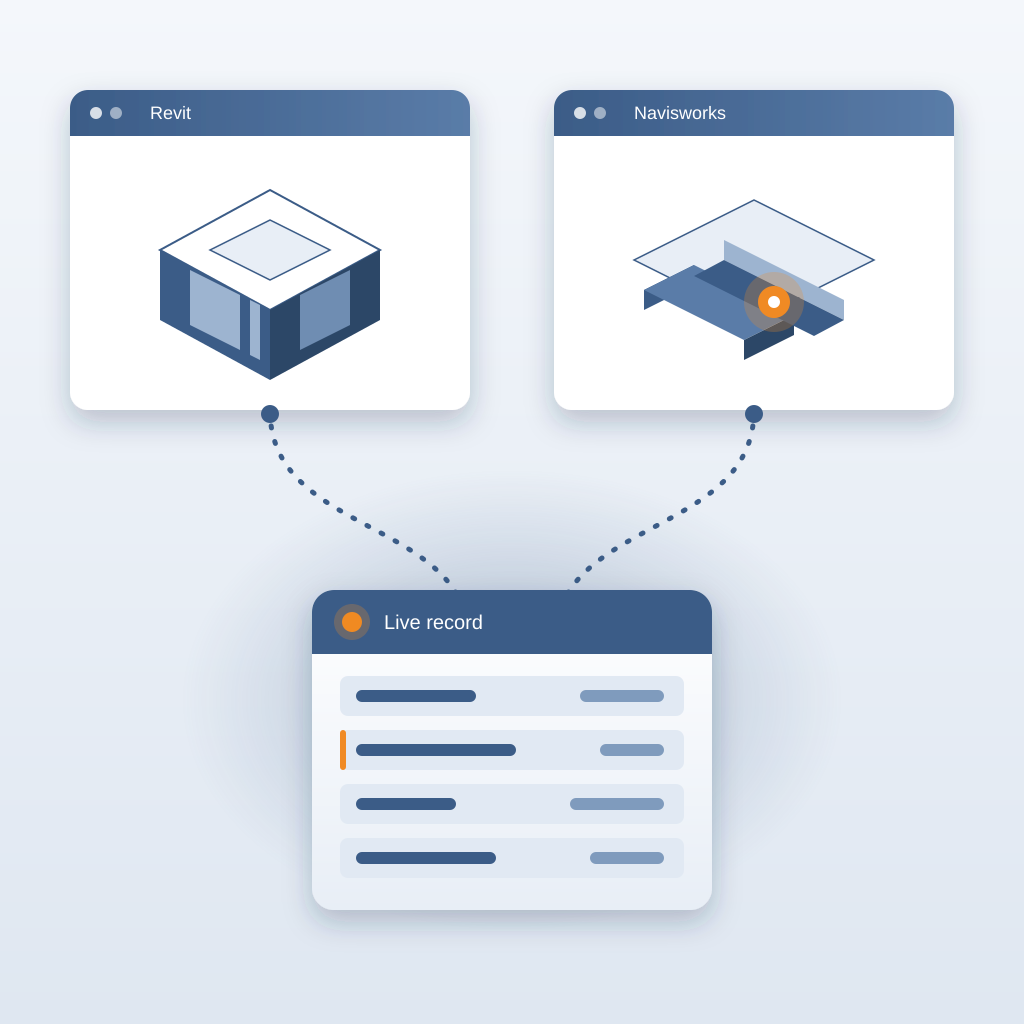
BidLight keeps one live record of the project inside Revit and Navisworks. That sentence is the whole architecture. There is no export step that goes stale, no spreadsheet that forks from the model, no separate truth that someone has to reconcile by hand. Export your model and you get labor, equipment, material, and time costs in minutes. Change the design and the number updates in real time, because cost is riding on the same model the clash is riding on.
That is what lets you turn early estimates into a service you can bill for. A client asks what a layout change costs. In the old workflow you go away, measure, price, and come back in two days with a number nobody trusts. In this workflow you answer in minutes with a number you can defend, and that response is worth money. You are not selling software output. You are selling the ability to answer a design question with a cost while the conversation is still open.
The clash rule is simple and it is deliberately stubborn. An issue stays open until the geometry resolves it. Not until someone says it is handled. Not until a sub confirms in an email. The geometry has to agree. If the duct still hits the beam, the issue is open, and it will show up in the next commit diff whether or not anyone remembered to mention it.
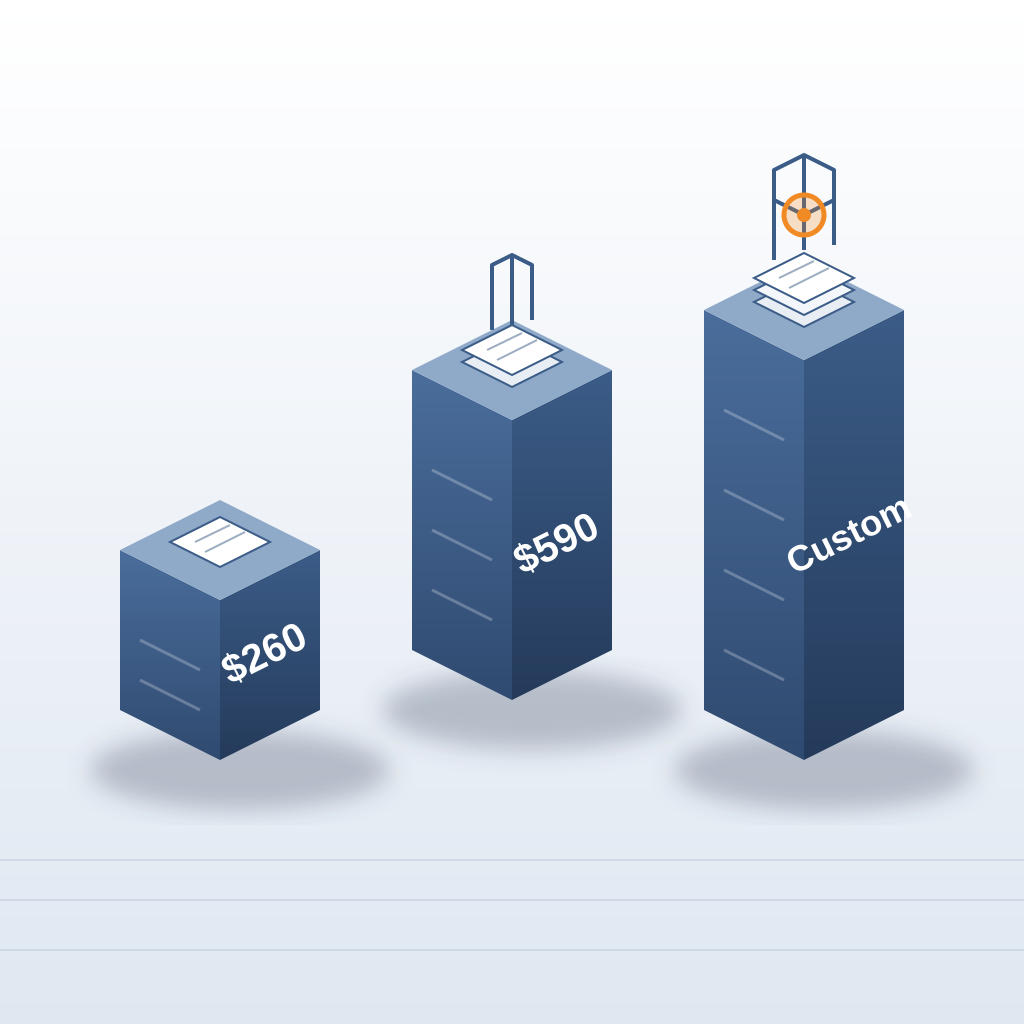
Plans run from Basics at $260 per licence per year to Max at $590, with custom Enterprise pricing, and BidLight does done-for-you BIM work as well: execution plans, 4D/5D, and fabrication detailing. So you can carry the record yourself or hand the whole coordination load to a team that already lives inside the model. Either way, the number you defend in the meeting is the number the field actually costs.
The pitch is plain. Stop chasing scattered updates and slow takeoffs. Win more work with numbers you can defend. Watch the win rate move, watch the 18,000 hours of re-takeoff labour disappear, and watch a clash that used to be a $50,000 field repair become a two-minute line item in design. One live record of the project inside Revit, with cost riding on the same model. If you remember one thing, remember that.