
The Estimator's Monday Morning Audit: What Actually Got Priced Last Week
The version gap you only see on Monday
You bid Friday. Monday you find out the estimate was priced from v4 and the model was already at v6. Nobody lied, nobody slacked. The architect sent a revision at 4:40 on Thursday, a PM renamed the file to keep both versions, and the estimator pulled quantities from the folder he had open. By Monday standup, two full rounds of design change were missing from a number your client is already treating as real.
This is the quiet failure mode in almost every estimating shop. The bid did not lose because your labor rates were wrong or your subs were high. It lost because the document it was priced from stopped being the document everyone else was working in. There is no alarm that goes off. The RVT file just keeps moving and your spreadsheet stays frozen at whatever moment someone hit save.
Run the audit for yourself. Pull last Friday's bid. Ask which model version it was priced from, then ask which version the architect issued latest. If those two answers differ, you are not looking at a discipline problem. You are looking at a plumbing problem, and the plumbing is where cost and geometry live in separate systems.
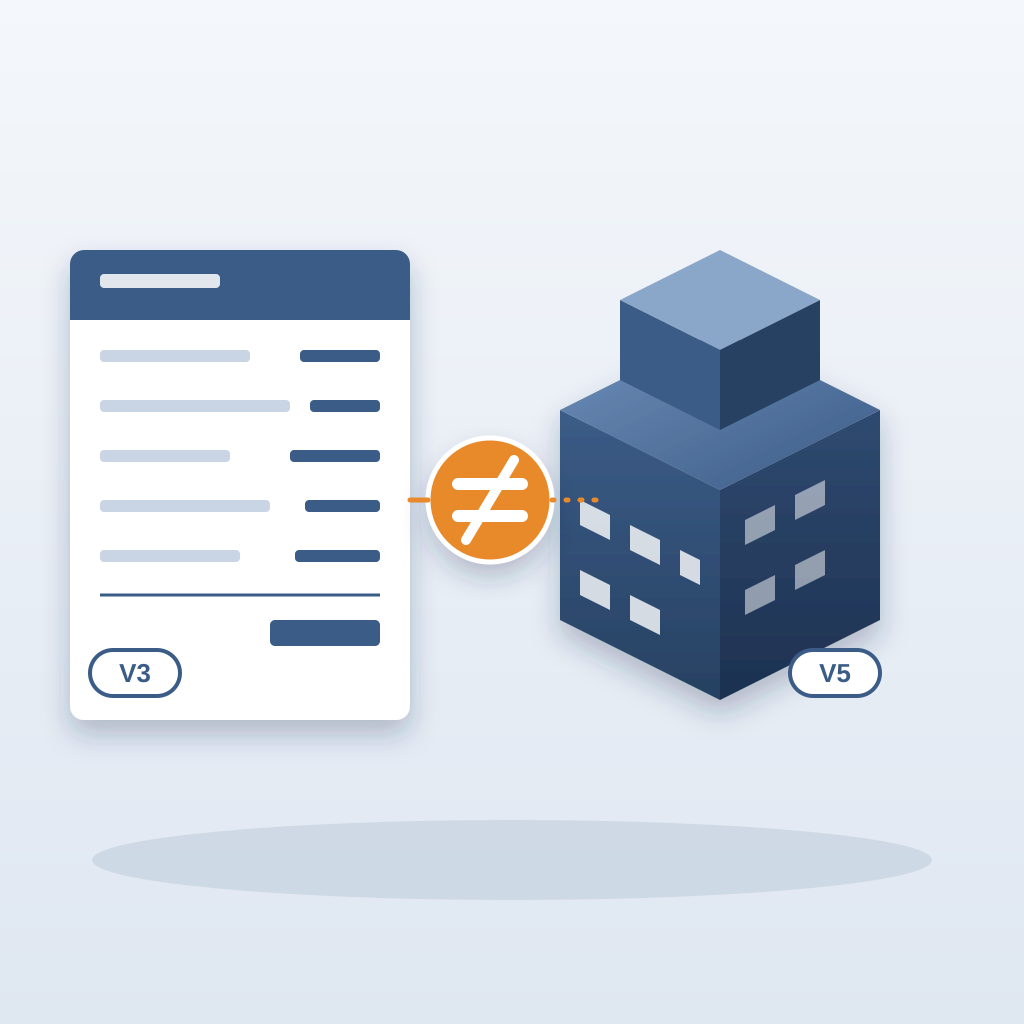
By the time you find the gap on Monday, the damage is done in two places. The bid is out with pricing that no longer matches the design, and if you win the job you have bought a margin problem on day one. The model was at v6, the scope grew, the number never did.
A week of estimator time also disappears into re-checking. Somebody has to open both versions, diff the quantities, decide which line items move, and rebuild the backup. That is a full day of skilled work spent proving that Friday's answer was built on Thursday's question.
What bid management software is, in plain terms
Strip the category label away and bid management software is the system that keeps one authoritative record of a project's cost tied to the model it came from. That is the whole idea. When someone asks what is bid management software, the honest answer is that it is the place where quantities, pricing, and change history stay bound together so a bid can be defended a week later. Most tools in the space stop at the bid form, the invite list, and the submission tracker.
The part that matters to a contractor is cost riding on geometry. BidLight keeps one live record of the project inside Revit and Navisworks. You export the model and get labor, equipment, material, and time costs back in minutes. When the design changes, the number changes with it. Nobody rekeys a spreadsheet, because the spreadsheet is no longer the source of truth. The model is.
The classification side is where AI has earned its place. Two models read geometry and metadata together and sort BOQ line items at 86% accuracy. That is not marketing math, it is measured performance, and it means your estimator reviews exceptions instead of typing every line from scratch. Pricing is pulled from a database of roughly $30,000 in current rates plus Craftsman, 1Build, and RSMeans. So the number you present is not a guess from a 2019 rate sheet.
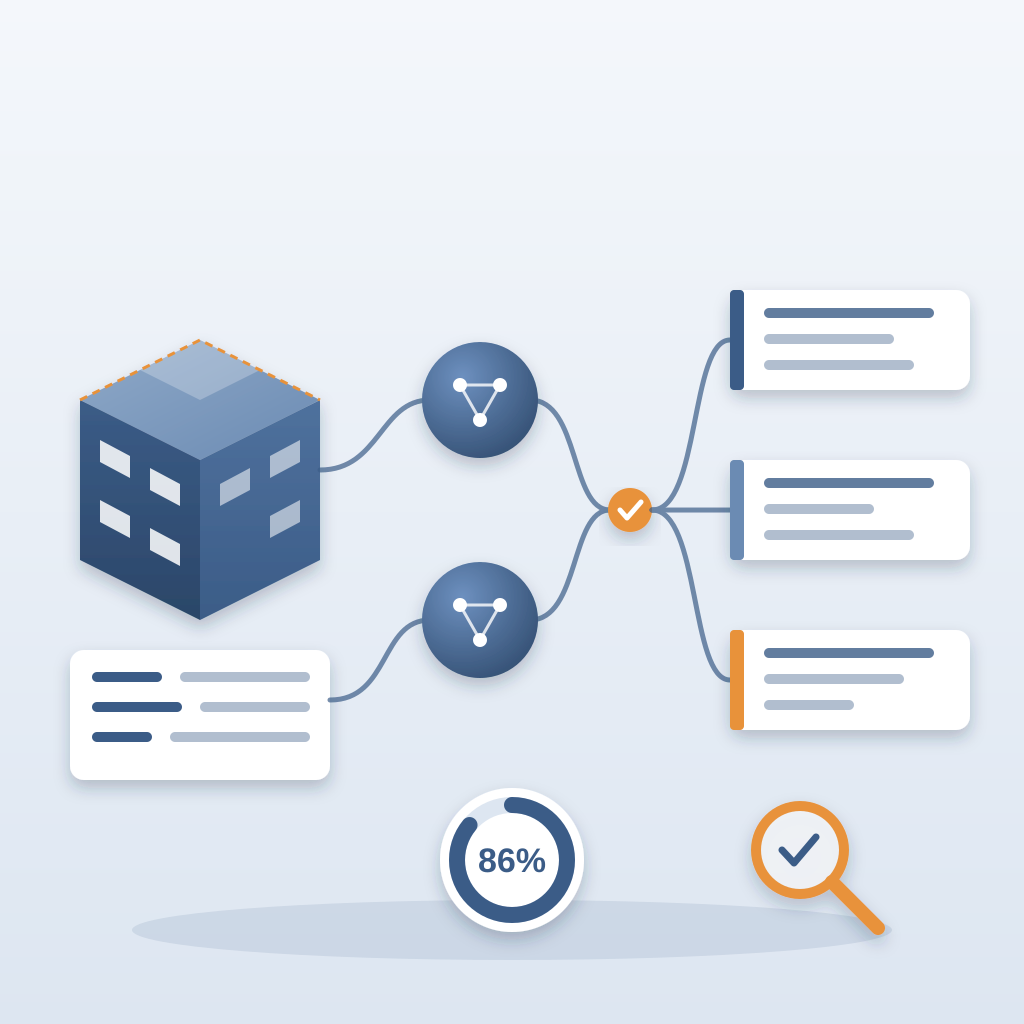
Speed is the visible win. Estimates that used to take 90 minutes come back in 15. Over a year that is roughly 18,000 hours returned to shops that stop treating takeoff as a manual trade. Teams running this way report a 35% higher win rate, mostly because they can answer the question on the spot instead of promising a number by Thursday.
This is also why the term keeps showing up in conversations about the best ai construction cost estimator. The difference between a tool that manages a bid and a tool that manages a bid and its model is the difference between tracking paperwork and owning the number.
Why Friday bids go stale before the ink dries
You have probably pulled together a sample cost estimate for construction the slow way. Someone exports a quantity report, drops it into a workbook, applies assemblies, adjusts waste factors, and tags every line with the drawing revision it came from. That tagging is where the system breaks. The tag is accurate for about six hours.
Friday afternoon in an AEC office is a race. The architect issues a revision, the owner's rep sends a comment, a PM asks for an alternate, and the bid clock is still running. People do what they have to do to get the number out. They grab quantities from the version they can find, note it in a cell comment, and promise themselves they will reconcile on Monday. Then Monday arrives with a new revision and the reconciliation never happens.
Meanwhile the model keeps accumulating changes. A duct reroute here, a ceiling height shift there, six doors added at the corridor. None of it is dramatic. All of it is billable scope. An estimate priced from v4 carries the geometry of v4, and the gap between v4 and v6 is pure unbilled exposure sitting inside a number your client thinks is final.
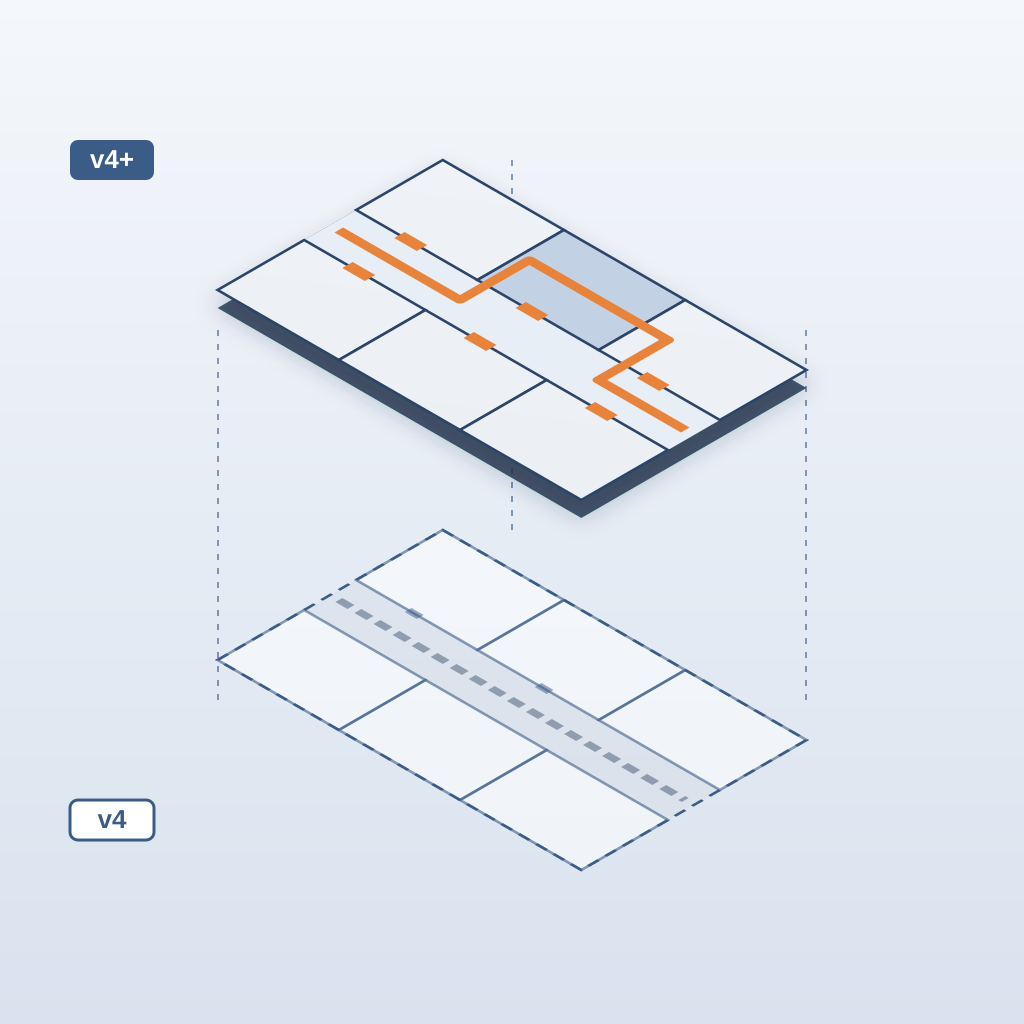
The uncomfortable truth is that most firms find version drift through pain rather than process. You catch it when a field crew finishes a wall that was not in the bid, or when a sub's number does not match your backup, or when the buyout comes in high and nobody can explain why. By then the audit is forensic, not preventive.
One live record flips that. If cost rides the same model the architect is revising, the diff is automatic. You are not auditing a spreadsheet on Monday, you are reading what changed and telling the client what it costs.
What a Monday audit looks like when the record is live
Imagine opening Monday with the bid you sent Friday already reconciled to the current model. Not because anyone worked the weekend, but because the estimate never detached from the geometry in the first place. That is the operating picture BidLight is built for, and it changes the shape of the week.
Here is the practical version. Friday you export the model, the AI classifies the BOQ lines, pricing pulls from live rate sources, and you send a number that matches the model at the moment of submission. Saturday the architect pushes v6. Monday you open the same record and see a short list of what moved: three door families added, a ceiling grid relocation, one equipment schedule revision. Each item carries a delta, not a mystery.
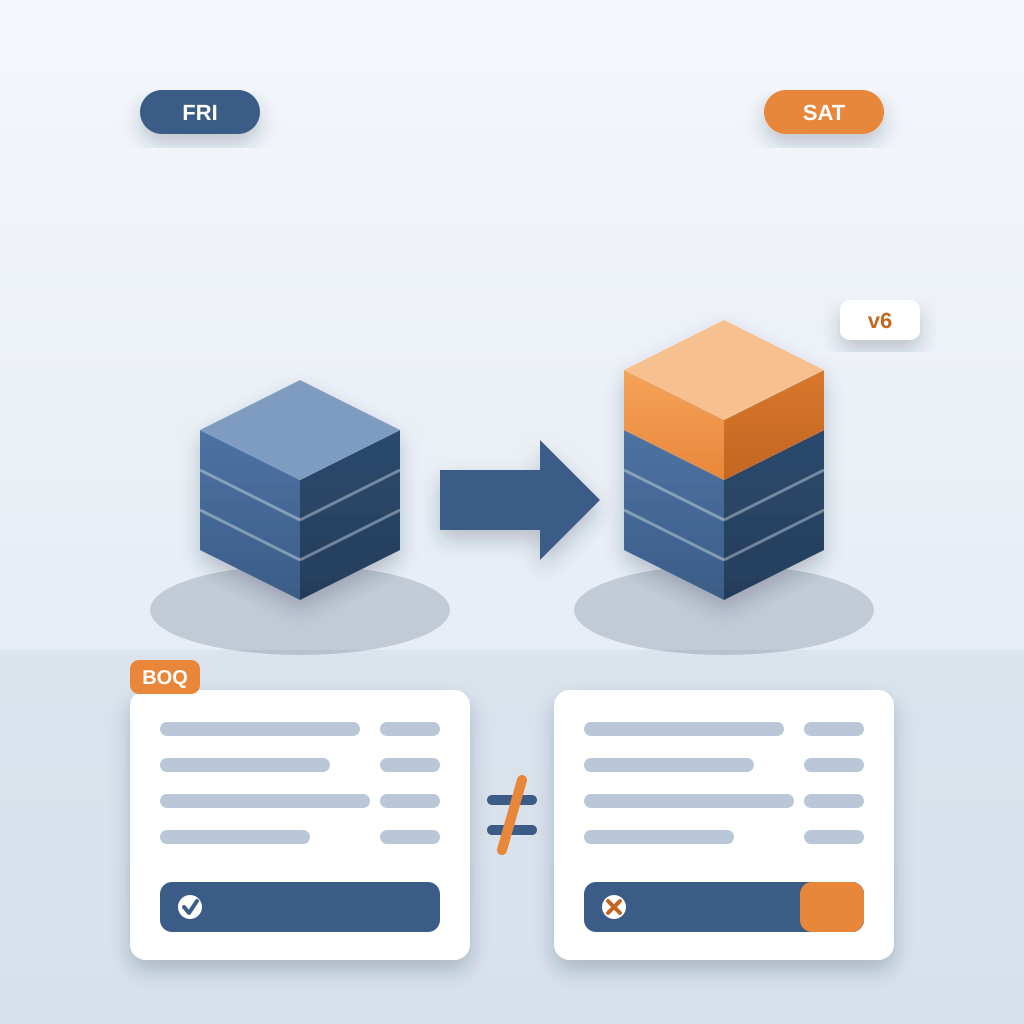
The audit turns into three questions. What changed since Friday, what does it cost, and who needs to hear it. For a public bid you may not get to resubmit, but you now know exactly how much risk you are carrying if you win, which is a very different conversation than hoping nothing moved. For a negotiated job, you have a change order drafted before the first call of the day.
This is where billing early estimates as a service starts to make sense. If you can turn a design question into a priced answer in fifteen minutes, that answer has value to an owner who is trying to decide between two schemes. Firms that do this stop giving the work away and start invoicing for it, which is the same argument behind every serious push to improve construction bid win rate.
Auditability is the quiet benefit. Every quantity traces to a model version, every rate traces to a source, and every revision is dated. When a client asks why the number moved, you show them the diff instead of defending your memory.
What to put in place before next Friday
Start with the version question. Before any bid leaves the office, everyone involved should be able to name the model revision it was priced from, and that name should be automatic, not a cell comment someone types at 5pm. If it is manual, it will drop.
Next, stop letting cost live in a separate file from geometry. Every export that touches a workbook creates a second truth, and second truths drift. The bid management software industry report keeps finding the same thing: firms lose money on coordination and rework more than on any single bad rate. The fix is structural, not motivational.
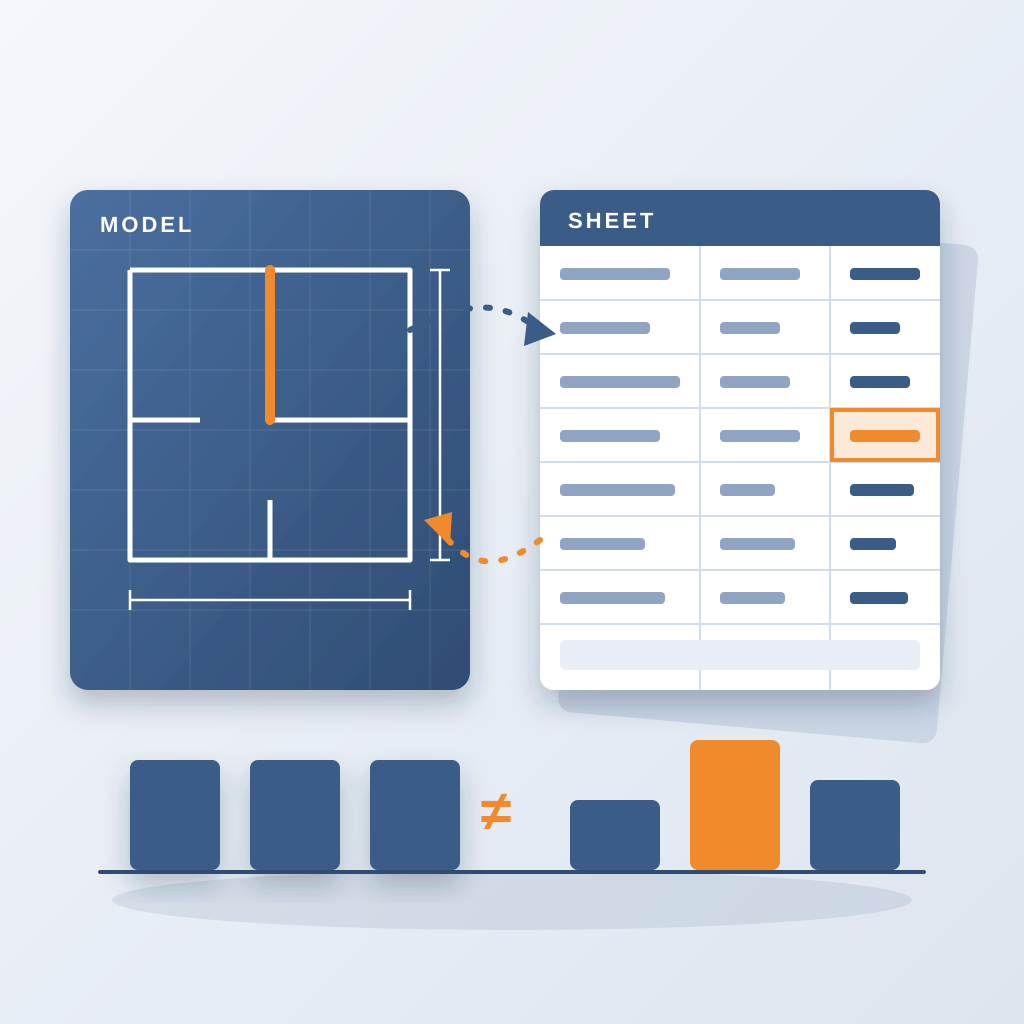
Put the pricing source under the number. When rates come from a current database plus Craftsman, 1Build, and RSMeans, the estimator is choosing between defensible options instead of guessing. That matters most on the lines nobody questions until buyout, which is exactly where margin quietly disappears.
Decide who owns the Monday read. It should be a fifteen minute habit, not a two hour excavation. If the record is live, the audit is a short list of deltas. If it is not, you are rebuilding the bid from email attachments. That is how a priced job becomes an unpriced risk.
Finally, treat the early estimate as a deliverable. Owners pay for answers early in design when the cost of a decision is still low. If you can produce a priced answer in minutes and defend it with a live record, you are selling something most of your competition cannot.
The number and the model should never separate
BidLight does two things. It keeps one live record of the project inside Revit and Navisworks, and it prices that record with labor, equipment, material, and time costs in minutes. Two AI models classify BOQ line items at 86% accuracy from geometry and metadata. Rates come from a roughly $30,000 database plus Craftsman, 1Build, and RSMeans. Plans run from Basics at $260 per licence per year to Max at $590, with Enterprise priced to fit larger shops.
Beyond the software, the team does done-for-you BIM work. Execution plans, 4D and 5D support, fabrication detailing. If you have the appetite for the tool but not the bandwidth to stand it up, that path exists.

If you remember one thing from this, remember the audit. You bid Friday, you find out Monday, and the gap between v4 and v6 has a price. The only way to close that gap is to stop keeping the number in one place and the model in another.
Run one bid through the live record and check the Monday read yourself. The value is not in the software tour. It is in opening the week knowing exactly what your number covers and what it does not.