
Your Best Change Order Was Already Decided Before You Priced It
The Three Weeks Between the Move and the Meeting
Here is how it usually goes. The architect shifts a corridor wall 14 inches on a Tuesday. Your superintendent notices it on a markup. Someone takes a photo. Three weeks later you sit in a conference room and someone asks what that move costs. You have 20 minutes and a laptop.
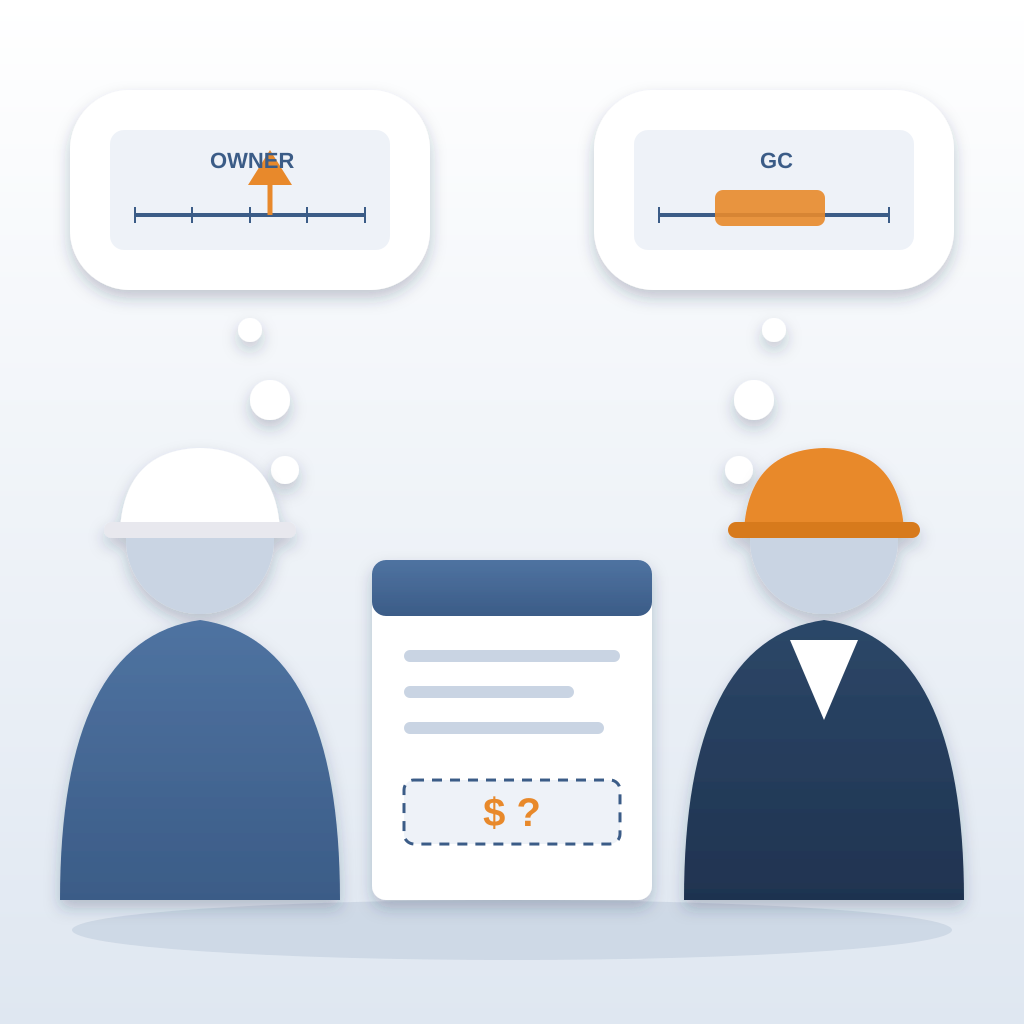
By then the number is already set in someone else's head. The owner has a rough figure from a previous job. The GC has a range from a similar scope on another project. You are not negotiating a cost. You are negotiating a memory, and the memory is not yours.
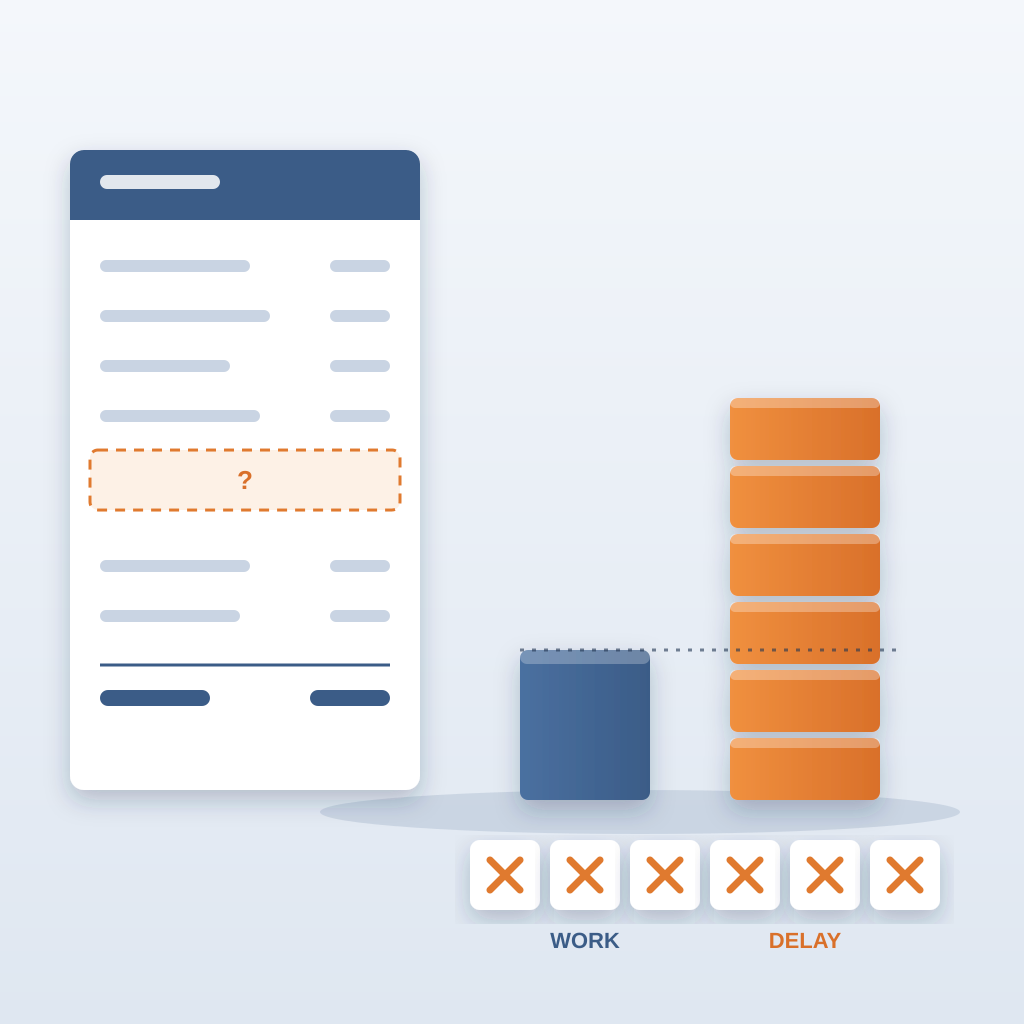
That gap is expensive. A crew that sits idle for two days because nobody priced the move runs about $4,200 in labour on a midsize commercial job. If it is a trade-heavy area with lift equipment, you can double it. The wall was not the problem. The three weeks were.
Most firms run this loop with five or six systems that do not talk to each other. Revit holds the geometry. Navisworks holds the clash picture. The takeoff lives in a spreadsheet one estimator built in 2019. Pricing lives in a separate file that gets stale the day it is saved. And the change order log lives in somebody's inbox.
Every handoff between those systems shaves off trust. By the time you reach the meeting, you are defending a number that no one can trace back to the model that generated it. That is the part that hurts in the negotiation.
What the Delay Actually Costs You
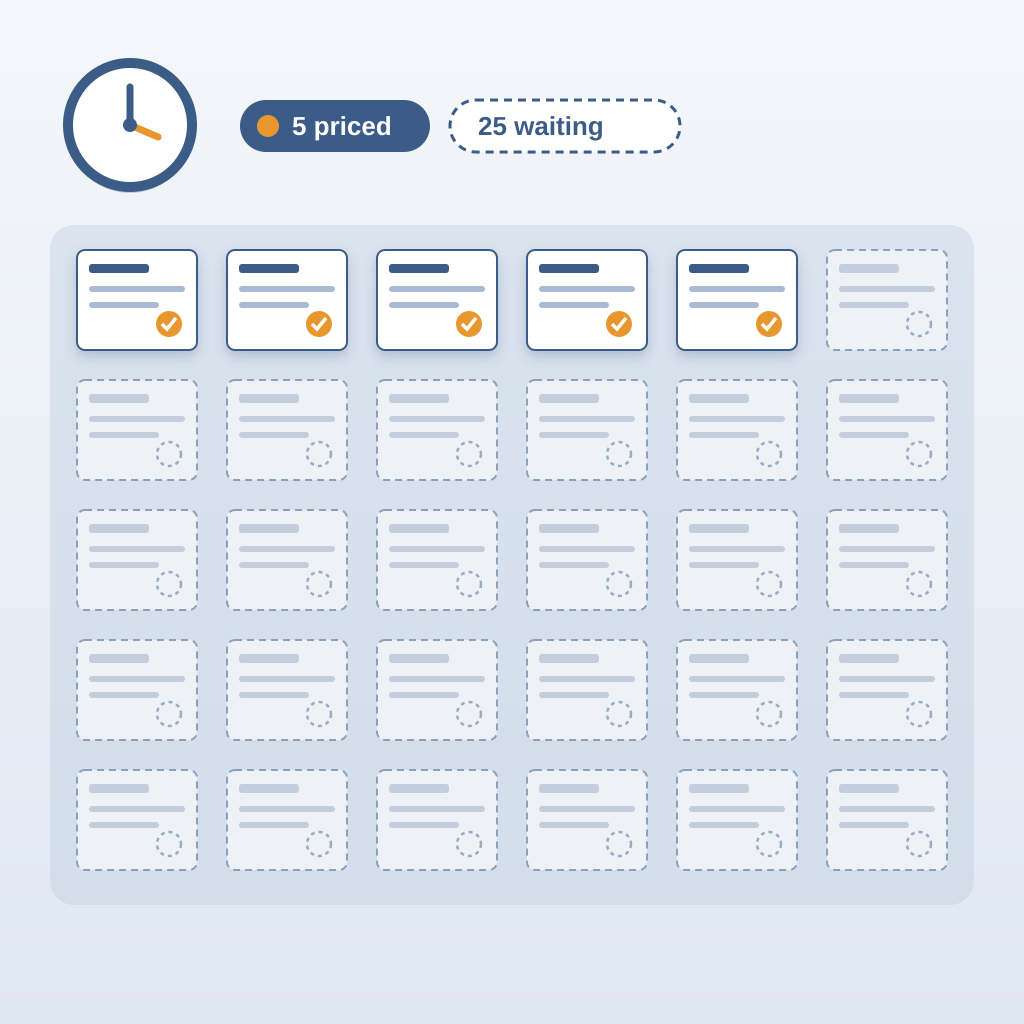
Every hour a change sits unpriced is a small bet against your own margin. On a job running 30 open changes at any time, most firms only have real numbers for a handful. The rest sit in a queue waiting for a human to do the work.
Run the numbers on a simple case. A mechanical relocation takes a senior estimator three hours to quantify, price, and write up. At a fully loaded rate of about $95 an hour, that is $285 of office time before you touch the field. Do that 40 times a year and you are spending $11,400 just to find out what things cost, not to win them.
The field side is worse. A two-day delay on a small scope costs the labour above, plus equipment rental, plus the ripple into the next task. On a project with 60 changes and a 20 percent price adjustment rate, the unrecovered portion is usually somewhere in the six figures. That is the money you cannot bill because you never had the number in the room.
The 20 minutes you get in the meeting is not enough time to build a defensible estimate. So most people split the difference and quote a safe round figure. It works once. It works badly every time after that, because the owner learns the number was a guess, and next time they guess lower.
This is the part that nobody puts on the P&L statement. Change order pricing delays are a margin tax you pay quietly, week after week, because no one stacked the cost of the delay against the cost of the work.
Why a Live Model Record Changes the Meeting
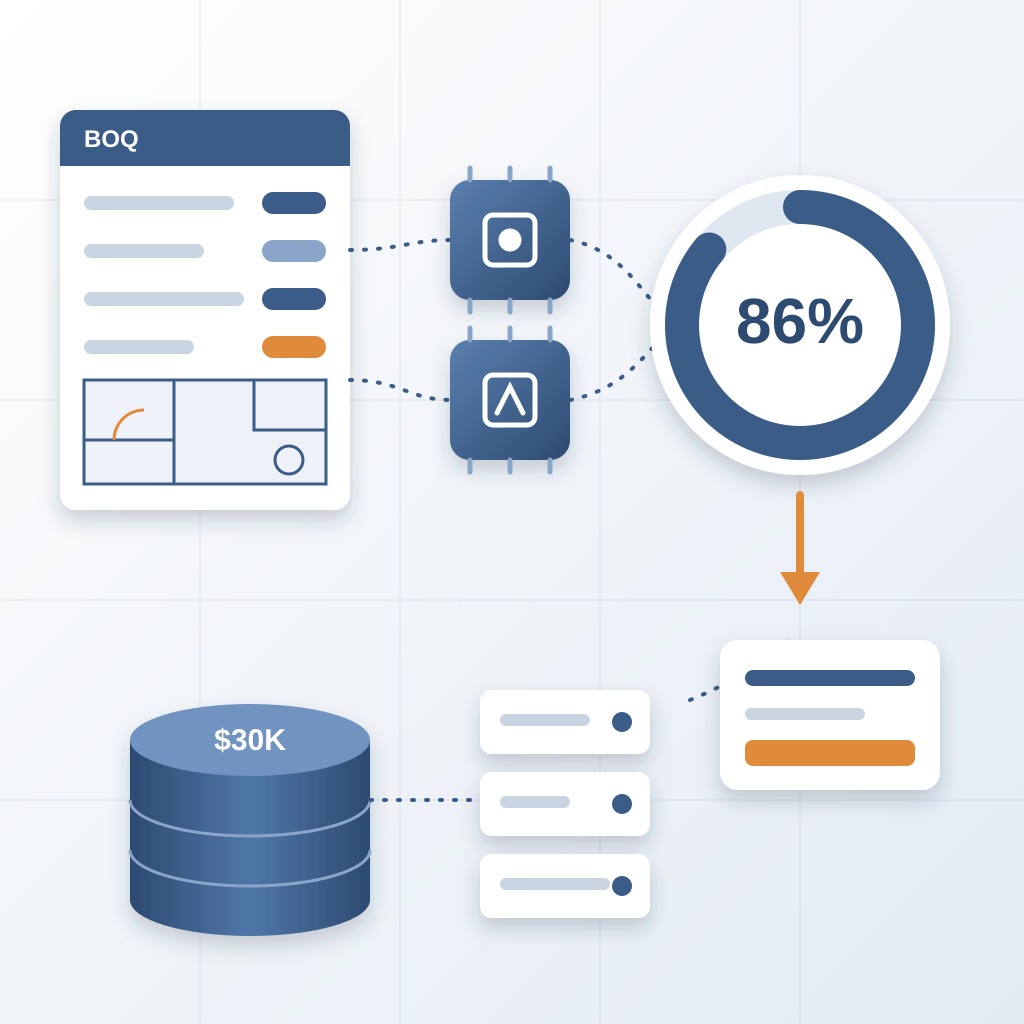
BidLight keeps one live record of the project inside Revit and Navisworks. You export the model and you get labour, equipment, material, and time costs in minutes. Change the geometry and the number follows, because the cost is riding on the same model.
This is the whole idea. Not a dashboard. Not a reporting layer. One record. The wall moved 14 inches on Tuesday, and by Tuesday afternoon the affected line items reflect it. You walk into the meeting with a number that traces back to the same geometry the owner is looking at.
The classification side is what makes that number trustworthy. Two AI models read geometry and metadata to classify BOQ line items at 86 percent accuracy. Current pricing comes from a roughly $30,000 database plus Craftsman, 1Build, and RSMeans. You are not asking an estimator to guess the rate. The rate is already there and current.
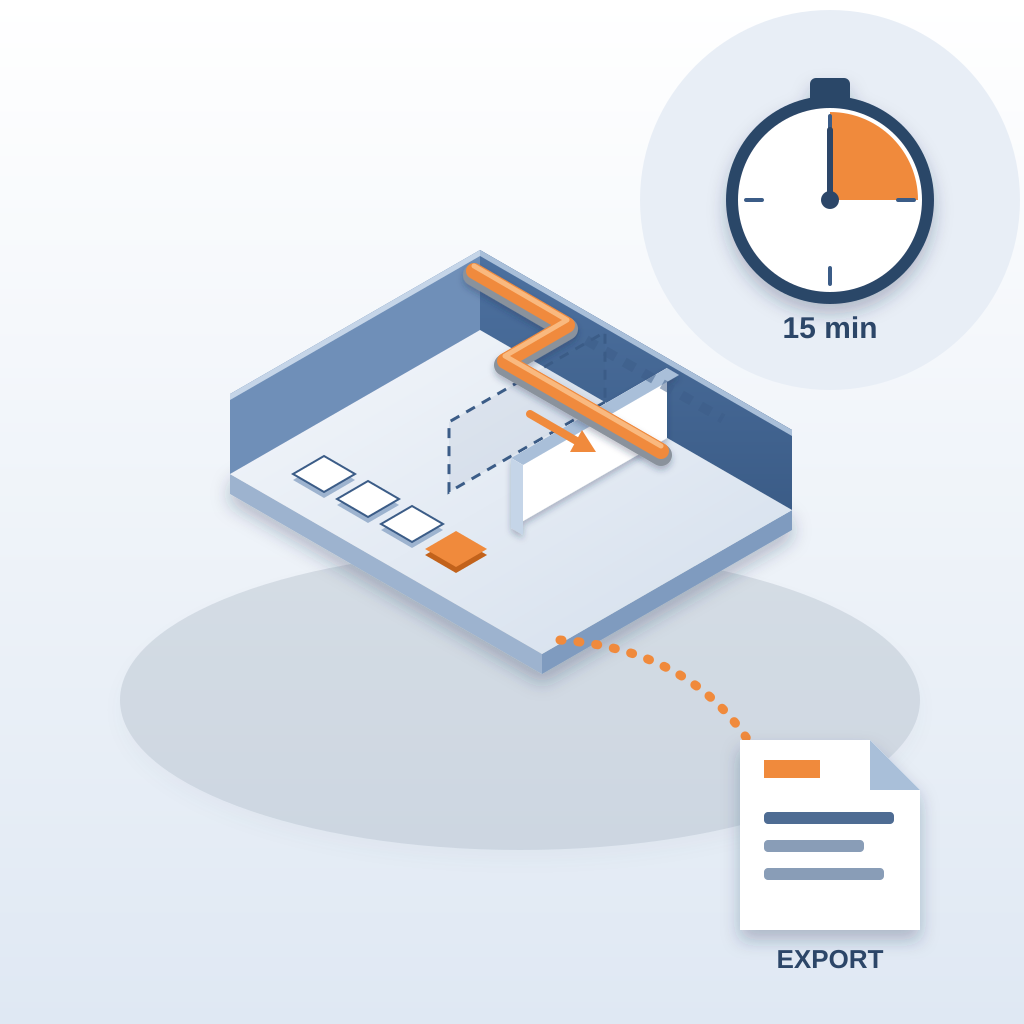
The workflow changes from a project to a habit. You open the file. You export. You read the number. Fifteen minutes instead of 90 for a typical change order quantification on a moderate scope. That is the piece that lets you answer the question before it gets asked.
Same number in the room, same number in the change order log, same number when the invoice goes out. When the owner pushes back, you show them the geometry. When the geometry is right, the number is right, and there is no argument left to have.
How to Stop Negotiating Against a Memory
The mistake most teams make is treating the change order meeting as the pricing event. It is not. It is the settlement event. The price should be decided the day the design moved, while the geometry, the reasoning, and the person who made the decision are all still fresh.
Build the habit of exporting the model every time the design shifts. Not daily standup, not Friday cleanup. When the wall moves, when the duct reroutes, when the owner asks for a fourth option on the lobby. Fifteen minutes on the clock and the number is on record.
Keep that record in the same place the model lives. If the estimate is in one system and the geometry is in another, you are back to the same problem with extra steps. This is why BidLight runs inside Revit and Navisworks instead of beside them. The record has to sit where the change happened.
Attach the price to the change, not to the meeting. When the change order list gets reviewed, the ones with a live number from the day of the move are already closed. The ones that are still open are the ones where you are still building a case for the number.
If you want to buy the software, plans run from Basics at $260 per licence per year to Max at $590. Enterprise pricing is custom for firms that need to sit on the same record across many projects. If you would rather hand the whole thing off, BidLight does done-for-you BIM work as well: execution plans, 4D/5D, fabrication detailing.
The pitch is plain. Stop chasing scattered updates and slow takeoffs. Win more work with numbers you can defend. And turn early estimates into a service you can bill for, instead of a favour you keep giving away. If a reader only remembers one thing from this piece, it should be the live record inside Revit, with cost riding on the same model. That is what makes the change order meeting a formality instead of a fight.

When you are comparing construction cost estimating software for a firm your size, the question that separates the options is not which one has more reports. It is which one keeps the geometry and the price on the same record. That is the difference between walking into the meeting with a number and walking into it with a story about a number. Only one of them survives the second meeting.