
A data center team stopped doing takeoffs. Here's what happened.
Fourteen Revisions, One Estimate, No Spreadsheets
The number that matters here is fourteen. Fourteen model revisions landed before the bid went out. Racks moved, the electrical room grew, cooling loops got rerouted, and the containment layout changed twice in the last week.
On the old workflow, every one of those revisions kicked off the same routine. Somebody exported a fresh set of drawings, walked the quantities by hand, updated a spreadsheet, and then chased down which number was current. Fourteen revisions meant fourteen passes. The team stopped doing that.
They kept one live record of the project inside Revit. The model was the source. Every time the design changed, the quantities changed with it, and the labour, equipment, material and time costs followed in minutes. Nobody re-keyed anything. Nobody wondered which file was the real one.
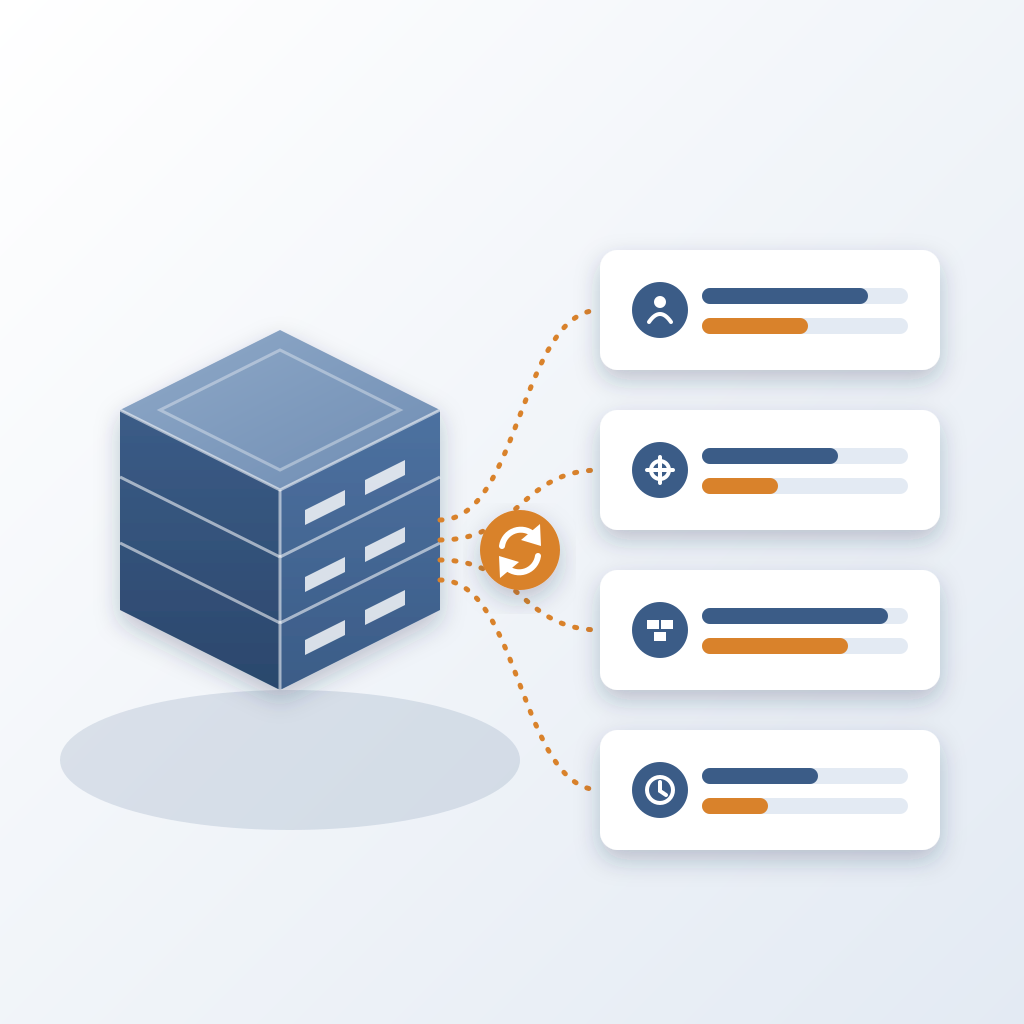
When the bid went out, the estimate reflected revision fourteen, not revision six with pen marks. That is the whole story. The estimate stayed current because nobody had to make it current.
The team got 680 hours back across the project. They submitted three days early. The client noticed the difference before anyone said a word about it.
Why 680 Hours Is the Real Number in This Story
Hours are the cleanest way to explain what changed, because everyone in an AEC firm knows exactly where their hours go. Takeoff work is quiet. It does not show up as a crisis. It shows up as a Thursday where three people are buried in exports instead of pricing strategy.
When you add up fourteen revision cycles, the export-and-recount loop on a data center project runs into hundreds of hours. Somebody is pulling quantities. Somebody is cross-checking against the previous version. Somebody is reconciling the two. Then a revision lands and all of it restarts.
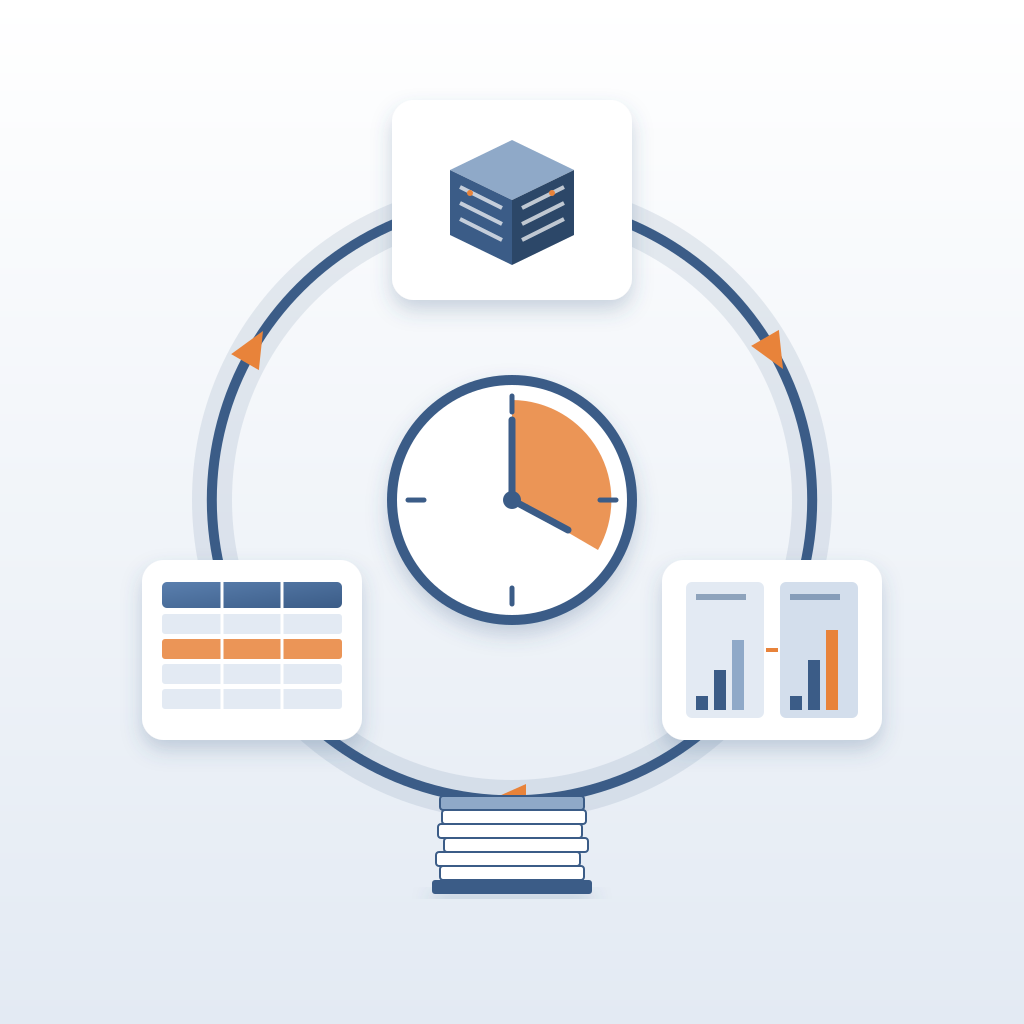
Those 680 hours came back because the recalculating stopped being a human job. The model already held the geometry and the metadata. AI read both and classified the BOQ line items at 86% accuracy, pulling current pricing from a roughly $30,000 database plus Craftsman, 1Build, and RSMeans. The classification was not the point. The point was that nobody had to sit down and do it again.
Think about what 680 hours buys. It is bid capacity. It is another project priced while the first one is still moving. It is the difference between chasing the schedule and setting it.
Data center work is unforgiving on this front because the systems are dense and the revisions come late. A rack layout shift touches power, cooling, containment, and cable tray at the same time. That is four quantity updates from one decision, which is exactly the kind of change that used to eat a week.
What Happens to a Bid When the Numbers Stay Current
Most bid teams are not slow because they are bad at estimating. They are slow because the model they started pricing is not the model they finish pricing with. The gap between those two things is where the schedule bleeds.
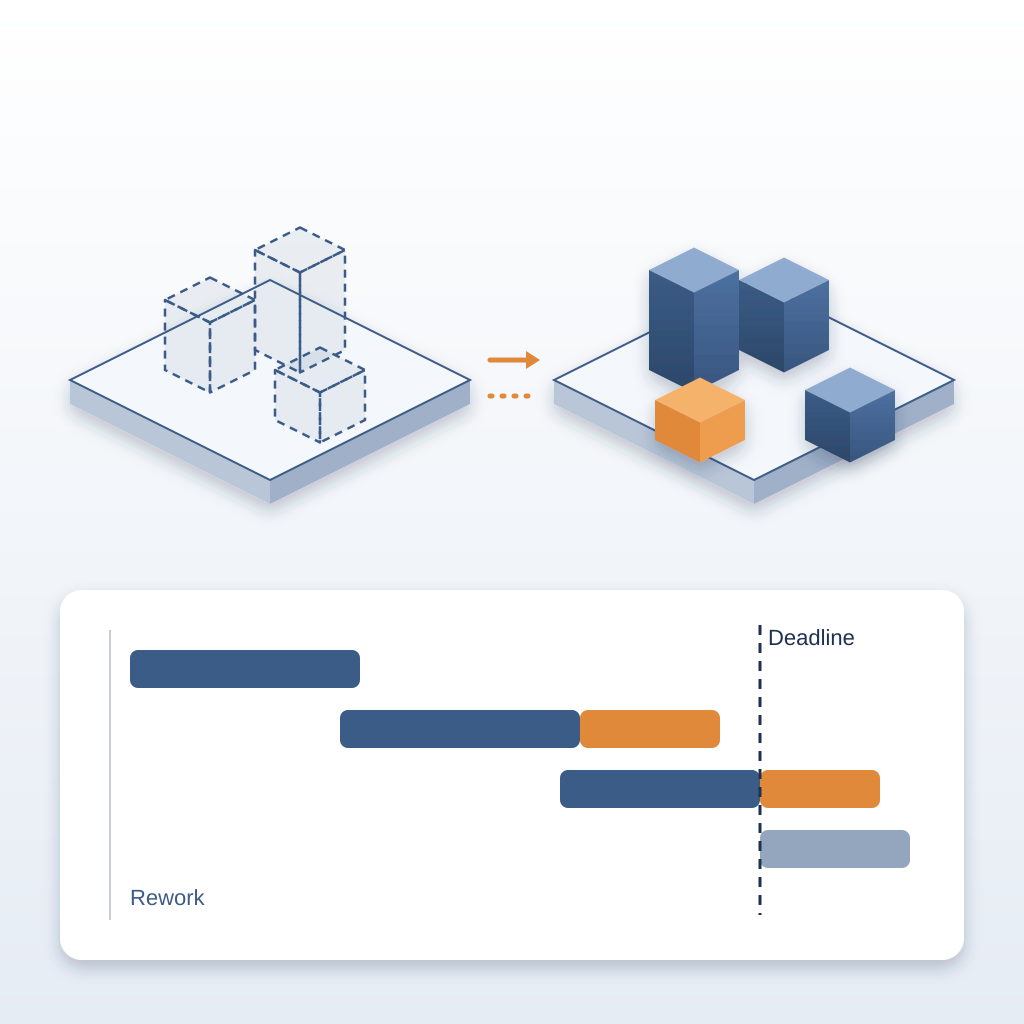
When the estimate updates itself every time the design changes, the bid does not need a catch-up sprint at the end. You are not redoing the last two weeks of work. You are reviewing numbers that already moved with the design.
That changes the conversation with the client. Instead of explaining why the number is a week old, you are answering questions about scope. Instead of asking for more time, you are three days early. Early is a competitive position, and it is a defensible one when the numbers behind it came from the model.
This is how a bid becomes something you can defend. Every line traces to geometry. Every price traces to a current source. When the client asks why the electrical package changed, you point at the revision, not at a hunch.
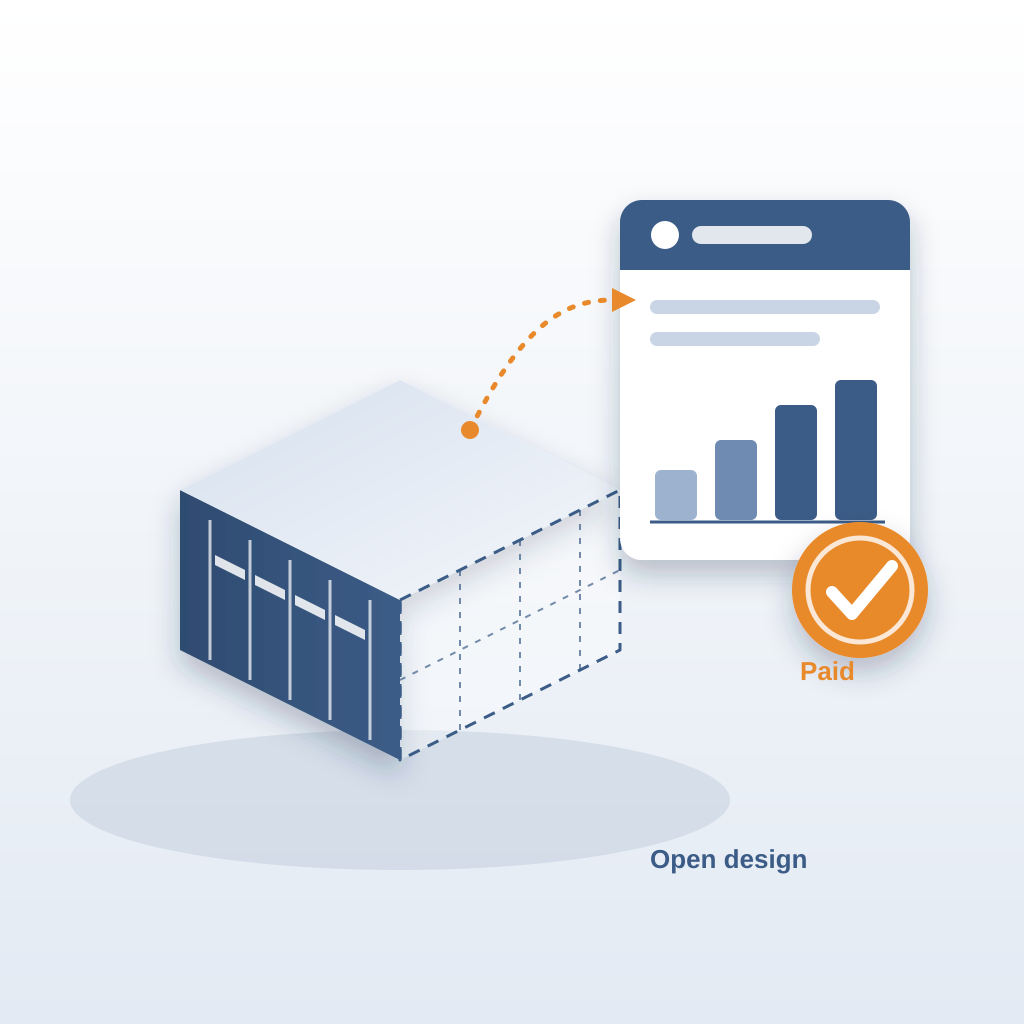
It also changes what your firm can bill for. Early estimates stop being a favor you do to win the job. They become a service. Clients pay for answers that arrive while the design is still open, and you can deliver them because you are not spending the week on takeoffs.
The Pattern Shows Up Everywhere, Not Just Data Centers
If you run a firm in any sector, you already recognize the loop. The revision lands. The takeoff gets redone. The bid gets padded because nobody is sure the number is right. That padding is where margin quietly disappears.
Here is the honest framing. Estimating teams spend a large share of their week on mechanical work that has nothing to do with judgment. Exporting, counting, pasting, reconciling. The judgment part, the part you hired them for, gets whatever time is left.
BidLight exists to take the mechanical part off the table. One live record of the project inside Revit and Navisworks, with cost riding on the same model. Plans run from Basics at $260 per licence per year to Max at $590, with custom Enterprise pricing. The software does the recount. Your people do the thinking.
There is a second layer too. BidLight does done-for-you BIM work: execution plans, 4D and 5D, and fabrication detailing. Some firms want the platform. Some want the platform and a team. Both are available.

If the reader only remembers one thing, make it this. One live record of the project, inside Revit, with cost riding on the same model. Everything else in this article follows from that single idea.
What This Looks Like on Monday Morning
The first change you notice is not dramatic. It is that nobody is waiting on an export. The model gets updated, the quantities move, and the estimate is current before the morning meeting ends.
At the 60% design review, you can answer the number on the spot. When the client asks what the rack change does to the electrical package, you have the figure. That moment is worth more than any deck you could have built over the weekend.
There is a second effect that is harder to see from outside. Your estimators stop copying and pasting between files. The work gets more interesting, and people stay longer. Retention is a cost problem whether or not anyone puts a number on it.
Then the billing question comes up. If early estimates are a service, they should have a line on the invoice. You can only bill for them if you can deliver them fast enough to be useful. That is what the live record gives you.
The team in this story did not do anything heroic. They just stopped recalculating by hand and let the model carry the number. Fourteen revisions, three days early, one project won.