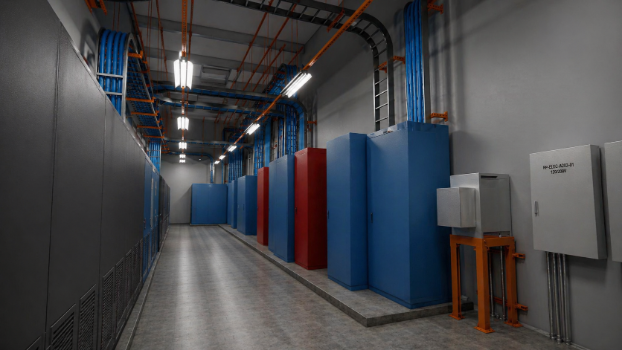
The Problem With Comparing BIM Revisions Manually
Manual BIM revision comparison is one of those tasks that appears manageable until the project reaches real scale. In mission-critical environments like data center design, where electrical distribution, redundancy, and uptime are tightly interdependent, even a minor unnoticed change can cascade into serious operational risks. Engineers often assume that comparing two versions of a model is simply about spotting visible differences. In reality, it involves understanding subtle shifts in geometry, properties, and system relationships across thousands of elements. This gap between perception and complexity is where manual comparison begins to fail.
Understanding BIM Revision Comparison Fundamentals
What BIM Model Revisions Actually Represent
In practice, BIM revisions are not just updated files. Each version reflects a progression in the design phase, influenced by coordination meetings, clash resolution, and evolving system requirements. File version control tracks iterations, but it does not inherently explain what changed or why. In electrical BIM, a revision could mean rerouting a cable tray, adjusting conduit paths, or modifying load calculations, all of which impact downstream systems.
Model Comparison vs Manual Review
Model comparison is intended to systematically evaluate differences between two versions. However, when teams manually compare two versions, they rely on visual inspection and memory. This approach struggles to consistently identify added, removed, and modified elements. Without structured revision comparison, critical updates like a shifted electrical component or altered property sets can easily go unnoticed.
Why Manual Comparison Breaks at Scale
As models grow, so does the number of elements and components. Tracking total element counts or subtle geometry changes becomes impractical. A single data center model may include thousands of interconnected systems. Manual workflows introduce human error, especially when comparing dense electrical distribution layouts or cooling infrastructure where precision directly affects efficiency and uptime.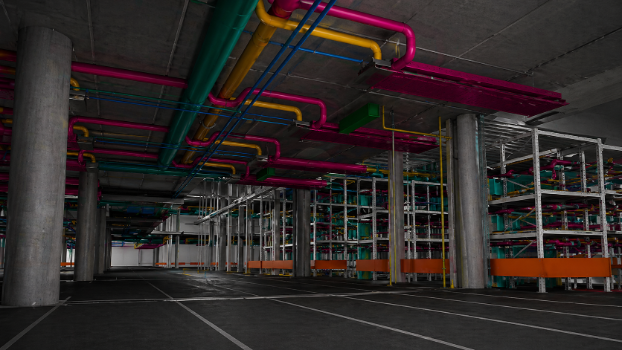
Core Components of BIM Change Detection
Tracking Added, Removed, and Modified Elements
Effective change detection starts with identifying added removed modified elements. In large-scale BIM environments, even a small percentage of changes can represent hundreds of components. Missing a newly added conduit or a removed redundancy path can compromise system resilience.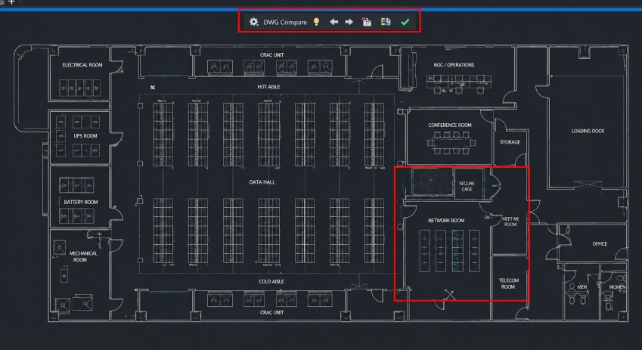
Geometry vs Property-Level Changes
Not all changes are visible. Geometry changes are easier to detect, but changed properties often carry deeper implications. Adjustments in property sets, such as voltage ratings or load parameters, can affect system behavior without altering physical geometry. In mission-critical infrastructure, overlooking these changes introduces hidden risks.
Object-Level Change Tracking
Advanced comparison relies on object-level change tracking. Techniques like geometry hash and diff and patch allow systems to detect precise modifications at the component level. This level of granularity is essential when dealing with complex assemblies like UPS systems, switchgear, and interconnected electrical networks.
Technical Depth: How BIM Comparison Actually Works
Model Data Structures and APIs
Behind every model is structured data. The model properties API enables extraction of detailed information about elements, components, and property sets. Without leveraging these data structures, manual comparison remains superficial and prone to oversight.
Advanced Comparison Techniques
Modern comparison methods use geometry hash to identify even the smallest geometric variations. Diff and patch logic isolates differences between versions, providing a clear map of changes. These techniques outperform manual review by eliminating guesswork and ensuring consistency.
Generating Comparison Reports
A well-structured comparison report transforms raw data into actionable insight. Visualization tools like Power BI report and ready-to-use dashboard formats allow teams to interpret changes quickly. Instead of manually scanning models, engineers can rely on dashboards to highlight critical differences and trends.
Coordination Impact of BIM Revision Errors
Clash Detection and Coordination Failures
Revision comparison is directly tied to clash detection. When changes are missed, new clashes emerge in later stages. These issues are often discovered during construction, where resolution is significantly more expensive and disruptive.
Coordination Meetings and Decision Bottlenecks
Unclear revision differences slow down coordination meetings. Teams spend time debating what changed rather than solving problems. This inefficiency disrupts workflow and delays decision-making across disciplines.
Workflow Disruptions Across Teams
Inconsistent understanding of model versions creates fragmented workflows. Contractors, subcontractors, and engineers may work from different assumptions, leading to rework and misalignment. The lack of reliable comparison undermines the entire coordination process.
Electrical and Data Center System Implications
Electrical BIM and Distribution Systems
Electrical BIM plays a central role in data center design. Changes in electrical distribution systems, such as feeder paths or panel configurations, must be accurately tracked. A missed revision can affect load balancing and system reliability.
Cable Routing and Conduit Coordination
Cable routing and conduit layouts are highly sensitive to spatial constraints. Even minor adjustments can impact installation feasibility and prefabrication. Manual comparison often fails to capture these nuances, leading to coordination conflicts on-site.
Backup Systems, Redundancy, and Uptime
Data centers rely on redundancy models and backup systems to maintain uptime. A single overlooked change in a redundant power path or UPS configuration can compromise resilience. Accurate revision comparison is critical to ensuring that redundancy strategies remain intact.
Cooling Integration and System Dependencies
Cooling integration is tightly linked to electrical loads. Changes in power distribution affect heat generation, which in turn impacts cooling requirements. Without proper comparison, these interdependencies can be overlooked, reducing overall system efficiency.
Efficiency, Monitoring, and Performance Optimization
Energy Efficiency and Load Calculations
Accurate load calculations are essential for optimizing energy efficiency. Revision errors can distort these calculations, leading to overdesign or inefficiencies. Reliable comparison ensures that performance models remain accurate.
Monitoring Changes Through Dashboards
Dashboards provide continuous monitoring of model changes. By using a centralized dashboard, teams gain visibility into revisions in real time. This reduces reliance on manual tracking and improves responsiveness.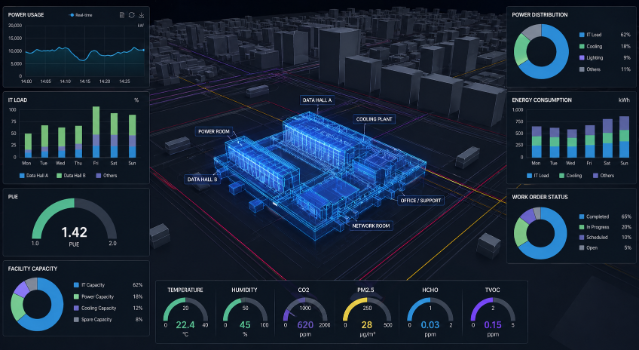
Improving Workflow Efficiency
Automation streamlines the entire workflow. By reducing manual effort, teams can focus on analysis rather than detection. This shift improves both speed and accuracy in project execution.
Modern Solutions to BIM Revision Challenges
Automated Model Comparison Tools
Automated model comparison tools eliminate the limitations of manual processes. They provide consistent, repeatable results and reduce the risk of missed changes. This is especially valuable in complex environments like mission-critical infrastructure.
Integrated Reporting and Visualization
Integrated reporting combines comparison report outputs with visualization tools. Ready-to-use dashboard systems and Power BI report integrations enable faster interpretation of data, supporting better decision-making.
Scalable Coordination Workflows
As projects scale, coordination must evolve. Automated comparison supports scalable BIM coordination by ensuring all stakeholders work from accurate, up-to-date information. This alignment is critical for large data center projects.
Future Trends in BIM Comparison and Data Centers
AI-Driven Change Detection
AI is beginning to enhance object-level change tracking by identifying patterns and predicting potential conflicts. This reduces reliance on manual workflows and improves proactive decision-making.
Digital Twin Integration
Digital twins connect BIM revisions to real-time system performance. By linking design changes to operational data, teams can monitor uptime, efficiency, and redundancy continuously.
Sustainability and Energy Optimization
Sustainability is becoming a core driver in data center design. BIM comparison plays a role in tracking energy efficiency improvements and ensuring that design changes align with long-term sustainability goals.
Conclusion: Moving Beyond Manual Comparison
Manual BIM revision comparison is no longer viable for modern, high-complexity projects. As systems become more interconnected and performance-driven, the need for precise, automated comparison grows. By moving beyond manual workflows and adopting structured, data-driven approaches, teams can improve coordination, protect system reliability, and ensure that critical infrastructure performs as intended.