The Hidden Risk in Untracked Model Changes
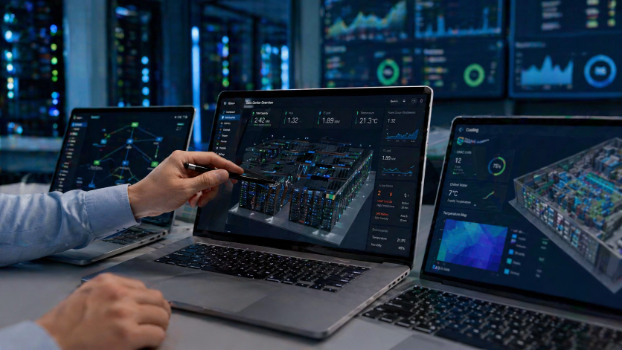
In mission-critical environments, the most dangerous failures are rarely caused by visible errors, they emerge from what goes unnoticed. In data center projects driven by BIM coordination and complex MEP BIM modeling, untracked model changes introduce silent inconsistencies that ripple across power systems, cooling systems, and operational workflows. These gaps do not immediately trigger alarms, but over time they erode redundancy, distort load distribution, and compromise uptime. When a shared digital model becomes fragmented due to missing version history or lack of real-time updates, the result is not just rework, it is systemic risk embedded into the infrastructure itself.
Understanding the Hidden Risk in Untracked Model Changes
What Untracked Model Changes Mean in BIM Environments
Untracked model changes occur when updates within a shared digital model are not properly documented, synchronized, or communicated. In practice, this often means version history is incomplete, or real-time updates are not consistently applied across disciplines. These coordination gaps lead to discrepancies between design intent and actual implementation. The issue is not simply visibility, it is trust. When teams cannot rely on the integrity of the model, every downstream decision carries uncertainty.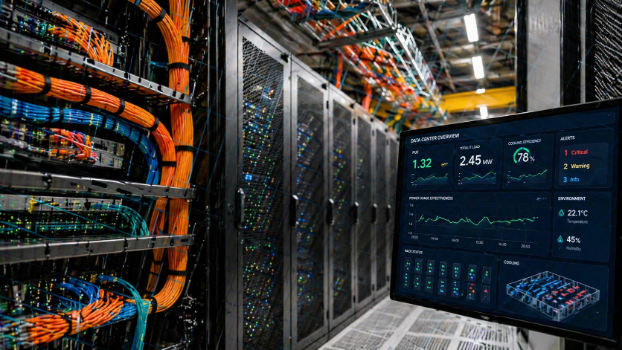
The Role of BIM Coordination in Complex Infrastructure
Effective BIM coordination ensures that electrical systems, mechanical layouts, and structural elements operate as a unified system. In high-density environments, even minor misalignment in MEP BIM modeling can disrupt power distribution pathways or cooling strategies. Coordination is not a static milestone, it is a continuous process that requires alignment between design, engineering, and field execution. Without it, the model becomes fragmented, and fragmentation is where risk begins.
Clash Detection and Its Limitations
Clash detection is often treated as a safeguard, but it addresses only physical conflicts. It does not account for logical dependencies such as load calculations, redundancy pathways, or sequencing of backup systems. A model can be clash-free and still contain critical coordination gaps. This false sense of security is one of the most overlooked risks in BIM-driven projects.
Power Infrastructure and Electrical System Dependencies
Core Components of Power Distribution Systems
Data center reliability is fundamentally tied to its power distribution architecture. Electrical systems rely on tightly integrated components such as switchgear, transformers, and distribution networks. Any deviation in the model, especially in power systems layout, can alter load distribution and introduce imbalance. These systems are designed with precision, and even minor inconsistencies can cascade into operational inefficiencies.
Cable Routing and Physical Infrastructure Coordination
Cable trays and conduits form the physical backbone of electrical distribution. Their routing must align perfectly with spatial constraints and system requirements. When model updates are not tracked, routing conflicts can emerge during construction, leading to rework and compromised layouts. In dense environments, there is little tolerance for error.
Load Calculations and System Balance
Accurate load calculations are critical to maintaining system stability. Untracked changes can distort load distribution assumptions, resulting in overloading or underutilization of infrastructure. These imbalances are not always immediately visible but can degrade system performance over time and increase the risk of failure.
Redundancy Models and Uptime Protection
Importance of Redundancy in Mission-Critical Facilities
Redundancy is the foundation of uptime. Whether through N+1 redundancy or fully duplicated 2N redundancy architectures, the goal is to eliminate single points of failure. However, redundancy is only as reliable as the accuracy of the underlying model. Untracked changes can silently break redundancy pathways.
Types of Redundancy Architectures
N+1 redundancy provides additional capacity beyond baseline requirements, while 2N redundancy ensures full duplication of systems. More advanced configurations like 2N+1 aim to balance resilience and efficiency. Each model depends on precise coordination, and inconsistencies can undermine their effectiveness.
Identifying Single Points of Failure
Single point of failure risks often emerge from overlooked dependencies. A misaligned conduit route or an incorrect connection in a shared digital model can bypass redundancy entirely. Identifying these risks requires more than design review, it requires continuous validation.
Backup Systems and Power Continuity
UPS systems and generators are designed to maintain continuity during outages. However, their integration depends on accurate modeling of electrical systems and load paths. Untracked changes can disrupt this integration, reducing the effectiveness of backup systems when they are needed most.
Cooling Systems and Thermal Interactions
Fundamentals of Data Center Cooling Systems
Cooling systems are tightly coupled with power systems. HVAC infrastructure must respond dynamically to heat loads generated by equipment. Any mismatch between modeled and actual conditions can reduce cooling performance and increase operational risk.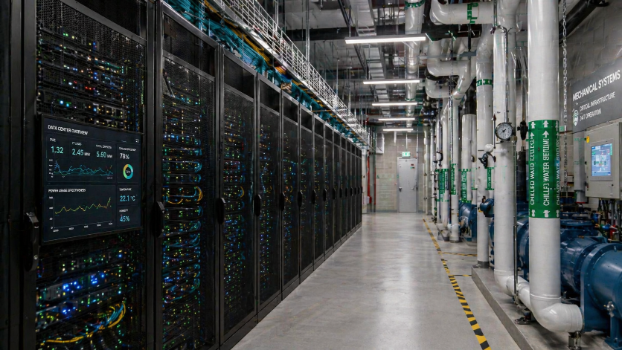
Airflow Management Strategies
Airflow design, including hot aisle/cold aisle configurations, plays a critical role in efficiency. If model changes alter equipment placement without proper coordination, airflow patterns can be disrupted, leading to hotspots and inefficiencies.
Advanced Cooling Technologies
Liquid cooling is becoming increasingly relevant in high-density environments. While it improves thermal management, it also introduces additional coordination complexity. Integration with electrical systems must be precise to avoid conflicts.
Heat Loads and Thermal Management
Thermal management depends on accurate representation of heat loads. Untracked changes can skew these calculations, resulting in underperforming cooling systems and increased stress on infrastructure.
Monitoring, Digital Twins, and Operational Visibility
Digital Twins as a Real-Time Representation
Digital twins extend the shared digital model into operations, providing a real-time representation of the facility. They enable simulation and scenario testing, but their accuracy depends on consistent updates. Without reliable data, the digital twin loses its value.
Continuous Monitoring and System Feedback
Continuous monitoring allows operators to track equipment health and system performance. It provides early warning signals, but only if the underlying model reflects reality. Discrepancies between model and operation reduce the effectiveness of monitoring systems.
Predictive Maintenance and Asset Tracking
Predictive maintenance relies on accurate data to forecast failures. Asset tracking ensures that every component is accounted for within the system. Untracked changes disrupt this visibility, making it harder to predict failures and increasing maintenance risks.
Facility Management Integration
Integrating BIM data with facility management systems bridges the gap between design and operations. It enhances decision-making and improves efficiency, but only when the data is consistent and trustworthy.
Efficiency Metrics and Sustainability Considerations
Energy Efficiency in Data Center Design
Energy efficiency is not just a cost concern, it is a performance metric. Efficient systems reduce strain on infrastructure and improve reliability. However, inefficiencies often originate from coordination gaps in the model.
Power Usage Effectiveness (PUE) as a Benchmark
PUE is widely used to measure efficiency, comparing total facility energy to IT load. While useful, it does not capture the full complexity of system performance. Untracked changes can distort PUE without revealing underlying issues.
Energy Optimization Strategies
Energy optimization requires alignment between power distribution, cooling systems, and operational strategies. Accurate modeling is essential to identify opportunities and avoid inefficiencies.
Sustainability and Resource Efficiency
Sustainability initiatives depend on resource efficiency across all systems. Coordinated design reduces waste and improves long-term performance. Inconsistent models undermine these efforts.
Operating Costs and Financial Impact
Operating costs are directly influenced by system efficiency and reliability. Rework, inefficiencies, and failures driven by untracked changes increase costs and reduce return on investment.
The Role of Fabrication and Construction Accuracy
From Model to Fabrication
Fabrication relies on precise translation of the model into physical components. Discrepancies between the model and actual conditions lead to misalignment and delays. Accuracy at this stage is critical.
Reducing Rework Through Coordination
Rework is often the visible symptom of deeper coordination issues. By ensuring consistent updates and validation, teams can reduce rework and maintain project timelines.
Future Trends in Model Management and Infrastructure Design
Real-Time BIM and Automated Updates
Real-time updates are becoming standard, enabling continuous synchronization across teams. This reduces coordination gaps and improves decision-making.
AI-Driven Monitoring and Predictive Systems
AI is enhancing monitoring capabilities, enabling systems to predict failures and optimize performance. These technologies depend on accurate, consistent data.
Integration of Digital Twins with Sustainability Goals
Digital twins are increasingly used to drive energy optimization and sustainability. They provide insights into system performance and resource usage.
Evolution of High-Density and Liquid-Cooled Environments
As infrastructure evolves toward higher density and advanced cooling, coordination complexity increases. Managing this complexity requires robust model management.
Conclusion: Eliminating the Risk of the Unknown
Why Tracking Every Change Matters
Untracked model changes introduce hidden risks that compromise uptime, redundancy, and efficiency. These risks are not immediately visible but can have significant consequences.
Building a Resilient and Transparent System
A resilient system depends on transparency, accurate version history, and continuous coordination. These elements ensure that the model remains a reliable source of truth.
Moving Toward Proactive Infrastructure Management
The future of data center infrastructure lies in proactive management, where BIM coordination, monitoring, and predictive systems work together to eliminate uncertainty and ensure long-term reliability.