The Gap Between GC Expectations and Subcontractor Delivery
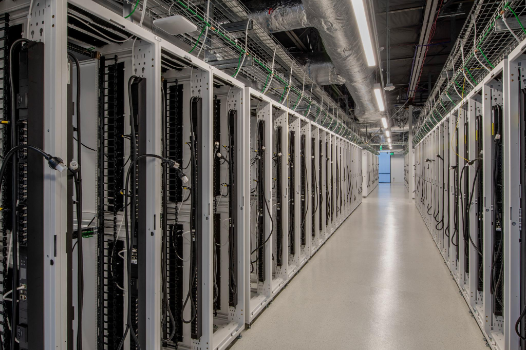
In data center construction, the gap between GC expectations and subcontractor delivery rarely shows up in drawings. It shows up in performance. General contractors are accountable for uptime, high availability, and long-term reliability, while subcontractors are often measured on installation completeness and schedule adherence. The result is a disconnect between component delivery and system performance. In an environment where power systems, cooling infrastructure, and redundancy models must function as a single organism, even small misalignments can cascade into operational risk.
Understanding the GC vs Subcontractor Delivery Gap
Why Expectations Break in Data Center Projects
GCs approach projects with a system-level mindset. They are responsible for delivering continuous operation and meeting strict uptime targets. Subcontractors, on the other hand, execute defined scopes, often without full visibility into how their work interacts with adjacent systems. This creates scope gaps, especially in areas like electrical infrastructure and cooling systems. Without clear ownership of outcomes, trade coordination breaks down and critical assumptions go unvalidated.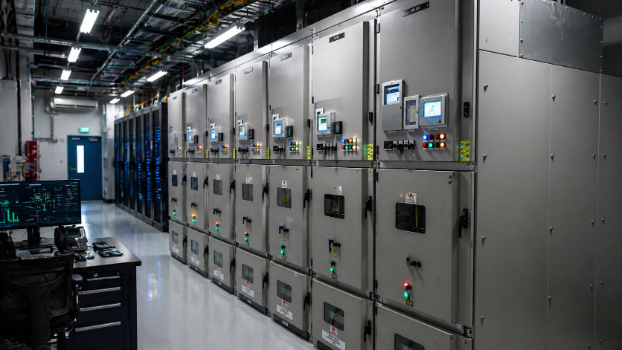
The Role of System Complexity in Delivery Failures
Modern data centers are tightly coupled systems where power and cooling must operate in sync. A minor inconsistency in installation or sequencing can introduce single points of failure. When subcontractors optimize locally rather than system-wide, fault tolerant designs can be compromised. Complexity amplifies the consequences of misalignment, making system integration the real challenge rather than individual component installation.
Core Infrastructure Foundations in Data Centers
Power Systems and Electrical Infrastructure Overview
Power systems form the backbone of any data center. From utility feeds to transformers, switchgear, and PDUs, every layer of power distribution must be engineered for resilience. Electrical infrastructure is not just about capacity, but about controlled, predictable behavior under failure conditions. Misinterpretation of design intent during installation can disrupt load paths and reduce redundancy effectiveness.
Cooling Systems and Thermal Management
Cooling systems are equally critical, and their interaction with power systems is often underestimated. Whether using traditional air-based cooling infrastructure or advanced liquid cooling, the relationship between heat rejection and energy consumption is direct. If cooling capacity is misaligned with electrical load, efficiency drops and risk increases. Designing power and cooling as a unified system is essential for stable operations.
Redundancy Models and Uptime Expectations
Standard Redundancy Architectures
Redundancy models such as N+1 redundancy, 2N redundancy, and 2N+1 redundancy define how systems tolerate failure. Each model carries different cost and complexity implications. GCs expect these architectures to be implemented precisely, but subcontractor delivery often focuses on physical installation rather than functional validation. Misconfigured redundancy can exist undetected until a failure event occurs.
Designing for High Availability and Fault Tolerance
High availability depends on eliminating single points of failure and ensuring systems are concurrently maintainable. True fault tolerant design requires that maintenance or failure does not interrupt operation. However, gaps in understanding system behavior can increase downtime per year, even when all components are present. Achieving continuous operation requires alignment between design intent and execution reality.
Critical Power Components and Their Interdependencies
Backup Systems and Power Continuity
Backup generators and uninterruptible power supply systems are central to power continuity. The UPS bridges the gap between utility loss and generator startup, but only if sequencing and load transfer are correctly implemented. Subtle errors in configuration can prevent systems from responding as intended. GCs expect seamless transitions, but subcontractor delivery often stops at installation rather than validation.
Distribution and Load Management
PDUs play a critical role in downstream power distribution. Proper load balancing ensures that no part of the system is overstressed. Inaccurate assumptions about load distribution can create hidden vulnerabilities. Power systems must be treated as dynamic, not static, with real-time behavior considered during both design and installation.
Performance Metrics and Monitoring Systems
Measuring Efficiency in Data Centers
Efficiency is typically measured using Power Usage Effectiveness. PUE provides a high-level view of how effectively energy is used, but it must be supported by deeper analysis of energy efficiency across subsystems. GCs increasingly expect performance metrics to align with design targets, yet subcontractor scopes rarely include validation of these outcomes.
Real-Time Monitoring and System Visibility
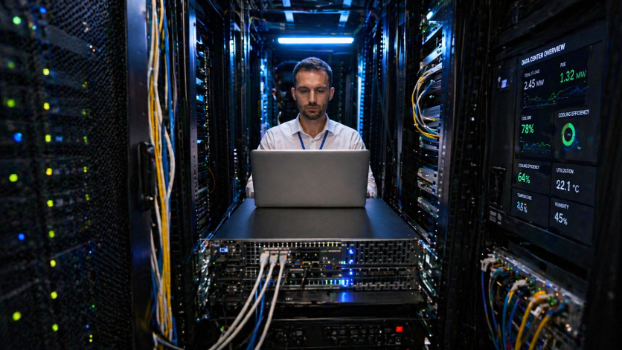
Monitoring systems provide visibility into both power systems and cooling systems. Without real-time data, issues remain hidden until they escalate. Lack of integrated monitoring often reflects the gap between component delivery and operational readiness. Visibility is not optional in modern facilities, it is foundational.
Commissioning and Testing: Where Gaps Become Visible
Commissioning as the Final Validation Layer
Commissioning is where theoretical design meets operational reality. It validates that systems perform under expected and stress conditions. GCs rely on commissioning to confirm that uptime and redundancy targets are achievable. However, when subcontractors treat commissioning as a checklist rather than a system validation process, critical issues remain unresolved.
Testing Strategies for Reliability
Load testing, failover simulations, and integrated systems testing are essential for uncovering weaknesses. These tests evaluate how power and cooling systems respond to real-world scenarios. Without rigorous testing, assumptions about redundancy and fault tolerance remain unverified. This is often where the delivery gap becomes most visible.
Procurement Challenges and Delivery Constraints
Impact of Long-Lead Equipment
Long-lead equipment such as switchgear, transformers, and generators introduces scheduling pressure. Delays in procurement can force sequencing changes that affect installation quality. GCs must balance schedule with system integrity, but subcontractors are often constrained by availability rather than optimal design alignment.
Aligning Procurement with System Requirements
Procurement decisions directly influence redundancy and efficiency outcomes. Selecting components without full system context can create incompatibilities. Early alignment between design intent and procurement strategy is essential to avoid downstream compromises.
Trade Coordination and MEP Integration
Coordination Across MEP Systems
MEP systems must function as a cohesive whole. Electrical infrastructure, cooling infrastructure, and control systems are interdependent. Poor trade coordination can disrupt this balance, leading to inefficiencies and increased risk. Integration is not automatic, it must be actively managed.
Eliminating Scope Gaps in Execution
Scope gaps are a primary driver of delivery failure. When responsibilities are unclear, critical tasks fall between trades. GCs must ensure that system-level outcomes are explicitly assigned, not assumed. Clear accountability is key to bridging the gap.
Energy, Sustainability, and Resource Optimization
Balancing Performance with Sustainability Goals
Sustainability is becoming a core requirement, not an afterthought. Environmental sustainability goals are tied to energy consumption and overall efficiency. Designing systems that meet both performance and sustainability targets requires careful coordination between power and cooling.
Managing Energy and Water Consumption
Energy consumption is driven by both IT load and supporting infrastructure. Cooling systems, particularly those involving water, introduce additional complexity. Managing water consumption alongside energy efficiency is critical for long-term viability and regulatory compliance.
Future Trends and Innovations in Data Center Delivery
Advanced Cooling and Energy Systems
Liquid cooling is gaining traction as power densities increase. These systems require tighter integration with electrical infrastructure and introduce new challenges in design and operation. The future of data centers will depend on how effectively power and cooling are integrated.
Improving Delivery Through Better System Alignment
Closing the gap between expectation and delivery requires a shift toward system-level thinking. GCs and subcontractors must align on outcomes, not just tasks. Data-driven commissioning, integrated monitoring, and clearer accountability will define the next generation of successful projects.
Conclusion: Closing the Gap Between Expectation and Delivery
From Component Delivery to System Performance
The industry must move beyond delivering individual components toward delivering fully functional systems. Performance, not installation, should be the benchmark of success.
Building for Reliability, Efficiency, and Scale
Achieving uptime, efficiency, and sustainability requires alignment across every phase of the project. When power systems, cooling systems, and operational goals are treated as a unified strategy, the gap between expectation and delivery begins to close.