How a 6-Inch Duct Change Turns Into Field Rework
The Duct Move That Didn't Look Like Much
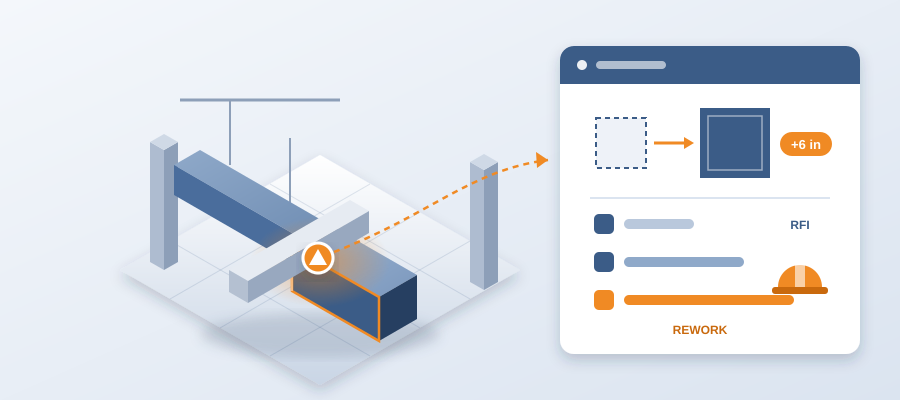
A design team shifts a duct run six inches to dodge a beam. In Revit, that is one click. Nobody flags it, because nobody expects a six-inch move to matter. But the shift means re-routing the adjacent branch ducts, extending hanger supports and changing two fire-damper locations. The model shows none of that as a problem. The field finds it later.
When that happens on site, a crew stops and waits. Somebody phones the engineer. Somebody checks the latest drawing. The fix is made in the field, and field fixes run $5,000 to $50,000 for what would have cost about $50 to resolve in the model. That is the same conflict, two orders of magnitude apart, and the only difference is when you saw it.
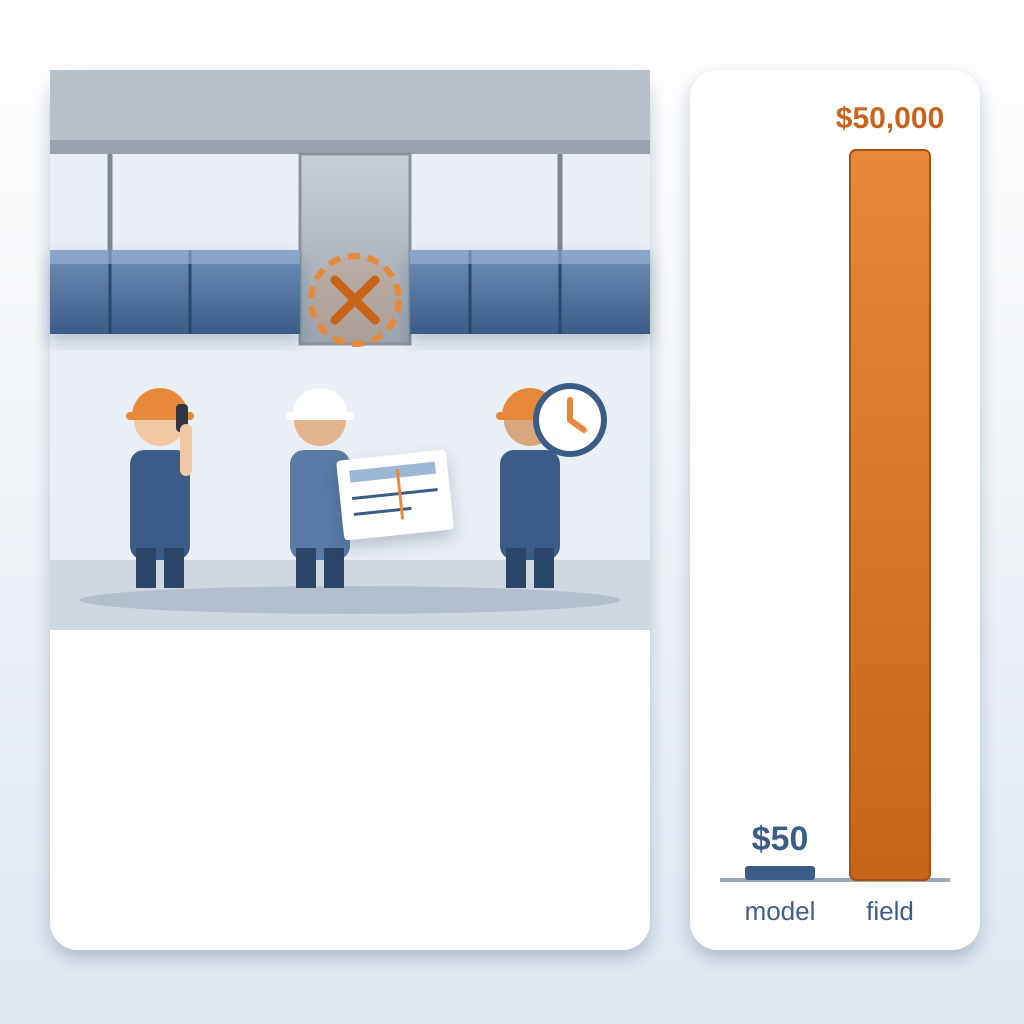
This is not a one-off story. In a typical mid-size project, dozens of small geometry changes happen every week. Each carries a hidden knock-on. Because nobody ties the model change to the people affected, the knock-ons pile up until a change order lands on your desk. Then you are explaining to the owner why a simple alignment adjustment cost a week.
BidLight changes the order of events. Every publish from Revit is a versioned snapshot. When the duct moves, the next publish shows it, element by element, in the structural, MEP, envelope or interior category it belongs to.
Why the Old Way Fails on a Live Model
Traditional coordination depends on static documents. You get a set of drawings, mark them up, send notes. Three weeks go by. The architect moves a wall six inches. The structural engineer deepens a beam. The MEP engineer reroutes a duct. None of those changes reach your notes unless somebody compares the models by hand. Most teams skip that because it takes too long. So you coordinate a model that no longer exists.
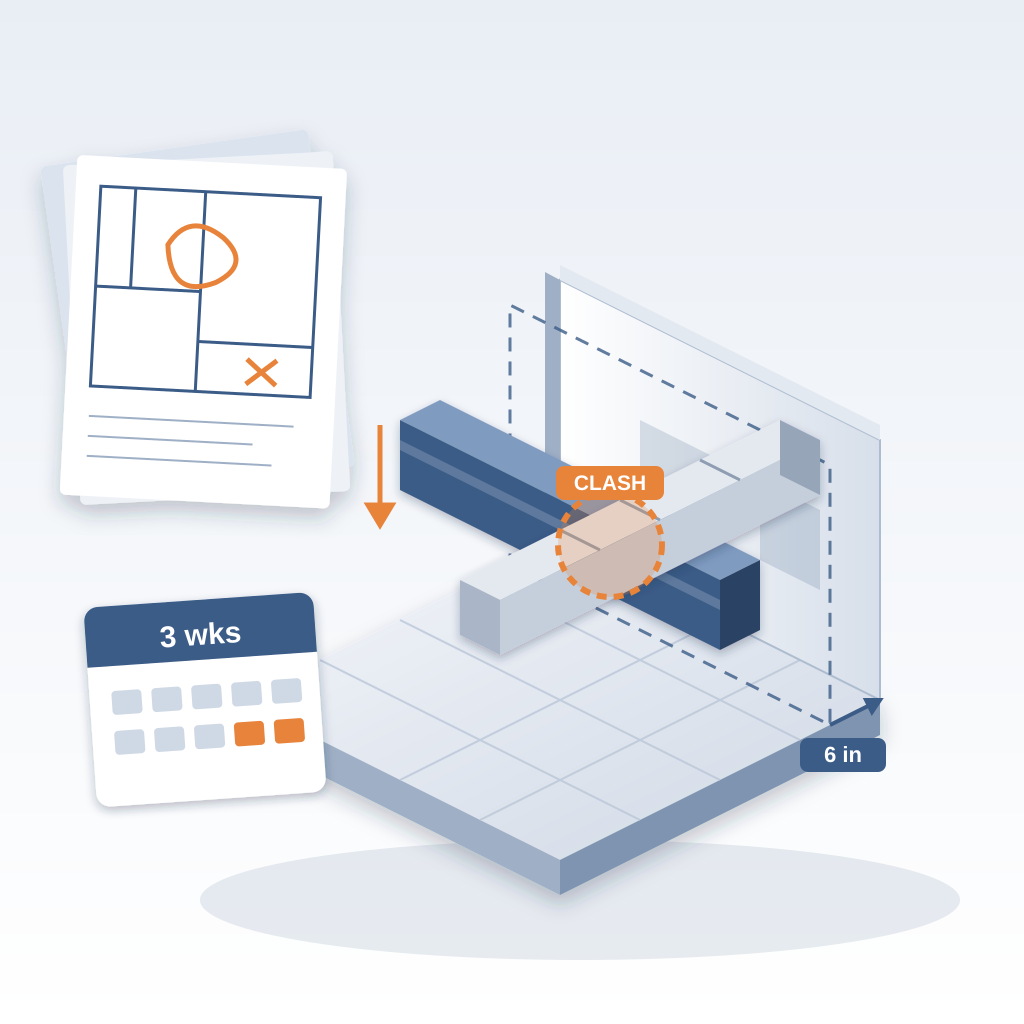
That is the real gap between a live model and a static record. The model changes continuously. The notes do not. By the time the work is in construction, the small changes that nobody flagged can leave the plan far from what is on site.
Version diffs close that gap. BidLight compares any two revisions and lists what changed. When a geometry change moves an element, you see it the same day. You do not wait for a human to spot it in a meeting.
For AEC firms, this shifts the conversation with owners. Instead of saying "we will have to do a change order later," you can say "this move touched these branches, and these people own the follow-up." You look proactive. You defend your position with the record. And you stop losing weeks to changes nobody caught.
Pin It to the Element, Close It With Proof
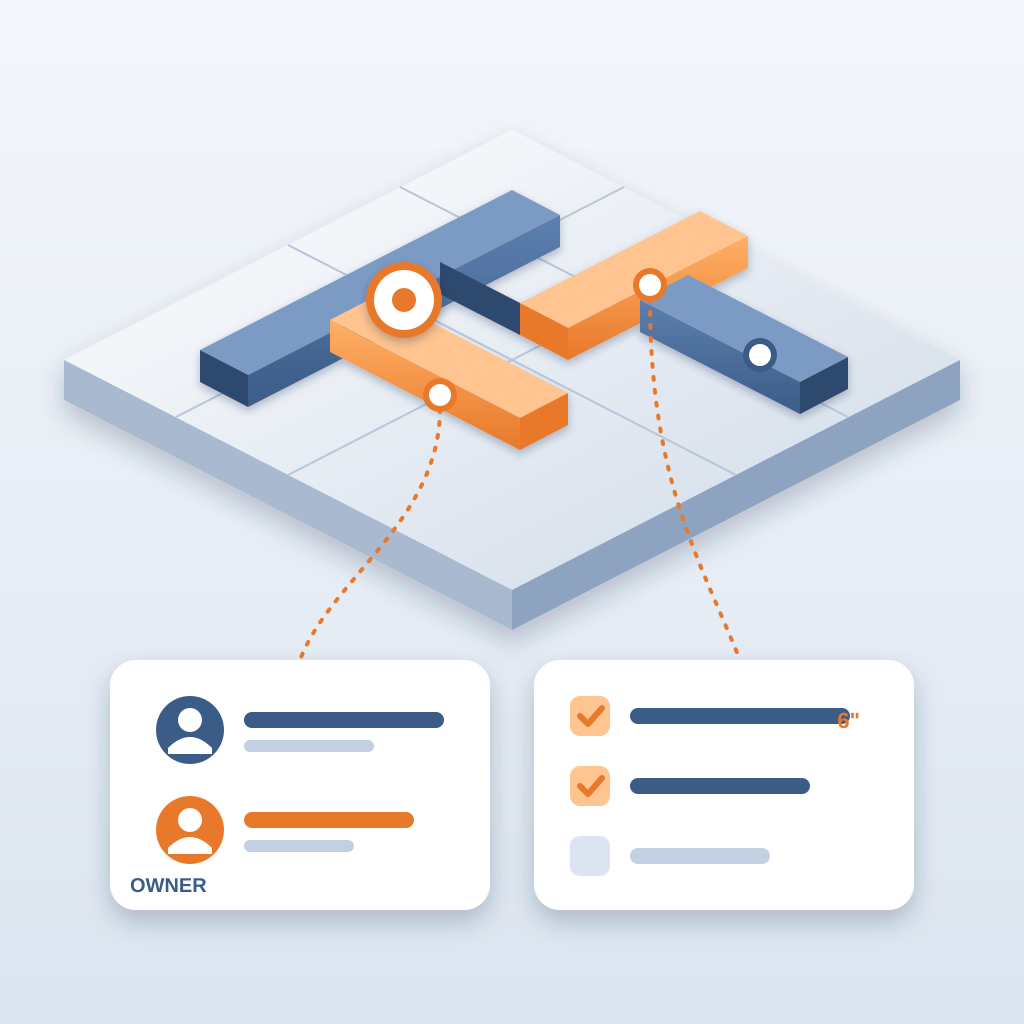
Spotting the change is half the job. The other half is making sure somebody acts on it. In BidLight, the duct shift becomes an issue pinned to the element. It carries the sheet and the revision that raised it.
Then the gate matters. An issue only closes with a screenshot, a tagged user and the linked model commit that delivered the fix. So "I moved the branch" is not enough. The next publish has to show it.
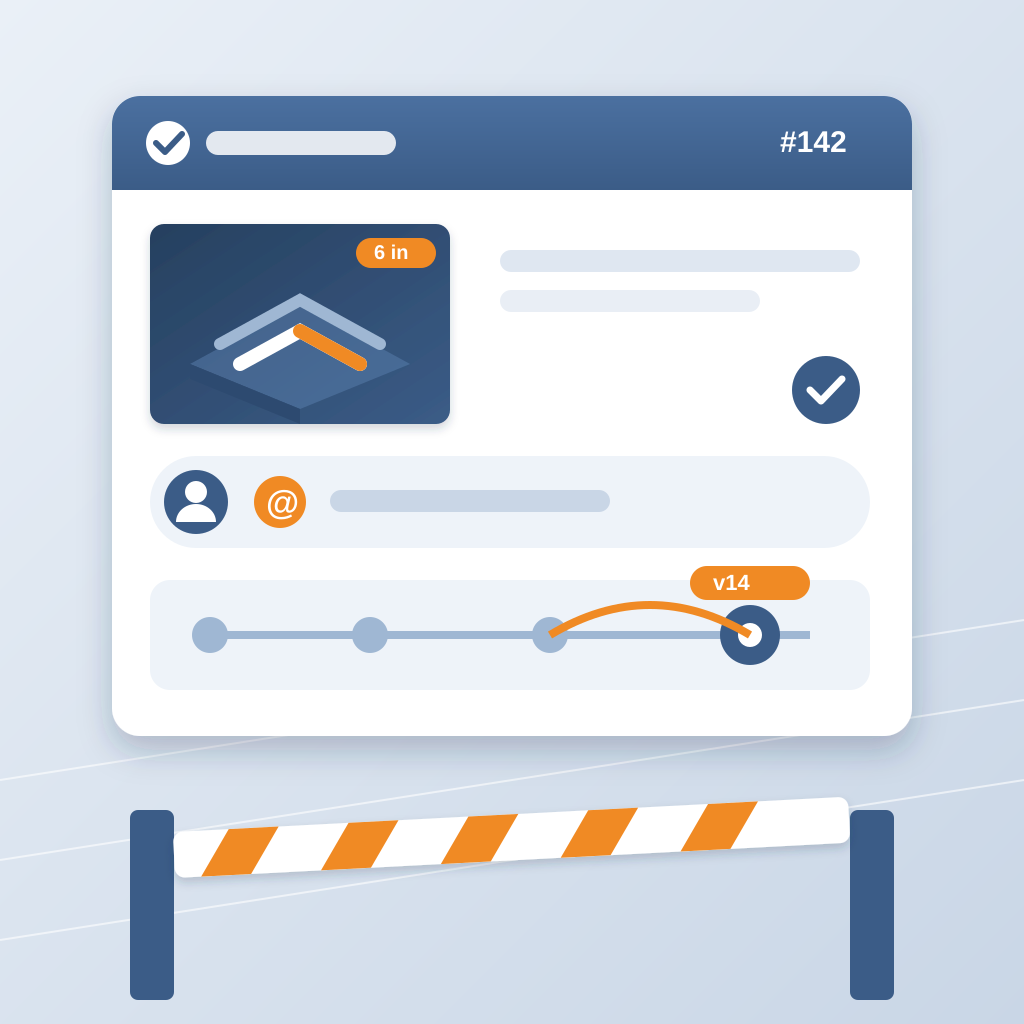
The real value is the feedback loop. When the model changes again, you publish, compare and see which issues are affected. The rest of the record stays intact. You can run that check every time the design team makes a move. No more waiting for an end-of-month review to find out what slipped.
This replaces the old bulk cycle. Instead of spending hours working out which model version is current, which costs about 11 hours a week on many teams, you spend about 15 minutes reading a diff. Those hours go back into coordination, client conversations and planning the next phase.
Know Who Is Behind
The teams that hold schedule are the ones that can see ownership. Owners hate surprises. When a change affects three trades, each owner should know before they arrive on site.
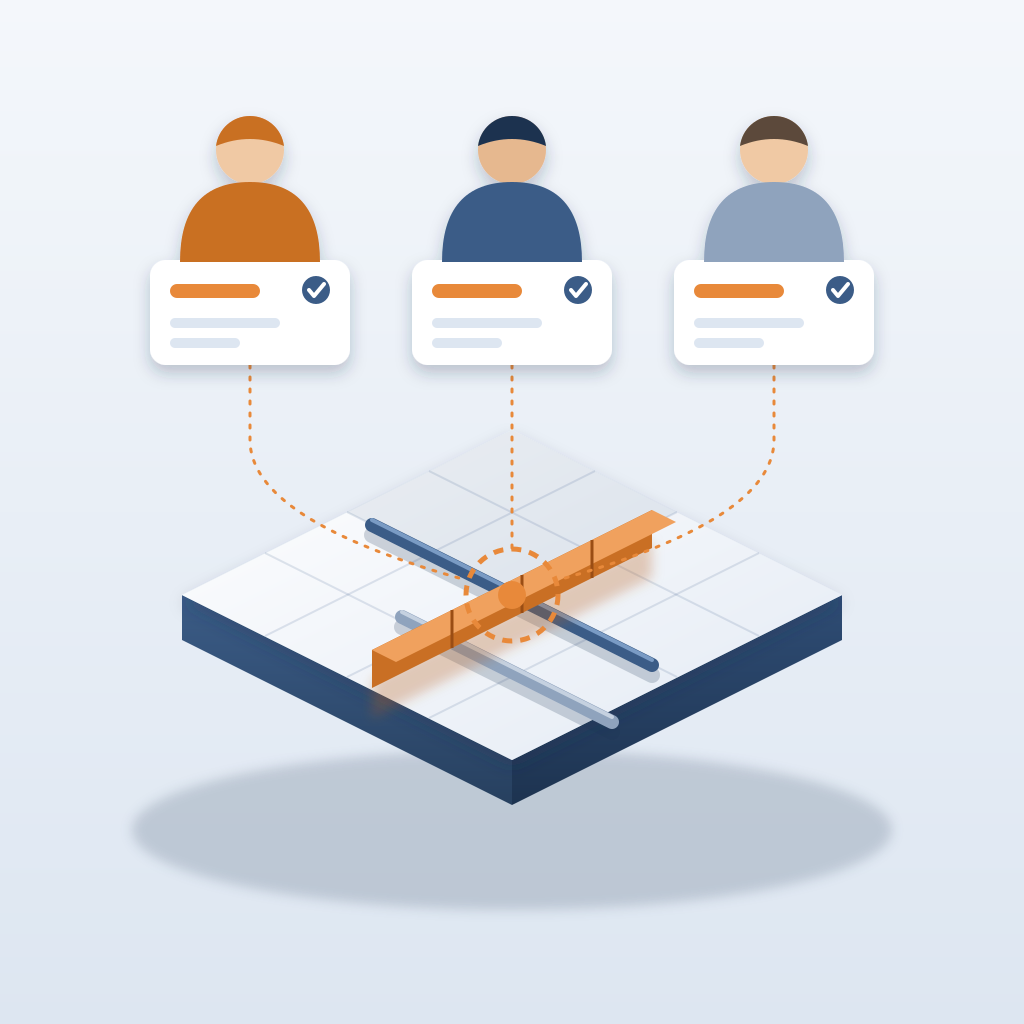
Think about how a normal coordination cycle runs. A change is made, a meeting is called, notes go out, and half the people never read them. If someone asks "did you account for the duct change on page 17?" you had better have an answer. With BidLight, the 6am digest tells each person what they own, and the project view shows every issue against its owner.
An unresolved clash can burn $15K to $50K a week in idle field labour. One that sat 47 days cost $28,000. Seeing who is behind while there is still time to recover is how you avoid that.
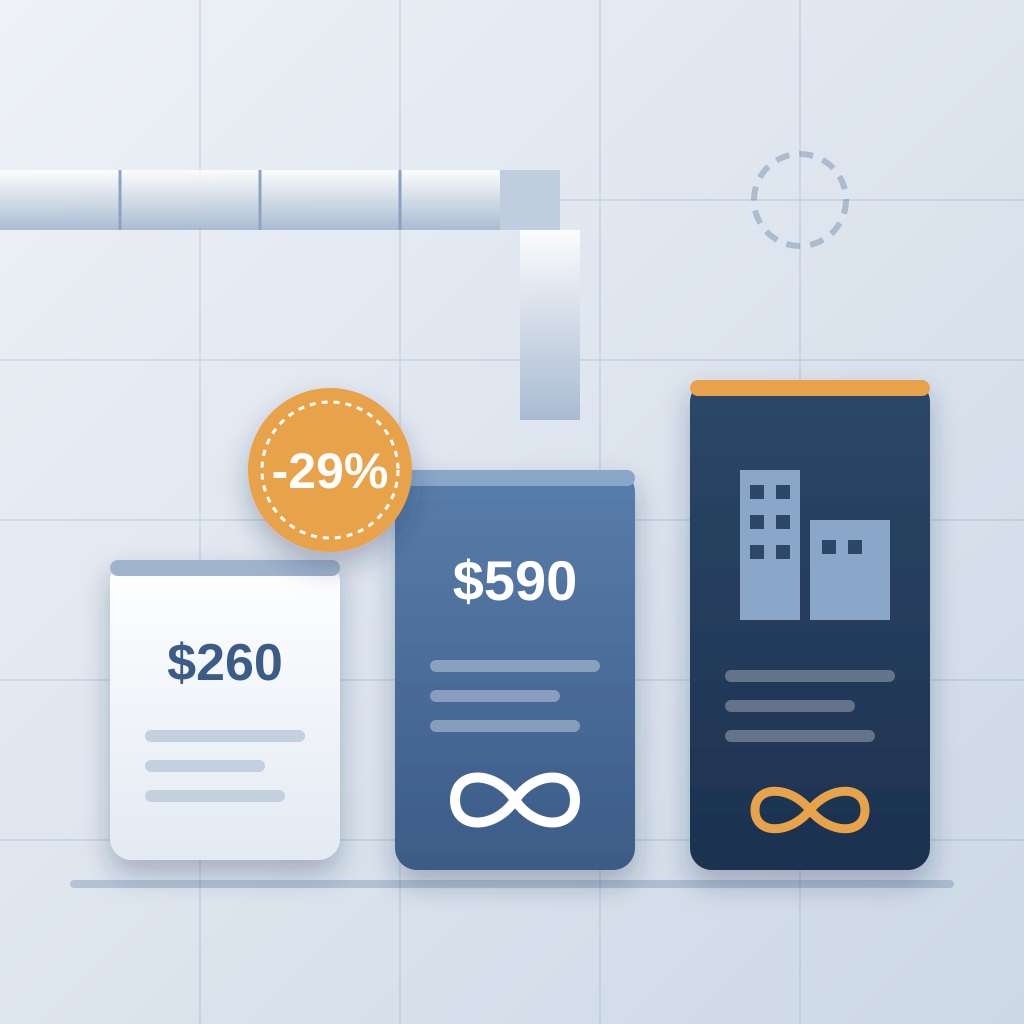
BidLight is priced per license, from Basics at $260 a year ($30/month) to Max at $590 a year ($69/month), with unlimited projects on every plan, custom Enterprise pricing, and AIA member discounts of up to 29%.
Stop chasing scattered updates. The model moves; your record should move with it. Next time someone shifts a duct six inches, you will know what it touched, who owns it and whether it closed. And the field will not be the one to find out.