Power Systems in Data Centers: More Than Just Backup Generators
Why Power Failure Is Not an Option
When power fails, a data center does not slow down. It stops. Every system, every service, and every process depends on continuous power. Even a short interruption can lead to downtime, data loss, and real business impact.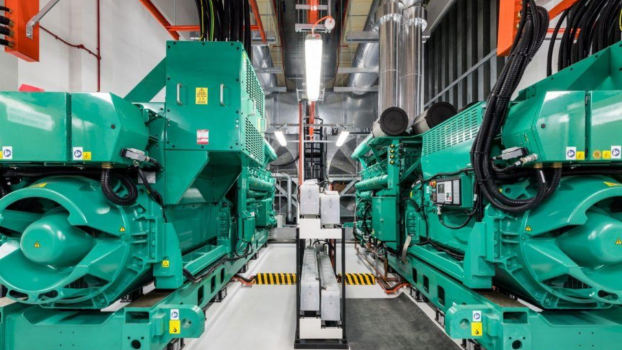
Many people think backup generators are the main solution. But they are only one part of the system. Modern data centers rely on layers of power infrastructure that work together at all times.
From utility power to battery systems and distribution units, each component plays a role. These systems are designed to prevent failure before it happens.
Understanding this is important. Because power in a data center is not just about backup. It is about control, stability, and long-term reliability.
What a Data Center Power System Really Is
A data center power system is a complete electrical setup built to deliver stable power without interruption. It includes power sources, backup systems, and distribution networks.
Power starts from the grid, but it does not go directly to servers. It passes through multiple layers that protect and control it. Each layer ensures the system stays stable.
These systems are designed for high availability. That means there is always a backup ready. If one part fails, another takes over instantly.
Power systems also include monitoring tools. These track performance and detect issues early. The goal is simple. Keep everything running without risk.
How Power Flows Inside a Data Center
Power follows a clear path inside a data center. Each step is built to protect the system from failure.
It begins with the utility grid. This is the main source of electricity. From there, power moves into switchgear. These systems control and direct electricity safely.
Next comes the UPS system. This system provides instant backup using batteries. If the main power drops, the UPS keeps everything running without delay.
Generators come after that. They start within seconds of a power outage. While the UPS handles short gaps, generators provide long-term power.
Finally, power moves through distribution units. These deliver electricity to racks and servers.
This flow ensures there is no break in operation. Every layer adds protection and stability.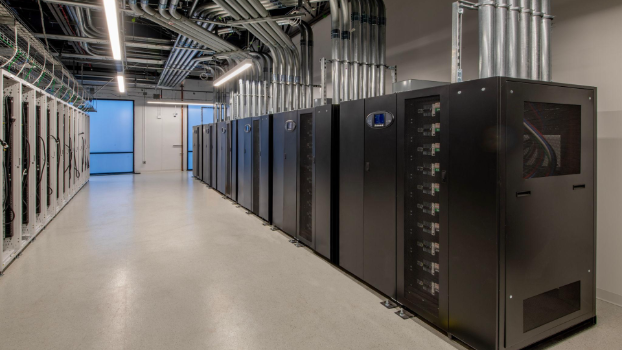
The Core Components Behind Reliable Power
Modern data centers rely on several key components to manage power.
The UPS system is one of the most important. It protects systems from sudden power loss and keeps operations stable during short interruptions.
Generators provide extended backup. They are designed to run for long periods when needed. This ensures operations continue during outages.
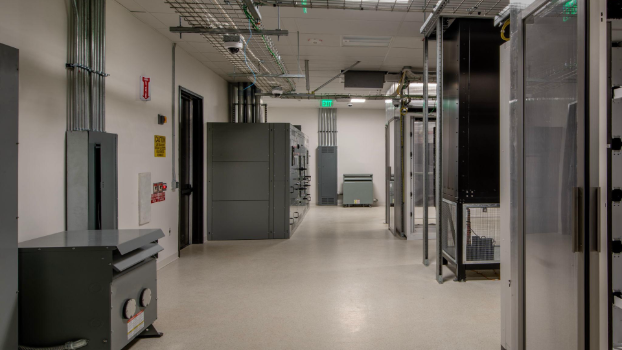
Switchgear controls the flow of electricity. It helps manage load and isolate issues when they occur.
Power Distribution Units, or PDUs, deliver power to equipment. They make sure power is evenly distributed across servers.
Monitoring systems track performance. They provide real-time insights and help teams respond quickly.
Together, these components create a strong and reliable power system.
Redundancy: The Key to Zero Downtime
Redundancy is what makes data center power systems reliable. Instead of relying on a single system, data centers use multiple layers of backup.
There can be more than one power source. There can be duplicate UPS systems and extra generators. If one fails, another takes over instantly.
Common models include N+1 and 2N. N+1 means one extra system beyond what is needed. 2N means full duplication of the system.
This approach reduces risk. It also allows maintenance without shutting down operations.
In data centers, downtime is not acceptable. Redundancy ensures systems stay active at all times.
Power Efficiency and Cost Impact
Power systems are also a major cost factor. They use a large amount of energy. Poor design can lead to high costs over time.
Efficiency is important. Systems must deliver power without waste. Metrics like PUE help measure how efficiently power is used.
Design decisions play a big role. Overbuilding increases cost. Underestimating demand creates risk.
Teams must balance performance and efficiency. This requires careful planning and load forecasting.
A well-designed system reduces cost while maintaining strong performance.
Power System Design Is Also a Cost Decision
Power system design is not just technical. It is also financial. Every decision affects both upfront cost and long-term expense.
Without clear insight, teams may overdesign or miss key risks. This leads to inefficiency and higher costs.
Bidlight helps bring clarity to this process. It connects system design with cost intelligence.
This allows teams to evaluate options and make better decisions early.
With the right approach, power systems can be both reliable and cost-efficient.
More Than Backup Generators: The Bigger Picture
Data center power systems are more than backup generators. They are complex systems designed to ensure continuous operation.
From the grid to the rack, every component plays a role in keeping systems running.
Understanding these systems helps teams build better infrastructure and avoid costly mistakes.
As demand grows, the need for strong and efficient power systems will only increase.
Those who plan with clarity and precision will stay ahead.