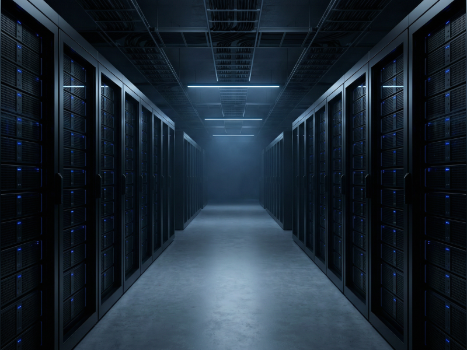
Inside a Data Center: The 4 Systems That Power Everything
Every click, stream, and online action depends on something most people never see. That is a data center. It sits quietly in the background, handling millions of tasks every second. From emails to AI tools, everything runs through these facilities. Yet most people do not know how they actually work.
A data center is not just a room full of servers. It is a system built with precision. Each part has a role. Each system supports the other. When one fails, everything is at risk. That is why data centers are designed with care and planning.
In this guide, we break down the four core systems that power every data center. These systems keep operations stable, fast, and secure. Understanding them helps you see what really keeps the digital world running.
At its core, a data center is a controlled space built to store and process data. But it is more than that. It is a network of systems working together at all times. These systems are designed for reliability and performance.
Every part of a data center is built to avoid failure. There are backups for power. There are systems to control heat. There are networks to move data quickly. Each layer is planned to keep things running without breaks.
This is why data centers are called mission-critical. Even a small issue can cause major problems. Downtime can affect businesses, services, and users around the world. That is why every system must work perfectly.
Power is the first and most important system in any data center. Without power, nothing works. Servers shut down. Networks stop. Operations come to a halt. That is why power systems are built with strong backup layers.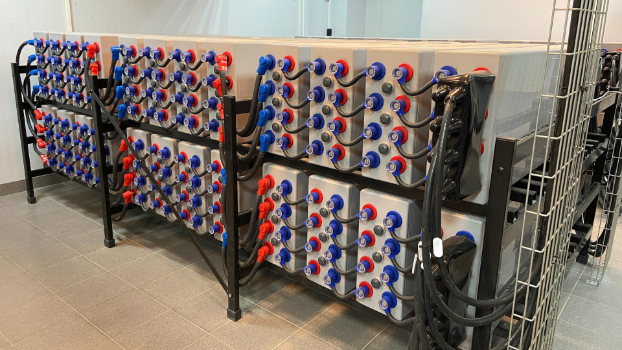
Most data centers use multiple power sources. They rely on utility power, backup batteries, and generators. If one source fails, another takes over instantly. This switch happens so fast that systems do not notice.
But power is not only about backup. It is also about efficiency. Power systems use a large amount of energy. Poor planning can lead to waste and higher costs over time.
That is why accurate planning is key. Teams must understand how much power is needed. They must plan for growth and future demand. A well-designed power system keeps operations stable and costs under control.
Cooling is the next critical system. Servers create heat as they run. The more they work, the more heat they produce. If this heat is not managed, it can damage equipment.
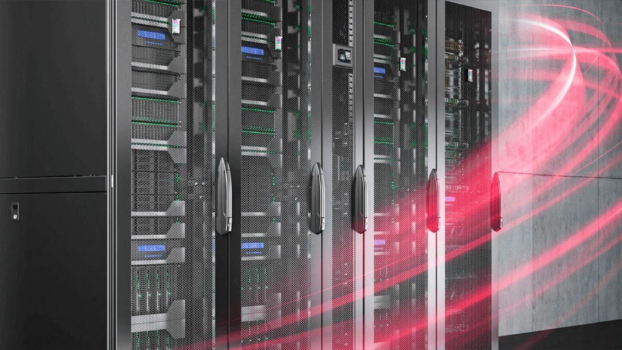
Data centers use cooling systems to control temperature. One common method is hot aisle and cold aisle design. This helps guide airflow and keep systems at safe levels.
Some advanced setups use liquid cooling. This method is more efficient for high-density systems. It removes heat faster and uses less energy in some cases.
Cooling is also a major cost factor. It can take up a large share of total energy use. Poor cooling design leads to wasted energy and uneven temperatures.
Good cooling systems focus on balance. They remove heat while using less power. This improves performance and reduces long-term costs. It also helps extend the life of equipment.
Network infrastructure is what connects everything inside a data center. It allows data to move between systems and reach users. Without it, servers cannot communicate.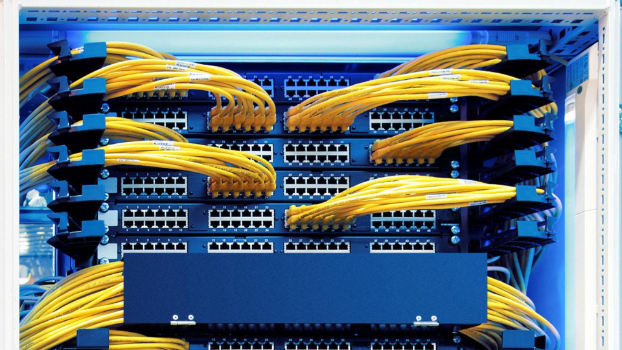
This system includes cables, switches, and routers. These components work together to move data quickly and safely. Speed and reliability are both important.
Even small delays can affect performance. That is why networks are built for low latency. They are also designed with backup paths in case one route fails.
A strong network system supports growth. As demand increases, the system must handle more data without slowing down. Good design ensures smooth and steady performance.
Security is the final system, but it is just as important. Data centers store valuable and sensitive data. Protecting this data is critical.
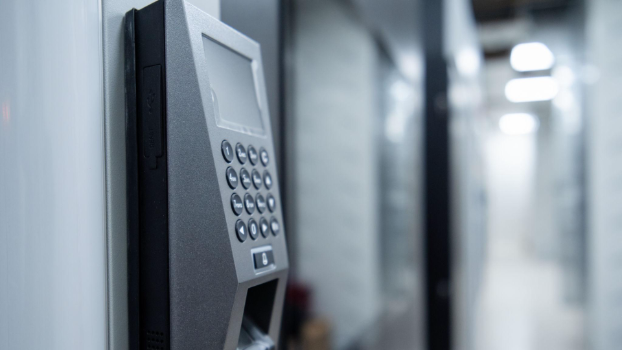
Security works on two levels. Physical security controls who can enter the facility. This includes cameras, access cards, and biometric systems.
Digital security protects the data itself. It includes firewalls, monitoring tools, and encryption. These systems help prevent attacks and data loss.
Security systems must always stay active. Threats can come at any time. Strong protection builds trust and keeps operations safe.
These four systems do not work alone. They depend on each other. Power supports cooling. Cooling protects hardware. Networks move data. Security protects everything.
If one system fails, it affects the rest. That is why integration is important. All systems must be planned together, not separately.
Modern data centers are built as complete systems. Every decision affects performance, cost, and reliability. Good planning ensures everything works in sync.
Designing a data center is not only a technical task. It is also a cost challenge. Every system adds to the total investment and ongoing expense.
Without clear cost visibility, teams may overbuild or miss key risks. This leads to higher costs and lower efficiency over time.
Bidlight helps bring clarity to this process. It gives teams insight into system-level costs. This allows better decisions during planning and design.
With the right cost intelligence, teams can balance performance and budget. They can build systems that are both strong and efficient.
Data centers power the digital world. But their strength comes from the systems behind them.
Power, cooling, networking, and security work together to keep everything running. Each system plays a key role in stability and performance.
Understanding these systems helps teams build better infrastructure. It also helps control cost and reduce risk.
As demand grows, the need for well-designed data centers will only increase. Those who understand these systems will be ready for what comes next.