How Small BIM Changes Lead to Major Cost Overruns
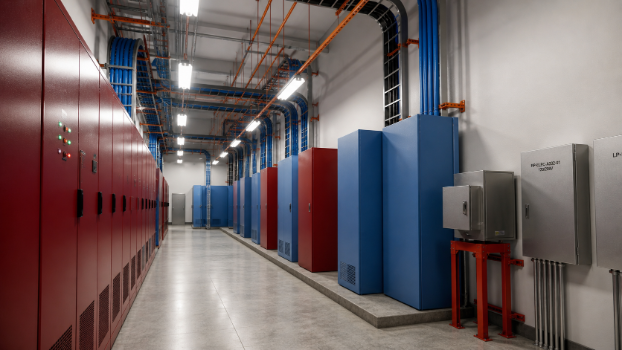
Small BIM changes rarely fail loudly at first. A cable tray moves slightly to clear structure. A conduit bank shifts to avoid a beam. A chilled water pipe drops a few inches. In isolation, each revision looks manageable. In a data center, however, these changes move through a tightly connected system of power distribution, cooling, redundancy, procurement, prefabrication, and field sequencing. When Building Information Modeling is not governed with discipline, a small model adjustment can become rework, RFIs, change orders, schedule delays, and major construction cost overruns.
Understanding Why Small BIM Changes Create Big Cost Problems
BIM is more than a 3D coordination model. In mission-critical infrastructure, it becomes the shared technical record for geometry, quantities, sequencing, procurement, and installation intent. When small BIM changes are made without proper review, they can disconnect the model from cost estimation, shop drawings, quantity takeoffs, and the construction schedule.
Cost overruns usually come from accumulation. A single design change may not break the budget, but repeated late-stage changes create field rework, material waste, labor inefficiency, and unclear responsibility.
What Counts as a Small BIM Change?
A small BIM change can be a revised cable tray elevation, conduit offset, ductwork reroute, equipment pad shift, or adjustment to LOD. It may happen inside Revit, Navisworks, BIM 360, or ACC Coordinate and appear minor during model coordination.
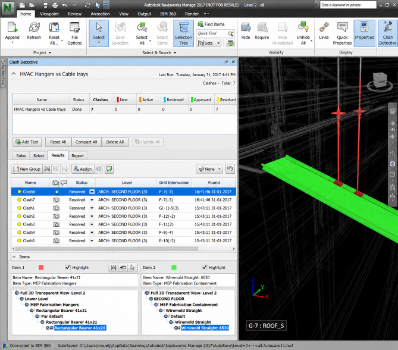
The risk is that these changes often affect nearby MEP systems. Moving electrical conduits can reduce HVAC clearance. Adjusting chilled water pipes can affect cable routing. A small clearance correction can force changes across multiple trades.
Why Small Changes Become Expensive in the Field
A conflict found during clash detection is cheap compared with one found after installation. Once materials arrive, crews mobilize, and prefabricated assemblies are built, every correction costs more. Field rework creates RFIs, change orders, delays, and installation downtime.
In data center construction, this is especially damaging because power infrastructure, cooling systems, and backup systems are tightly sequenced. One late change can disrupt procurement windows and push the entire construction schedule.
The BIM Coordination Chain Behind Cost Overruns
BIM coordination is where small errors should be caught before they reach the jobsite. Strong MEP coordination aligns electrical, HVAC, plumbing, fire protection, structural, and architectural systems before installation begins.
When coordination issues are ignored, design clashes become physical clashes. That is where cost control starts to fail.
Clash Detection as the First Line of Defense
Clash detection identifies conflicts between cable trays, ductwork, electrical conduits, chilled water pipes, fire protection lines, and structural elements. Tools such as Navisworks and ACC Coordinate are useful, but they only work when the data is current and the issue workflow is enforced.
A clash report without ownership is only a warning. To resolve conflicts effectively, each clash needs priority, trade responsibility, due date, and confirmation in the updated model.
Coordination Issues That Usually Lead to Rework
The most expensive coordination issues usually happen in congested spaces: plant rooms, electrical rooms, overhead corridors, and equipment galleries. These areas carry dense MEP routing with limited tolerance for error.
Common failures include missing access clearance, outdated model links, wrong elevations, incomplete LOD, and unresolved trade overlaps. Once these reach the field, construction rework becomes almost unavoidable.
Responsibility Management and Version Control
Version history is critical. Teams need to know who changed what, when it changed, and whether the revision was approved. A common data environment provides a single source of truth for models, drawings, RFIs, and issue tracking.
Without responsibility management, teams build from different information. That creates disputes, duplicated work, and expensive model handover problems later.
How BIM Changes Affect Cost Estimation and Budget Control
Cost estimation depends on accurate model information. When design changes are not reflected in quantity takeoffs and real-time quantities, the budget becomes disconnected from the project reality.
5D BIM helps connect model changes to cost planning, cost validation, procurement, and budget control. This is where BIM delivers measurable cost savings and ROI.
Quantity Takeoffs and Real-Time Cost Impact
A revised conduit route may add supports, cable length, fittings, and labor. A lowered duct may require structural coordination or access changes. These details affect quantity takeoffs immediately.
Real-time quantities help teams see the cost impact before the field absorbs it. Without that visibility, small BIM changes quietly become construction cost overruns.
Change Orders and Budget Pressure
Change orders are often the commercial result of coordination failure. They add direct cost, but they also create approval delays, subcontractor claims, and procurement disruption.
In high-pressure data center projects, even small schedule delays can carry major financial consequences because equipment delivery, commissioning, and turnover dates are tightly linked.
ROI of Better BIM Coordination
The ROI of BIM coordination comes from avoided rework, fewer RFIs, reduced material waste, cleaner procurement, and faster installation. The value is not in producing a beautiful model. The value is in preventing bad information from reaching the field.
The MEP Systems Most Affected by Small BIM Changes
MEP systems carry the greatest risk because they compete for space and directly affect functionality. Electrical, HVAC, plumbing, and fire protection systems must be coordinated as one integrated environment.
Electrical Systems and Cable Routing
Electrical systems are especially sensitive. Cable tray routing, conduits, electrical conduits, high-capacity circuits, and power distribution pathways all need predictable clearance and access.
A small tray shift can affect bend radius, support spacing, cable pulling access, and maintenance clearance. In data centers, where high-density power distribution is common, these changes can be costly.
HVAC, Ductwork, and Cooling Path Conflicts
Cooling systems also depend on accurate coordination. Ductwork, chilled water pipes, CRAC units, CRAH layout, and airflow paths must align with electrical infrastructure.
A small mechanical change can create hot spots, reduce thermal performance, or disrupt hot aisle/cold aisle strategy. Cooling integration is not optional in mission-critical infrastructure.
Fire Protection and Plumbing Coordination
Fire protection and plumbing systems may look secondary, but they often force reroutes when clearance is missed. In congested MEP zones, even a small pipe adjustment can push electrical or HVAC systems out of position.
Why Data Center Construction Is More Sensitive to BIM Changes
Data center design has less tolerance for improvisation than typical commercial construction. Hyperscale data centers and AI data centers depend on uptime, redundancy, backup power, cooling efficiency, and precise sequencing.
Power Infrastructure and Redundancy Risk
Power infrastructure must support continuous load while maintaining redundancy. Load calculations, power usage, high-density power distribution, and backup pathways must remain coordinated.
A small BIM change can affect redundant routes, equipment access, or maintenance space. In Tier III and Tier IV environments, that can become a reliability issue, not just a construction issue.
Backup Systems, UPS, and Generators
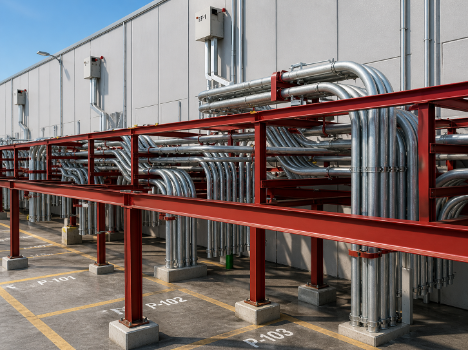
UPS systems, generators, and backup power equipment require strict spatial planning. Clearances, cable routing, ventilation, fuel systems, and maintenance access all need to be coordinated early.
Late changes around backup systems can create expensive rework because this equipment is often large, long-lead, and difficult to relocate.
Uptime, Downtime, and Mission-Critical Cost Exposure
Uptime is the business purpose of a data center. Poor BIM coordination can increase commissioning risk, equipment failures, future downtime exposure, and operational costs.
That is why small model changes must be treated as system-level events, not isolated drafting edits.
Cooling Performance and Energy Efficiency Impacts
Cooling is directly tied to cost, uptime, and sustainability. BIM changes can alter airflow, cooling simulation results, thermal performance, and Power Usage Effectiveness.
Airflow, Hot Spots, and Equipment Layout
Hot spots often begin with layout decisions. If airflow paths are blocked or CRAC units and CRAH layout are poorly coordinated, cooling efficiency drops.
Even minor changes to rack placement, ductwork, or piping can affect hot aisle/cold aisle performance.
Liquid Cooling and AI Data Center Demands
AI data centers increase both power density and cooling complexity. Liquid cooling introduces additional piping, access, monitoring, and leak-risk coordination requirements.
This makes BIM accuracy even more important as data centers become denser and more technically demanding.
Energy Efficiency and Operating Cost
Energy efficiency is no longer just a sustainability goal. It affects operational costs, energy consumption, carbon emissions, and lifecycle cost management.
Better BIM supports energy optimization by coordinating power, cooling, and equipment layout before waste becomes permanent.
Construction Sequencing, Procurement, and Prefabrication
Small BIM changes also affect construction sequencing, procurement, and prefabrication. 4D BIM helps teams understand how design changes affect schedule logic.
4D BIM and Schedule Control
A revised route can change installation order, crew access, and trade handoffs. When sequencing changes are not captured, schedule delays follow.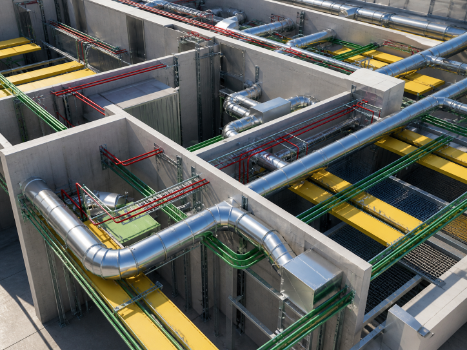
Prefabrication and Fabrication-Ready Models
Prefabrication and modular construction depend on fabrication-ready models and accurate shop drawings. If the model is wrong, prefabricated work may arrive unusable.
Procurement and Material Waste
Procurement windows depend on stable quantities and approved designs. Late changes cause rush orders, excess materials, and wasted inventory.
Digital Twins, Monitoring, and Lifecycle BIM
The value of BIM continues after construction. Digital twins, monitoring, asset tracking, and facility management depend on accurate as-built handover.
Digital Twins and Real-Time Monitoring
Digital twins connect BIM with IoT sensor data, environmental sensors, PDU meters, and automated alerts. This supports real-time visibility into power, cooling, and equipment behavior.
Predictive Analytics and Equipment Failures
Predictive analytics can identify equipment failures before they become outages. Accurate BIM data improves maintenance planning and reduces operational costs.
Model Handover and COBie Data
COBie and structured model handover help facility teams use BIM as an operational asset. Poor handover turns the model into an archive instead of a working system.
Governance: How to Prevent Small BIM Changes From Becoming Cost Overruns
Technology does not prevent overruns by itself. Governance does.
BIM Execution Plan and LOD Standards
A BIM Execution Plan, or BEP, should define LOD, coordination rules, software workflows, model ownership, review cycles, and handover requirements.
Common Data Environment and Version History
A common data environment keeps teams aligned through version history and approved model updates. It prevents outdated drawings from reaching the field.
Responsibility Management for Model Changes
Every model change needs an owner, reason, approval path, and closeout record. This turns BIM coordination into accountable execution.
Sustainability and Future Trends in BIM Cost Control
Future BIM workflows will focus more on energy efficiency, sustainability benchmarks, carbon emissions, digital twins, and lifecycle cost management.
Sustainability Benchmarks and Carbon Reduction
Better coordination reduces material waste, improves resource optimization, and supports lower carbon construction decisions.
Energy Optimization and PUE Improvement
Cooling simulation, energy optimization, and PUE improvement will become stronger BIM priorities as operating costs rise.
The Future of BIM in Hyperscale and AI Data Centers
Hyperscale and AI data centers will require tighter coordination between power, cooling, monitoring, and redundancy. Small BIM changes will carry even greater consequences.
Conclusion: Small BIM Changes Need Serious Control
Small BIM changes lead to major cost overruns when they are not tracked, coordinated, priced, and validated. In data center construction, the stakes are higher because electrical architecture, UPS systems, generators, cooling, redundancy, uptime, and sustainability are deeply connected. Strong BIM coordination protects budgets, schedules, system reliability, and long-term operational performance.