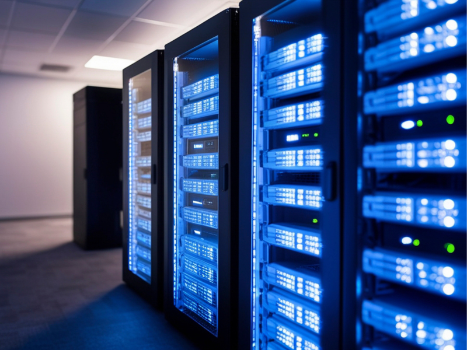
Clash Detection in Data Centers: Why It Matters More Than Anywhere Else
Clash detection in data centers is not just a coordination exercise. It is a critical control layer that directly influences uptime, reliability, and long-term operational resilience. In a mission-critical facility, even minor conflicts between power, cooling, or routing systems can cascade into costly rework, commissioning delays, or worse, unplanned downtime. Unlike conventional buildings, data centers demand absolute precision because every system is interdependent. Power distribution, cooling systems, and redundancy models must coexist in tightly packed environments where space, access, and performance are constantly competing. This is where clash detection becomes far more than a design step. It becomes a strategic safeguard.
Understanding Clash Detection in Mission-Critical Data Centers
Clash detection in data centers operates within a different context than general construction. Here, it is not just about identifying geometry conflicts, but about validating operational integrity. Every clash potentially represents a future failure point.
Why Data Centers Demand Higher Precision
Data centers operate under strict uptime expectations, often aligned with Tier III facilities or Tier IV facilities standards. The density of electrical, mechanical, and cooling systems increases the likelihood of conflicts, while the tolerance for error approaches zero. A blocked access panel or improperly routed conduit is not just an inconvenience. It is a risk to redundancy and service continuity.
Role of MEP Coordination in Data Centers
Effective MEP coordination ensures that all trades align within a federated BIM model. Trade-wise coordination across electrical, cooling, and structural systems allows teams to resolve issues early through 3D checks and controlled version control. This level of integration is essential to prevent downstream conflicts during installation and commissioning.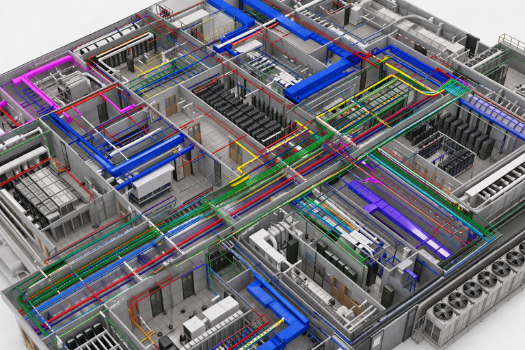
Power Infrastructure and Redundancy: The Core of Clash Sensitivity
Power infrastructure is the backbone of any data center. It is also the area where clashes carry the highest risk.
Power Distribution and Electrical Systems
Power distribution systems include switchgear, conduits, and complex routing networks that must be precisely coordinated. Equipment placement becomes critical when managing clearance zones and ensuring safe electrical operation. Even small misalignments can compromise safety or violate compliance requirements.
Backup Power and Redundant Systems
Redundancy is achieved through UPS systems, generator systems, and battery systems arranged in dual power paths or A/B power paths. True redundancy depends on physical separation of redundant feeds. Clash detection ensures these paths do not intersect or share vulnerabilities, preserving system independence.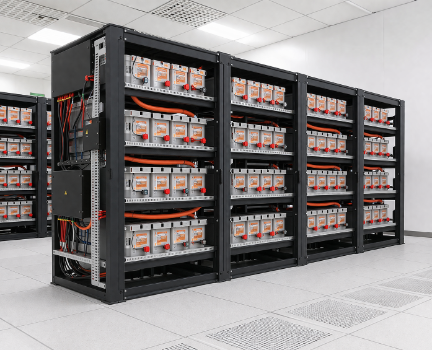
Load Planning and Utility Integration
Load calculations and load distribution must align with spatial design. Integrating utility feeds while maintaining redundancy requires careful planning. This becomes even more complex in higher-tier facilities, where every component must support continuous operation without single points of failure.
Cooling Systems and Thermal Coordination Challenges
Cooling systems are as critical as power systems, and their interaction introduces another layer of complexity.
Cooling Systems and Integration
Cooling systems must be tightly integrated with electrical infrastructure. Cooling integration failures can lead to inefficiencies or hotspots that degrade equipment performance. Clash detection ensures that cooling pathways do not interfere with power routing or structural elements.
Airflow Management and Containment
Airflow is managed through strategies like hot aisle containment and cold aisle containment. Ventilation duct placement and cable trays must be coordinated to prevent airflow obstruction. Poor coordination can disrupt thermal balance and create localized overheating.
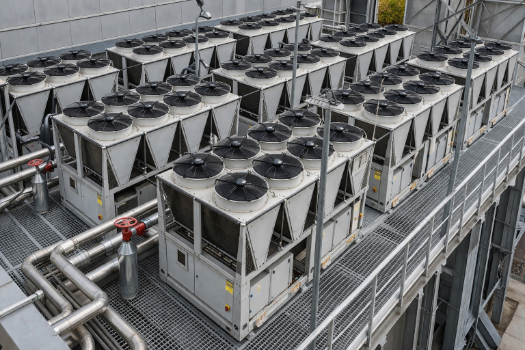
Advanced Cooling Approaches
Underfloor cooling and liquid cooling systems introduce additional constraints. These systems require precise routing and coordination within service zones. Clash detection helps maintain accessibility while ensuring efficient cooling performance.
Routing, Clearances, and Constructability in Dense Environments
Spatial constraints define data center design. Every system competes for limited space.
Cable Management and Routing Complexity
Cable trays, conduits, and routing pathways must coexist without interference. Overlapping systems increase the risk of clashes, especially when multiple trades operate simultaneously.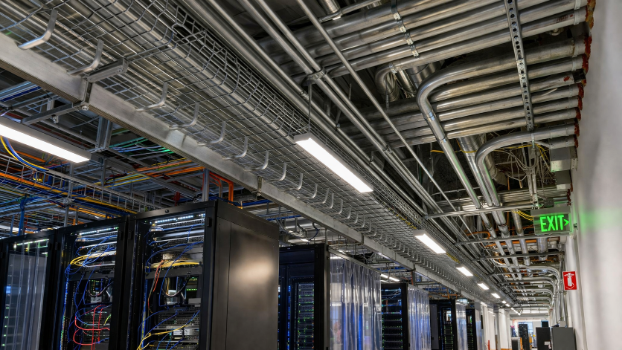
Clearance Zones and Maintenance Access
Clearance zones are essential for safety and maintenance access. Service zones must allow technicians to access equipment without obstruction. Poor coordination can lead to long-term serviceability issues.
Constructability and Installation Planning
Constructability depends on resolving clashes before installation begins. Equipment placement and installation sequencing must be validated to avoid field conflicts that disrupt project timelines.
Risk Mitigation and Project Delivery Impact
Clash detection directly affects project outcomes, both financially and operationally.
Reducing Rework and Delays
Field rework and costly rework often result from unresolved clashes. These issues lead to delays that impact project delivery schedules and increase costs.
Managing Operational Risks
Clashes can introduce operational risks that persist beyond construction. A poorly coordinated system may function initially but fail under load or during maintenance, leading to downtime.
Quality Control and Inspection Efficiency
A clash-free model improves quality control and reduces inspection delays. It also increases confidence during commissioning, ensuring systems perform as intended.
Workflow Optimization Through BIM and Coordination Strategies
Efficient workflows enhance the effectiveness of clash detection.
Federated BIM and Coordination Workflows
A federated BIM model enables integrated coordination across disciplines. Trade-wise coordination ensures that design changes are tracked through version control, reducing errors.
Look-Ahead Planning and Execution
Look-ahead schedules allow teams to anticipate coordination challenges. Aligning clash detection with construction timelines improves execution and reduces last-minute adjustments.
Energy Efficiency and Sustainable Data Center Design
Efficiency is becoming increasingly important as data centers scale.
Energy Optimization and Efficiency Metrics
Energy optimization is achieved through coordinated design. Energy-efficient design reduces waste and improves overall system performance.
Power and Cooling Efficiency Integration
Aligning power and cooling systems enhances efficiency. Optimized routing reduces energy losses and supports sustainable operation.
Future Trends: AI Data Centers and Scalable Infrastructure
The evolution of data centers is driving new challenges in coordination.
AI Data Centers and Increased Complexity
AI data centers demand higher power densities and advanced cooling systems. This increases the complexity of clash detection and requires more sophisticated coordination strategies.
Planning for Future Capacity and Scalability
Future capacity upgrades must be considered during design. Energy planning and flexible infrastructure allow for scalability without major rework.
Conclusion: Why Clash Detection Defines Success in Data Center Projects
Clash detection in data centers is not a secondary process. It is a critical factor that determines whether a facility can meet its uptime, efficiency, and reliability goals. By ensuring precise coordination across power, cooling, and structural systems, it minimizes risk, reduces rework, and supports seamless project delivery. In an environment where failure is not an option, clash detection becomes a defining element of success.